REVIEW · PRIVATE CITY SIGHTSEEING TOURS
Jaipur: Full Day Sightseeing Tour By Car & Local Tour Guide
Book on GetYourGuide →Operated by Jaipur Pinkcity Tours · Bookable on GetYourGuide
Eight hours of Jaipur, neatly organized. You get a full day route that hits the headline sights without turning your brain into a spreadsheet, with an AC car and a local guide to connect the dots. You’ll also get a day that’s built around the big visual hits of the Pink City and the quiet meaning behind them.
I especially like the way the tour pairs major landmarks with practical time. Amber Fort and Jantar Mantar are not just photo stops; the guide keeps you moving at a human pace, then gives time to explore and shoot pictures while they wait.
One thing to plan for: entry tickets and meals aren’t included, and some stops involve steps and uneven ground (not a match for wheelchair users, and not listed as suitable for pregnant travelers). Also, it’s a full day, so sunscreen matters.
In This Review
- Key highlights to know before you go
- Jaipur in one day: why this route makes sense
- The AC car advantage: time, comfort, and safe driving
- Amber Fort and Panna Meena ka Kund: fort power and water logic
- Jal Mahal: the floating palace pause
- Hawa Mahal: windows for privacy, and shade for you
- City Palace: where the royalty story becomes a museum
- Jantar Mantar: Jaipur’s big stone astronomy set
- Royal Gaitor Tombs: the quieter finale
- Lunch, shopping, and using the waiting time well
- Price and value: how $8 can still feel like a smart deal
- Who this tour fits best (and who might struggle)
- Should you book this Jaipur full-day tour by car?
- FAQ
- How long is the Jaipur full-day sightseeing tour?
- Does the tour include hotel pickup and drop-off?
- What’s included in the price?
- Are entry tickets included?
- Which places are visited during the day?
- Is this tour private or shared?
- What languages are available for the live guide?
- Is the tour suitable for wheelchair users or pregnant travelers?
Key highlights to know before you go
- Private air-conditioned car that keeps the day comfortable, even when Jaipur heat shows up early
- Expert local guide (English and other languages available) who can explain what you’re actually looking at
- Big UNESCO hits in one day: Amber Fort and Jantar Mantar, both tackled without rushing the vibe
- The “view stops” are real: Jal Mahal from the shore and Hawa Mahal’s honeycomb façade with windows on every level
- A calm ending at the Royal Gaitor Tombs, which feels miles quieter than the fort crowds
- Guides and drivers who handle real groups: from elderly visitors moving slowly to toddlers needing patience, you’re not stuck in a rigid pace
Jaipur in one day: why this route makes sense
Jaipur is one of those places where you could spend weeks and still feel like you’re only scratching the surface. This tour is different: it’s built for getting your bearings fast, then learning what matters while you’re there. You’ll see the icons that define the city, and you’ll also get context that makes the carvings, forts, and astronomy tools feel less random.
The whole day runs on a simple formula: drive to the next cluster of sights, park, get a guided walk, then breathe for photos and small detours. That structure matters in Jaipur, because distances add up and waiting around wastes daylight.
You can also read our reviews of more guided tours in Jaipur

The AC car advantage: time, comfort, and safe driving
You’re picked up and dropped back at your hotel, and you travel in a private air-conditioned sedan or SUV. That’s not just comfort. It’s time management. When you’re not fighting delays in traffic or overheating outside, you can actually enjoy the sights you paid to see.
From the booking experiences, drivers often make a point to be on time and communicate ahead. One driver, Shakir, reportedly checked in the day before to confirm the meet-up, and the day ran smoothly. Others, like Shakeer and Hanif, were praised for attentive, careful driving and keeping the interior clean and air working well.
Practical tip: wear shoes with grip. Even when the day is mostly walk-and-look, you’ll be on uneven pavement near forts and steps at heritage sites. Sunscreen and sunglasses help too, since Jaipur sun does not negotiate.
Amber Fort and Panna Meena ka Kund: fort power and water logic
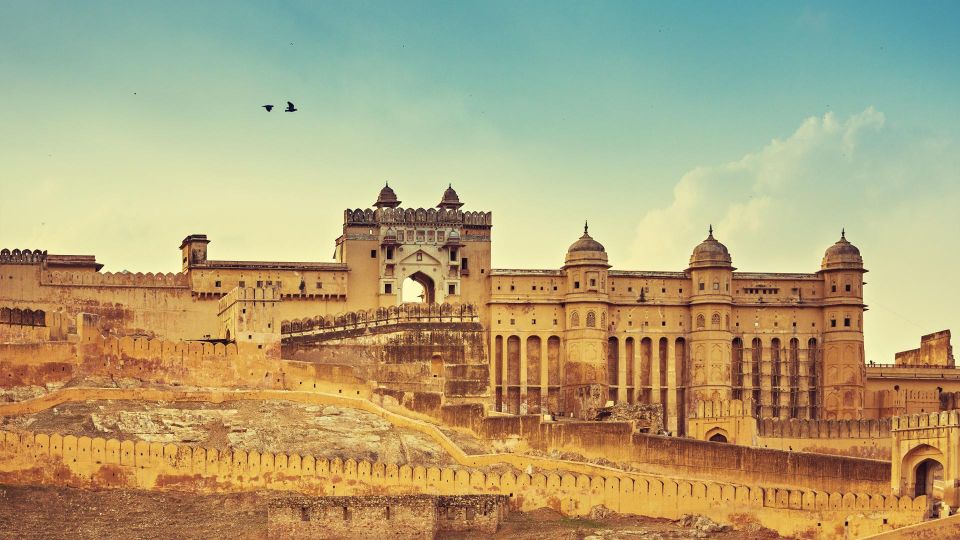
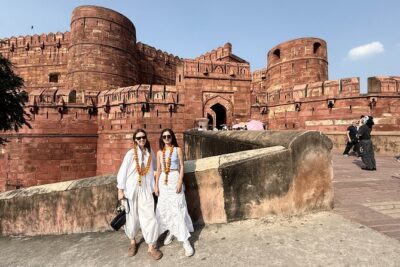
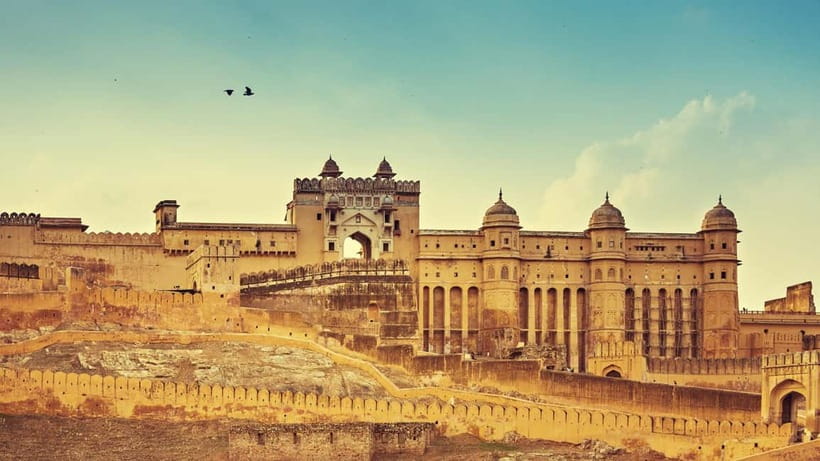
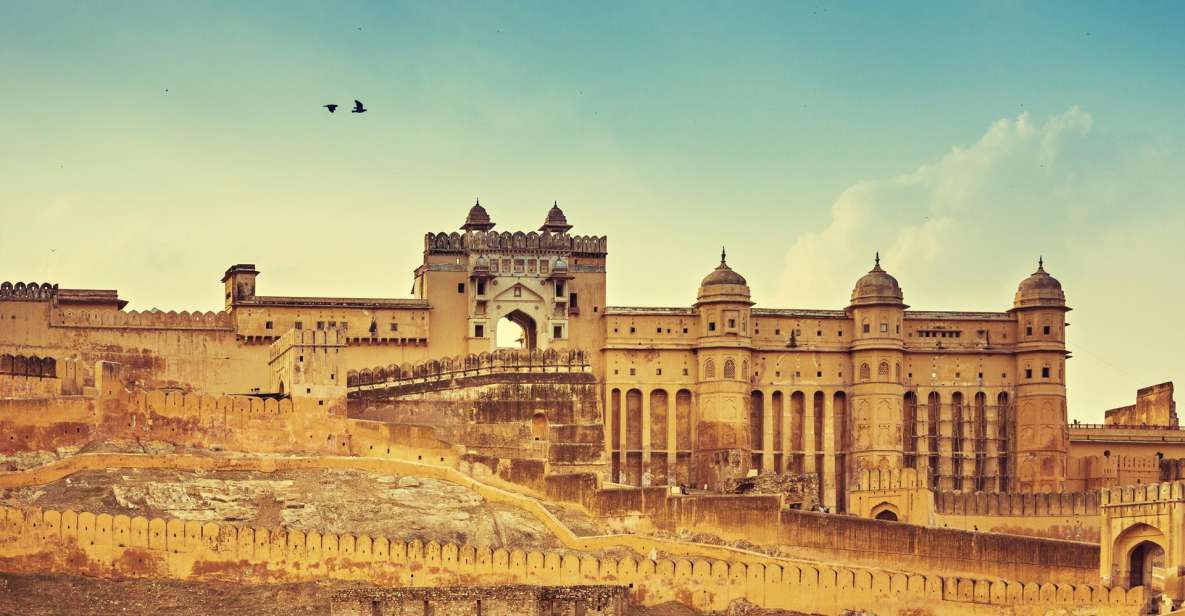
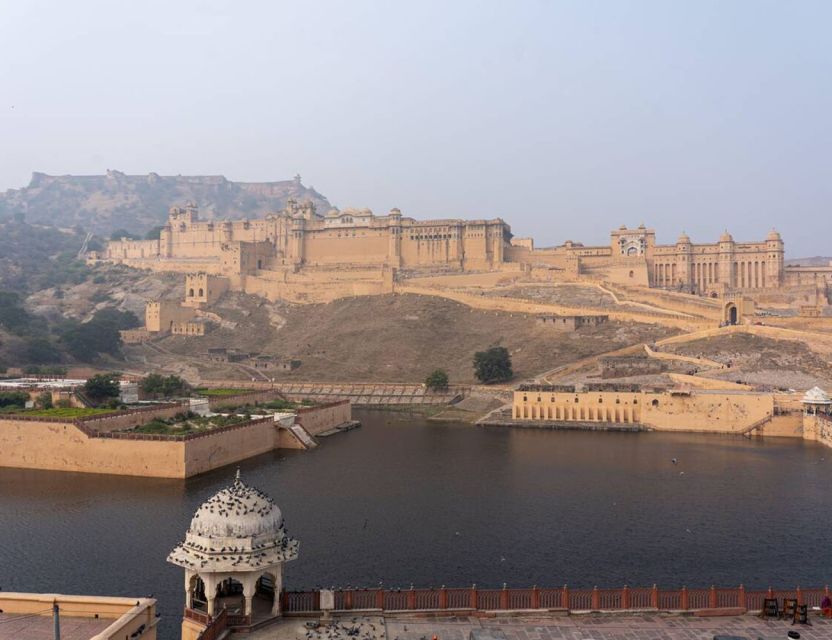
Amber Fort is the first big anchor of the day. You’re looking at a fusion of Hindu and Mughal architectural styles, built in red sandstone and white marble on rugged Aravalli hills outside the city. This is where Jaipur’s “royal” story becomes physical. The walls, the courtyards, and the way the fort sits on the hillside all explain why rulers cared about both defense and display.
I like that the tour gives you about two hours for Amber Fort. That’s enough time to wander beyond the first view, stop for photos, and understand the layout without feeling trapped in a rush.
Right near Amber Fort is Panna Meena ka Kund, a symmetrical stepwell dating to the 16th century. This stop is short, but it’s one of the most interesting because it’s practical engineering disguised as architecture. You’ll see tiered staircases and the logic of water storage that supported life long before modern plumbing.
A small consideration: stepwells and forts can mean stairs and uneven surfaces. If your group moves slowly, it helps that guides like Akram and Imran were praised for patience and accommodating different needs.
Jal Mahal: the floating palace pause
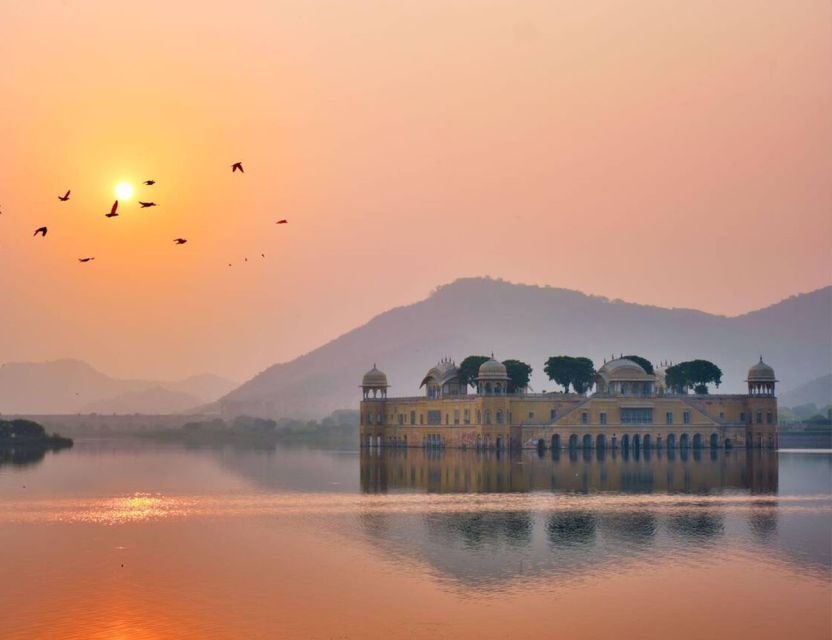
Jal Mahal, the Water Palace, is timed as a calm pause during the drive. It sits in Man Sagar Lake, and from the viewpoint you get that classic idea of the palace seeming to float on the water. It’s not a long visit, but it works because it changes the rhythm of the day from walking to simply looking.
This is also a great photo break. The red sandstone color contrasts with the lake, and the structure gives you angles that feel dramatic even when you’re just standing at a shoreline viewpoint.
Note: this stop is mostly about the view. Don’t expect a full museum-style experience here. It’s a designed “pause,” and that’s exactly why it fits the overall route.
Hawa Mahal: windows for privacy, and shade for you
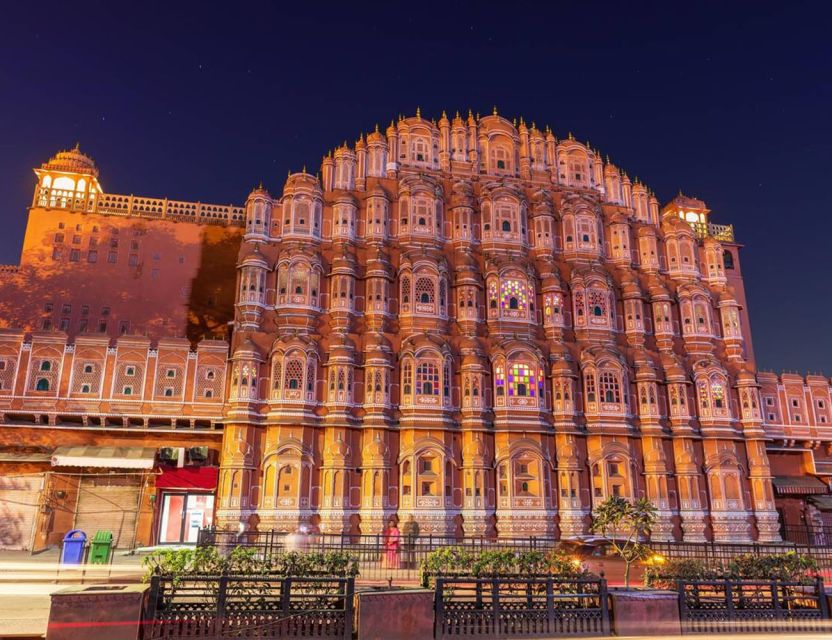
Then you hit Hawa Mahal, the Palace of Winds. The façade is built as a five-story structure decorated with hundreds of windows. The reason behind it is the part that sticks: these windows allowed royal women to observe street life without being fully exposed.
The tour gives about an hour for this area, which is enough to walk around the exterior viewpoint zones and get a sense of how the façade repeats up the building. You also get time to take photos without your guide feeling like you’re abandoning the group.
Practical tip: the windows create strong visual patterns, so take your time with angles. If you’re short on energy, you can still get the main wow factor without doing every possible side route.
You can also read our reviews of more tours and experiences in Jaipur





City Palace: where the royalty story becomes a museum
City Palace is next, and it’s more than one building. It’s a palace complex constructed by Maharaja Jai Singh II, mixing Rajasthani and Mughal architecture, with courtyards, museums, and areas linked to the former royal residence. If you want your Jaipur day to feel more than just forts and photo façades, this is the stop that adds depth.
The guide role matters here. A good guide can point out what you’re seeing in the architectural blend and how the place functions as a cultural center, not just an old house. In the experience records, guides like Tahir and Ashraf were specifically praised for explaining buildings and even current social and cultural issues as you drove through town. That kind of context makes City Palace click.
Budget note: entry tickets are not included in the tour price, so factor that in. Still, skip-the-ticket-line is listed as part of the tour, which can save time at busy entrances.
Jantar Mantar: Jaipur’s big stone astronomy set
Jantar Mantar is the science stop, and it’s also a UNESCO World Heritage site. You’ll see an array of instruments designed for studying celestial bodies, including the world’s largest stone sundial. It’s easy to walk in and feel like it’s just piles of old rocks—until your guide explains what each instrument measures.
You get about an hour here, which is about right. Enough time to understand the main purpose and see how the instruments relate to the sky, without being stuck for hours reading every plaque like it’s a textbook.
If you like history that connects to math, this is a standout. The best part is that the place doesn’t feel like a lecture hall. It’s outdoors, you can point at things, and you can compare how the shapes work together.
Royal Gaitor Tombs: the quieter finale
After the city-center intensity, the Royal Gaitor Tombs provide a calmer ending. These are 18th-century burial tombs for Jaipur’s royals, decorated with delicate carvings and domed pavilions. The tour wraps them in about an hour, including time for photos and a gentle guided walk.
What I like about ending here: the day’s earlier stops are all about power and visibility. Gaitor is about ceremony and remembrance. The carving details are easier to notice without the same crowd pressure you’ll feel at the big icons.
If you’re photographing, keep your camera ready. Even simple angles show dome shapes and carvings that feel different from the fort’s scale.
Lunch, shopping, and using the waiting time well
The day isn’t only monuments. There’s a lunch break and a shopping block built into the schedule, plus time where the guide and driver wait while you explore. Lunch is listed as about an hour, and shopping about an hour.
This is where you can make the tour feel personal. If you want snacks, water, or a quick sit-down, use the lunch window. If you want textiles, jewelry, or crafts, use the shopping time to ask your guide for suggestions that fit your interests rather than just buying whatever is nearest.
In real experiences, guides have helped people find shops away from the most tourist-heavy areas, and some even connected guests with textile or cottage-industry stops. You can treat this as a bonus feature: not required, but useful if you plan to take something home besides photos.
Price and value: how $8 can still feel like a smart deal
This tour is priced at $8 per person for an 8-hour day with hotel pickup, private AC transport, an authorized professional guide, parking fees, fuel, and bottled water. That’s unusually low on paper for a full private day, especially since entry tickets and meals cost extra.
So here’s how I’d think about the value: you’re paying for the structure and the guide brain. The car gets you between sites without losing half your day in logistics. The guide makes the stops meaningful, especially at Amber Fort and Jantar Mantar where interpretation matters.
The only real “gotcha” at this price is that you must still pay for site entry and plan your own meals. Bring some cash or payment method for those costs. Also be realistic: $8 is a budget-friendly rate, so expect a tour that focuses on the essentials rather than a long list of optional upgrades.
Still, the consistent theme in the experiences is simple: punctual pickups, safe careful driving, and guides who show up ready to teach.
Who this tour fits best (and who might struggle)
This is a strong match if you want a full-day checklist that still feels guided. It works well for solo travelers too; multiple experience notes praised the guide for being patient and supportive, including for older travelers who needed slower pacing.
It’s also a good fit for families, because guides were praised for accommodating an elderly pace and handling a toddler with calm patience. That matters, because Jaipur days can become stressful fast if everyone has different energy levels.
Who might struggle:
- Wheelchair users, since it’s not listed as suitable.
- Pregnant travelers, since it’s not listed as suitable.
- Anyone with heavy luggage, because luggage or large bags are not allowed.
For everyone else: bring ID, sunglasses, sunscreen, and sports shoes. Also plan for sun and dust. The tour gives water, but you’ll still want to protect yourself.
Should you book this Jaipur full-day tour by car?
If you want a practical, high-signal day in Jaipur, I’d book it. You’re hitting the big icons: Amber Fort, Panna Meena ka Kund, Jal Mahal, Hawa Mahal, City Palace, Jantar Mantar, and the Royal Gaitor Tombs, all in one route. The private AC transport and guide interpretation are the difference between sightseeing and actually understanding what you’re seeing.
I’d skip it only if you strongly prefer a slower, open-ended exploration style, or if you need accessibility accommodations that aren’t supported by the route. Otherwise, this is a cost-effective way to get your Jaipur priorities covered, learn the meaning behind the visuals, and still have time to pause for photos.
FAQ
How long is the Jaipur full-day sightseeing tour?
It lasts 8 hours.
Does the tour include hotel pickup and drop-off?
Yes. You get pickup and drop-off from your hotel in Jaipur.
What’s included in the price?
Transportation in an air-conditioned sedan/SUV, an authorized professional guide, parking fees, fuel, and bottled water are included.
Are entry tickets included?
No. Entry tickets are not included.
Which places are visited during the day?
You’ll visit Hawa Mahal, Panna Meena ka Kund, Amber Fort, Jal Mahal (view stop), City Palace, Jantar Mantar, and the Royal Gaitor Tombs, with lunch and shopping breaks as part of the schedule.
Is this tour private or shared?
It’s listed as a private group.
What languages are available for the live guide?
English, French, German, Hindi, Italian, Japanese, Portuguese, Russian, and Spanish are listed.
Is the tour suitable for wheelchair users or pregnant travelers?
No. It’s not suitable for wheelchair users and it’s also listed as not suitable for pregnant women.