REVIEW · RANTHAMBORE TIGER SAFARI DAY TRIPS
From Jaipur: Ranthambore Tiger Safari Day Trip with Transfer
Book on GetYourGuide →Operated by Dishika Travel · Bookable on GetYourGuide
Tiger odds, big scenery, one long day. A Jaipur-to-Ranthambore day trip like this packs the essentials: a guided wildlife safari, plus a historical stop inside the park. I like the hands-on feel of a professional naturalist with you, and the fact that you’re riding in open vehicles built for spotting wildlife.
The other thing I really appreciate is the pacing after the safari: you get time for Ranthambore Fort so the day isn’t just sitting and hoping. One drawback to plan around: tiger sightings are not guaranteed, and you don’t always get full control over your exact jeep/zone, since vehicles can be shared with other visitors.
In This Review
- Key Things I Think Are Worth Your Time
- Why a Jaipur-to-Ranthambore Day Trip Works (Even With a Long Ride)
- The Drive From Jaipur: What You’re Actually Signing Up For
- Entering Ranthambore: Open Jeep or Canter, and How You’ll See Animals
- The Safari Mindset: How to Improve Your Odds Without Losing Your Cool
- Ranthambore Fort: A Real Change of Pace Inside the Reserve
- Timing and the Reality of Wildlife Days (Including Shorter Safaris)
- Who the Naturalist and Guide Are For (and Why That Matters)
- Price and Value: Does $82 Make Sense for a Jaipur Day Trip?
- Vehicle Comfort vs. Wildlife Viewing: Jeep vs. Canter
- Who This Day Trip Is For (and Who Should Skip It)
- Final Verdict: Should You Book This Ranthambore Day Trip?
- FAQ
- Where does the trip start and end?
- How long is the Ranthambore safari day trip?
- Is tiger spotting guaranteed?
- What’s included in the price?
- Are meals included?
- Do I need a passport for entry?
- What vehicle will I ride in, and is it private?
Key Things I Think Are Worth Your Time
- Naturalist-led safari with real park talk, not just a quick scan for animals
- Open 4×4 visibility that makes it easier to see wildlife and birds up close
- Hotspot areas you’ll likely drive through, including near Padam Talao and Rajbagh Lake
- A historical break at Ranthambore Fort within the reserve
- Limited control over the specific jeep/zone, because vehicles are shared
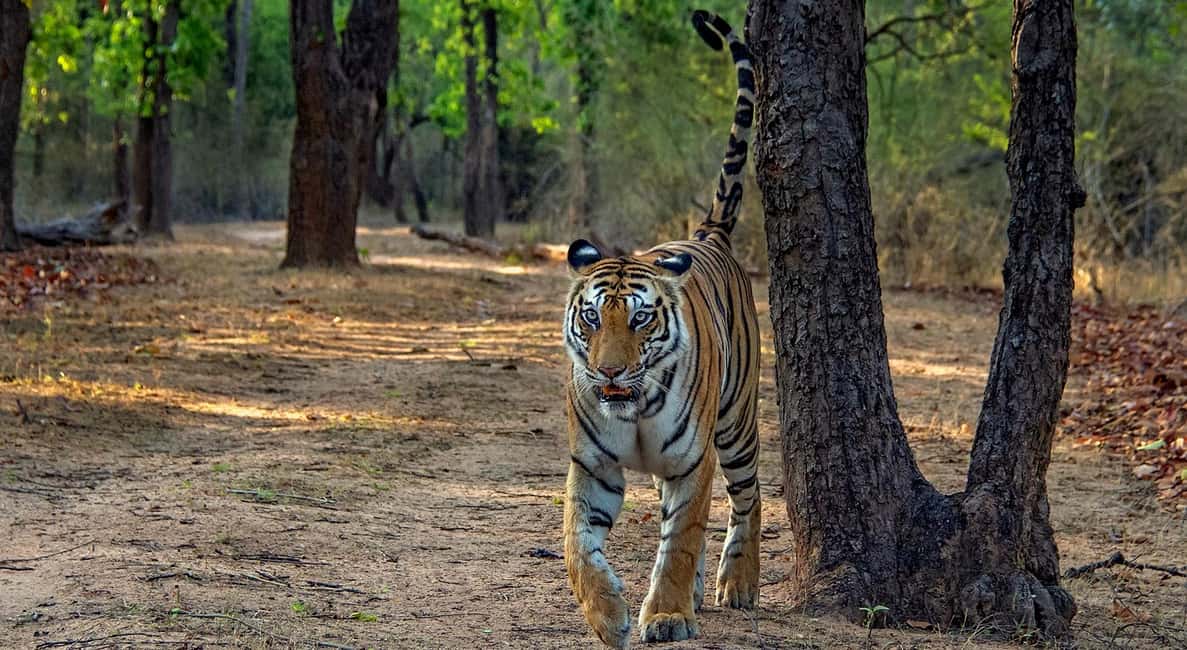
- Tigers are a maybe, since this is a tiger reserve, not a zoo
Why a Jaipur-to-Ranthambore Day Trip Works (Even With a Long Ride)
Ranthambore from Jaipur is a commitment. You’re looking at about a 3–4 hour drive each way, so you’ll spend most of your day either in the car or in the park.
The upside is simple: if you only have one day, this is one of the most direct ways to experience the reserve without planning an overnight. You get a full safari block, plus the chance to add an in-park cultural stop instead of wasting time elsewhere.
This kind of day trip also fits well if you want to do one “big nature day” and still sleep in your own Jaipur comfort at night.
You can also read our reviews of more tours and experiences in Jaipur


The Drive From Jaipur: What You’re Actually Signing Up For
Your day starts with pick-up from your Jaipur location. Transportation is private and air-conditioned, which matters because the drive is long and you’ll want your energy later when you’re watching for movement.
You’ll also have complimentary bottled water during the journey, and your tour includes entry logistics like skipping the ticket line. That reduces waiting time at the park gate, which is helpful when you’re trying to make the most of your limited daylight.
Practical pack list (based on what you’ll face): comfortable shoes you can stand in, a layer for air-conditioned comfort in transit, and sun protection. Also, bring something small to snack on, since meals aren’t included.
Entering Ranthambore: Open Jeep or Canter, and How You’ll See Animals
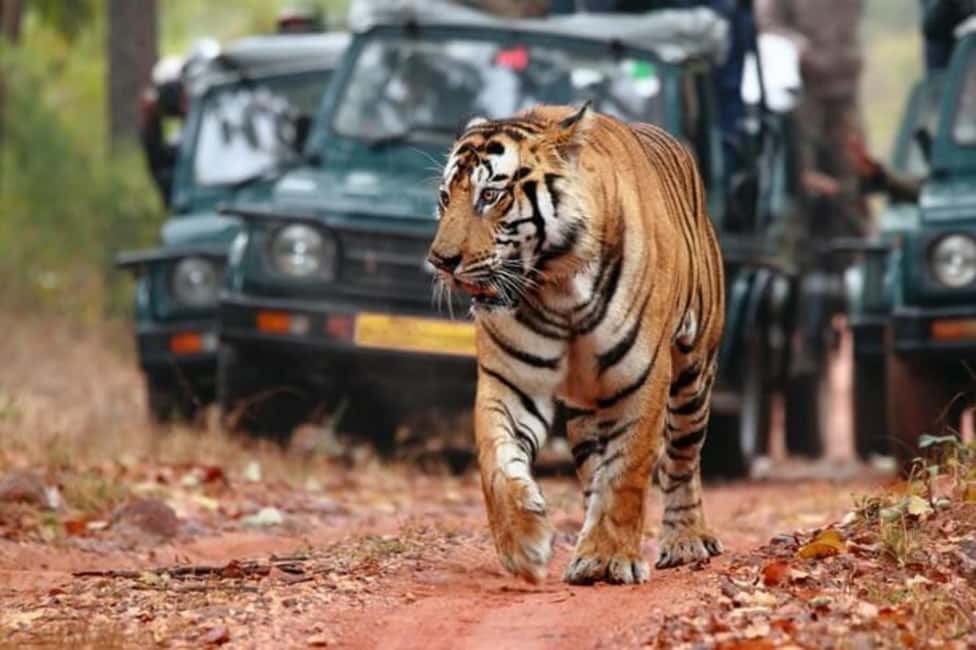
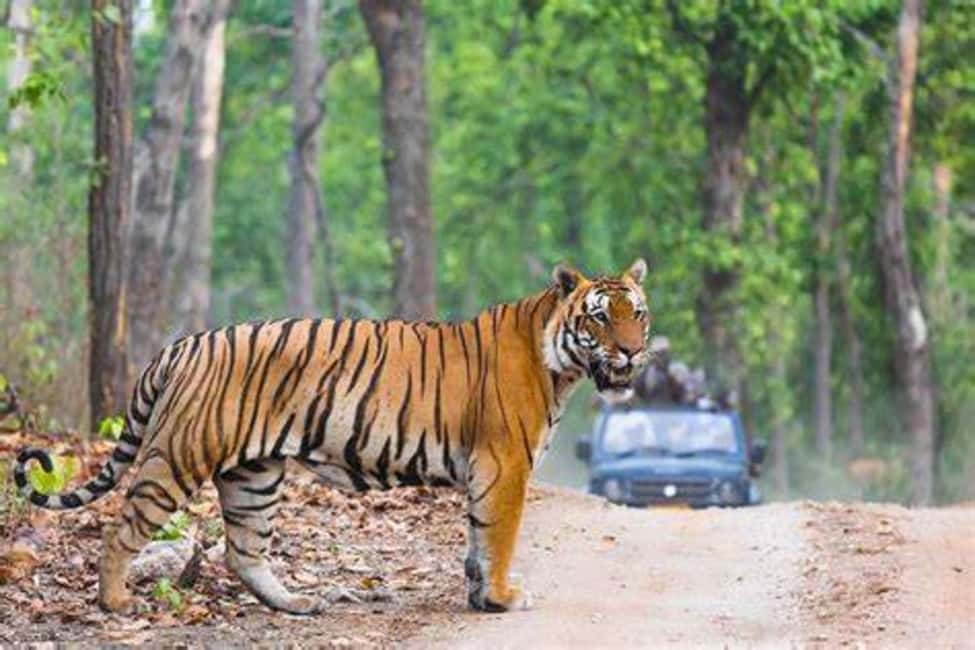
Once you arrive, an expert guide and naturalist take over. Expect a guided safari experience that runs through the park’s mix of dry deciduous forests, grasslands, and lakes—the kinds of habitats where you might see different species on different parts of the route.
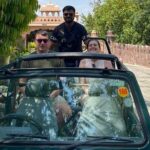
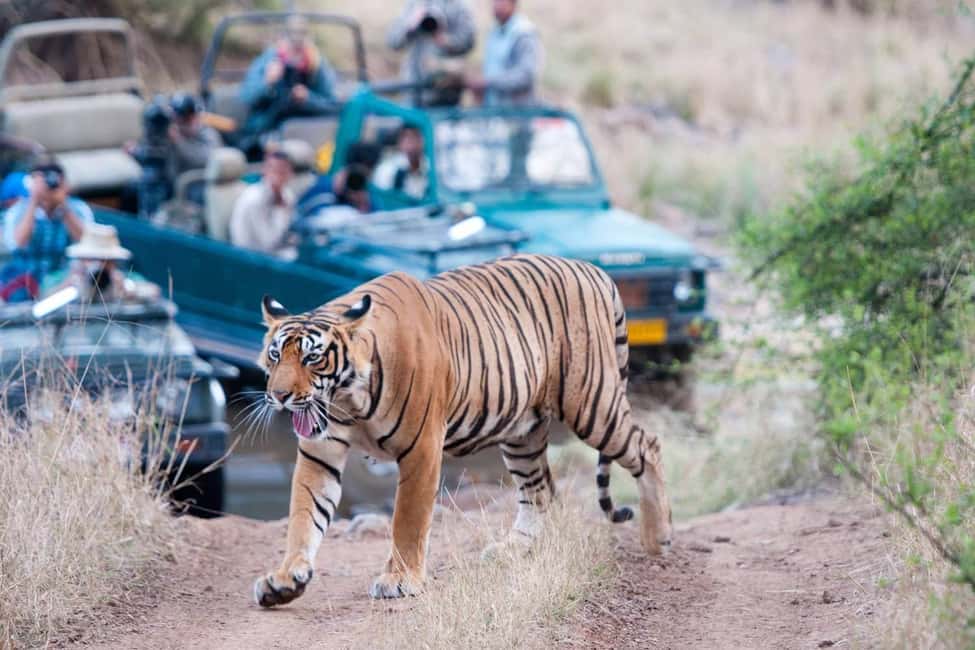
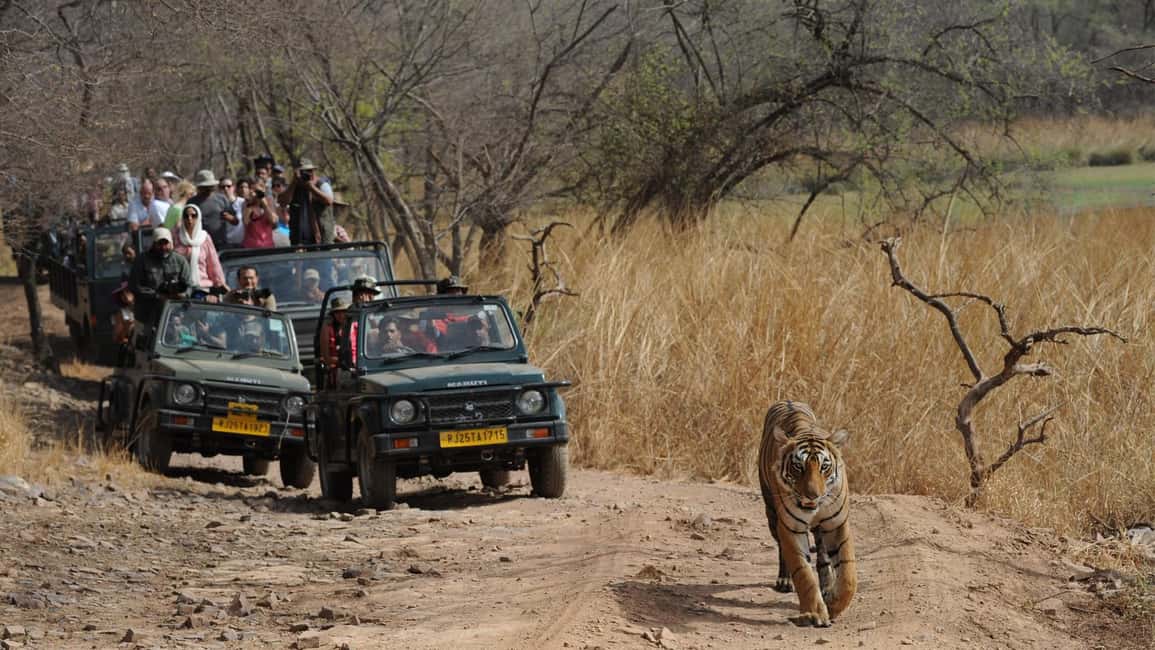
Your vehicle choice affects your experience. Jeeps generally handle up to 6 guests, while canters hold 16–20 guests. Either way, the vehicles are shared with other visitors, so it’s not a private vehicle for just your group the whole time.
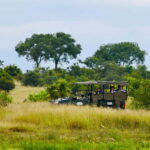
The good part: open 4x4s offer strong visibility. In a wildlife reserve, that matters. You’re not stuck peering through a closed window, and you can scan farther for motion—especially at dawn and late hours.
What you might spot (and what to keep expectations realistic about):
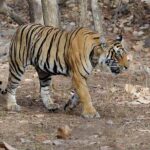
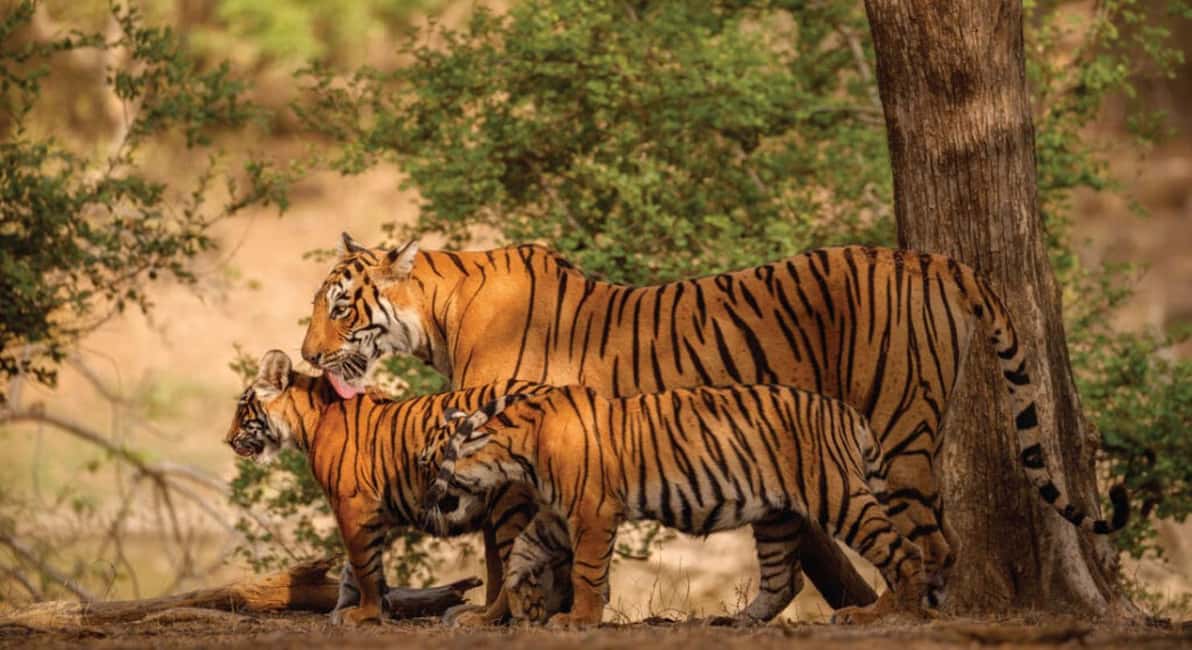
- Tigers (sightings are not guaranteed)
- Leopards
- Deer types like sambar and spotted deer
- Wild boars
- Plus a lot of birds
You’ll often hear the names of specific areas during the safari. In this trip, the park’s tiger sightings are especially associated with places near Padam Talao and Rajbagh Lake, so those areas may be part of what you drive through.
The Safari Mindset: How to Improve Your Odds Without Losing Your Cool
This is a tiger reserve. That single fact changes everything. You can be early, alert, and lucky—and still come up with fewer tiger sightings than you hoped.
So instead of fixing on one animal, I recommend you “watch the system.” Look for patterns: where the vehicle pauses, where the guide focuses attention, and what other animals are doing. The safari includes other wildlife besides big cats, which makes the day worthwhile even if a tiger doesn’t show itself.
A realistic way to enjoy it is to track multiple targets at once: deer in the open, bird activity near water, and any sudden changes in the group’s attention. When the vehicle stops abruptly, it usually means something worth watching is nearby.
Also, expect it to feel slower than a city tour. You’re in prime wildlife time—sometimes animals are visible fast, and sometimes you wait.
Ranthambore Fort: A Real Change of Pace Inside the Reserve
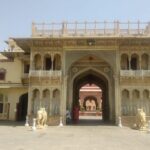
After the safari, you’ll shift from pure wildlife watching to a guided visit within the park: Ranthambore Fort.
This stop is valuable for two reasons. First, it gives your legs and head a break from scanning treetops and grass. Second, it adds context. A tiger reserve isn’t just animals—it’s also people, history, and the way humans shaped the landscape around this region over centuries.
You’ll get guided tour time for sightseeing and photo stops. Think of it as your “story chapter” after the “wildlife chapter.”
Even if you’re primarily there for tigers, this fort visit often becomes the part you remember when you’re back in the car, comparing sightings and stories.
You can also read our reviews of more tours and experiences in Jaipur



Timing and the Reality of Wildlife Days (Including Shorter Safaris)
This whole experience lasts about 12 hours, and you return to Jaipur around 7:00 PM. That means you’re likely dealing with a fixed window in the park and decisions made on the ground by the forest team managing the reserve.
Here’s the consideration that can trip people up: safari time can vary, and you don’t control your exact zone. The vehicle setup is also shared (jeeps with up to 6 people, canters with 16–20), so you’re part of a larger system.
In practice, that means two things:
- You might not get the longest possible drive time you imagine
- You might not be able to choose your specific jeep or route emphasis in the way you’d want
One more note: the tour is operated and managed by the Government Forest Department. That’s good for credibility and regulation, but it also means operations follow park rules, not your personal timetable.
And weather matters. If rain affects the day, the experience can be interrupted, and the data says there are no refunds if the safari is canceled or interrupted due to bad weather.
Who the Naturalist and Guide Are For (and Why That Matters)
You’re not just buying a ride into the reserve. The trip includes a professional naturalist and an expert guide who stays with you and shares insights about the park.
In a place where animals can vanish into cover, good guidance makes a difference. You’ll get help interpreting what you’re seeing—tracks, habitat, animal behavior, and where sightings tend to happen. Even if you don’t get a tiger, you’ll still learn how the reserve works.
This is also where the day feels more “intentional.” The guide can point you toward likely areas (including the tiger-focused zones near the water bodies mentioned earlier) and help you understand why the vehicle is doing what it’s doing.
If your goal is to leave with knowledge, not just photos, this is one of the stronger parts of the day.
Price and Value: Does $82 Make Sense for a Jaipur Day Trip?
$82 per person is the headline price, and for many people it’s reasonable because it bundles several costly pieces together: round-trip transfer, private air-conditioned transportation, park entry ticket, and a guided safari with a naturalist.
It also includes “infrastructure” items most DIY trips forget: all fuel costs, road tolls, and applicable taxes. On paper, that pushes this closer to a “turnkey” day rather than a scramble to coordinate transport and tickets.
What’s not included matters too: meals and beverages are on you. That’s normal for wildlife day trips, but it can affect your total cost if you plan on buying lunch and snacks on the spot.
There’s also a practical value point: you’re skipping ticket lines. When you have a long day, every saved minute helps you use daylight where it matters.
One caution on value: this price doesn’t come with tiger guarantees. If seeing a tiger is your only goal and you’d be disappointed by fewer-than-expected sightings, you should treat this like a wildlife opportunity, not a guaranteed sighting ticket.
Vehicle Comfort vs. Wildlife Viewing: Jeep vs. Canter
The trip can use either an open jeep or an open canter. Both get you into the reserve with strong visibility, but they feel different.
- Jeeps (up to 6) tend to feel more personal and easier for the group to coordinate.
- Canters (16–20) can feel more like a safari bus—more people to manage, but still open-air wildlife viewing.
Because vehicles are shared with other visitors, your comfort level will depend on who’s in the vehicle with you and where you’re seated. If you’re sensitive to crowds or prefer quieter group dynamics, that’s worth weighing before booking.
Who This Day Trip Is For (and Who Should Skip It)
This trip fits best for you if:
- You have only one day and want Ranthambore on the same day as Jaipur
- You enjoy wildlife drives and don’t need a guaranteed tiger sighting
- You want both nature and an in-park historical stop
- You’re comfortable with a long day and a safari schedule that follows park operations
It may not fit you if:
- You need easy access accommodations. The trip is not suitable for people with mobility impairments.
- You’re expecting full control over which jeep/zone you get. Vehicle and zone choices aren’t something you can guarantee with this format.
- You’ll be upset if the safari is shorter than the full “in your head” fantasy of a perfect day.
If you fall into that last group, the day may feel stressful instead of fun.
Final Verdict: Should You Book This Ranthambore Day Trip?
I’d book this day trip if you want a practical, guided way to experience Ranthambore’s wildlife reserve from Jaipur without overnight logistics. The naturalist-led safari, the open-vehicle viewing, and the added Ranthambore Fort stop give you more than “just a drive.”
I would pause before booking if your plan depends on seeing a tiger. Even with smart routing and knowledgeable staff, tiger sightings are never guaranteed because this is a living reserve with real rules.
If you decide to go, set your mindset correctly: expect a wildlife experience with many possible animals, and let the tiger be the bonus. That’s when the day actually feels like a win, no matter what you spot.
FAQ
Where does the trip start and end?
The experience starts with pickup in Jaipur and returns back to Jaipur in the late evening, around 7:00 PM.
How long is the Ranthambore safari day trip?
The total duration is listed as 12 hours.
Is tiger spotting guaranteed?
No. This is a tiger reserve, not a zoo, and wildlife sightings including tigers are not guaranteed.
What’s included in the price?
The trip includes hotel pick-up and drop-off, private air-conditioned transportation, entry ticket to the national park, a guided safari with a professional naturalist, fuel/road tolls/taxes, and bottled water.
Are meals included?
No. Meals and beverages are not included.
Do I need a passport for entry?
Yes. After booking you must send a copy of your passport for park entry formalities, and you should carry your original passport during the safari for verification.
What vehicle will I ride in, and is it private?
You ride in an open jeep or canter. Jeeps typically fit up to 6 and canters fit 16–20, and the vehicles are shared with other visitors (even though the group is private).