REVIEW · JAIPUR WILDLIFE SAFARIS
Jaipur: Jhalana Amagarh Leopard Reserve 4×4 Jeep Safari
Book on GetYourGuide →Operated by Parikshit Tour and travels · Bookable on GetYourGuide
A leopard safari near a city is weirdly special. This one gets you into the Jhalana/Amagarh Leopard Reserve around Jaipur, tucked against the Aravali Hills, with a comfortable ride and a guided hunt that feels hands-on rather than touristy. I especially like the 4×4 jeep style of driving for rough terrain and real wildlife viewing, and I also like the convenience of hotel pickup and drop-off in an air-conditioned vehicle.
The big thing to keep straight is that leopard sightings are not guaranteed. The reserve is run by India’s Government Forest Department, so you’re playing by the animals’ schedule, and money won’t be refunded if you don’t spot leopards on your day.
In This Review
- Key reasons this safari works
- Jaipur’s Urban-Edge Leopard Reserve in the Aravalis
- What the 4×4 Jeep Safari feels like on the ground
- Hotel pickup, timing, and why the hour changes everything
- Wildlife you can actually spot besides leopards
- Guide and driver skills: what you should watch for
- The optional Elephant Village Park: decide before you pay extra
- Photo and comfort tips that actually help in the Aravalis
- Price and value: $60 isn’t just a “seat in a jeep”
- Who should book this safari in Jaipur
- Should you book the Jhalana-Amagarh Leopard Safari?
- FAQ
- Is leopard viewing guaranteed on this safari?
- How long is the jeep safari inside the reserve?
- What’s included in the price?
- What about food and drinks?
- Do I need to bring anything?
- Will there be an elephant-related stop?
- Is smoking allowed during the trip?
- What should I do after booking to get entry?
Key reasons this safari works
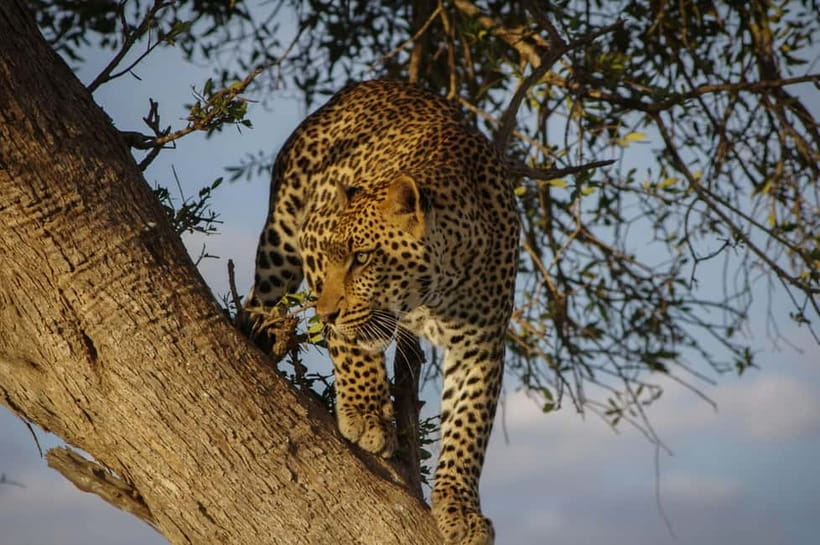
- Urban access, real wild habitat: You’re still deep in the Aravali hills, not just a zoo-style outing.
- 4×4 Gypsy driving for visibility: Rugged vehicle routes help you stay in the action and grab better angles.
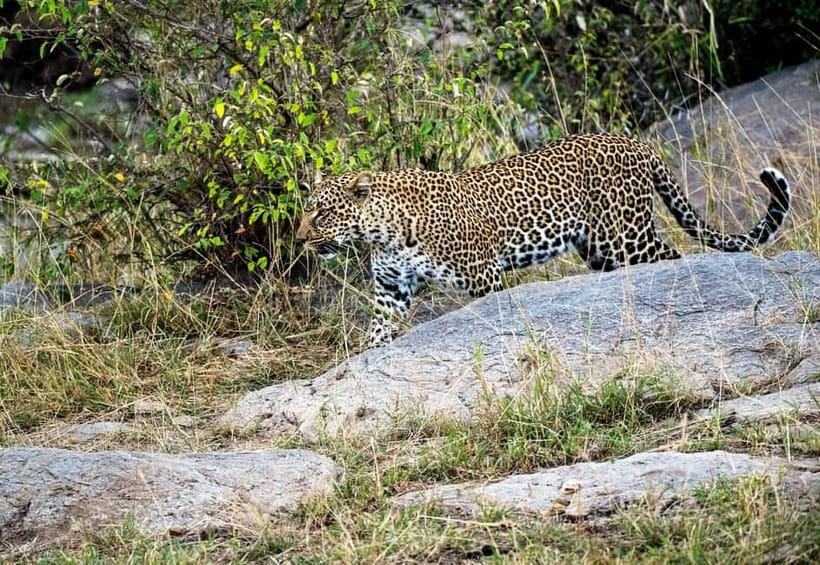
- Serious wildlife variety: Besides leopards, there’s a strong chance of seeing spotted deer, hyenas, civets, jackals, foxes, and lots of birds.
- Guides who chase sightings: Names like Vinay, Yogesh, Ashok, and Singh keep showing up in positive experiences for spotting and positioning.
- You get a structured outing without hassle: Separate entrance and private transport cut down on stress and waiting.
Jaipur’s Urban-Edge Leopard Reserve in the Aravalis
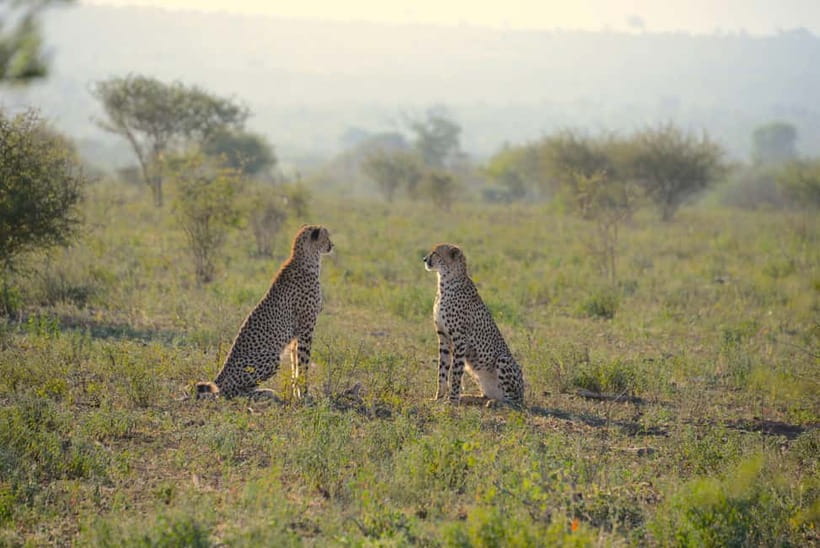
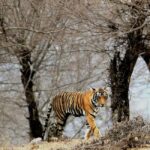
Jhalana/Amagarh is one of those rare wildlife setups that makes you rethink distance. You’re in Jaipur, but the reserve sits against the Aravali Hills, India’s oldest mountain range, so the terrain has that mix of scrub, shade, and cover that predators actually use.
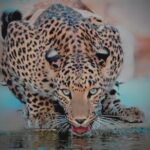
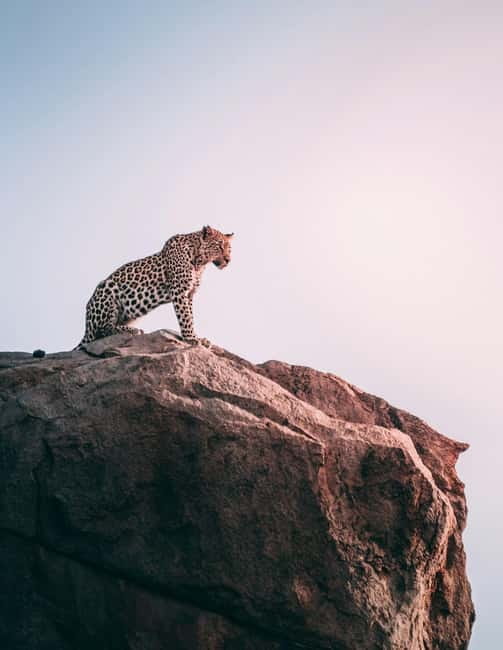
This matters because leopards don’t behave like a theme-park animal. They move through brush, pause at cover, and use routes people can’t see from a road. The reserve hosts 70+ leopards and 5 cubs, which tells you you’re not visiting a token habitat. You’re visiting a place where leopards are part of the system.
Also, the safari is operated by the Government Forest Department, not a random third-party show. That doesn’t magically guarantee a sighting, but it does mean the rules, routes, and entry process are aligned with how the reserve is managed.
You can also read our reviews of more tours and experiences in Jaipur
What the 4×4 Jeep Safari feels like on the ground
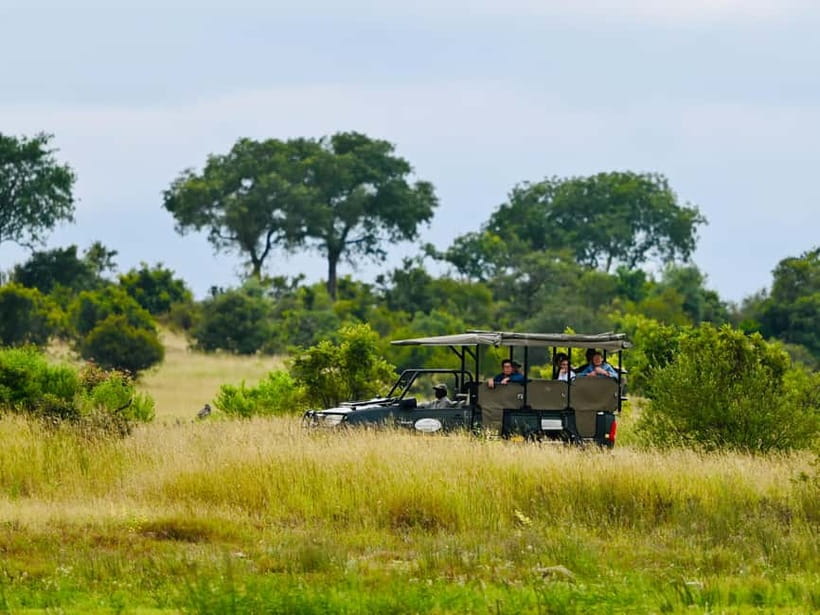
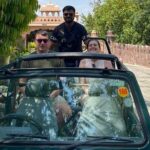
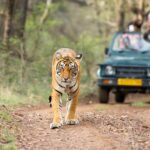
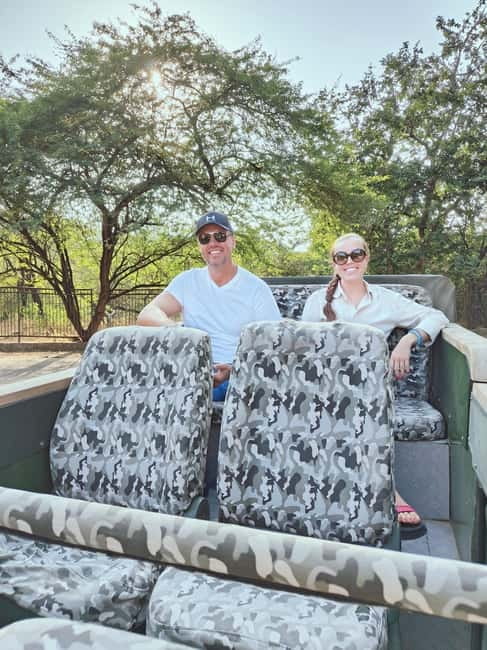
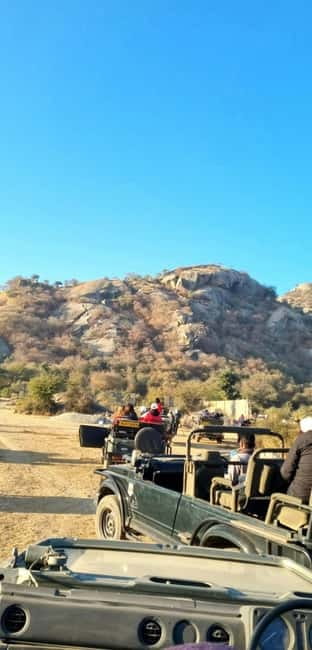
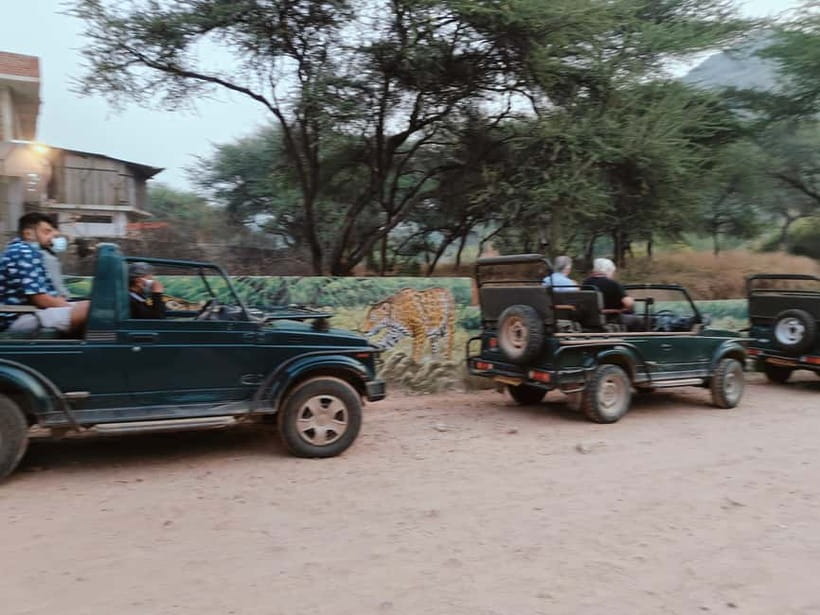
The ride is a big part of why this experience is worth doing, even if you don’t catch the perfect leopard moment. You’ll go in a 4×4 safari jeep (Gypsy) built for uneven terrain. That means the vehicle can reach into areas with cover and follow signs of activity without turning the drive into a bumpy ordeal.
In practice, you’ll spend the core wildlife time inside the park for about 2:15 to 2:45 hours, with the rest of the day filled by transfers and optional add-ons. That time window is long enough to be patient, scan carefully, and adjust when sightings happen.
One real-world note: jeep seating can be tight. One review flagged limited room because vehicles take 3 people per row, which can feel cramped if you’re tall or carry a camera bag. If you’re sensitive to space, pack light and keep your gear organized.
Hotel pickup, timing, and why the hour changes everything
This tour is designed for low friction. You get hotel pickup and drop-off in an air-conditioned vehicle, and you go to the reserve with fewer logistics headaches than trying to sort local transport yourself.
Timing is everything here. Reviews mention early morning trips in late February feeling cold on the safari, even when Jaipur itself is warm. So even if you’re in sun all day, bring layers for the jeep time—hat, light jacket, and something you can throw on fast.
Weather changes animal behavior too. On rainy days, animals may hide, and sightings can drop. That’s not a guide failure; it’s wildlife timing. If you’re flexible, consider booking when you have at least a little buffer in your schedule. If the weather turns, you’ll want to be mentally ready for a different mix of wildlife than “leopard at watering hole” fantasy.
Some drivers and guides also build in small extras, like quick stops near the Monkey Temple area, especially if the schedule allows. Don’t count on a specific stop every time, but it’s clearly part of how some teams handle downtime between moments.
Wildlife you can actually spot besides leopards
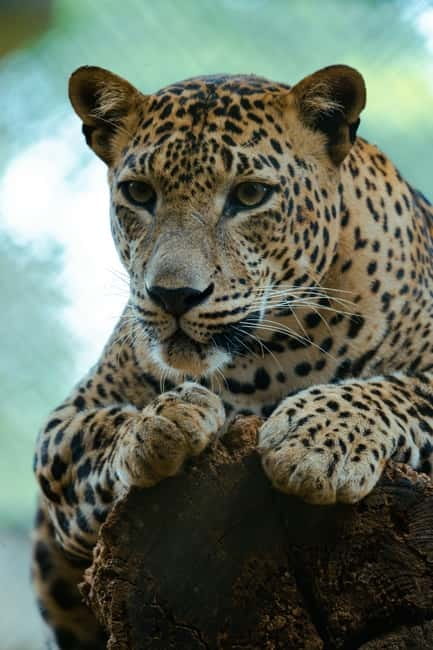
Yes, the headline is leopard. But the smarter way to approach this reserve is to treat leopards as the “bonus,” not the entire score.
The park is known for a wide range of species, including:
- Striped hyenas (one of the standout animals people are excited to see)
- Indian civets
- Desert cats and jungle cats
- Desert foxes and jackals
- Porcupines, jungle rats
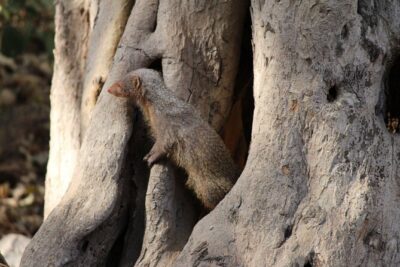
- Monitor lizards and mongooses
- Sambar deer and spotted deer (chital)
- Blue bull (nilgai)
- Plus a variety of snakes
In other words, even on days when the leopard clock doesn’t cooperate, you’re not stuck watching nothing. Reviews include sightings of hyenas, peacocks, deer, antelope, birds, and even memorable close-in leopard encounters when the guide is able to read the terrain and wait in the right spot.
That “wait in the right spot” part is where the guide’s skill shows. Several experiences praised guides for seeing through brush, judging animal movement, and positioning the jeep so you can photograph without blocking other vehicles.
Guide and driver skills: what you should watch for
A leopard safari lives or dies on micro-decisions. Should we stop now or keep rolling? Is that movement a bird or a big cat sign? Which direction are tracks pointing? That’s what you’re paying for beyond transport.
From the positive experiences, a few guide and driver names come up repeatedly:
- Vinay: praised for dedication, quick problem-solving on a rainy day, and staying focused on sightings.
- Singh (multiple drivers with Singh in the name): praised for punctuality and smooth positioning for photos.
- Yogesh: noted for tracking and using local knowledge to find leopards.
- Ashok: described as an excellent spotter, helping make leopard sightings possible for at least one early-morning group.
- Ganesh and Rajendra: mentioned as careful, comfortable drivers who knew the reserve.
Even if you don’t meet the exact same person, the takeaway for you is practical: choose a day with a guide team that actively scans, communicates, and doesn’t treat the drive like a sightseeing bus route. If your driver is patient and the jeep stops align with signs on the ground, your odds improve.
Language note: drivers can be English and Hindi, so if you rely on explanations, it helps to pick up a few key terms and ask short questions.

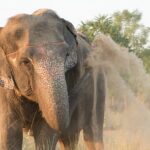


The optional Elephant Village Park: decide before you pay extra
The tour can include an Elephant Village Park visit if you choose that option. But activity with elephants is not included.
Some people love elephant stops as part of a broader wildlife day, but you should go in with your eyes open. One review strongly warned against paying for a more expensive elephant sanctuary package, claiming it felt overpriced and they pushed visitors toward certain paid activities.
Here’s how I’d handle it: if you add the elephant option, treat it like a menu. Ask what’s included in the base add-on, what costs extra, and what you can do without paying for interaction. Keep it simple: walk, observe, and only pay for what you genuinely want.
If you’re specifically trying to keep the day centered on cats and native wildlife, you can also treat the elephant segment as optional and focus on the jeep time in the reserve.
Photo and comfort tips that actually help in the Aravalis
A camera is obviously useful, but your setup matters more than gear brand. The reserve is brushy, and light shifts fast with morning shade and afternoon sun.
Bring:
- A camera (phones are fine too, just protect them in dust)
- Binoculars (this is one of the best ways to spot movement before it’s obvious)
- Water (a water bottle is included)
- Comfortable clothes and a layer for cold mornings
One more tip from real timing: in winter, early morning can be colder than you expect. A late-February safari was described as cold even though Jaipur felt warm. If you hate bulky jackets, bring a packable one and a cap/hat you can wear on rough bumpy stretches.
When leopards are spotted, you’ll want stable footing and fast framing. Ask the guide to tell you when to look, then wait. Many of the best leopard moments happen during patience, not during sprinting after a fleeting glimpse.
Price and value: $60 isn’t just a “seat in a jeep”
At around $60 per person, this safari is priced like a practical day-trip package, not just the entrance fee. What you’re really paying for is the mix of:
- Hotel pickup/drop-off by private air-conditioned vehicle
- Park entry and tolls/parking
- A safari jeep experience in the reserve
- Taxes
- A guided structure that helps you actually find animals and position for photos
If you’re a pure budget traveler, you should know one review pointed out that park entrance is inexpensive and you could go independently by taxi. That can cut cost, but it also removes a lot of the “who knows where to go” advantage.
So here’s the value math I’d use: if you want less hassle, comfortable transfers, and the benefit of a guide who’s tuned to the reserve routes, the package price can feel fair. If you’re comfortable figuring things out yourself and you’re chasing only the cheapest option, going solo might work—but you’re betting on your own route confidence.
Also remember the leopard guarantee isn’t part of the deal. There’s no refund if you don’t see leopards, so decide based on whether you’re happy enjoying the reserve even on a leopard-light day.
Who should book this safari in Jaipur
This is a great fit if:
- You want wildlife viewing near Jaipur without managing complicated logistics.
- You enjoy patience in nature and can handle uncertainty.
- You like the idea of a private group and a dedicated vehicle.
- You’re serious about photography and want help positioning in a jeep.
It’s not a great fit if:
- You have animal allergies (explicitly listed as not suitable).
- You need a guaranteed leopard sighting, because even with 70+ leopards, sightings can’t be promised.
If you’re a solo traveler, several experiences highlighted feeling safe with punctual, communicative drivers. If you’re traveling with a partner or friends, the private vehicle setup keeps the experience focused and less crowded than large group tours.
Should you book the Jhalana-Amagarh Leopard Safari?
I’d book it if you want a well-run wildlife day that’s easy to slot into Jaipur and gives you real time in a leopard reserve. The combination of private transfers, 4×4 jeep safari, and guides who actively try to find cats makes it feel like an actual experience, not a ticket you forget.
But I’d pass or change expectations if you only care about leopards and get stressed by “not guaranteed” realities. Treat leopards as the top prize, and plan to enjoy the rest of the reserve too—especially hyenas, deer, birds, and the general rhythm of a functioning predator habitat.
If you do book, go prepared for cold early mornings, bring binoculars, and ask for positioning when wildlife appears. That’s where your day gets turned from routine into memorable.
FAQ
Is leopard viewing guaranteed on this safari?
No. Leopard sightings cannot be guaranteed, and you won’t receive a refund if leopards are not seen.
How long is the jeep safari inside the reserve?
The safari time inside the park is about 2:15 to 2:45 hours, with additional time for hotel pickup and drop-off.
What’s included in the price?
It includes hotel pickup and drop-off by private vehicle, safari park entrance charges, 4×4 jeep safari, tolls/parking, taxes, a water bottle, and (if chosen) a private 4×4 Gypsy safari. An air-conditioned vehicle is included for pickup and drop-off.
What about food and drinks?
Food and drinks are not included, so you’ll need to plan for meals on your own.
Do I need to bring anything?
Yes. You should bring a camera and binoculars (binoculars are specifically recommended), plus comfortable clothes and water.
Will there be an elephant-related stop?
An Elephant Village Park visit may be included if you choose that option, but activity with elephants is not included.
Is smoking allowed during the trip?
No, smoking is not allowed.
What should I do after booking to get entry?
You need to send your passport details via WhatsApp or email after booking so the entry can be arranged.