REVIEW · JAIPUR WILDLIFE SAFARIS
Jhalana Panther Safari Park Tour in Jaipur
Book on Viator →Operated by World Of Wilders · Bookable on Viator
Leopards are a short ride from Jaipur. This Jhalana safari is a practical 2.5-hour wildlife outing in open 4×4 vehicles with a naturalist, and it already bundles the permits and still-camera fee into the price. The one catch: sightings are wild and seasonal, so you should treat the panthers/leopards as a bonus, not a promise.
What makes it easy to fit into a Jaipur itinerary is the scheduling. You can choose a morning or afternoon departure, and the tour can include pickup close to the park entrance area. Still, this is a real safari run—so weather and grass growth can change what you see.
I’d also plan your packing around the season. Winter can get cold (down to about 2°C), summers run hot (hat and goggles help), and rainy months mean more mosquitoes and thicker cover.
In This Review
- Key things to know before you go
- Jhalana Leopard Reserve: why this safari feels special near Jaipur
- Price, time, and what $45 really covers
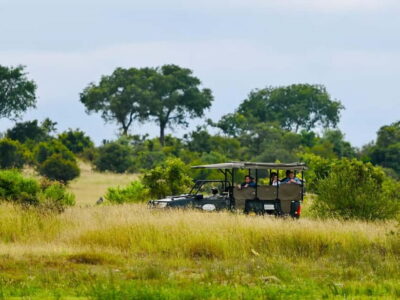
- Open 4×4 safari vehicles: what the ride is like
- Naturalist commentary: how it improves your odds (and your enjoyment)
- Permits, camera fees, and the Interpretation Centre stop
- Morning vs afternoon: choosing the departure that fits your day
- Wildlife you’re likely to seek: panthers, leopards, and more
- Seasonal packing: winter cold, hot summers, and rainy mosquitoes
- Logistics that matter: pickup radius, meeting point, and after-safari drop
- The common “watch-out” issues: when the experience doesn’t match expectations
- 1) Leopard sightings are never guaranteed
- 2) Vehicle numbers and the small feel of the route
- 3) Language and guide style can vary
- 4) Weather can reduce visibility
- Who should book this safari (and who should skip it)
- Should you book the Jhalana Panther Safari Park Tour?
- FAQ
- How long is the Jhalana safari experience?
- How much does it cost?
- What’s included in the ticket price?
- Is pickup included from Jaipur hotels?
- Do I need to buy a camera ticket separately?
- How big is the group?
- Can I choose a morning or afternoon departure?
- What wildlife can I hope to see?
- Is it refundable if my plans change?
- What should I wear by season?
Key things to know before you go
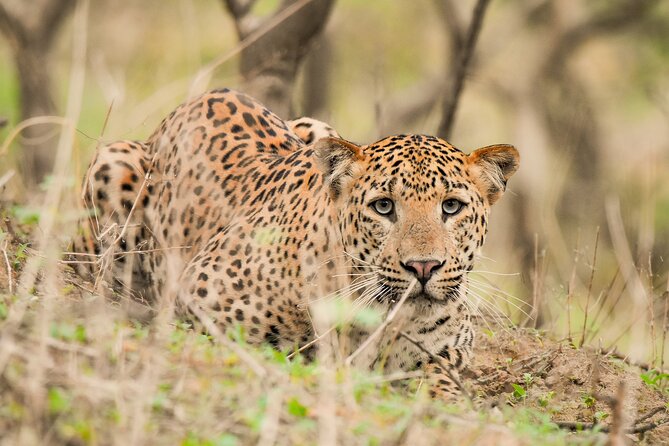
- Open 4×4 safari ride through the reserve with on-vehicle guidance from a naturalist
- Permits + still camera fee included, so you’re not hunting down extra add-ons at the gate
- Short, focused timing (about 2 hours 30 minutes) with a morning or afternoon option
- Small group size (maximum 6 travelers), which usually means less crowding in your vehicle
- Interpretation Centre visit included, good for understanding what you’re likely seeing
- Sighting probability varies by season, and leopards aren’t guaranteed even in prime habitat
Jhalana Leopard Reserve: why this safari feels special near Jaipur
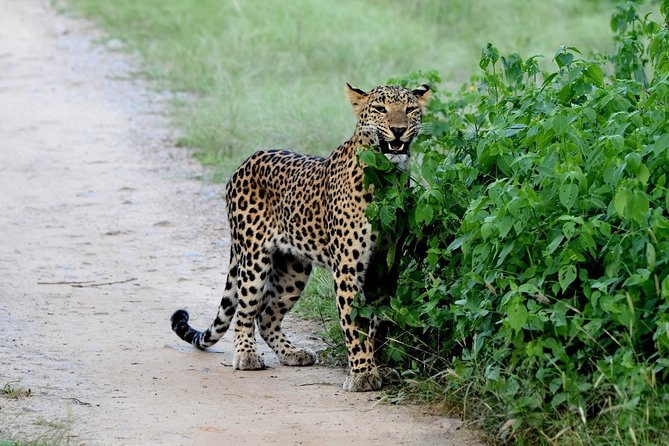
Jhalana Panther Safari Park is one of those places that surprises people because it’s close to a major city. You’re not spending your whole day driving out to some far-off wilderness. Instead, you get a short wildlife window where the reserve is right there at Jaipur’s doorstep—urban edge, real animal habitat.
The big value is that the experience isn’t just a vehicle ride. You’re on an open 4×4 with a naturalist who helps you notice what you might otherwise miss: tracks, movement patterns, birds in the canopy, and the small signs that predators are nearby (even if you don’t see them immediately). You also get a planned Interpretation Centre stop as part of the included time, which gives context before you’re out in the vehicles scanning for motion.
This is also a place where the “panther vs. leopard vs. hyena vs. fox” idea matters. The reserve supports multiple species, so your safari isn’t only about one animal. That makes the experience feel fuller if the leopard sightings take time.
You can also read our reviews of more tours and experiences in Jaipur


Price, time, and what $45 really covers
At about $45 per person, this is priced like a budget-friendly wildlife add-on—but with a few important inclusions that make it better value than many “pay-at-the-gate” safaris.
Here’s what’s included in that price:
- All safari permits
- Permit management
- Visit to the Interpretation Centre
- Still camera fees
So you’re not scrambling for paperwork once you get there, and you’re covered for basic photo use with a still camera.
The time commitment is also reasonable. You’re looking at about 2 hours 30 minutes total on the safari experience itself. For Jaipur, that’s a sweet spot: long enough to take the full ride and scan for wildlife, but short enough that you still keep your day flexible for forts, bazaars, and temples.
One more practical note: this is often booked ahead (around 35 days on average). That doesn’t mean you can’t find space, but it does mean you should plan early if your dates are fixed.
Open 4×4 safari vehicles: what the ride is like
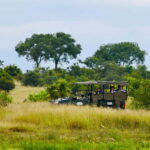
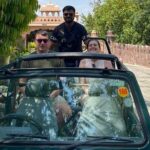
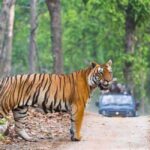
Your ride is in an open 4×4 vehicle. That matters more than it sounds. Open seating helps you see and photograph wildlife without that “window glare” problem, and it also makes the naturalist’s spotting cues easier to follow because you’re moving slowly enough to process what’s in front of you.
The typical flow is:
- You head to the safari entry area using open 4×4 vehicles from the city area.
- At the gate, the driver brings you into the process and the naturalist joins you for the safari run.
- You spend the safari time looking for animals, then you’re dropped back after the experience.
Seats and comfort can vary by vehicle, but a common detail from operations like this is that the safari vehicles are limited in capacity. Here, the max group size is 6 travelers, which is a good sign if you want a calmer ride rather than a crowded one.
Photo-wise, treat the safari like a “wait and react” activity. Wildlife might appear briefly, then vanish into grass or behind trees. So be ready to shoot quickly without dropping your camera or changing your battery at the wrong moment.
Naturalist commentary: how it improves your odds (and your enjoyment)
A wildlife safari lives or dies by attention. The naturalist helps you do that—turning “we drove around” into something you can actually learn from.
In practice, naturalist-guided safaris tend to work best when you let the guide’s eyes lead yours. The good part is that the naturalist can point out animals and birds you might never notice from the road. They can also explain the behavior you’re seeing—why something is moving, why it’s hidden, and why it might be out at certain times.
If you’re lucky, your vehicle can connect with other vehicles on a sighting. There are accounts of a driver reacting quickly when another jeep spotted an animal, then moving fast so the group could have the best shot. That kind of coordination is exactly the advantage of being on a safari where drivers and staff are actively watching for wildlife.
And even when sightings are sleepy (literally, in some cases), the naturalist commentary still makes the ride feel like more than a coin toss.
Permits, camera fees, and the Interpretation Centre stop
One of the easiest ways to waste time on safari day is gate friction: unclear documentation, surprise fees, and confusion over what’s allowed.
This tour reduces that stress. It includes all safari permits and handles the permit management, plus the still camera fees. That’s a real quality-of-day improvement, especially if you’re traveling with a tight schedule in Jaipur.
The Interpretation Centre visit is the other underrated inclusion. Wildlife viewing can be frustrating when you don’t understand what you’re scanning. A centre stop gives you a quick foundation—so when you spot a shape in the brush or a bird perched high up, you have a better chance of recognizing what you’re seeing and why it matters.



Morning vs afternoon: choosing the departure that fits your day
This safari gives you a choice of morning or afternoon departures. You’ll generally pick based on your energy and what else you want to do in Jaipur.
- Morning works well if you want to start the day fresh and keep evening plans open.
- Afternoon works well if you prefer a slightly slower start and want to pair the safari with late-day sightseeing.
There’s also a wildlife logic. Predator movement and animal visibility can shift with light, heat, and grass thickness. The key point is simple: sightings are never guaranteed, and the reserve changes by season.
So choose the slot that fits your schedule best, then adjust your expectations for animal activity based on weather and time of year.
Wildlife you’re likely to seek: panthers, leopards, and more
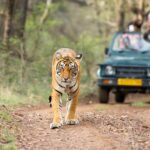
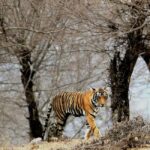
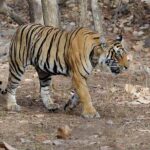
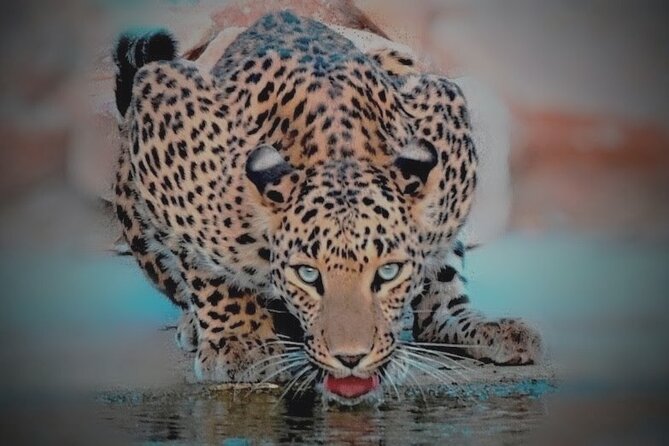
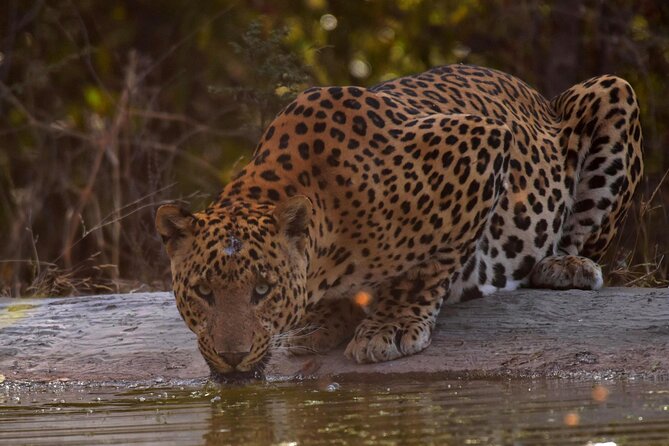
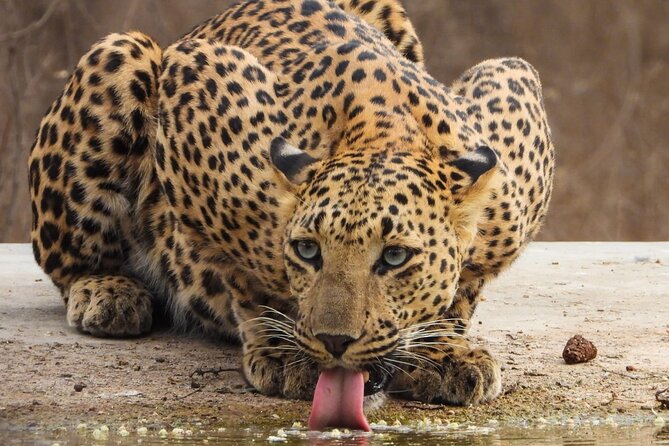
The park is known for predators like panthers and leopards, and it also supports animals such as hyenas and desert foxes, plus other wildlife and birds.
That variety is helpful because it gives you multiple ways to have a good safari, even if the moment you came for takes longer. Sometimes the animals you see are part of the same story—tracks, scat, birds calling, or a predator’s presence indirectly through what other animals are doing.
Still, plan for the reality of wildlife photography: a leopard or panther might be in view but sleeping, far away, or partially hidden. You might also have days where the safari feels quiet simply because animals aren’t in the most visible places.
If seeing a leopard or panther is your top goal, pick this safari—and then give yourself patience. This is a reserve, not a zoo.
Seasonal packing: winter cold, hot summers, and rainy mosquitoes
This is a safari where clothing actually changes your comfort.
- Winter (Nov–Feb): temperatures can reach around 2°C, so bring warm layers.
- Summer (Apr–Jun): it’s hot. Bring a hat and goggles if you’re sensitive to glare and dust.
- Rainy season (Jul–Aug): rains are scanty but mosquitoes become a factor. Wear full-length clothes to reduce bites.
Also remember you’re in an open vehicle. Even if the midday air is pleasant, the ride can feel cooler or windier than you expect.
Packing tip: keep one small pouch with sunscreen, lip balm, insect repellent (for rainy months), and a light layer. Safari day is not the time to search through your bag.
Logistics that matter: pickup radius, meeting point, and after-safari drop
The tour offers pickup within a limited area: free pickup is offered from within 5 miles (8 kilometers) of the park entrance.
There’s also an extra cost mentioned for pickup and drop when you’re farther out: after 8 kms from the safari entry gate, hotel pickup/drop can be $35.
So if you’re staying near Jaipur’s Malviya Nagar area (or anywhere relatively close), this is likely to feel simple. If your hotel is farther, you’ll want to confirm exactly how the transfer is handled before booking so you don’t end up paying for a late change.
Your start point is listed around the World Of Wilders area with a central road reference near Malviya Nagar Industrial Area (Rajasthan 302018). Your experience ends back at the meeting point.
If you like predictability, screenshot the meeting details and arrive a little early. Safaris are short, and you don’t want to lose time.
The common “watch-out” issues: when the experience doesn’t match expectations
This is where I keep it honest so you can decide confidently.
1) Leopard sightings are never guaranteed
Even with the reserve’s reputation, predators are wild. Some trips run with great sightings; some trips don’t. That’s not a “marketing trick,” it’s wildlife reality.
2) Vehicle numbers and the small feel of the route
Because this is an accessible reserve near a city, you may notice other safari vehicles out on the same routes. If your ideal safari is remote and quiet, this might not fully match that fantasy.
Also, some people feel the active route is more like dirt roads and waterholes than a long wilderness trail. It can still be fun, especially if you catch a predator moment, but your expectations should be realistic.
3) Language and guide style can vary
The tour is described with naturalist commentary, but if you’re picky about English-only explanations, you should be aware that not all guides may match your language needs perfectly. The best approach: focus on what you can see and learn from the way the naturalist scans, not just on the exact language spoken.
4) Weather can reduce visibility
Rainy months can bring thicker grass and changes in animal visibility. Even when animals are present, spotting can be harder, and sound can be muted by weather.
Who should book this safari (and who should skip it)
You’ll likely love this if:
- You want a short safari day without giving up the rest of Jaipur.
- You care about wildlife viewing in natural habitat (not just animals in captivity).
- You appreciate guidance and want a naturalist to help you spot and interpret.
You might skip it if:
- You need a guaranteed leopard sighting.
- You’re upset by the idea of other vehicles being present in the same reserve.
- You’re looking for a long, wilderness-style trek rather than a focused safari ride.
This is also a solid choice for couples and solo travelers who want an easy, guided way to see wild predators near a city.
Should you book the Jhalana Panther Safari Park Tour?
If you’re in Jaipur and want a real wildlife experience without committing a whole day to travel, I think this is a strong booking.
The reason is value and practicality: permits and the still-camera fee are included, you get an open 4×4 ride, and the Interpretation Centre adds learning so you’re not just scanning in the dark. Plus, with a small maximum group size (up to 6), the experience usually feels manageable.
Just book with the right mindset: this is a wildlife safari, so sightings depend on the animals and the conditions. If you treat the leopard/panther moment as a bonus, not a requirement, you’ll be much happier with whatever the reserve offers.
FAQ
How long is the Jhalana safari experience?
It runs for about 2 hours 30 minutes (approx.).
How much does it cost?
The price is listed as $45.00 per person.
What’s included in the ticket price?
All safari permits, permit management, a visit to the Interpretation Centre, and still camera fees are included.
Is pickup included from Jaipur hotels?
Pickup is offered for free within 5 miles (8 kilometers) of the park entrance. Round-trip transfer upgrades from Jaipur hotels are available, and pickup/drop after 8 kilometers from the safari entry gate is listed as $35.
Do I need to buy a camera ticket separately?
No. Still camera fees are included.
How big is the group?
The tour/activity has a maximum of 6 travelers.
Can I choose a morning or afternoon departure?
Yes, you can choose from morning or afternoon departures.
What wildlife can I hope to see?
The safari is described as a chance to see panthers and other wildlife such as leopards, hyenas, desert foxes, and more.
Is it refundable if my plans change?
No. It is non-refundable and cannot be changed for any reason.
What should I wear by season?
Winters can be cold (up to about 2°C), summers are hot (hat and goggles recommended), and in rainy months (Jul–Aug) wear full-length clothes to help avoid mosquitoes.