REVIEW · PRIVATE CITY SIGHTSEEING TOURS
Jaipur: Half-Day Guided Sightseeing Tour with Flower Market
Book on GetYourGuide →Operated by Rajasthan India Tour Driver · Bookable on GetYourGuide
Jaipur feels like a movie set you can actually walk through. This half-day tour is built around big landmarks, plus a rare early start at the flower market and a hands-on stop at a block-printing warehouse. You get a tight route with photo time and guiding, without trying to swallow the whole city in one morning.
Two parts I like a lot: the 7:00 AM flower market lanes and the craft stop where you can watch traditional block printing in action. Guides also get praised for keeping the pace steady and for practical help around the sights, like answering questions and sorting out what’s worth your time.
One thing to keep in mind: monument entrance fees are not included, and you’ll do moderate walking. If you’re the type who prefers long, slow museum-style visits, this tour will feel more like a fast, well-organized highlight run.
In This Review
- Key things that make this tour worth your time
- A 7:00 AM flower-market start that sets your itinerary up right
- How the tour moves: private pace, tuk-tuk or AC car, and skip-the-ticket-line
- Hawa Mahal, City Palace, and the Jantar Mantar area in a tight morning route
- Gaitor Ki Chhatriyan: a quieter stop with royal cremation-ground meaning
- Jal Mahal photo-stop timing: why 15 minutes can be enough
- Block-printing warehouse visit: watch tradition, not just souvenirs
- Amber Fort and Ramgarhmode: closing with big views
- Price and value: what $4.61 per person usually means in practice
- Who should book this Jaipur half-day tour (and who might not)
- Should you book? My straight answer
- FAQ
- What time does the tour start and how long is it?
- Where can I be picked up and dropped off?
- Is this a private tour?
- What kind of transport do I get?
- Are monument entrance fees included?
- Does the tour include skipping ticket lines?
- What should I wear and bring for visits?
- Is there much walking?
- Are meals included?
- What cancellation options are available?
Key things that make this tour worth your time
- 7:00 AM flower market walk for the best light and the most “real-life” atmosphere
- Private guide and driver with steady pacing and time for photos
- Iconic Jaipur trio: Hawa Mahal, City Palace, and a stop at Jantar Mantar area
- Royal Gaitor / Gaitor Ki Chhatriyan for a quieter, more solemn side of Jaipur
- Jal Mahal photo stop that works even in a short day
- Block-printing warehouse visit where you see the process on fabric up close
A 7:00 AM flower-market start that sets your itinerary up right

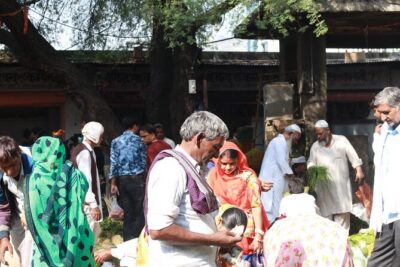
Starting at 7:00 AM is the smartest move on this whole plan. The flower market is where you see Jaipur beyond the postcard look. You’ll take a walk through the market lanes (about an hour), with time for photos and a guided tour as you move from stall to stall.
What I’d tell you to do here is simple: go early enough that your camera isn’t fighting midday glare. You’re also more likely to catch the market rhythm before the crowds thicken and before everyone starts rushing for their next stop. The best part is that this section isn’t just a quick photo moment. It’s a guided look at how the market works, with the scents and colors doing most of the work for you.
If you’re traveling in a group where one person wants architecture and another wants everyday life, this stop helps both sides feel happy. A few past guides—like Imran, Vinodh, and Adil—get called out in reviews for making this part smooth and clear, especially with English explanations.
You can also read our reviews of more guided tours in Jaipur

How the tour moves: private pace, tuk-tuk or AC car, and skip-the-ticket-line
This is a private group half-day tour, and that matters more than you’d think. You’re not stuck behind a wave of people, and you can actually use the guide to ask questions or get help timing photo stops. Multiple reviews mention pacing that stays calm—no frantic sprinting from monument to monument.
Transport is another practical bonus. You can use a private tuk-tuk or an air-conditioned car, depending on your preference. Either way, you’ll have a driver plus a guide team (drivers show up in reviews as especially professional about safe street navigation). And yes, you get bottled water, which helps when you’re bouncing between locations.
Also look for the benefit that the tour says you can skip the ticket line. That doesn’t mean you’ll never face any entry formalities, but it should cut down time spent waiting at gates—valuable when your full schedule is only about five hours.
Hawa Mahal, City Palace, and the Jantar Mantar area in a tight morning route

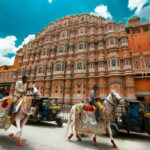
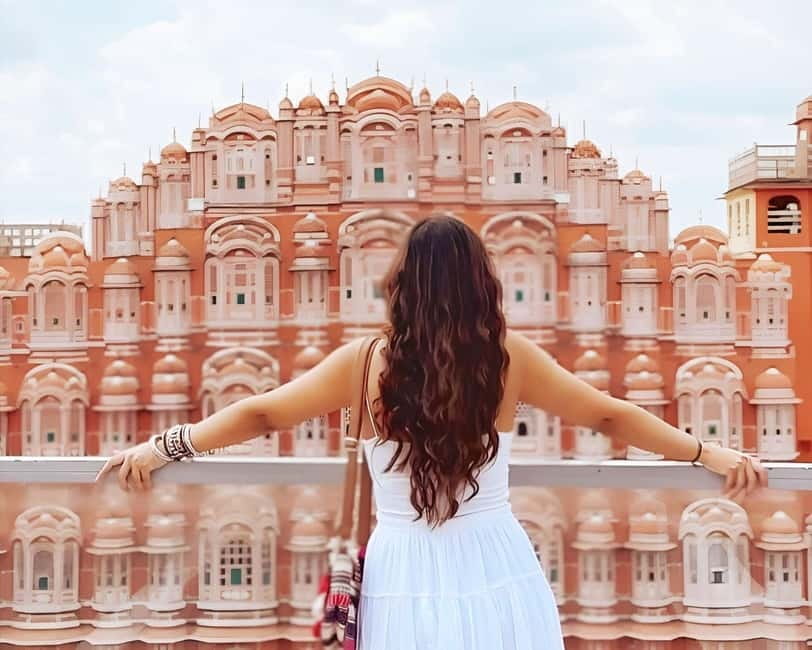
The classic Jaipur monuments show up in a sensible order. You’ll get a brief Hawa Mahal stop (about 15 minutes) for photo time plus a guided visit. It’s short by design: the goal is to let you see the famous facade and understand why it looks the way it does, without turning this into a long sit-down.
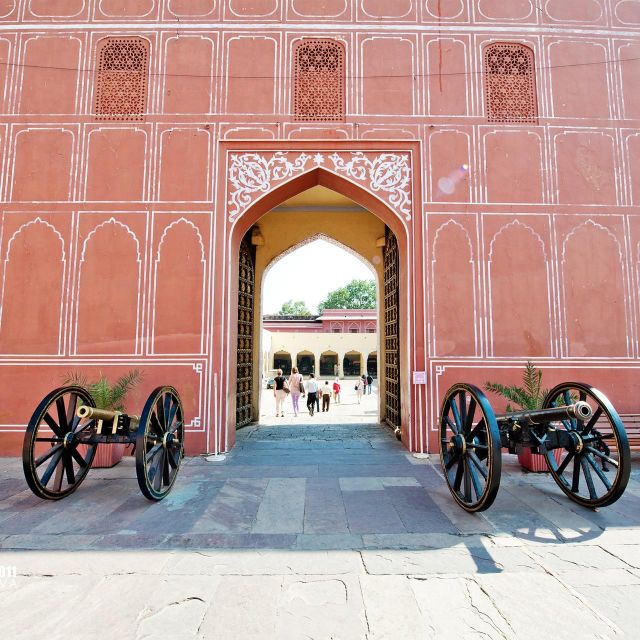
Next comes City Palace, where you spend about an hour. This stop is more than “look at buildings.” City Palace is your anchor for how Jaipur’s royal power and design language fit together. The tour plan also points you toward Jantar Mantar, located opposite City Palace, which gives you a nice balance: palace + astronomy/geometry-adjacent architecture in one stretch.
The practical payoff for you: this is one of the easiest ways to get oriented fast. If it’s your first time in Jaipur, this cluster helps your brain connect the city’s layout to what you’re seeing. Guides in past bookings—like Khalid, Narendra, and Ali—are repeatedly praised for explaining context in clear English and for keeping the experience organized.
Possible drawback: since City Palace and the surrounding area can be busy at peak times, your time depends on how quickly lines and entry flow move. The tour’s “half-day” format helps, but you still should keep your expectations realistic for short visits.
Gaitor Ki Chhatriyan: a quieter stop with royal cremation-ground meaning

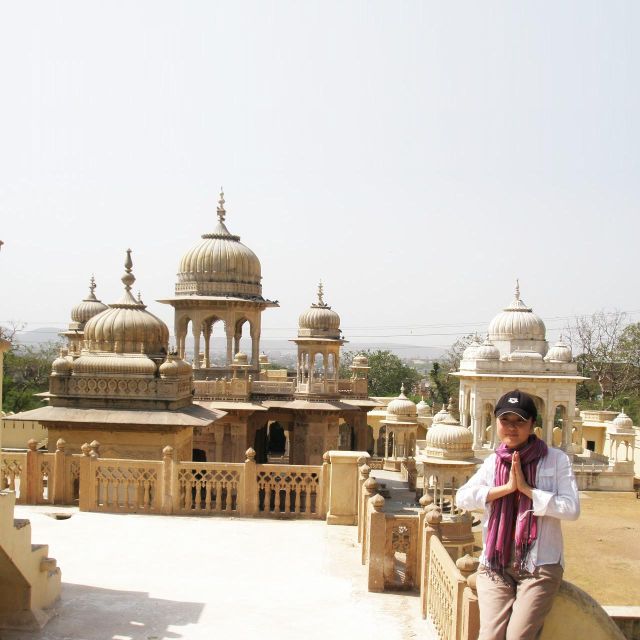
After the market and Hawa Mahal, you’ll move to Gaitor Ki Chhatriyan (also referred to as Royal Gaitor Tumbas in the tour description). This is a very different kind of sight than palaces. The tour frames it as the cremation ground of the Kachwaha Rajput rulers of Jaipur, which makes the chhatris feel more ceremonial and solemn.
Why this stop works in a short itinerary: it slows the story down. Jaipur often gets presented as bright and grand, but this site adds a side of the city tied to tradition and remembrance. You’ll have around 30 minutes, with photo time and guided context.
If you like your travel photos with meaning, this is one you’ll want to take seriously rather than just rushing through. The architecture is the reason to look, but the purpose behind it is what gives it weight.
Jal Mahal photo-stop timing: why 15 minutes can be enough
Jal Mahal is a “there it is” moment. The tour plan describes it as a palace sitting in the middle of Man Sagar Lake. You’ll have about 15 minutes for a photo stop plus visit time.
Here’s how to use that time well: decide before you arrive what you want most—wide shots, people-free frames, or an angle that shows the lake setting. With only a short slot, you’ll get better photos if you’re focused instead of wandering for an extra 10 minutes.
Also, Jal Mahal is a perfect breather between bigger, more detailed forts and palace stops. You’ll feel the shift from dense architecture to a more open view across water. Many reviews focus on how guides keep the schedule smooth, and Jal Mahal is one of those moments where the route design helps you stay on track.
You can also read our reviews of more shopping tours in Jaipur






Block-printing warehouse visit: watch tradition, not just souvenirs
This is the part I’d highlight for your “what will I remember later?” list.
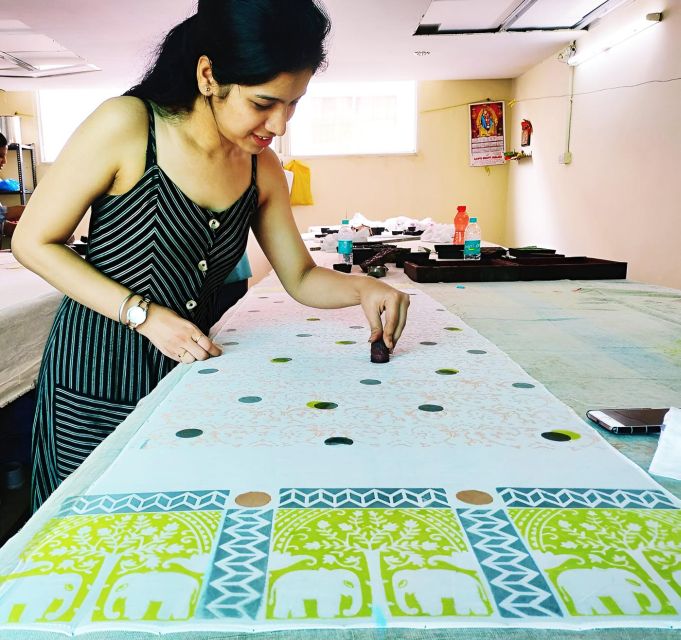
The tour includes a visit to a hand block printing warehouse, where you can watch artisans work with traditional fabric printing techniques. You’re not just seeing finished products. The experience is described as learning about the history and the process, with time to observe the craft in action.
What to look for while you’re there:
- how the blocks align and repeat patterns
- how ink is applied for consistent results
- how artisans handle the step-by-step workflow
One of the nicest things that comes up in reviews: visitors often mention no pressure to buy. People describe feeling comfortable and guided through explanations without being pushed into shopping. That matters because craft stops can sometimes turn into hard-sell experiences. Here, the tone you’re likely to get is educational first.
If you like textiles, wedding attire culture, or you just enjoy seeing how everyday items are made, this stop makes the tour feel more personal. In multiple reviews, guides were praised for explaining fabric and jewelry-related craft details too, not only the monument facts.
Amber Fort and Ramgarhmode: closing with big views
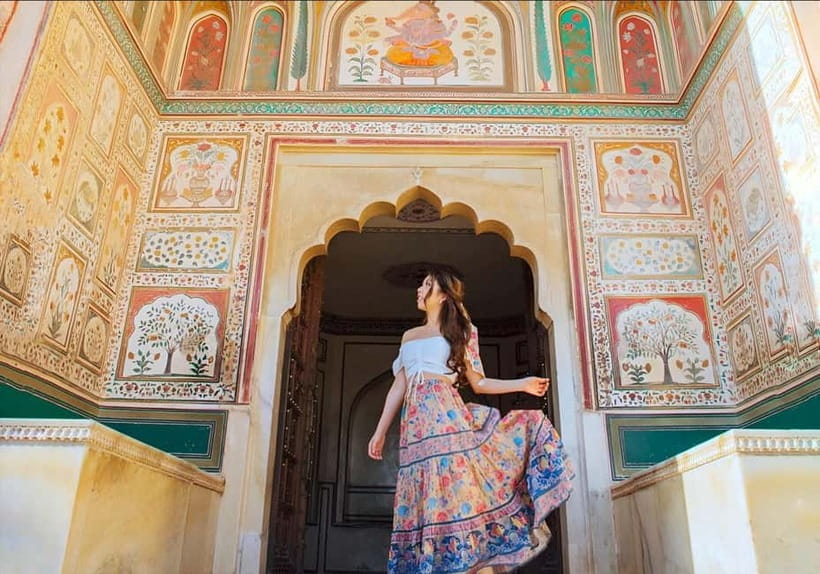
The tour rounds out with Amber Fort (about an hour) and then Ramgarhmode (about 30 minutes). Amber Fort is the “yes, it’s iconic” stop. You’ll get a guided visit with photo time and a walk section, and it’s often the moment people mention as a highlight because the setting and scale hit all at once.
Ramgarhmode is the quieter follow-up. The tour plan doesn’t go into extra detail here, but the time allocation suggests it’s another viewpoint or heritage area used to keep the finale interesting after the main fort.
A practical note from how these tours tend to run: fort areas often involve uneven ground and stair climbs. You’ll want comfortable shoes, and if you’re sensitive to heat or walking, pace yourself early at Amber so you’re not rushing at the end.
Reviews also mention help for navigating Amer Fort for certain groups, including setups with extra assistance. You can treat that as a good sign that guides will try to make the fort time work for your pace.
Price and value: what $4.61 per person usually means in practice

At the listed price ($4.61 per person), the big value is that you’re paying for a private five-hour sightseeing circuit with transport, water, and a guide. The tour also lists GST and fuel/taxes as included.
The key tradeoff is also clearly stated: entrance fees to monuments are not included. So your real trip cost depends on ticket prices at each site. If your budget is tight, plan for that extra line item.
That said, compared to paying for individual guides or trying to piece together transport plus skip-the-line benefits, this format is built for efficiency. If you want maximum “Jaipur impact” in a short morning, the structure is the value. If you’re planning a longer stay and already have a strong plan for monument tickets, you might prefer spending your money on fewer stops with more time.
Who should book this Jaipur half-day tour (and who might not)

This tour is a strong fit if:
- you’re short on time but want the major landmarks connected together
- you want one authentic-feeling market morning, not just monuments
- you care about crafts and textiles enough to watch block printing
It may not suit you as much if:
- you want long time inside each monument
- you dislike walking on uneven ground (there’s moderate walking)
- you’re planning to spend most of your day inside museums or shops rather than sightseeing
Also, the tour’s dress code is smart casual, and it specifically warns against short shorts or sleeveless tops in temples. You’ll feel better if you pack something that covers shoulders and legs.
Should you book? My straight answer
If you want a well-paced introduction to Jaipur in about five hours, I’d book this. The combination is hard to beat: the flower market at 7:00 AM, major sights like Hawa Mahal and City Palace, and a meaningful craft stop for block printing.
But if you’re allergic to “short stop, quick photos” schedules, then you might want a longer tour instead. The only real budget risk is monument entrance fees, since they’re not included.
If you do book, I suggest you arrive with comfortable shoes, plan for separate ticket costs, and bring a flexible mindset. This tour works best when you let the route do its job and when you use the guide for context while you’re there.
FAQ
What time does the tour start and how long is it?
The tour starts at 7:00 AM and runs for about 5 hours.
Where can I be picked up and dropped off?
Pickup and drop-off options include Jaipur and Kukas. You’ll choose from the listed options.
Is this a private tour?
Yes. It’s a private group half-day city tour.
What kind of transport do I get?
You’ll travel by private tuk-tuk or by an air-conditioned car, with the option available depending on your choice.
Are monument entrance fees included?
No. Entrance fees to the monuments are not included.
Does the tour include skipping ticket lines?
The tour states it includes skipping the ticket line.
What should I wear and bring for visits?
Wear comfortable clothes and comfortable shoes. For dress code, smart casual is requested, and short shorts or sleeveless tops are not recommended for temples. Bring a passport or ID card.
Is there much walking?
Yes, there is a moderate amount of walking involved.
Are meals included?
No meal or lunch is included.
What cancellation options are available?
Free cancellation is available up to 24 hours in advance for a full refund, and you can reserve now and pay later.