REVIEW · ELEPHANT SANCTUARY EXPERIENCES
Elefun Best Elephant Sanctuary in Jaipur
Book on GetYourGuide →Operated by Elefun Activities And Tours · Bookable on GetYourGuide
Elephants here do not perform. Elefun Elephant Sanctuary in Jaipur is built around ethical elephant care, with time to meet the herd, hand-feed, and learn how daily life works for rescued animals.
Two things I like a lot: you get a genuine sanctuary-style program (no riding, just respectful interaction), and the day includes hands-on activities like feeding and painting. One watch-out: the elephant washing and shower can be skipped in cooler months—October to March—because of the weather.
In This Review
- Elefun Elephant Sanctuary: what makes it different in Jaipur
- A practical heads-up
- The 3-hour flow: meet, feed, paint, walk, and handle the weather
- Pickup, welcome drinks, and getting on elephant time
- Hand-feeding and elephant diet lessons (the bonding part)
- Elephant painting with natural, skin-friendly paints
- Walking alongside elephants (and why it matters)
- Elephant washing and shower: what to expect by season
- Tea, guided tour, and a little free time to reset
- Rescued herd, individual attention, and caretaker-led care
- Price and value: is $60 for 3 hours a good deal?
- Who should book Elefun, and who might rethink it
- Practical tips so your day stays comfortable
- Languages and communication
- Drop-off back to your Jaipur plans
- Should you book Elefun Elephant Sanctuary in Jaipur?
- FAQ
- How long is the Elefun Elephant Sanctuary experience?
- Where is pickup available?
- Is hotel drop-off included?
- What activities are included?
- Are elephant rides offered?
- When is the elephant shower not available?
- What should I bring?
- Is the tour wheelchair accessible?
Elefun Elephant Sanctuary: what makes it different in Jaipur

Jaipur has plenty of elephant experiences, and not all of them are kind. What I appreciate about Elefun is the clear welfare focus: you’re meeting elephants in a dedicated sanctuary environment, with caretakers involved in daily care. The setting aims to feel eco-friendly for the animals, not like an attraction built on speed.
The program is also designed for real learning. Before you do anything hands-on, you’re introduced to how the elephants behave and how trust is formed. You’ll see that the routine isn’t about you controlling the moment—it’s about giving the elephants space and letting interactions happen in a safe, calm way.
A practical heads-up
If you’re picturing a full elephant shower, plan for the possibility that it won’t happen in October–March. The washing portion can be adjusted based on cold weather, so pack for interaction that might be wetter—or might be more sun-and-paint focused.
You can also read our reviews of more tours and experiences in Jaipur.



The 3-hour flow: meet, feed, paint, walk, and handle the weather
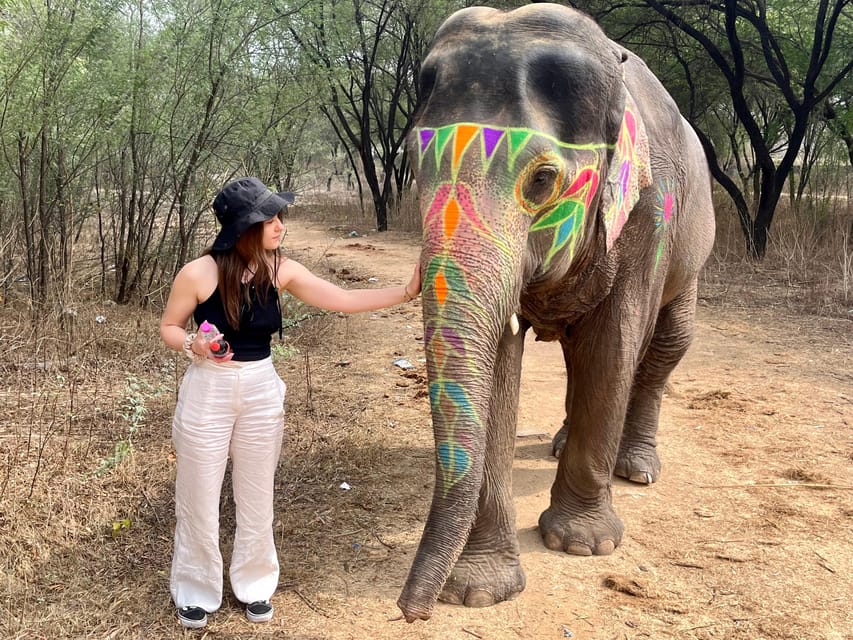
This is a 3-hour experience that moves in a steady order, so you’re never left wondering what comes next. You’ll start with hotel pickup, arrive at the sanctuary area, and then go through a sequence of introduction, interaction, and activities before heading back.
You’re also not stuck in a slow line. The tour is set up to skip ticket lines, and there’s welcome hospitality on arrival, including drinks. Then it’s into the guided parts—plus a bit of free time so it doesn’t feel like a constant lecture.
Pickup, welcome drinks, and getting on elephant time
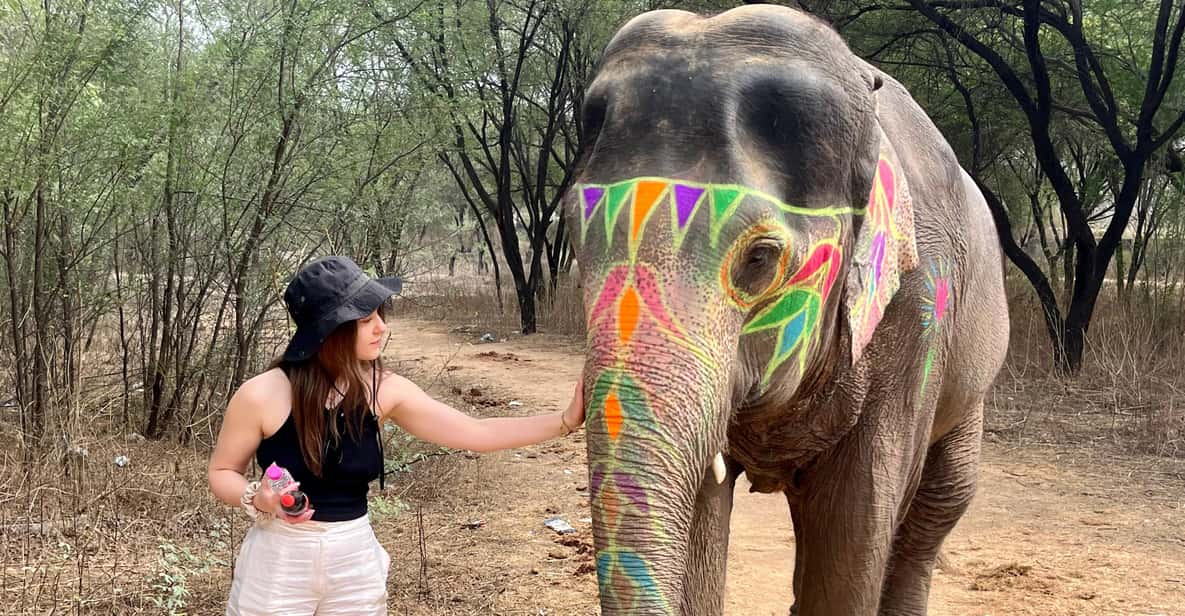
Pickup is included from your hotel area, and you have a couple of practical pickup options—Hawa Mahal is one of them. The day runs on a schedule, so be ready to wait about 15 minutes in the lobby before pickup.
When you arrive, there’s an on-arrival welcome. Then the interaction begins with an introduction where the elephant approaches and can catch your scent. It’s a simple idea, but it matters: trust usually starts with familiarity, not sudden contact. It also sets the tone for the rest of the program—calm, guided, and focused on the elephants’ comfort.
If your brain wants a checklist, here it is: comfortable shoes, a hat, sunscreen, and water. Jaipur heat can turn a “quick walk” into a sweat session fast, and you’ll be on your feet during the day.
Hand-feeding and elephant diet lessons (the bonding part)
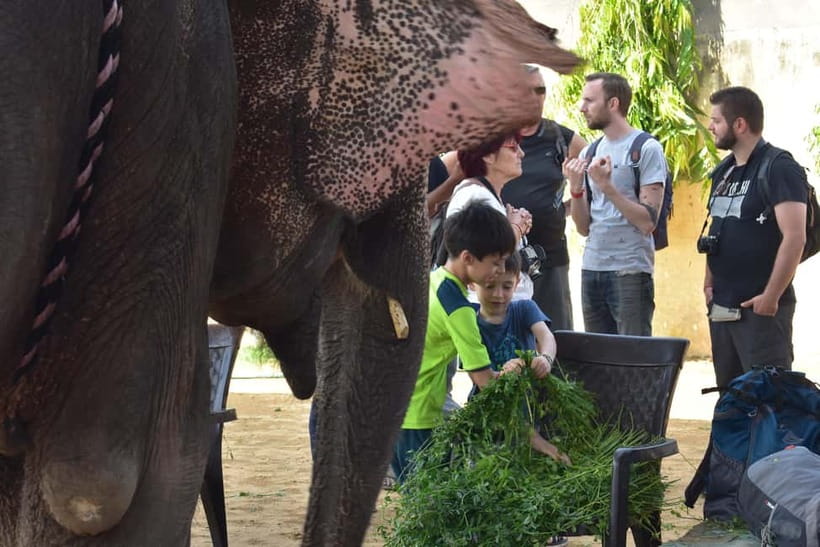
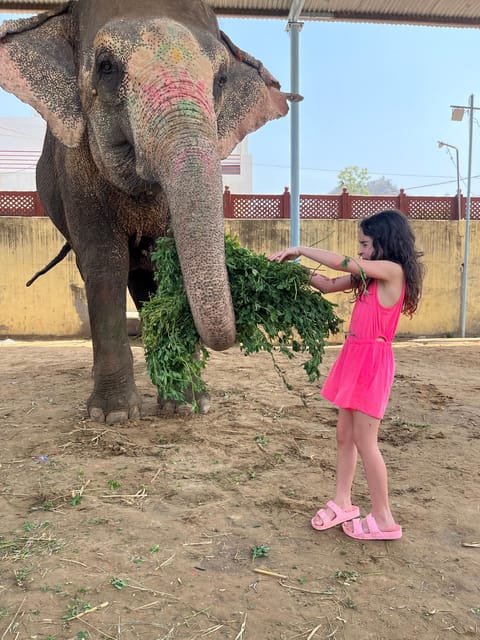
One of the most meaningful parts is the feeding interaction. You’ll learn about elephant feeding habits and what they like during feeding, then you get the chance to hand-feed a gentle giant in a guided way. The goal is connection without rushing, and you’re helped by staff who can show you how to offer food so the elephant feels comfortable.
This is also where the ethical side becomes practical. Feeding in an ethical sanctuary setting usually means the activity is tied to care routines and learning—not tricks. You’re not here to “get a photo”; you’re here to understand what elephants eat, how they behave, and how caretakers manage daily life.
If you want a tip: keep your movements slow and predictable. Let the elephant decide how close to come within the guided boundaries.
Elephant painting with natural, skin-friendly paints
After the feeding time, you switch gears to something creative: painting on elephants using traditional methods and natural, skin-friendly paints. This is one of those activities that sounds unusual until you realize the setup is about respectful interaction rather than spectacle.
You’ll likely get guided instructions, and then you can try your hand at painting directly on the elephant. The paint is described as natural and skin-friendly, which is important if you’re thinking about animal welfare and comfort.
What I like here is that it gives you a different kind of involvement. Instead of standing back, you actively participate, but you’re still working within an animal-care context and a staff-guided routine.





Walking alongside elephants (and why it matters)
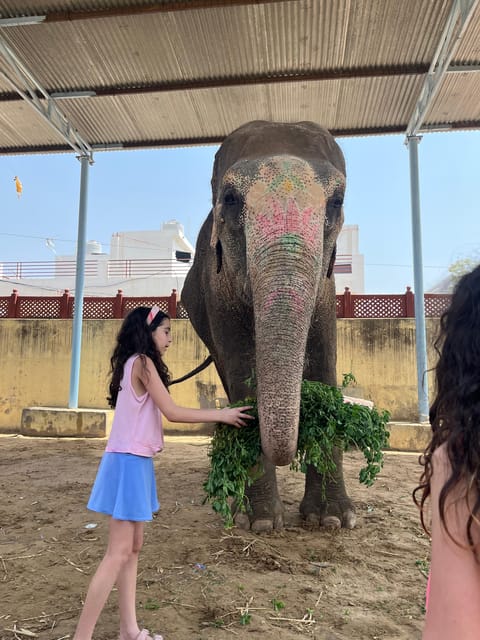
Elephant rides are not part of this program. Instead, the activity focuses on walking with the elephant for ethical engagement—staying connected without turning the animal into transportation. That changes the whole vibe of the experience.
When you walk alongside, you’re more aware of the elephant’s pace and body language. It becomes less about “doing the thing” and more about noticing how the animal moves, pauses, and reacts to its environment. It also encourages a respectful distance: you’re engaging, but you’re not forcing control.
The staff also help structure this so it’s not chaotic. That matters, especially if you’re visiting from a place where elephant encounters are more performance-based.
Elephant washing and shower: what to expect by season
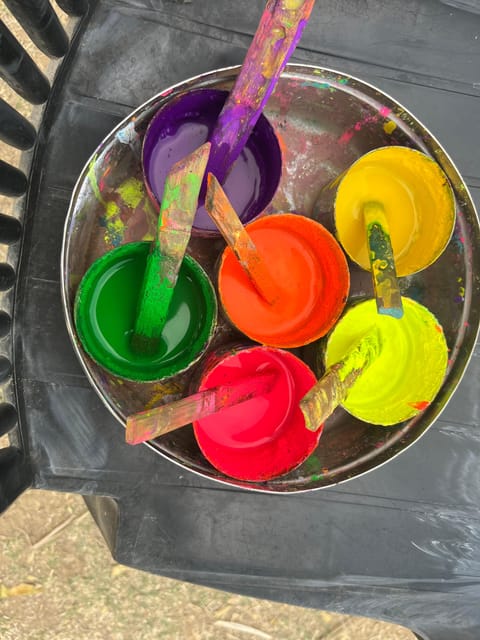
This is a fun, playful moment when it happens, and it’s included as part of the experience. You can participate in washing and scrubbing the elephants at the farm and see a shower moment where the elephant enjoys water.
But there’s a clear seasonal note: October to March may not include an elephant shower because of cold weather. So if your trip falls during those months, you should expect the washing portion to be adjusted. Pack change of clothes anyway—you’ll thank yourself even if the shower time is limited.
Also, bring sunscreen. Washing time often includes being close and exposed, and you don’t want to turn a meaningful day into a burn.
Tea, guided tour, and a little free time to reset
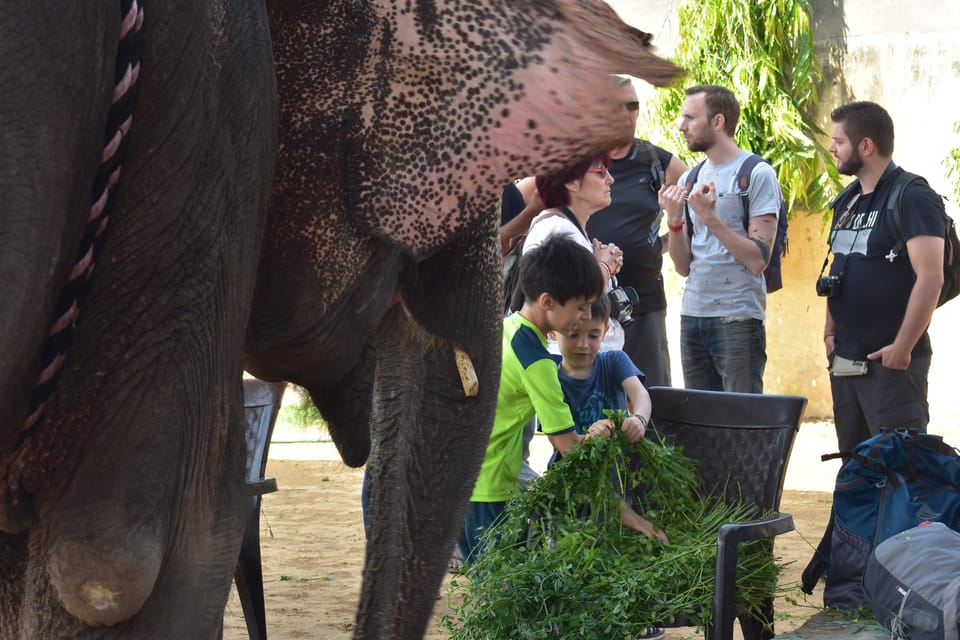
Between the hands-on interactions, there’s time built in for a guided tour and a chance to slow down. You’ll have tea during the visit, plus guided explanation about the elephants you meet.
There’s also free time in the schedule, which I’m grateful for. Some tours cram everything into nonstop motion. Here, the pacing gives you a moment to look around, process what you’re seeing, and take a few photos without feeling rushed.
One more practical detail: it’s a 3-hour program, so the day won’t balloon into a whole afternoon lost to logistics. That makes it easier to combine with other Jaipur highlights.
Rescued herd, individual attention, and caretaker-led care
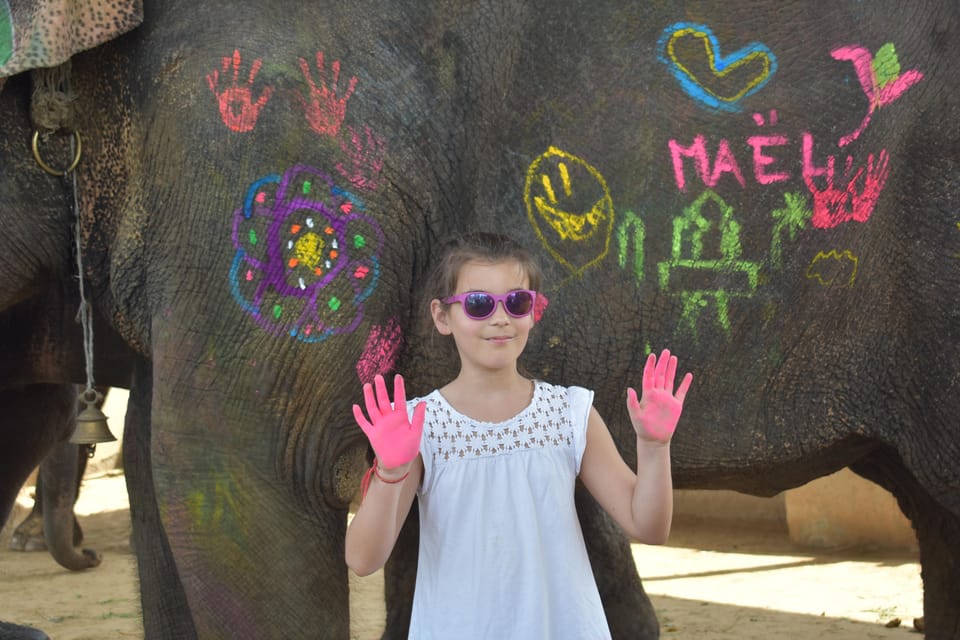
The sanctuary experience emphasizes that many elephants in the herd were rescued from circuses across India. That context matters because it explains why the sanctuary approach is so care-driven: rehabilitation, routine, and trust-building are all part of the work.
You’ll also be told that each elephant receives dedicated attention, with a caretaker assigned and individual living space. The description stresses comfort and wellbeing, not crowding. In a place like this, the animals’ environment and day-to-day rhythm are the real “attraction,” even if the focus is on what you can do and learn.
If you’re trying to judge ethical standards quickly, pay attention to the caretakers’ role. When staff guide feeding, painting, and walking with a calm, structured approach, it’s usually a sign the animals’ welfare is being prioritized.
Price and value: is $60 for 3 hours a good deal?
At about $60 per person for a 3-hour sanctuary visit, the pricing sits in the “not cheap, but understandable” category for Jaipur. Here’s the value angle: you’re paying for pickup, guided explanation, hands-on activities, and direct interaction under ethical guidelines.
In other words, this isn’t just admission to a photo spot. It’s a staffed experience with multiple components—introduction, feeding, painting, walking, and sometimes washing/shower. That makes the cost easier to justify if you want something more than a quick elephant encounter.
If you’re traveling on a tight budget, you might compare it to shorter or cheaper elephant tours. But be careful: lower price sometimes means more “ride-based” or high-throughput operations. If you care about welfare-first tourism, Elefun’s structure is more aligned with that.
Who should book Elefun, and who might rethink it
I think this tour is a strong fit if you want an ethical elephant experience in Jaipur where you learn while you interact. It’s also a great match if you like hands-on activities—feeding, painting, and walking—without the stress of being pushed into anything fast.
It may feel less ideal if you’re expecting an intense, action-packed day with guaranteed elephant bathing. Seasonal weather can change the shower portion, so plan for flexibility. Also, if you hate being outdoors in the sun, bring the right gear, because you’ll be walking and standing during parts of the experience.
Practical tips so your day stays comfortable
A few small things make a big difference here.
- Wear comfortable shoes with grip. You’ll be walking around the sanctuary area.
- Bring a sun hat and sunglasses, plus sunscreen. Jaipur sun doesn’t negotiate.
- Pack change of clothes for washing time, even if the shower portion is weather-dependent.
- Bring water and a camera, but remember: calm behavior matters more than perfect shots.
- Leave alcohol and drugs behind. The tour lists them as not allowed.
If you want the day to feel smooth, plan to arrive ready to follow staff guidance. Elephants read tension, and slow, steady energy helps everyone.
Languages and communication
Elefun offers language support for different visitors. Languages listed include English, Hindi, Spanish, German, and French, with support specifically noted for English, Spanish, and French.
That’s useful if you’re traveling with a group that includes different language needs. It also helps during the guided feeding and painting parts, where understanding the instructions improves the whole experience.
Drop-off back to your Jaipur plans
After the sanctuary activities, you’ll get a complimentary drop-off back to your accommodation. Drop-off options include Jaipur and Hawa Mahal, depending on the schedule and your location.
This is one of those small logistics wins: you’re not left figuring out transport right after an emotional, active experience. It also helps you keep the rest of your Jaipur day intact—whether that means heading to a café, a fort, or just resting.
Should you book Elefun Elephant Sanctuary in Jaipur?
Book it if your main goal is an ethical, care-first elephant experience in Jaipur that includes real interaction: hand-feeding, natural elephant painting, and walking alongside elephants. The program also gives you time to learn, not just take photos, and that’s what makes it feel worth the money.
Skip or rethink it if you’re specifically chasing a guaranteed elephant shower moment every time, because the washing/shower portion depends on the season. Also, if you want an ultra-fast checklist tour with no waiting and no outdoors time, this structured 3-hour format might feel a bit slower than you expect.
If you’re looking for a thoughtful, welfare-focused day that fits into a half-day schedule, Elefun is a solid choice in Jaipur.
FAQ
How long is the Elefun Elephant Sanctuary experience?
The experience lasts 3 hours.
Where is pickup available?
Pickup includes hotel pickup, with Hawa Mahal listed as one pickup option.
Is hotel drop-off included?
Yes, the tour includes drop-off back to your accommodation, with Jaipur and Hawa Mahal listed as drop-off locations.
What activities are included?
The included activities cover meeting and introduction, feeding the elephant, elephant painting with natural paints, walking with the elephant, and elephant washing and shower (season-dependent). Tea and a guided tour are also included.
Are elephant rides offered?
No. The program emphasizes walking and ethical engagement, and it specifically states that rides are not offered.
When is the elephant shower not available?
The elephant shower may not be offered during October to March due to cold weather.
What should I bring?
Bring comfortable shoes, a sun hat, sunglasses, sunscreen, water, a camera, change of clothes, and an ID or passport.
Is the tour wheelchair accessible?
Yes, it is listed as wheelchair accessible.