REVIEW · 4-DAY EXPERIENCES
From Delhi: Private 4-Day Golden Triangle Tour with Pickup
Book on GetYourGuide →Operated by Hello India Tours · Bookable on GetYourGuide
Golden Triangle feels smoother with smart timing. This private 4-day Delhi–Agra–Jaipur loop is built for easy logistics and efficient sightseeing, with a real rickshaw ride through Old Delhi plus early access to the Taj Mahal. I like that you get more than the headline spots: Agra Fort, Baby Taj, and Mehtab Bagh are planned in the same rhythm as the big icons. One thing to budget from the start: monument entry tickets run about $80 extra and aren’t included.
What really makes this tour work is the combination of pickup, an air-conditioned private vehicle, and local guides in each city. You’ll also have bottled water, and you even get an e-vehicle ride linked to Taj Mahal logistics, which helps when mornings start early. The only real “watch out” is that there’s a lot of driving time packed into four days—plan to travel light and wear comfy shoes.
In This Review
- Key Highlights That Make This Tour Worth It
- Private Car, Local Guides, and the Comfort Factor
- Day 1 in Delhi: Jama Masjid, Chandni Chowk Rickshaw, and New Delhi Icons
- Day 2 in Agra: Taj Mahal Sunrise, Agra Fort, Baby Taj, and Mehtab Bagh
- Day 3: Fatehpur Sikri UNESCO, Abhaneri Stepwell, and Galata Ji Monkeys to Jaipur
- Jaipur Day 4: Amer Fort, City Palace, Jantar Mantar, and the Road Back to Delhi
- Hotels, Breakfast Options, and the Real Ticket Math
- How to Make the Most of Each Day (Without Burning Out)
- Tour Timing, Group Size, and Who This Fits Best
- Quick Booking Check: What’s Included vs. What You’ll Pay Later
- Should You Book This 4-Day Golden Triangle Tour?
- FAQ
- What’s the duration of this Golden Triangle tour?
- Is pickup included?
- Are monument entry tickets included in the price?
- Does the tour include hotel stays and breakfasts?
- Do I get a private guide?
- Will I be driving in an AC vehicle?
- Is this tour wheelchair accessible?
Key Highlights That Make This Tour Worth It
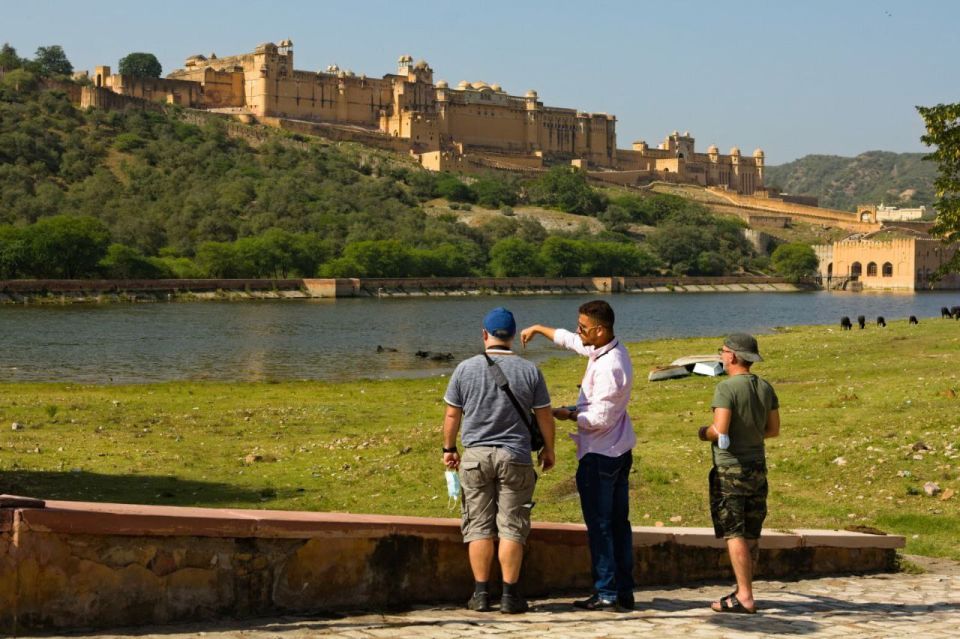
- Private guides in each city who help you understand what you’re seeing (and take good photos)
- Delhi Old City energy with Jama Masjid and a rickshaw ride in Chandni Chowk
- Taj Mahal at sunrise plus Agra Fort, Baby Taj, and Mehtab Bagh across the Yamuna
- Mughal and stepwell stops: Fatehpur Sikri, Abhaneri stepwell, and Galata Ji temple
- Jaipur’s royal sights: Amer Fort, City Palace, Jantar Mantar, plus key landmarks along the way
- AC transport with hotel pickup/drop-off and bottled mineral water included
Private Car, Local Guides, and the Comfort Factor
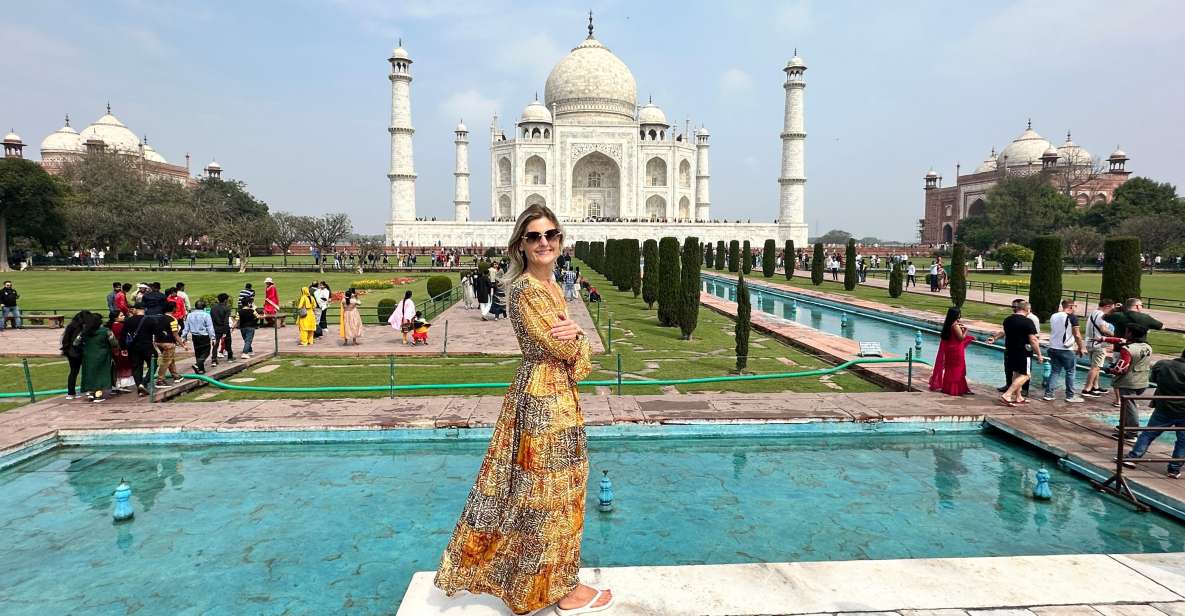
This is the kind of Golden Triangle tour that respects your time. Instead of squeezing onto shared transport, you get a private air-conditioned car/bus-coach matched to your group size (4-seater sedan for 1–2 people, 6-seater wagon for 3–4, and a 10-seater minivan for 5–10). That matters in India, where traffic and distances can turn a relaxed day into a stress test.
The second big value is local guidance. You don’t just get one person trying to cover everything from Delhi to Jaipur. You’ll have a local guide in Delhi, then another in Agra, then another in Jaipur—each one focused on their city’s sights, layouts, and stories. In real experiences shared by past travelers, drivers like Bhola and Mehboob Khan were praised for being punctual and making solo travelers feel comfortable. Guides such as Bawesh (Delhi), Rashid (Agra), Ali (Fatehpur Sikri), and Mischi/Maharishi Mishra (Jaipur) were singled out for being informative and not rushing people through important stops.
A small practical detail I’d recommend you plan around: there’s plenty of road time. One traveler suggested bringing a cushion for comfort. That’s the kind of tip that sounds optional—until you’re the one staring at the road for hours.
You can also read our reviews of more private tours in Jaipur

Day 1 in Delhi: Jama Masjid, Chandni Chowk Rickshaw, and New Delhi Icons

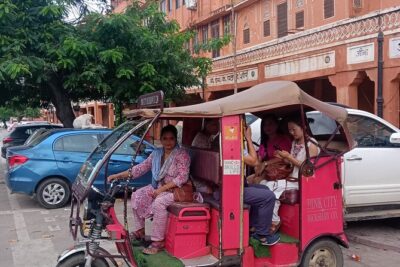
Day one is all about contrast. You start in Old Delhi at Jama Masjid, then head into the narrow lanes where Delhi’s shopping streets feel alive even when you’re just standing still. The rickshaw ride in Chandni Chowk is a highlight for a reason: you move through the streets at a human pace, and you can actually read the place—spice colors, shopfront chaos, and the rhythm of pedestrians—without needing to force it all in by car window.
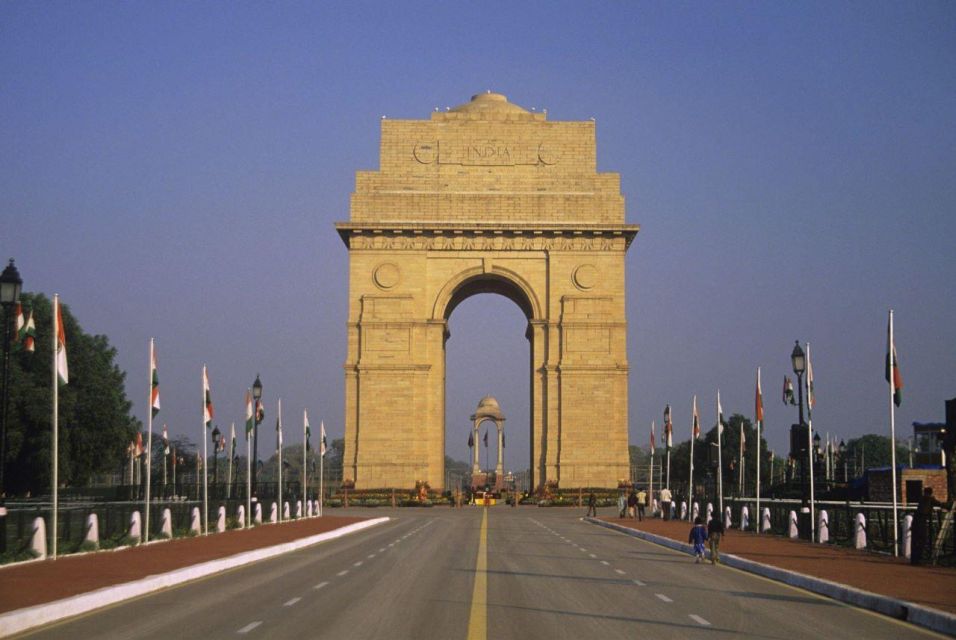
After the Old Delhi portion, you’ll get a “pass-by” loop of major landmarks along the way, including the Red Fort, India Gate, and President Palace. It’s not meant to replace a full in-depth day here—it’s a fast way to get your bearings so later sights in Delhi make more sense.
Then comes New Delhi’s architectural and memorial side. Expect stops at Qutub Minar, Humayun Tomb, and the Lotus Temple. Qutub Minar gives you an early-architecture anchor for the trip. Humayun Tomb adds a layer of Mughal-era design thinking. And the Lotus Temple is a change of pace—simple lines, calm presence, and a break from the heavier traffic atmosphere.
Overnight is in Agra, so day one ends with a purpose: you’re positioning yourself for the sunrise start on day two.
Day 2 in Agra: Taj Mahal Sunrise, Agra Fort, Baby Taj, and Mehtab Bagh

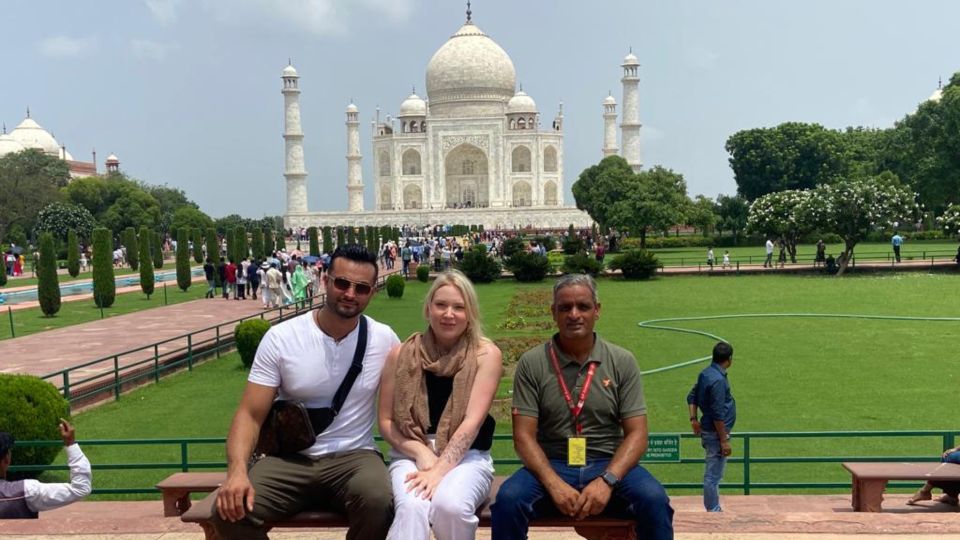
This is the day people come for, but the tour plans it in a way that reduces stress. You’ll start with a Taj Mahal sunrise view early in the morning with a guide. That early start isn’t just romantic—it’s practical. The light helps your photos, the air feels different than later in the day, and the Taj Mahal doesn’t feel like a queue.
After that visit, you head back for breakfast, then freshen up. Later in the day, you return for Agra Fort, plus the Baby Taj (Tomb of I’timād-ud-Daulah). Baby Taj is often described as smaller, but the real reason it’s worth your time is the detail. The marble inlay work gives you a chance to slow down and actually look.
Then you finish with Mehtab Bagh, which offers views of the Taj Mahal across the Yamuna River. Even if you’ve seen Taj photos before, this viewpoint can change how you understand the monument’s placement. It also gives you a “second angle” feel—like you’re experiencing the Taj in chapters, not just one stop.
One very specific kind of guide praise shows up in the stories: people mention guides who took the time to explain craftsmanship and also helped with memorable photos. That kind of attention makes a sunrise visit land harder than just checking a box.
Overnight stays in Agra again, which keeps this day from turning into an extra-harder travel day.
Day 3: Fatehpur Sikri UNESCO, Abhaneri Stepwell, and Galata Ji Monkeys to Jaipur

Day three is the long, scenic drive day with real variety. You leave Agra early for Fatehpur Sikri, a UNESCO World Heritage site. This is where the tour widens the lens from individual buildings to an entire Mughal-era setting. You’ll see major highlights like Buland Darwaza and explore Jama Masjid in the complex.
After the Mughal stops, you’ll have lunch and then continue with a very different kind of attraction: Abhaneri, known for its dramatic old stepwell. Stepwells are practical structures with serious architecture skill behind them—so it’s not just a tourist photo opportunity. You get to appreciate how geometry and water access shaped everyday life.
Next comes Galata Ji Temple, a Hindu pilgrimage site surrounded by natural beauty. And yes, the monkeys are part of the experience. It’s one of those places where you’ll spend some time watching behavior and learning the rules quickly—basically, don’t act like the monkeys are in charge. They are, but quietly.
Finally, you reach Jaipur and check into your hotel for the night. There’s an optional add-on dinner suggested with folk dance at Green Pegion (extra cost), but it’s optional, not required.
Jaipur Day 4: Amer Fort, City Palace, Jantar Mantar, and the Road Back to Delhi
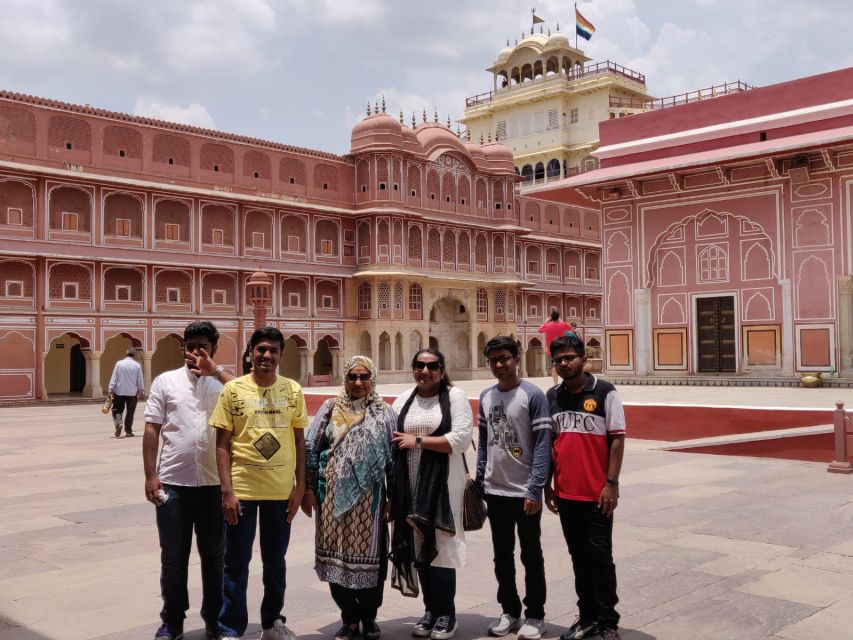
Jaipur’s sightseeing day is built around royal symbolism and the city’s signature designs. You start with Amer Fort, which is the kind of place where the views feel like part of the ticket price. You’re seeing not just buildings, but the logic of defense, processions, and status.
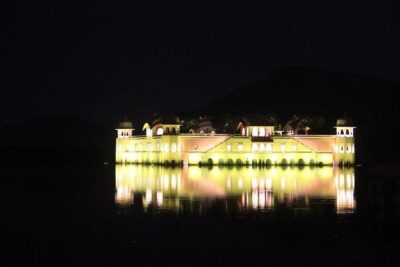
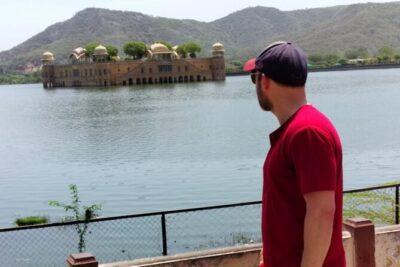
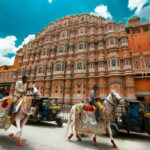
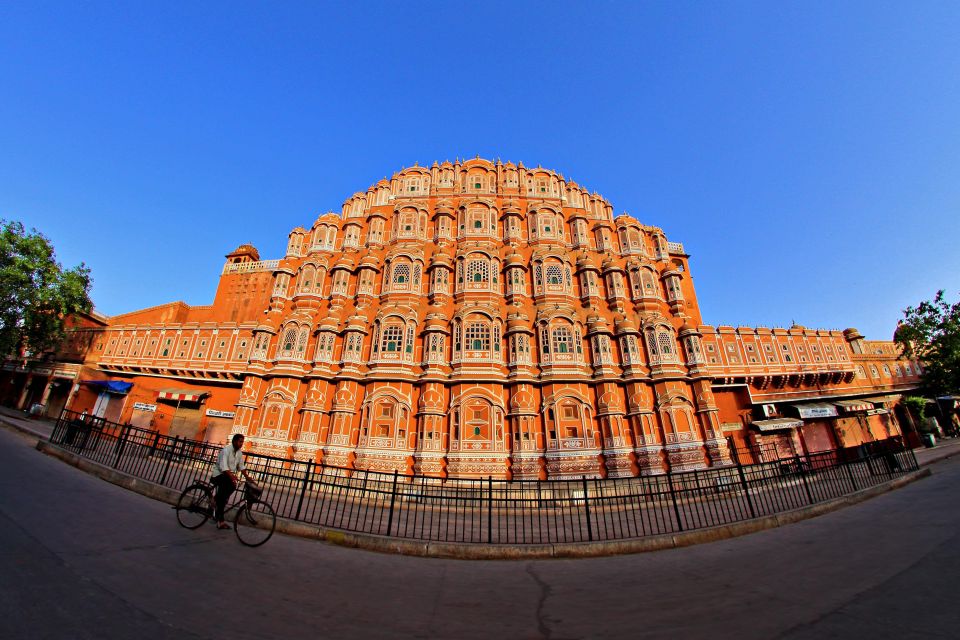
From there you pass major Jaipur landmarks, including Jal Mahal and Hawa Mahal. These are quick reads from the road, but they still help you understand why Jaipur looks the way it does. Even passing by is useful here because it sets up what you’ll see up close.
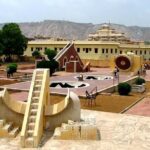
Then you get the deeper civic-royal stops: City Palace, where Jaipur’s palace life is still physically present, and Jantar Mantar, described in the tour outline as the world’s biggest observatory. Jantar Mantar is one of those attractions where you’ll either love the science angle or at least appreciate how much planning went into it. Either way, having time with a guide helps, because the structures are easier to understand when someone explains what they were built to measure.
After sightseeing, you drive back toward Delhi and drop off at your chosen location.
You can also read our reviews of more tours and experiences in Jaipur





Hotels, Breakfast Options, and the Real Ticket Math
This tour can include accommodations for three nights, depending on the option you choose. Hotel category options in Agra and Jaipur range from 3-star to 5-star, with examples like:
- Agra: Hotel Taj Vilas, Hotel Regal Vista, Grand Mercure, Radisson, DoubleTree by Hilton, Courtyard by Marriott
- Jaipur: Vesta Maurya Palace, Lilypool, Sarovar Premiere, Indana Palace, Trident
Breakfast is included at the hotels if you pick the accommodation option that includes it. If you don’t include hotels in your booking, you should expect meal planning to be mostly on your own.
Now the part that affects budget most: monument entry tickets. The tour lists monument tickets as approximately $80 USD for Delhi, Agra, and Jaipur. That’s not a surprise once you start planning a Golden Triangle trip, but it’s worth treating as a fixed add-on so you don’t get stuck later.
Here’s the value math in plain terms. The tour price starts at $123 per person for 4 days, and you’re also getting private vehicle transport, pickup/drop-off, local guides, water, and the included e-vehicle ride connected to Taj Mahal parking logistics. So the entry tickets are the main “separate payment,” while most of the big moving parts—transport and guide attention—are already packaged.
How to Make the Most of Each Day (Without Burning Out)
Golden Triangle is doable, but you need the right pace. I’d pack like a minimalist. Keep your day bag light for mornings and temple visits, and wear comfortable shoes that handle lots of walking on uneven ground.
A couple of practical ideas from how people describe the trip:
- Bring something for comfort during long drives. A cushion helps.
- Keep small notes handy for helpful people encountered along the route. One traveler warned about extra requests around luggage and suggested having small bills available.
- Expect different guides each day and give them the same kindness you’d want. When you ask a question, you’ll usually get a clearer story.
Also, think about what you want most: If your top goal is the Taj Mahal, plan to show up ready for that sunrise time window. If your top goal is architecture and detail, the Baby Taj and stepwell day are the ones you’ll probably remember later.
One more important note: the tour is listed as not suitable for pregnant women. If anyone in your group has mobility or health constraints, you should be upfront so the operator can advise.
Tour Timing, Group Size, and Who This Fits Best
This is a private group tour, which usually means less hassle and more room to ask questions. Pickup is available from hotels and also from the airport area in Delhi, Noida, Gurugram, Ghaziabad, Faridabad, and nearby zones.
It’s especially suitable if:
- you want a private guide experience without spending time coordinating everything yourself
- you’re traveling solo (some past experiences emphasized feeling safe and well cared for)
- you like structured days with lots of landmark coverage
- you want the Taj Mahal morning without trying to figure out the system on your own
It may not fit if you want slow travel and long lunches. This itinerary is designed to cover Delhi, Agra, and Jaipur efficiently, which means you’ll spend time on the road every day.
Quick Booking Check: What’s Included vs. What You’ll Pay Later
Included highlights:
- Private 4-day tour with pickup and drop-off
- Private AC car/bus-coach
- Local guides for sightseeing
- Taj-area e-vehicle ride to and from Taj Mahal parking
- 3 nights accommodation and breakfast if you choose that option
- Bottled mineral water and fuel surcharge
- English and multiple other language options via the live guide
- Skip-the-ticket-line (as listed)
Not included:
- Entry tickets for monuments (about $80 USD listed)
- Meals and drinks (beyond hotel breakfasts if selected)
Should You Book This 4-Day Golden Triangle Tour?
If you want a Golden Triangle trip that’s organized, comfortable, and not dependent on your ability to decode Indian public transport, I’d say this is a strong choice. The biggest win is practical: private transport + local guides + Taj Mahal sunrise plus major Jaipur sights without turning the trip into a planning project.
I’d book it if you:
- have limited time and want to see Delhi, Agra, and Jaipur efficiently
- care about not wasting time at key entrances (skip-the-ticket-line is a real plus)
- like having someone explain what you’re looking at, not just where to stand for photos
I’d think twice if:
- you hate early mornings (sunrise Taj is a core feature)
- you’re trying to keep the trip super-budget with no add-ons (monument tickets are an extra cost)
FAQ
What’s the duration of this Golden Triangle tour?
It’s a 4-day tour covering Delhi, Agra, and Jaipur.
Is pickup included?
Yes. Pickup is included from hotels and also from the airport in Delhi, Noida, Gurugram, Ghaziabad, Faridabad, and similar areas.
Are monument entry tickets included in the price?
No. Monument tickets are listed as approximately $80 USD for Delhi, Agra, and Jaipur.
Does the tour include hotel stays and breakfasts?
The tour includes 3 nights accommodation and breakfast only if you select the option that includes accommodation. Breakfast is included at the hotels if selected.
Do I get a private guide?
Yes. It’s a private tour with local sightseeing guides, and the tour description indicates live guides are available in multiple languages.
Will I be driving in an AC vehicle?
Yes. The tour includes a private air-conditioned car/bus-coach, sized based on group size.
Is this tour wheelchair accessible?
Yes, it’s listed as wheelchair accessible.