REVIEW · ELEPHANT SANCTUARY EXPERIENCES
Jaipur: Elefantastic Elephant Sanctuary Tour
Book on GetYourGuide →Operated by Elefantastic 🐘 · Bookable on GetYourGuide
Gentle giants, handled with real care. I love that the day is built around welfare first and a calm, unhurried encounter with your elephant, not rides or stress. I also like the clear education and guidance, with helpful explanations often credited to Rahul, plus a driver like Pravin who keeps the day running smoothly.
The only real drawback to plan for is time. The tour can run 3 to 12 hours, and that longer end can be due to your schedule and what you add on with the car and driver—so build in buffer time instead of stacking your whole itinerary.
In This Review
- Quick hits before you go
- Why this Jaipur elephant tour feels different
- Getting there from Jaipur: pick-up, travel time, and how to plan
- Entering the sanctuary space: what you’ll actually see
- Elephant time: feeding, washing/showering, and walking the calm way
- The guided education: learning elephant behavior without the lecture vibe
- Lunch time: included meals and the family-home feeling
- Safety and comfort rules you should actually care about
- Price and value: is $71 per person a smart buy?
- Who should book this (and who should skip it)
- Booking reality check: what to expect on the day
- Should you book Elefantastic Elephant Sanctuary in Jaipur?
- FAQ
- How long is the Elefantastic elephant sanctuary tour?
- Do they pick up and drop off from my hotel in Jaipur?
- What elephant activities are part of the experience?
- Is lunch included?
- What languages are the guides available in?
- Is the tour wheelchair accessible?
- Can I bring alcohol or drugs?
- Who is this tour not suitable for?
Quick hits before you go
- Welfare-focused handling: The experience centers on healthcare and humane care for Asian elephants, with day-long attention to their comfort.
- Real contact time: You get hands-on interaction that can include feeding and washing/showering, followed by a walk.
- Guides who explain: You’re not left guessing. You’ll learn what you’re seeing and why it matters for elephant behavior.
- Lunch is included: You don’t have to hunt for food mid-day, and it may be served in a family-style setting.
- Private group comfort: You’ll be with your own group, which makes it easier to ask questions and move at a humane pace.
Why this Jaipur elephant tour feels different
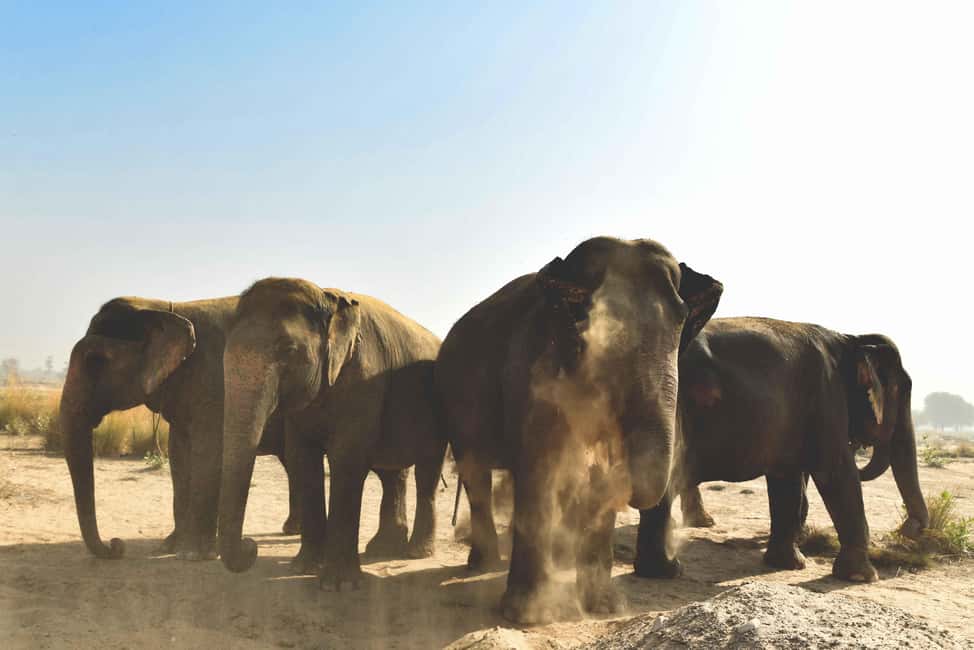
Jaipur has a lot of elephant options, and not all of them are equally kind. What makes Elefantastic stand out on paper is the stated mission: healthcare and breeding management for Asian elephants, paired with a visitor experience designed around safe, nurturing contact.
The practical value for you is simple. You’re showing up for a day that’s meant to reduce stress for the animals and increase understanding for you. That changes the whole vibe. Instead of a rushed “see the elephant, take the photo, move on,” you’re working with the rhythm of elephant life—feeding, calm interaction, and supervised care.
I also like the messaging around eco-friendly living conditions. Even if you don’t obsess over it like a conservation nerd (no judgement), it signals that the center is thinking about long-term wellbeing rather than short-term tourism tricks. And from what people describe, it’s not just marketing: the elephants come across as relaxed and comfortable in the human presence.
One more thing I pay attention to: you’re explicitly not allowed alcohol or drugs. That’s not a small detail. It’s part of keeping the environment controlled and safe, especially when you’re close to very large animals.
You can also read our reviews of more tours and experiences in Jaipur.



Getting there from Jaipur: pick-up, travel time, and how to plan
This is a hotel pickup and drop-off tour in Jaipur, which is a big deal if you don’t want to negotiate rides, pricing, and timing on your own. You’ll be collected from your pickup point in Jaipur and driven to the sanctuary.
Time-wise, the experience is listed as 3 to 12 hours. In practice, that range matters. If you’re trying to squeeze this into a tight sightseeing schedule, you’ll want to keep a buffer day or at least avoid booking anything important right before or after. The “short” version still includes real interaction time with elephants and a guided component. The “long” version usually means more time for the full flow of activities and meals, and sometimes extra stops arranged with the driver.
Speaking of drivers: names like Pravin show up in participant notes as friendly and informative. That matters because the trip is part of the day. A good driver helps you avoid the chaos that can happen when you’re trying to fit in last-minute stops near Jaipur.
Entering the sanctuary space: what you’ll actually see

When you arrive, expect a guided, structured visit. The experience is set up so you can see elephants in a natural-habitat style environment while learning about behavior and daily activities.
What makes this section feel meaningful is the shift from “animal attraction” to “animal care.” The center’s focus is healthcare and management. That means your guide should be discussing things like elephant routines, how they respond to people, and what respectful interaction looks like.
You’ll likely notice these themes quickly:
- The pace stays calm.
- The elephants aren’t treated as entertainment.
- Staff are focused on wellbeing, not performance.
Now, I’ll be fair here: you may not be given a detailed behind-the-scenes veterinary tour in the way a specialist would expect. But you should come away with a clearer understanding of behavior and why certain types of handling are safer for elephants than others.
Also, your exact elephant may vary. Some names mentioned in participant experiences include Padma, Pinky, and Phatma. If you’re attached to a specific elephant name from online photos, treat it as a bonus, not a guarantee.
Elephant time: feeding, washing/showering, and walking the calm way
This is the main event, and it’s where the best notes from people concentrate.
Your interaction can include:
- Feeding your elephant
- Washing/showering or bathing-style care (often described as a full bath or shower with water and scrubbing)
- Walking with the elephant for a short, guided distance
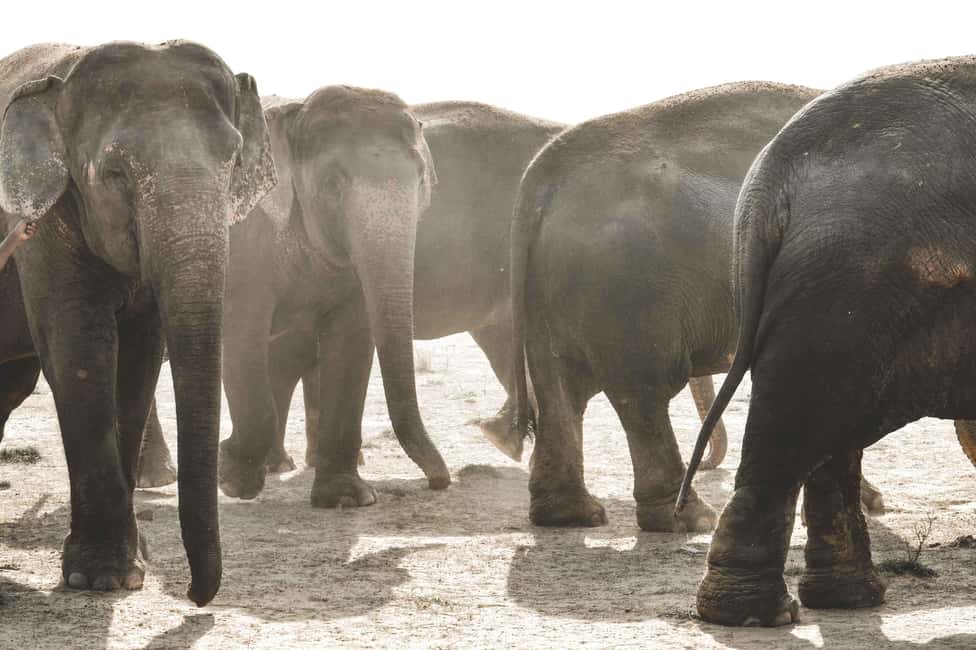
The key value for you: this isn’t about making the elephant “perform.” It’s about gentle, supervised contact that fits elephant comfort. People repeatedly mention that the elephants look peaceful—no frantic crowding, no forced rides, and a clear focus on letting the animals remain at ease.
If you’ve never been close to an elephant before, here’s the practical part. This is not a zoo-style “look but don’t touch” moment. Your comfort level will depend on how you handle the sensation of being near something that big—warmth, smell, movement. The upside is you get an unusually personal view of elephant behavior up close, including how they respond to familiar routines and their caregivers.
You’ll also learn a lot while doing it. A patient guide—often mentioned with Rahul as a key person—helps connect what you’re seeing to elephant care and daily needs. That turns the “wow” factor into actual understanding, which is what makes this kind of tour stick with you.
The guided education: learning elephant behavior without the lecture vibe
The center’s pitch isn’t just cuddles and baths. It’s education and conservation awareness through a deeper human-elephant connection.
What that means during your visit is that you should be able to ask questions and get direct explanations. Participant notes highlight that guides are patient and willing to go through elephant care topics at your pace.
In a place like this, elephant behavior is the real lesson:
- how elephants move when they feel safe,
- how they interact with caregivers,
- what calming routines look like,
- and why respect matters when humans and elephants share space.
I like that the experience frames you as an advocate for elephant welfare afterward. You’re not leaving with only good feelings—you’re leaving with a clearer idea of what ethical care should look like, so you can spot red flags later in your travels.
One thing to keep in mind: the tone is educational, but it’s still an animal-care environment. That means the day isn’t built like a museum tour. You’ll learn in context—watch, interact, then talk it through.





Lunch time: included meals and the family-home feeling
Lunch is included. In participant experiences, it’s often described as local and home-cooked, served after your elephant time. One note mentions sharing a meal with the owners’ mum in a family home, which is the kind of detail that can turn a “tour lunch” into something memorable.
If you’re worried about food quality in India, you can relax about this part more than you usually can. The meal is organized as part of the experience, not a random stop. And because you’re already in a calmer, sanctuary environment, lunch feels like a breather instead of a scramble.
There’s also a practical reason to appreciate lunch here: it gives your group time to recover from the excitement of close elephant contact. You’re likely to be a bit damp or at least very warm if you’ve done washing/showering activities.
Safety and comfort rules you should actually care about
The tour is designed for a safe and nurturing environment, and you can feel that through the rules. Alcohol and drugs are not allowed, and that’s a serious safety line in any animal interaction setting.
You should also take the medical suitability warning seriously: this tour is not suitable for people with heart problems. That doesn’t mean it’s “dangerous” for everyone—it means the environment, movement, and overall physical demands may not be appropriate.
If you’re unsure about your health limits, don’t guess. Use your own comfort judgment and talk with your doctor if needed.
Also note the setup is listed as wheelchair accessible. That’s good to know for planning. Your exact mobility experience will still depend on how the grounds are arranged and how close you can get to elephant interaction zones, but at least the activity is not positioned as impossible for wheelchair users.
Price and value: is $71 per person a smart buy?
At $71 per person, this tour sits in the “worth it if it matches your ethics” category, not the bargain-bin zone. Elephant experiences can get expensive in India, and a lot of that price is tied to transportation and the kind of handling the center supports.
Here’s what you’re getting for the money, based on the facts provided:
- hotel pickup and drop-off in Jaipur
- a guided visit with time for interaction and a walk
- lunch included
- English/Hindi guidance
- private group setup
The value logic is that you’re not only paying for a close encounter. You’re paying for staff time, guidance, and structured care-focused activities. People also emphasize that the pace is not rushed, and that matters because animal wellbeing requires time and patience.
If you’re the type of person who wants a quick photo stop, this likely won’t feel “efficient.” But if you want a meaningful, calmer encounter where learning is part of the experience, $71 starts to look reasonable.
A practical booking tip: you can reserve now and pay later, and there’s free cancellation up to 24 hours in advance for a full refund. That reduces risk if your Jaipur schedule is still shifting.
Who should book this (and who should skip it)
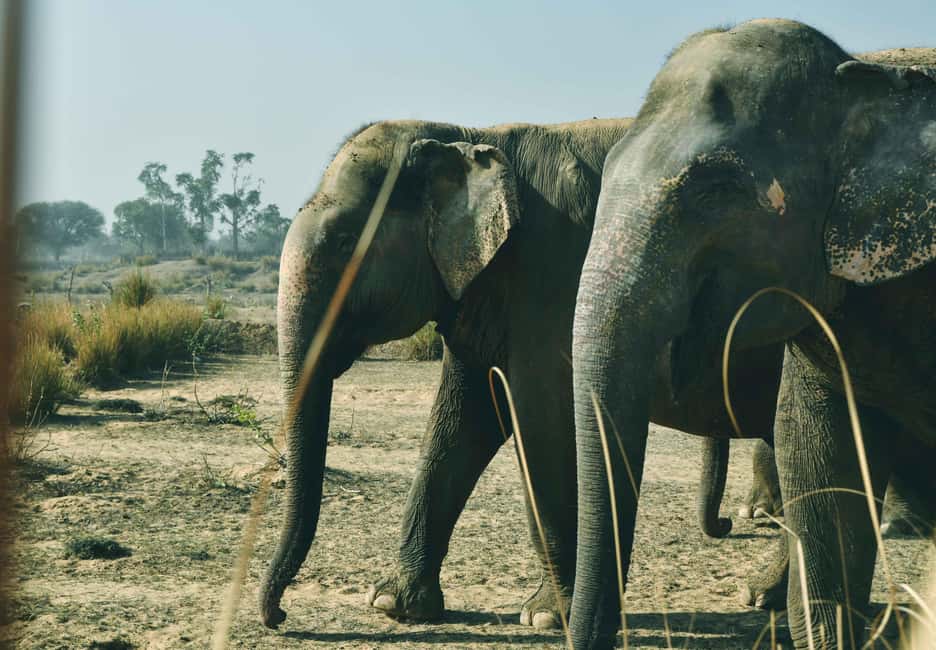
I’d point you toward this tour if you:
- want a closer connection with elephants that centers on care,
- prefer structured guidance over chaotic animal handling,
- like having time (not being rushed),
- and appreciate meals and hotel pickup as part of the package.
I’d steer you away if:
- you have heart problems and your doctor recommends avoiding activities with animals in motion-heavy environments,
- you’re looking for entertainment-style elephant shows (this experience isn’t positioned that way),
- or you only have a tight schedule and can’t handle a day that can run long.
It’s also a good pick for first-time elephant visitors. The guide support helps you understand what’s happening, so you’re not just reacting to big eyes and trunk swings—you’re learning how elephant behavior connects to welfare.
Booking reality check: what to expect on the day
A private group setup means your pace should be more flexible. You’ll have time for guided learning and interaction. You should also plan around comfort items because you may be wet if you do washing/showering activities.
If you’re combining this with other Jaipur sights, keep it loose. Some people describe their driver taking them to nearby photo spots like Amber Fort and Jal Mahal, plus a stop at a block printing factory. That kind of add-on depends on scheduling, so don’t assume it’s automatic. The core day—elephants plus lunch plus guidance—should be your anchor.
Should you book Elefantastic Elephant Sanctuary in Jaipur?
Yes, if your priority is an ethical elephant encounter with real interaction time and a calm, care-focused setting. The strongest reasons to book are the emphasis on welfare first, the hands-on moments like feeding and washing/showering, and the chance to learn elephant behavior in a guided way.
Skip it only if you can’t handle a longer, less rigid day, or if your health situation falls into the stated “not suitable” category for heart problems. Otherwise, this is one of those Jaipur experiences where spending the day thoughtfully beats collecting a checklist.
If you’re deciding last minute, I’d book it when you have space in your schedule, because the value comes from time—time for the elephants to be comfortable, and time for you to actually pay attention.
FAQ
How long is the Elefantastic elephant sanctuary tour?
The duration is listed as 3 to 12 hours, depending on the starting time availability.
Do they pick up and drop off from my hotel in Jaipur?
Yes. Hotel pickup and drop-off are included.
What elephant activities are part of the experience?
You can expect a guided visit with interaction such as feeding, and an additional walk. Some experiences also include washing or showering as part of caring contact.
Is lunch included?
Yes, lunch is included.
What languages are the guides available in?
English and Hindi.
Is the tour wheelchair accessible?
Yes, it is listed as wheelchair accessible.
Can I bring alcohol or drugs?
No. Alcohol and drugs are not allowed.
Who is this tour not suitable for?
It’s not suitable for people with heart problems.