Swap city noise for rural Rajasthan. This private village tour with hotel pickup turns Jaipur sightseeing into real village time, and I love that you get stuck into everyday tasks like farming, weaving, and cooking instead of just watching. The trade-off is it’s a full 8 hours, so you’ll spend plenty of time in transit and plan for heat or dust.
For around $73 per person, the value comes from what’s already built in: private transportation, bottled water, parking fees, fuel surcharge, and gratuities. It also helps that the day can be customized to your interests, so you can lean more toward markets, crafts, or family conversation.
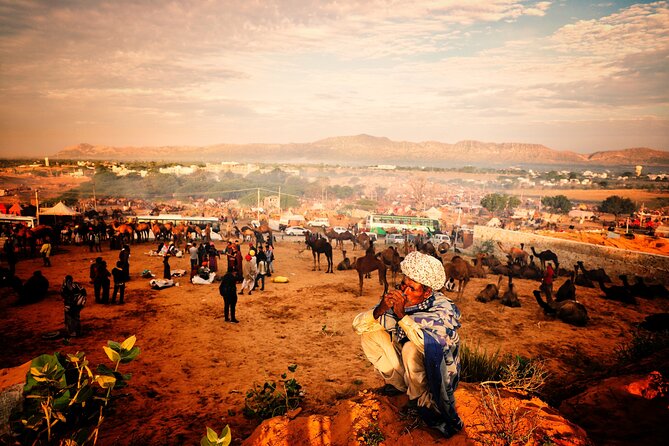
Expect rolling hills, green fields, and quiet villages far from crowds, plus time to talk with local families about temples, ruins, or palaces and why those places matter. If you want Jaipur’s other side—the slow one—this kind of outing is a great fit.
In This Review
- Key things to know before you go
- Why this Jaipur village tour feels different
- Jamwa Ramgarh: your first window into village life
- Hands-on work: farming, weaving, cooking, and the real skill behind it
- Countryside time: rolling hills, fields, and a quieter kind of view
- Talking with local families about temples, ruins, and palaces
- Food during the day: plan for Rajasthani flavor, not just sightseeing
- Price and logistics: where the $73 value really comes from
- What kind of traveler this is best for
- Small planning tips that make the day easier
- Should you book this rural village tour from Jaipur?
- FAQ
- How long is the Jaipur village tour?
- Is pickup from a hotel included?
- What’s included in the price?
- Are monument or palace entry fees included?
- Is this tour private or shared?
- Does the tour depend on weather?
Key things to know before you go
- Hotel pickup makes rural access easy so you don’t waste the morning figuring out routes on your own
- Hands-on village activities like farming, weaving, and cooking (fishing may be part of the day depending on what’s happening)
- Jamwa Ramgarh is your first village stop giving you an early taste of daily life
- Local conversations add meaning as you learn which landmarks—temples, ruins, or palaces—locals connect to their routines
- Private group pace means you can go slower or focus on what you’re most curious about
- Food is the flexible part since entry fees and personal requests aren’t listed, so plan ahead for meals
Why this Jaipur village tour feels different
Jaipur can be intense. Even when you’re having a good time, you’re often bouncing from fort to market to palace, dodging traffic and crowd flow. This village day trip changes the tempo on purpose: you leave the city behind and spend the day with Rajasthani families and village work that doesn’t exist for show.
The best part for me is the work-based nature of the experience. Instead of being a spectator, you get chances to do things—hands-on farming tasks, basic weaving, and cooking-style activities—so you understand how daily life is built. And because it’s private, you’re not forced into a one-size-fits-all schedule.
The other value is that it’s designed to be offbeat but still practical. You get pickup so you start the day without stress, and you return to your hotel after about 8 hours.
You can also read our reviews of more tours and experiences in Jaipur.

Jamwa Ramgarh: your first window into village life

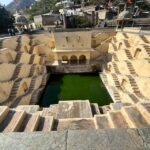
Your day kicks off at Jamwa Ramgarh, where you get an early look at how rural life actually runs. The point here isn’t a checklist of sights—it’s seeing the rhythm of work and household routines, and learning what people consider normal.
In practical terms, this is where you’ll usually get oriented with your hosts. You’ll have time to meet local people, ask questions, and understand what you’re seeing as you move through village spaces. If your interest is cultural context—how traditions tie into work, food, and faith—Jamwa Ramgarh is a strong start because you’re meeting people before you’ve filled your day with city facts.
One consideration: rural areas can be dusty and uneven, and village spaces may not be set up for visitors in the same way urban sites are. Wear comfortable shoes and keep expectations grounded. You’re here to experience real life at village pace.
Hands-on work: farming, weaving, cooking, and the real skill behind it

This tour’s heart is participation. The activities mentioned—farming, weaving, and cooking—aren’t just cultural add-ons. They’re the jobs that shape the day for many families.
Here’s how to think about each one:
- Farming-style activities: You’ll get a closer look at how seasonal work affects what people do. Even if you only try a small task, you’ll come away with an understanding that village agriculture isn’t a one-day project—it’s a calendar.
- Weaving: Weaving is slow craft work. When you try it, you feel how effort becomes patterns. It’s a nice way to connect what you see in village clothing and household textiles to the labor behind them.
- Cooking activities: Cooking in a village context tends to be about practical methods—what’s available, what lasts, and what tastes right. It’s also a great chance to ask questions about ingredients and everyday techniques.
Fishing is mentioned as a possible activity too. That part can depend on what the village setup and season allow, so keep it flexible.
If you’re the type who likes to learn through doing, this is where you’ll enjoy the day most. If you’re looking only for dramatic photo stops, you may find the value more subtle. Think of it like a workshop day in rural form.
Countryside time: rolling hills, fields, and a quieter kind of view
A lot of Jaipur sightseeing is visually stunning but emotionally loud—horns, crowds, constant movement. This tour trades that for the countryside: rolling hills and fields that give your brain a break.
The drive itself matters. It’s part of the experience because you’re going from dense city rhythms into open space, and that shift helps you reset. You’ll notice how the terrain changes and how village settlements spread across the area rather than clustering tightly like you see in the city.
What to do with this part: use it to slow down. Put your phone away for longer stretches, and watch for everyday scenes—work areas, household routines, and the simple practicality of where things are placed.
Also, remember that countryside time can mean changing light and weather. Pack a light layer and protect yourself from sun.
Talking with local families about temples, ruins, and palaces
One of the most useful parts of this kind of village outing is the interpretation you get from the people who live alongside these landmarks. Instead of learning names and dates, you hear what locals connect to them—how they fit into tradition, faith, or community memory.
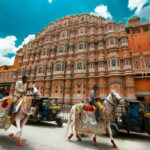
The tour mentions cultural landmarks and historical sites such as temples, ruins, or palaces. The value is in the explanation: why a site matters to everyday life, and how people understand it beyond “tourist value.”
You should also be aware of a practical detail: monument and palace entry fees are not included for government-run sites. So if the day includes a paid entrance, you’ll need to budget extra.
If you want to get the most out of this segment, bring curiosity and a short list of questions. Things like when people visit, what rituals happen, and what the site means locally often lead to better stories than you’d get from a standard audio guide.




Food during the day: plan for Rajasthani flavor, not just sightseeing
This experience is built around village life, and village life includes food. The activity set includes cooking-style participation, and that usually leads to real sensory learning—smells, tastes, and simple techniques you won’t find in a city-only meal.
At the same time, food isn’t clearly listed in the inclusions. Bottled water is included, along with transportation and other costs, but meals are not stated. So I’d treat meals as a flexible add-on.
What to do if you want to make the food part feel effortless: aim for a Rajasthani meal such as a rajasthani thali, and if a stop is arranged, dishes like dal bati come up often in praised dining experiences around Jaipur. One friendly staff member named Harry is mentioned in multiple positive accounts for helpful service and great food quality. If you see him mentioned by your contact or driver, it’s a good sign the meal break could be smooth.
Bottom line: eat like you’re in Rajasthan—spice-forward but comforting, and portioned for sharing. Just keep a little cash or card ready in case meals are on your own.
Price and logistics: where the $73 value really comes from
At $73.03 per person for about 8 hours, this is priced like a full-day private experience, not a quick half-day excursion. What makes it feel fair is that several costs that can surprise you later are already covered.
Included items:
- bottled water
- fuel surcharge
- gratuities
- parking fees
- private transportation
Not included:
- any personal requests
- monument and palace entry/admission fees (government)
So the value isn’t just “getting to the countryside.” It’s paying for a driver and vehicle for a private full day, with the operational stuff handled (parking, fuel, tips). That matters in rural travel where you don’t want to stop repeatedly to sort out payments.
Two practical considerations to keep in mind:
- Good weather is required. If conditions are poor, you may be offered a different date or a full refund.
- There’s a chance of a minimum traveler requirement. If that minimum isn’t met, you might be moved to another date or another experience.
Also, this tour uses a mobile ticket, which makes arrival easier if you like everything on your phone.
What kind of traveler this is best for
This tour fits best when you want something beyond photos.
It’s ideal if:
- you like hands-on cultural experiences (working, cooking, weaving, learning by doing)
- you enjoy asking questions and talking with local families
- you want a break from Jaipur’s heavy tourist circuits
- you prefer a private pace where your group controls the energy level
It’s not ideal if:
- you only want major famous monuments with clear, fixed viewing times
- you hate days that involve time on the road
- you need lots of formal seating or urban-style facilities
If you’re traveling as a couple, this can be a relaxing change of pace. If you’re traveling with friends, group discounts may help—so ask when you book.
Small planning tips that make the day easier
I like to think of rural tours as a mix of cultural curiosity and basic comfort planning.
Bring:
- comfortable shoes for uneven ground
- sunscreen and a hat for open countryside time
- a light layer for morning or late afternoon
- cash for anything not listed as included, especially entry fees or meals
And mindset-wise:
- go with flexible expectations. Village life isn’t timed like a museum.
- ask questions early. The day flows better when you’ve set your interests with your hosts.
- treat the activities as learning, not performance.
If you do those things, you’ll get far more from the day than you expected.
Should you book this rural village tour from Jaipur?
I’d book it if you want to see Jaipur in a wider lens. This is one of the smarter ways to spend a day outside the city because it focuses on daily work—farming, weaving, cooking—and gives you cultural context through conversations about temples, ruins, and palaces.
I would not book it if you’re only chasing landmark scenery or you can’t handle a full 8-hour outing with some time on the road. Also, since government monument entry fees aren’t included, check your plan if your priority is visiting paid sites.
If you’re ready for a calmer, hands-on day with genuine local contact, this tour looks like strong value for the effort you get.
FAQ
How long is the Jaipur village tour?
It’s listed as about 8 hours (approx.).
Is pickup from a hotel included?
Yes. Hotel pickup is included, and it’s meant to help you avoid getting lost.
What’s included in the price?
Bottled water, fuel surcharge, gratuities, parking fees, and private transportation are included.
Are monument or palace entry fees included?
No. Any monument and palace entry/admission fees (government) are not included.
Is this tour private or shared?
It’s a private tour/activity. Only your group participates.
Does the tour depend on weather?
Yes. The experience requires good weather. If it’s canceled due to poor weather, you’ll be offered a different date or a full refund.