REVIEW · SHOPPING & MARKET TOURS
Private Shopping Tour in Jaipur
Book on Viator →Operated by Raj Tours Jaipur · Bookable on Viator
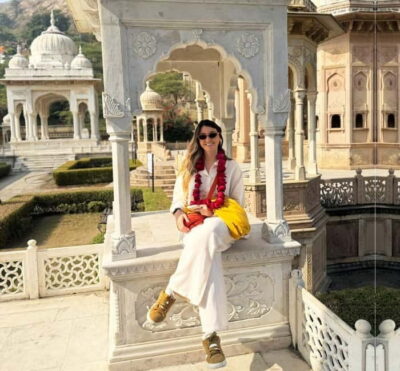
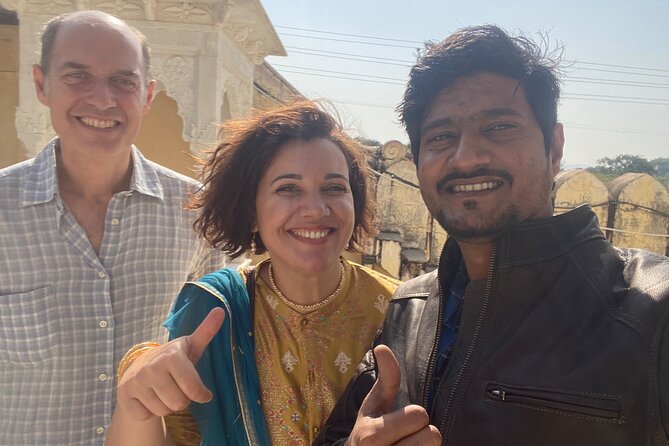
Jaipur shopping can feel like a maze. This private Pink City route, guided by Shakir (Raj Tours Jaipur), keeps you focused on crafts worth buying and shops that won’t wear you out.
I like that it’s no-pressure shopping with a real guide steering the day instead of you getting stuck in random lanes and loud haggling.
My second big win is the smooth logistics: hotel pickup/drop, an A/C private vehicle, and a plan that moves you between textile, jewelry, carpet, and pottery stops. One thing to watch: if you’re shopping for very specific wedding outfits, shoes, or heavily embellished pieces, you should be extra clear with photos and ask what’s actually available—some custom-clothing expectations may not match what you’re imagining.
In This Review
- Key highlights worth your attention
- How this Jaipur shopping plan avoids the usual chaos
- Pickup, mobile ticket, and a day that stays comfortable
- Heritage Textiles: where custom fabric shopping starts to make sense
- Ratnavali Arts and Akee International: gems and pashmina with workshop-level context
- Johri Bazaar and Bapu Bazaar: the market energy you’ll actually enjoy
- Channi Carpets & Textiles: how to shop carpets without guessing
- Jaipur Blue Pottery Art Centre: a craft stop that’s fun to watch
- How to shop smarter with Shakir’s negotiation style
- What this tour is best for (and where it may fall short)
- Should you book this private Jaipur shopping tour?
- FAQ
- How long is the private shopping tour in Jaipur?
- How much does the tour cost?
- Is pickup and drop-off included?
- Is this a private tour or shared group?
- What kinds of products can I shop for during the day?
- Are there admission fees for the stops?
- Is there free cancellation, and how late can I cancel?
Key highlights worth your attention
- A private guide and A/C vehicle: You get picked up, transported between craft hubs, and kept on schedule for a 6-hour shopping focus.
- Factory-style shopping stops: You’ll see how items are made at places like textile and jewelry workshops, not just stand-in markets.
- Real help with price and negotiations: Shakir is known for pushing for fair deals and handling the back-and-forth calmly.
- Built-in comfort: Bottled water is included, and many stops offer tea and water while you browse.
- You can shop across categories: Expect options in jewelry, gemstones, pashmina/cashmere-style materials, carpets, and more.
How this Jaipur shopping plan avoids the usual chaos
Jaipur is famous for crafts, but shopping here can turn into a stress test fast: you walk into a shop, someone talks nonstop, prices jump, and suddenly you’re buying just to escape. This experience is designed to stop that pattern.
The format matters. You don’t just get dropped near Johri Bazaar and told good luck. Instead, you move through a chain of stops where the focus is on craftsmanship—textiles, jewelry and stones, carpets, and blue pottery. Even the timing works better than a DIY day because you’re not constantly figuring out transport, negotiating where to go next, or waiting on your own to translate product quality.
I also like the “guided browsing” style. The best moments aren’t when someone yells the loudest. They’re when a guide explains what makes one pashmina different from another, or why one carpet knot choice matters. That’s the kind of help that turns shopping into something you can actually make decisions from.
Finally, this is a private experience, so you’re not squeezed into a group pace. If you want to linger at a textile wall or compare gemstones twice, you can—without feeling like everyone is waiting for you.
You can also read our reviews of more private tours in Jaipur



Pickup, mobile ticket, and a day that stays comfortable
This tour is built around a simple promise: you don’t have to manage the city while you shop.
You get hotel/airport/railway station pickup and drop, plus a chauffeur-driven A/C private vehicle. Fuel, parking charges, and taxes are included, along with bottled water. It also runs with a mobile ticket, which makes day-of start-up easier (no hunting for paper vouchers).
Why this matters in Jaipur: short shopping trips are fine, but Jaipur traffic and distances can eat hours. If you’re paying for a shopping experience, you want your time spent comparing products, not sitting in heat or trying to find parking near the next shop.
The tour is also private, meaning it’s just your group. For solo travelers, that’s a comfort factor. In the feedback I saw from people who felt safe and supported, the guide’s tone came up a lot: patient, respectful, and willing to adjust the day when you’re tired or when you change your mind.
One more practical point: plan to carry a small amount of cash for quick purchases, but keep your card as a backup. You’ll be spending more than you expect if you find something you truly like—especially in jewelry, pashmina/cashmere-style items, or carpets.
Heritage Textiles: where custom fabric shopping starts to make sense
The day kicks off at Heritage Textiles, and this stop is about giving you a way to buy textiles with intent.
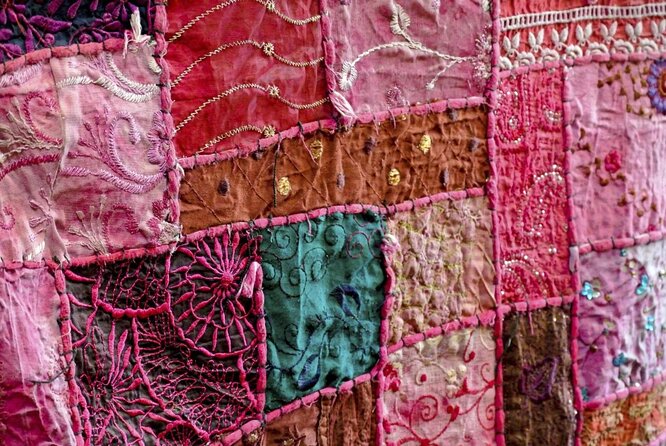
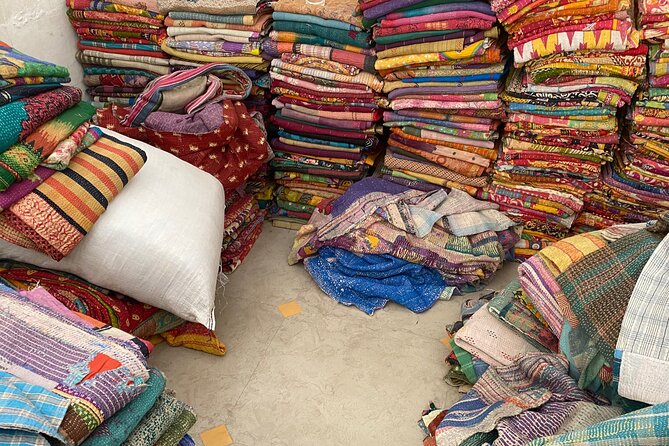
This place is known for high-quality textiles and custom-made garments. The big idea is that you can choose from hand-block printed fabrics and woolen materials, and then get custom clothing made within a few hours. That’s attractive if you want a “Jaipur souvenir” that’s actually wearable and made from local techniques, not just mass-produced prints.
What I like about this kind of stop: it shifts you from passive browsing to active selection. You’re not only picking a finished product—you’re picking material and design direction. If you’re the type who loves fabric feel, print accuracy, and stitching, this is where you’ll notice the difference.
A potential drawback: custom-fit and custom embellishment can be a tricky match if you have a very specific vision. If you’re shopping for something wedding-level with complex detailing, don’t assume every garment shop will carry sample examples for every style. Bring clear references, ask what’s included, and confirm timeline and finishing details before you pay.
Practical tip: at textile stops, take one slow pass for material feel and print quality, then do a second pass focused on practical wear. It’s easy to fall in love with a print and forget how it will sit on your body.
Ratnavali Arts and Akee International: gems and pashmina with workshop-level context
Next come the craft-heavy stops—Ratnavali Arts and Akee International—both tied to premium categories Jaipur is known for.
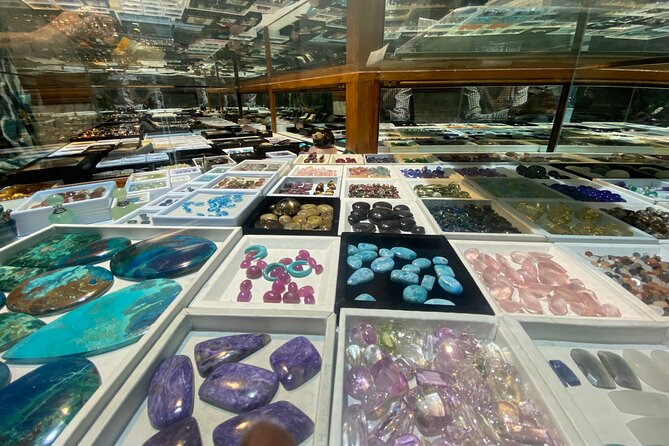
At Ratnavali Arts, you’re looking at jewelry and gemstones with a focus on craftsmanship. You can visit the factory and watch artisans working, which helps you understand what you’re buying. For gemstones, that context can reduce the feeling of guessing from a display case. Instead of treating every stone as equal, you can ask better questions about cut, setting, and how the piece is built.
Then Akee International focuses on pashmina. It’s praised as a top pashmina manufacturer, and the key value here is access: you’re shopping within a production mindset, not only through generic retail. If you want cashmere-style warmth and softness, this is where you start comparing thickness, texture, and how the material drapes.
Two things I appreciate about this pairing:
1) It covers Jaipur’s two biggest “wow buys”: stones/jewelry and pashmina-type fibers.
2) It gives you a framework for quality. When you’ve seen both workshop behavior and product presentation, you can shop with more confidence.
Important: gemstone and pashmina purchases vary wildly by budget and expectations. If someone is offering a too-good-to-be-true price, ask how it’s priced and what exactly you’re getting. A good guide will help you negotiate without turning it into an argument.
Johri Bazaar and Bapu Bazaar: the market energy you’ll actually enjoy
After the workshop-style stops, the tour brings you to the market side—Johri Bazaar and Bapu Bazaar.
Johri Bazaar is famous for jewelry, including traditional Rajasthani gold and silver ornaments, plus precious and semi-precious gemstones. This is also where you’ll see a lot of Rajasthani design language: traditional shapes, ornament styles, and stone combinations that feel distinct from what you might find in generic gift shops.
Bapu Bazaar adds a different flavor. It’s one of Jaipur’s older markets, filled with everyday shops. It’s a good place to browse without feeling like every conversation is aimed at the same product category. It also helps you “read” the city: what locals seem to carry, what styles are common, and how pricing feels in a more street-forward environment.
How to enjoy these stops:
- Go slow. Look at multiple counters before you ask price.
- Decide what you’re truly buying: jewelry for a special purpose, stones you’ll use to set later, or small textile gifts.
- Keep your eyes on craftsmanship cues. Even when designs look similar, you’ll notice differences in detailing if you compare carefully.
One caution: bazaars can be loud and pushy. The advantage here is you’re not alone. Your guide can keep you moving and help you avoid wasting time on places that don’t match your quality target.
You can also read our reviews of more shopping tours in Jaipur




Channi Carpets & Textiles: how to shop carpets without guessing
Carpets in Jaipur can be overwhelming fast. Every shop shows “beautiful carpets,” and your brain starts to switch off. Channi Carpets & Textiles helps by taking you into a spacious factory setting.
This stop is known for high-end carpets and a large selection. The big value of a factory-showroom approach is that you can see variety under one roof and ask questions that matter—like materials, finishing, and overall build. Even if you don’t know carpet jargon, seeing the scale of options helps you recognize what quality looks like rather than what looks like quality in a photo.
What I like about fitting carpets into this tour: you’re not shopping carpets on an empty stomach or at the end of a tiring day. You’re still fresh enough to compare.
What to keep in mind:
- Carpets are heavy and bulky, so think about transport and storage early.
- If you’re buying for the home, measure your space before you fall in love with a color.
- If you’re buying as a gift, choose something durable and easier to match with common décor.
If you’re sensitive to shopping pressure, you’ll likely appreciate that the day is structured. You can take your time at Channi’s and still get through the rest of the craft stops without losing your energy.
Jaipur Blue Pottery Art Centre: a craft stop that’s fun to watch

Jaipur Blue Pottery Art Centre is the art break in the middle of shopping.
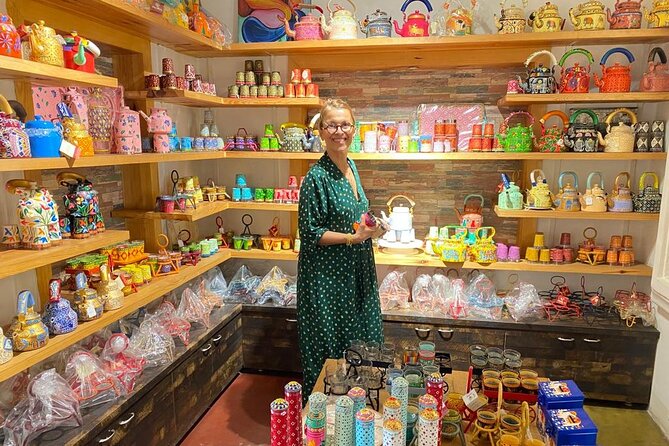
This destination is known for its craftsmanship in blue pottery. It’s also been endorsed by celebrities from Bollywood and Hollywood, which tells you it’s designed for visitors who want a real craft experience, not only a showroom.
Why this stop works even if you’re not buying pottery:
- It gives you a visual understanding of the process behind the product style.
- It breaks up the day so you’re not only in jewelry or textiles mode.
- It helps you shop with context. When you see how pieces are made, you start noticing why some items look cleaner, brighter, or more carefully finished.
If you’re buying a pottery souvenir, ask how the pieces are made and how you should care for them. Also, inspect the surface closely—color consistency and finish quality can vary, even when items look similar from a distance.
This stop also feels like a nice pause before the final market browsing, especially if you’re traveling with kids or just want a calmer, creative environment.
How to shop smarter with Shakir’s negotiation style
One of the most repeated strengths in the feedback about this experience is how Shakir handles the shopping process. It isn’t about rushing you. It’s about helping you shop better.
Here’s how that shows up practically:
- He adapts to your shopping goals instead of forcing a one-size-fits-all route.
- He tends to negotiate calmly. That matters because loud negotiation can make you feel trapped.
- He has helped people with after-purchase needs like delivering tailored items to the hotel (when that’s possible).
- Many shops offer tea and water, which makes the day feel more human instead of transactional.
- Some people also mention small extras like trinkets or gifts at the end of shopping, which is a nice bonus when you’re comparing overall value.
My advice for you:
- Tell your guide your budget range first. If you don’t, it’s easy for suggestions to drift into your “maybe later” zone.
- Bring photos for anything custom—especially garments, shoes, or wedding-level details.
- Ask what’s included in the price. With custom clothing, the difference between a base garment and fully embellished work can be huge.
- Keep your priorities written down: top 3 items, and what you’ll skip if the budget gets tight.
And if you’re worried about safety or solo shopping stress, look for a guide-led experience like this. The private setup gives you control over pace, and the guide can help keep interactions respectful.
What this tour is best for (and where it may fall short)
This private shopping loop shines when you want quality craft shopping with less chaos.
You’ll likely enjoy it if you’re:
- Interested in textiles like hand-block prints, woolen materials, and pashmina/cashmere-style items
- Looking for jewelry or gemstones and want help comparing options
- Shopping for carpets with a factory-style selection approach
- Buying pottery souvenirs and enjoying a craft-focused stop
Where you should be careful:
- If you’re shopping for wedding outfits with very specific embellishment, the “custom” angle can still surprise you. Some garment stops may not carry the exact sample shapes or finished look you expect, and fittings can run differently than planned.
- If you need festive shoes in a narrow size range, be ready for limited options at the specific shop visited. Ask for alternatives early instead of assuming everything will be available.
The best way to make it work for your needs is to be direct. Share your must-haves and your non-negotiables. Ask to see the exact category that matches your event level, and confirm what the final product will look like before payment.
Also, remember this is a 6-hour shopping experience. If you plan it as your only chance to handle complex custom clothing, you might feel pressured. If you can shop with flexibility, the experience is likely to feel smoother.
Should you book this private Jaipur shopping tour?
If you want a shopping day that feels organized, private, and craft-focused, I’d say yes—especially if you’re worried about sales pressure or you want help negotiating quality in jewelry, textiles, carpets, or pottery.
This is also a strong choice if you value comfort: A/C private transport, hotel pickup/drop, and a route that mixes workshop insight with real market browsing. At around $16 per person for a guided, chauffeured half-day with included water and taxes, the value is hard to beat if you actually plan to buy something you’ll keep.
Book with caution only if you’re shopping for very specific wedding-level outfits or highly detailed embellished pieces as your main goal. In that case, confirm options and what’s included before you commit.
FAQ
How long is the private shopping tour in Jaipur?
The tour runs about 6 hours.
How much does the tour cost?
It costs $16.00 per person.
Is pickup and drop-off included?
Yes. Pickup and drop-off are included from the hotel, airport, or railway station.
Is this a private tour or shared group?
It’s private. Only your group participates.
What kinds of products can I shop for during the day?
You can browse and shop across categories such as textiles, jewelry and gemstones, pashmina-style materials, carpets, and other souvenirs, with stops that include bazaars as well.
Are there admission fees for the stops?
The stops listed in the plan show admission ticket free for each location.
Is there free cancellation, and how late can I cancel?
Yes, you can cancel for a full refund up to 24 hours before the experience start time. Within 24 hours, the amount is not refunded. Children must be accompanied by an adult.