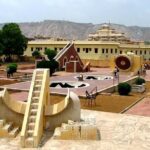
Old Jaipur can be overwhelming fast, so this tour is a smart way to get your bearings without sprinting through crowded streets. The blend of short walks, planned photo stops, and an included e-rickshaw ride makes the city feel readable, from royal-era landmarks to everyday bazaars.
I especially like the mix of monuments and street life: you’re not just looking at facades, you’re learning why they mattered and what still happens around them. The second big win is the food timing—tea/coffee, sweet lassi, and snacks are built into the flow, so you’re fueled without turning the tour into a meal hunt.
One thing to consider: this is a guided circuit with fixed stops, so if you want total freedom to linger in one market or skip everything architectural, you may feel a bit time-boxed.
In This Review
- Key things to know before you go
- What $11.18 gets you in Old Jaipur (and why it’s fair)
- Pickup, meeting point, and how the timing works in real life
- Stop-by-stop: flower market, Hawa Mahal, Isarlat, and Tripolia Gate
- 1) Flower market (about 30 minutes)
- 2) Hawa Mahal, Palace of Breeze (about 30 minutes)
- 3) Isarlat (Tower) (about 30 minutes)
- 4) Tripolia Gate (about 15 minutes)
- Jalebi Chowk to Govind Devji: the City Palace edge and a guided Q&A
- 5) Jalebi Chowk (about 15 minutes)
- 6) Govind Devji Temple (about 30 minutes)
- Pink City by e-rickshaw, then Albert Hall Museum to close
- 7) Pink City streets (about 1 hour, e-rickshaw)
- 8) Albert Hall Museum (about 30 minutes, outside)
- Morning vs evening: how the light changes the experience
- Guides make the difference: what I’d watch for
- Who should book this Jaipur heritage walk (and who should skip it)
- Should you book this Jaipur heritage walk with rickshaw ride?
- FAQ
- How long is the Jaipur Heritage Walk with Rickshaw Ride?
- What’s included in the tour price?
- Are entrance fees included for the stops?
- Where does the tour start and end?
- Is this tour private or shared?
- Do you have to choose morning or evening?
- What’s the cancellation policy?
Key things to know before you go
- Flower market start sets the mood with colors, scents, and local vendor rhythms
- Hawa Mahal’s 900-window façade is quick to see but full of detail in the latticework
- Isarlat Tower adds a climb and a perspective shift from street level
- E-rickshaw through the Pink City keeps the route efficient without burning your legs
- Chai shop Q&A after Govind Devji is a useful way to ask practical questions
- Albert Hall Museum photo stop finishes with an iconic Indo-Saracenic look from outside
What $11.18 gets you in Old Jaipur (and why it’s fair)
This is a value-first tour. For around $11.18 per person, you’re getting an English-speaking guide, hotel pickup and drop-off, a guided walking route, and an included e-rickshaw ride—plus tea/coffee, sweet lassi, and snacks. When you compare that to paying separately for guided time and transport, the math gets much more comfortable.
The biggest payoff for the price is focus. In just 3 to 4 hours, the route threads together the main visual hits—Hawa Mahal and the City Palace area—then connects them to the market geography where daily life still happens. You end with a museum landmark as a clean wrap-up, even if you only admire it from the outside.
That said, you should go in with the right expectation: this isn’t a deep, museum-style day where you read every inscription and sit for long explanations. It’s a moving overview with hands-on tastings and quick context. If you like your history delivered in small, practical doses, you’ll do well.
You can also read our reviews of more walking tours in Jaipur


Pickup, meeting point, and how the timing works in real life
The tour starts at Hawa Mahal Rd, Badi Choupad, J.D.A. Market, Kanwar Nagar, Jaipur and ends back at the meeting point. Pickup and drop-off are offered, and you’ll receive a mobile ticket. That matters because Jaipur’s old lanes can be confusing on your own, and it’s nice when someone handles the first “where do we meet?” step.
The itinerary moves in short blocks—often around 15 to 30 minutes per stop—so you don’t waste time waiting around for one long museum experience. It also means you’ll cover more ground than a walking-only plan. The e-rickshaw portion helps here: you can see the older street layout and shop corridors without turning the day into a leg workout.
If you’re traveling in the morning or evening, dress for comfort. In hot seasons, you’ll be happiest with light layers and a hat; in cooler evenings, bring something simple for warmth. The tour is listed for most travelers, but if you have mobility limits, you’ll want to confirm how much walking is expected during the market segments.
Stop-by-stop: flower market, Hawa Mahal, Isarlat, and Tripolia Gate
1) Flower market (about 30 minutes)
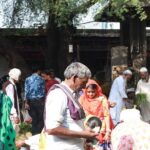
You start with the flower market, and that’s the best kind of opening. It’s not a random photo stop—it’s a working place where you can watch vendors arranging blooms for ceremonies. Even if your Hindi is limited, the action does the explaining. You also get that immediate sensory sense of Jaipur: the colors, the smells, and the pace of local buying.
A practical tip: if you’re sensitive to strong scents or have allergies, take a moment before the busiest stalls.
2) Hawa Mahal, Palace of Breeze (about 30 minutes)
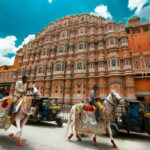
Next is Hawa Mahal. The face is famous for a reason: pink sandstone with intricate latticework and over 900 small windows. The point of this stop isn’t just the photo. Your guide connects the windows to the idea of royal women observing life from screened spaces, which gives the building meaning beyond looks.
You’ll likely spend most of your time appreciating the details from the outside, then moving on before crowds thicken further.
You can also read our reviews of more historical tours in Jaipur





3) Isarlat (Tower) (about 30 minutes)
Isarlat Tower adds a different flavor: a historic 18th-century structure where you’ll climb toward the top. The value here is perspective. Street-level Jaipur is one world; tower-level views are another. You get a quick sense of scale—how neighborhoods stack, where major lanes funnel traffic, and how landmarks sit within the city fabric.
The only downside is effort. If the climb feels like too much, consider pacing yourself early so you don’t get tired before the next stops.
4) Tripolia Gate (about 15 minutes)
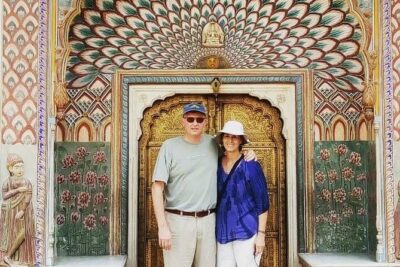
Tripolia Gate is a painted entrance tied to royal tradition. What makes it interesting is the story: it served as a private entrance for the royal family, and it was opened to the public only once when the former king of Jaipur ran for election.
This stop is short, so it works best if you’re listening closely to the guide’s context. If you’d like to linger and read every panel closely, you may wish you had more time here—though the schedule keeps you on track for the City Palace area.
Jalebi Chowk to Govind Devji: the City Palace edge and a guided Q&A
5) Jalebi Chowk (about 15 minutes)
Jalebi Chowk sits near the backyard zone of the City Palace. The name comes from the serpentine road that connects it to the main thoroughfare east to west—so even the naming tells you something about how the city was planned.
What I like about this quick stop is that it connects landmarks to geography. You’re not just collecting sights; you’re learning the street logic that shapes movement between royal spaces and public markets.
6) Govind Devji Temple (about 30 minutes)
Govind Devji Temple is dedicated to Lord Krishna, and this is where the tour shifts tone a bit. After you’ve walked through the landmark-focused segments, the temple stop adds cultural weight. It’s also one of the best chances to ask questions.
The tour finishes this segment by heading to a nearby chai shop for a Q&A session. That’s genuinely useful. You can clear up practical questions—what to do next, what neighborhoods are most worth your time, and what cultural rules to respect as you keep exploring on your own.
If you’re visiting around busy prayer times, follow your guide’s directions. Temple etiquette matters, and you’ll have a smoother experience when you lean on the guide’s lead.
Pink City by e-rickshaw, then Albert Hall Museum to close
7) Pink City streets (about 1 hour, e-rickshaw)
Now comes the fun, efficient part: the e-rickshaw ride through the Pink City. This is the best place to slow down mentally. You’ll pass colorful shops and bazaars while your transport handles the stop-start rhythm of narrow lanes.
The practical advantage: you can see more without exhausting yourself before the final stop. You also get a clearer sense of neighborhood layout than you might on foot, because the vehicle keeps the route continuous.
One consideration: the markets can get tight where people stop to shop or talk. Your guide will manage the movement, but you should keep your personal space flexible and expect some crowding.
8) Albert Hall Museum (about 30 minutes, outside)
Albert Hall Museum wraps things up with its iconic Indo-Saracenic design. You’ll admire the architecture from the outside, which is perfect for a tour like this because it gives you a strong photo ending without turning the day into a long indoor museum session.
If you’re the type who wants one more ticketed attraction later, consider using this stop as your decision point. You’ll know what kind of architecture you enjoy, and you can choose whether to return on your own.
Morning vs evening: how the light changes the experience
The tour is offered in either the morning or the evening, and the timing changes the mood.
A morning start is best when you want that “city waking up” feeling. The flower market is the obvious highlight, and it tends to pair naturally with the energy of early shopping and daily routines.
An evening start is for the light lovers. You’ll experience the sunset glow over key Jaipur landmarks, which can make the city feel softer and more atmospheric. If you prefer calmer streets or want the day’s heat to ease before you start, the evening option makes sense.
If you’re undecided, pick based on what you want to photograph most: market life in daylight, or landmarks under warm evening light.
Guides make the difference: what I’d watch for
This tour is built around a professional, friendly guide, and guide quality is often what turns a good route into a memorable one. Some guides have shown extra flexibility in real situations.
For example, a guide named Sayyed has been reported to add time for an extra visit like Amber Fort when it fits the flow. Ali has also been praised for handling last-minute changes during Diwali, including adjusting the night focus toward bazaars. Nameera is another guide mentioned with strong storytelling and smooth pacing, including a spice-house stop and a local-food lunch option depending on timing.
So here’s my practical advice: when you start, ask your guide a simple question—what’s the one thing you think I shouldn’t miss beyond the fixed stops? A good guide will tailor answers to your interests, and you may find extra time for something you’d otherwise skip.
Who should book this Jaipur heritage walk (and who should skip it)
This tour is a strong fit if you:
- Want an efficient first look at Old Jaipur in 3–4 hours
- Like walking but don’t want to do a full city grind
- Enjoy architecture plus street culture and shop life
- Prefer guided context over wandering blindly
- Appreciate included food tastings (tea/coffee, sweet lassi, snacks)
You might want a different plan if you:
- Want a slow, museum-heavy day with long indoor stays
- Hate any climbing element (Isarlat involves going upward)
- Prefer a totally self-guided route with no set stop times
Should you book this Jaipur heritage walk with rickshaw ride?
Yes, if you want a first-pass Jaipur experience that’s organized, easy to follow, and good value. For a modest price, you’re getting guided storytelling, transport help when the streets get tricky, and food tastings that keep the energy up.
I’d book it especially if it’s your first time in Jaipur or if your schedule is tight. The stops cover major landmarks—Hawa Mahal, Tripolia Gate, Govind Devji—and they also connect you to the market geography where Jaipur actually lives.
If you’re flexible, you’ll also benefit from a good guide. Ask about what’s possible within the route and time you have. You may end up with that one extra memory that turns a standard highlight tour into something more personal.
FAQ
How long is the Jaipur Heritage Walk with Rickshaw Ride?
It runs about 3 to 4 hours.
What’s included in the tour price?
Included are an English-speaking guide, hotel pickup and drop-off, a guided stroll plus an e-rickshaw ride, and street food tastings (tea/coffee, sweet lassi with snacks).
Are entrance fees included for the stops?
The itinerary lists admissions as free for the stops shown (including the flower market, Hawa Mahal, Isarlat, Tripolia Gate, Jalebi Chowk, Govind Devji Temple, and Albert Hall Museum).
Where does the tour start and end?
It starts at Hawa Mahal Rd, Badi Choupad, J.D.A. Market, Kanwar Nagar, Jaipur, and ends back at the same meeting point.
Is this tour private or shared?
It’s listed as private/activity for your group only.
Do you have to choose morning or evening?
You can do it either in the morning or in the evening, depending on the option you select when booking.
What’s the cancellation policy?
You can cancel for a full refund up to 24 hours in advance. If you cancel less than 24 hours before the start time, the amount paid is not refunded.