REVIEW · HERITAGE & CULTURAL WALKING TOURS
Jaipur Heritage Walk – Artisans | Bazaars | Culinary | Temples (Awarded)
Book on Viator →Operated by Vedic Walks Rajasthan · Bookable on Viator
Jaipur is best understood street by street. This Heritage Walk turns the Pink City into a real-life classroom, with artisans at work, old-city planning, and temple routines woven into the walk. I like that it mixes crafts, markets, and a couple of food tastings so you’re not just staring at sights.
Two things I really like: you watch traditional techniques up close (metal beating and bangle making), and you learn how the city’s geometry and old gates shape daily life. The other plus is pacing and size: it runs about 2 hours 30 minutes with a maximum of 15 people, so you’re not lost in a crowd. The only drawback to consider is that you’ll be on narrow lanes and busy market streets for most of the tour, so comfy shoes matter more than you think.
In This Review
- Key Highlights at a Glance
- How This Jaipur Heritage Walk Really Works
- How Much Time You Have and What the Pace Feels Like
- Stop 1: Golcha Cinema and Jaipur’s Seven Gates Story
- The Back Lanes: Metal Beatters, Paani Puri Wholesale, Ayurveda, and Old Royal Footsteps
- The Big Heritage Gate Where Royal Residence Begins
- Sodhya Halwai Bridal Market and Mohanthal Sweet Stop
- Maniharo Ka Rasta Bangle Making With Sealing Wax
- Tripolia Bazar: Old Flower Market, Spice Shopping, and Isarlat Sargasooli
- Price and Value: Why About $30 Works Here
- What You’ll Learn (Beyond Facts You’ll Forget)
- What to Bring and How to Make This Day Easier
- Who Should Book This Jaipur Walk—and Who Might Skip It
- Should You Book the Jaipur Heritage Walk?
- FAQ
- How long is the Jaipur Heritage Walk experience?
- What is the price per person?
- Where does the tour start and end?
- Is a mobile ticket used?
- What’s included in the price?
- Are meals included?
- Does the tour include monument entry?
- How big is the group?
- What’s the cancellation rule if plans change?
Key Highlights at a Glance
- Live artisan workshops: see metal beating and traditional bangle techniques in working neighborhood lanes.
- Old-city layout made practical: learn how the Pink City is organized, starting with the Seven Gates idea.
- Temples and religious life explained: you’ll get context for what you’re seeing, not just a photo stop.
- Two food tastings: you’ll sample Jaipur staples like mohanthal and get local chai time.
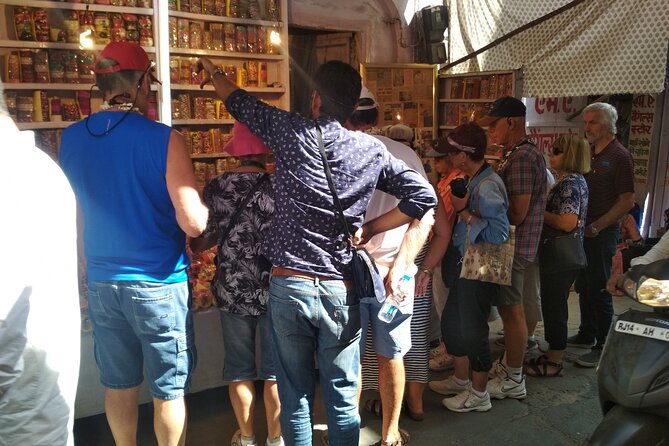
- Market variety without the museum fatigue: flower market, spice market, bridal shopping, and bazaars in one loop.
How This Jaipur Heritage Walk Really Works

This is the kind of tour where you start with the city’s big picture, then walk into the details. Jaipur’s old walled core is laid out in symmetrical, geometric sections, and the guide uses that structure to help you orient fast. Once your brain has a map, the streets stop feeling like a maze and start feeling like a system.
The tour also leans into community life. Instead of only visiting monuments, you’re encouraged to watch crafts being made and food being sold. You’ll spend time in places locals use: artisan lanes, a wholesale snack market, and a heritage gate area tied to royal residence. That mix is why this walk feels more useful than a quick sightseeing loop.
You can also read our reviews of more walking tours in Jaipur



How Much Time You Have and What the Pace Feels Like
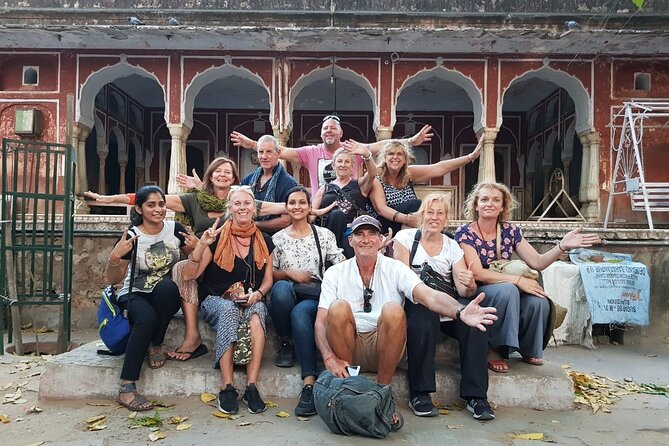
Plan on about 2 hours 30 minutes of walking and short stop-ins. The itinerary is built from several compact segments, with roughly 15 to 20 minutes at each highlight point, plus a longer market-and-lanes stretch. That means you’ll keep moving, but you won’t feel rushed at every corner.
Because the focus is on old lanes and markets, you’ll likely encounter uneven sidewalks, tighter corridors, and frequent people flow. The tour is listed as most travelers can participate, but your best experience comes if you can comfortably walk for most of the tour and stand for short explanations.
Stop 1: Golcha Cinema and Jaipur’s Seven Gates Story
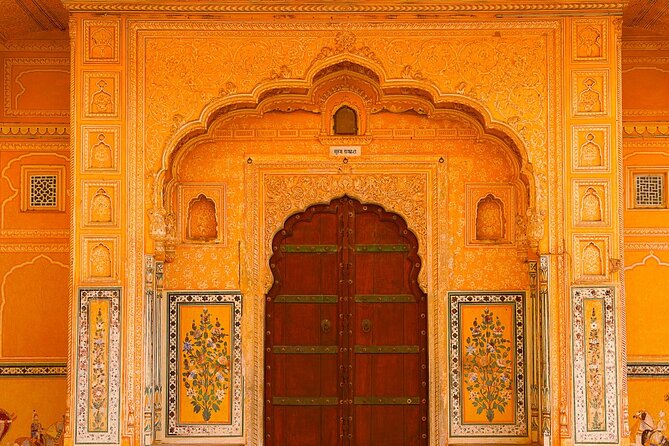
You start at Golcha Cinema in Chaura Rasta, near the New Gate area of Pink City. The first stop sets the tone: you learn why the Seven Gates matter to Jaipur’s walled-city layout. It’s not just trivia. Once you understand gates as entry and control points, the rest of the walk makes more sense because the streets follow that logic.
You’ll also visit a local priest family living in a heritage mansion. This part is valuable because it grounds the city’s religious traditions in real households, not staged performances. It’s also a reminder that heritage in Jaipur isn’t only painted walls and carved facades—it’s how families live and pass roles through generations.
Expect about 15 minutes here, and an admission ticket is included for this first segment.
The Back Lanes: Metal Beatters, Paani Puri Wholesale, Ayurveda, and Old Royal Footsteps
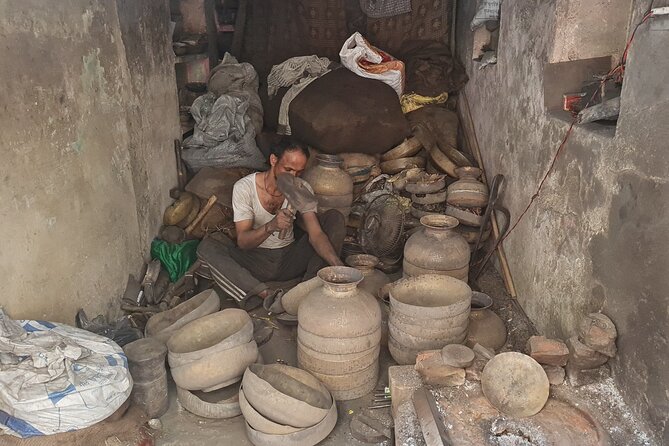
After the opening, you step into narrower by-lanes where everyday work happens. This longer segment is where the tour earns its name: artisans, bazaars, and practical city culture.
Here’s what you’ll focus on during this stretch:
- A community of metal beaters: you can watch a craft practiced by local families for generations. Metalwork in Jaipur often involves hammering and shaping by hand, and seeing it in place gives you instant respect for the skill.
- Wholesale paani puri market: rather than a tourist stall, this is the business side of one of India’s favorite street foods. You’ll understand why paani puri is so big here when you see the scale and activity.
- An Ayurveda center: you get a quick look at how traditional health practices sit inside the city’s daily rhythm. Even if you’re not planning to buy anything, it’s an eye-opener to see how these systems are presented locally.
- Heritage lanes associated with Prince Charles: Jaipur has visitors, but the interesting part here is the idea that certain streets have been on important routes for decades. The guide ties these lanes back into the city story.
Some tours treat bazaars like photo corridors. This one uses them as learning spaces. If you like understanding how a city functions—who works where, why markets cluster in certain places—this section delivers.
The Big Heritage Gate Where Royal Residence Begins
At a key moment in the walk, you pause at a major heritage gate that serves as an entry point to the royal family residence area. This is a “stop and look” moment. You’ll see how gates mark transitions from public streets to more private spaces, and how architecture communicates status even before anyone explains it.
It also helps you feel Jaipur’s historical layering. You’re walking in an active neighborhood, but you’re also brushing up against the boundaries of past power.
You can also read our reviews of more historical tours in Jaipur





Sodhya Halwai Bridal Market and Mohanthal Sweet Stop
Next comes the Bridal market at Sodhya Halwai—one of the most fun sections of the day because it’s colorful and human. You’ll watch brides shopping for traditional wedding wear, which makes the market feel like a living calendar rather than a random shopping street.
You also try a local sweet: mohanthal. This is the kind of tasting that works well on a walking tour because it’s small, local, and tied to a specific context. And if you’re a chai person, you’ll appreciate the tour’s attention to that warm, everyday rhythm (the tour overview specifically calls out masala chai).
This stop is short—around 15 minutes—but it’s the kind of quick hit that sticks because it’s sensory, social, and tied to a clear reason you’re there.
Maniharo Ka Rasta Bangle Making With Sealing Wax
If you want “hands-on craft” vibes without needing a workshop ticket, this is your moment. At Maniharo Ka Rasta, you walk along a street associated with bangle-making artisans and watch a live demonstration of making traditional wrist bangles from sealing wax.
Why this matters: you’re seeing craft material and technique, not just the end product. Metal beaters shape metal; bangle makers shape identity. Bangles in Rajasthan aren’t only jewelry. They signal festivity, tradition, and personal style. Seeing the process firsthand makes that idea real.
This portion lasts about 15 minutes, which is about right. You’ll get the technique without turning the day into a single craft class.
Tripolia Bazar: Old Flower Market, Spice Shopping, and Isarlat Sargasooli
You end the main loop at Tripolia Bazar. This stop is built around senses: flowers, spices, and architecture you can’t ignore. You’ll visit the oldest flower market of Jaipur, plus a spice market. The guide also points out Isarlat Sargasooli, described as one of the tallest minarets you’ll pass near.
If you’re trying to understand Jaipur’s identity, this is the section that ties it together. Flowers and spices aren’t separate from daily life here. They’re tied to home rituals, food culture, and neighborhood economy. You’re also finishing in an area where you can keep exploring on your own after the tour ends.
You’ll spend about 20 minutes in this segment. The walk ends at the Flower Market area near Choti Chaupar, Tripolia Bazar, Modikhana.
Price and Value: Why About $30 Works Here
At $30.04 per person, the big question is whether you’re paying for real value or just a guided stroll. In this case, it’s not just the guide. You get:
- an English-speaking city explorer
- packaged drinking water
- two local food tasting opportunities
- a souvenir from local artisans
- and an organized route that includes entry where specified (Golcha Cinema admission is included)
Also, the group size is capped at 15, which usually makes explanations easier to follow and questions less awkward. Add in the fact that several stops are marked free for admission, and the price starts to look like what you’d actually pay for a guided old-city experience with tastings plus a craft-focused stop.
If your priority is monuments and palace interiors, this isn’t the best match. If your priority is how Jaipur smells, tastes, works, and prays, this price is fair.
What You’ll Learn (Beyond Facts You’ll Forget)
I like tours that help you interpret what’s around you. This one focuses on practical understanding:
- How the walled-city gates connect to street layout
- How artisan communities keep craft alive through family practice
- How religious life shows up in daily neighborhoods
- How markets work as systems (not just shopping)
The guide quality matters here. Reviews tied to this experience mention guides like Nidhi and Ani explaining temple activity and making city history feel relevant, with a calm, patient style. Even without memorizing names, you benefit from clear explanations that match what you’re seeing in real time.
What to Bring and How to Make This Day Easier
You don’t need fancy travel gear for this, but a few choices matter:
- Comfortable shoes (narrow lanes and market surfaces add up)
- A light layer if the morning or evening air is cooler
- Keep your phone charged, but don’t let photos eat your tasting and listening time
You’ll get water, but you still want to move at a comfortable pace so you can stay present for the artisan demos.
Who Should Book This Jaipur Walk—and Who Might Skip It
This tour is a strong fit if:
- you want artisans and bazaars over only big-ticket sightseeing
- you enjoy short tastings as part of the cultural story
- you like learning how cities are laid out and why that layout matters
- you want a smaller group experience (up to 15)
You might choose something else if:
- you don’t enjoy walking on crowded market streets
- you only care about monument entry tickets and museum-style stops
- you’re expecting a long seated meal component (meals aren’t included beyond tastings)
Should You Book the Jaipur Heritage Walk?
Yes—if you’re the type of traveler who likes craft, street life, and the human side of history. The best reason to book is the balance: architecture and city planning at the start, then hands-on artisan viewing, then markets and food, finishing in a flower-and-spice zone that makes Jaipur feel like a place, not a checklist.
The single caution is the walking and the tight street feel. If you can handle short, frequent stops and standing for explanations, you’ll get a lot for your money.
If you want Jaipur the way locals experience it—through work, worship, and shopping—this heritage walk is a smart choice.
FAQ
How long is the Jaipur Heritage Walk experience?
It runs for about 2 hours 30 minutes (approximately).
What is the price per person?
The price is listed as $30.04 per person.
Where does the tour start and end?
It starts at Golcha Cinema, Chaura Rasta Rd, New Gate, Bapu Bazar, Pink City, Jaipur. It ends at the Flower Market, Choti chaupar, Tripolia Bazar, Modikhana, Jaipur.
Is a mobile ticket used?
Yes, the tour includes a mobile ticket.
What’s included in the price?
Included items are packaged drinking water, an experienced English-speaking city explorer, two local food tasting opportunities, and a souvenir from local artisans.
Are meals included?
No. Meals during the program are not included unless specifically specified.
Does the tour include monument entry?
Monument visits are not included unless specified.
How big is the group?
The tour has a maximum of 15 travelers.
What’s the cancellation rule if plans change?
You can cancel for a full refund up to 24 hours before the experience starts. If you cancel less than 24 hours before, the amount paid is not refunded. The experience also requires good weather, and if canceled due to poor weather you’ll be offered a different date or a full refund.