REVIEW · PRIVATE CITY SIGHTSEEING TOURS
Jaipur Sightseeing by Tuk-Tuk: Temples, Palaces & Markets
Book on GetYourGuide →Operated by Jaipur Pinkcity Tours · Bookable on GetYourGuide
Jaipur by tuk-tuk feels like time travel. This 8-hour loop across the Pink City is built for big sights without the hassle, and I especially like the hotel pickup and drop-off plus the live multilingual guide. One drawback to plan around: entrance and camera fees are not included, so a few costs can pop up once you’re onsite.
You’ll also get a smooth rhythm to the day. The tour includes fuel, parking, tolls, and bottled water, and it’s designed to skip the ticket line where possible, which matters when you’re moving from landmark to landmark.
Finally, the schedule is structured, not stretchy. If you want long, slow time inside every monument, this route may feel a bit tightly timed—especially with lunch and shopping slots in the middle.
In This Review
- Key points to know before you go
- Why the Tuk-tuk format works in Jaipur
- Price and what you actually get for $9
- Timing, pickup windows, and planning your day
- Amer Fort (Amer Fort / Amber Fort): UNESCO views and palace power
- Hawa Mahal: the Palace of Winds and the 953-window trick
- Panna Meena ka Kund: a quick heritage stop that can surprise you
- Jal Mahal on Man Sagar Lake: a floating palace for a breather
- City Palace: where Rajput, Mughal, and European meet
- Jantar Mantar: the astronomy stop that feels surprisingly hands-on
- Lunch and the rhythm of a day well paced
- Markets and shopping: silver, gems, blue pottery, crafts
- Cultural experiences: craft stops and learning by watching
- Guides and drivers: names you’ll hear in the real world
- Should you book this Jaipur tuk-tuk sightseeing tour?
- FAQ
- What is the total duration of this tour?
- What time does the tour start?
- Do you include hotel pickup and drop-off?
- Is bottled water included?
- Are entrance fees included for the monuments?
- Is lunch included?
- Is there a guided tour?
- What languages are available for the guide?
- Does the tour offer skip-the-ticket-line?
- What do I need to bring?
- What is the cancellation policy?
Key points to know before you go
- Tuk-tuk day flow: A classic Jaipur circuit that covers forts, palaces, and science monuments in one shot
- Hawa Mahal’s 953 windows: You’ll see the Palace of Winds design up close and learn what it was built for
- Amer Fort + Jal Mahal stops: Fort views first, then the postcard-perfect palace on Man Sagar Lake
- UNESCO pairs: Amer Fort and Jantar Mantar both make the list for a reason
- Real guide value: I liked the way guides such as Rajendra (Spanish), Mustaq, Amzad Ali (English/Italian), and Shakeer show details and help with great photos
Why the Tuk-tuk format works in Jaipur
Jaipur is famous for its forts and architecture, but it can also be traffic and parking chaos. Doing this in a tuk-tuk changes the tone of the day. You get point-to-point access and you’re not stuck negotiating every turn on your own.
The other win is the pace. An 8-hour tour isn’t trying to “do everything.” It’s trying to hit the most iconic sights, plus a chance to browse markets, with enough guidance that you know what you’re looking at.
You can also read our reviews of more tours and experiences in Jaipur.

Price and what you actually get for $9
At $9 per person, the headline price is hard to ignore. The reason it feels like value isn’t just the cost—it’s what’s folded in: pickup and drop-off, fuel, parking, toll taxes, bottled water, and GST.
Here’s the balance check: entrance fees and camera fees are not included, and meals are not included. You’ll still do lunch during the day, but you’re paying for food unless the day’s lunch stop covers it (the tour doesn’t state meals as included).
So I’d think of it like this: you’re paying for transportation + guide + time efficiency. Once you’re there, you handle entry fees and any photo costs directly.
Timing, pickup windows, and planning your day
This tour runs for 8 hours, with starting times from 8:00 am up to 10:00 am in 30-minute steps. Hotel pickup is part of the package, and pickup is also available from other locations like the airport or railway station.
That flexibility helps you plan around your itinerary. If you’re touring multiple places in Rajasthan, starting later can be useful. If you want the light for photos at Amer Fort and Hawa Mahal, a morning start can be a smart move.
Also keep your day simple: bring your passport or ID card, wear comfortable shoes, and keep your camera ready for short photo windows—because several stops are guided and timeboxed.
Amer Fort (Amer Fort / Amber Fort): UNESCO views and palace power
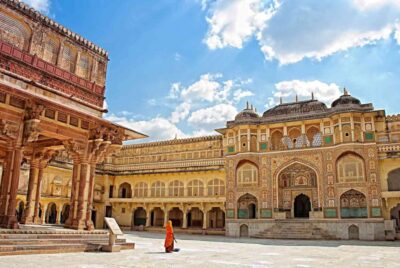
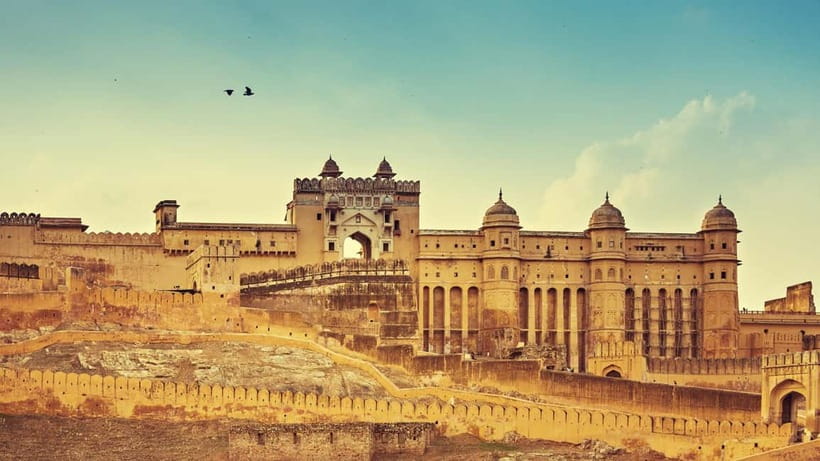
Amer Fort is the big entrance to Jaipur’s history. Built in the 16th century by Raja Man Singh I, it’s known for a distinctive mix of Rajput and Mughal styles. You’ll also get the payoff that makes people come here: the panoramic views.
In practical terms, this stop is long enough to feel like more than a photo stop. You’ll have about 1.5 hours with a guided tour, which gives you time to notice carvings, courtyards, and ornate palace areas rather than just rushing past them.
A small consideration: forts can be demanding if you’re sensitive to stairs or walking distance. The tour is structured and guided, so it’s easier than doing it alone—but it still helps to wear grippy footwear and move at your own speed.
Hawa Mahal: the Palace of Winds and the 953-window trick
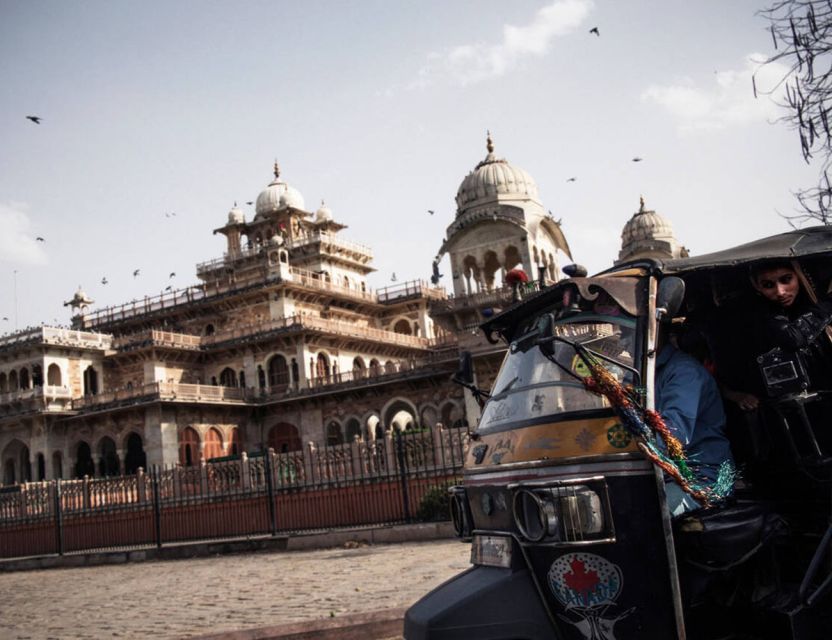
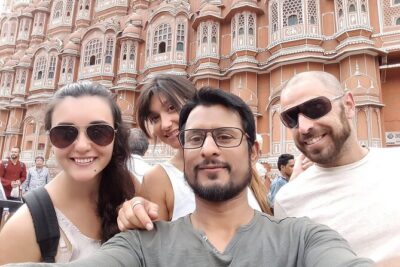
Hawa Mahal is pure Jaipur theater: a pink sandstone façade designed for a specific job. The famous detail here is the 953 windows, built so royal women could watch street processions without being seen.
You’ll get around 30 minutes at Hawa Mahal with a guided visit. That’s enough time to understand the idea behind the architecture and to take photos without feeling like you’re in a line shuffle for the whole stop.
If you’re photographing, try to time your shots for when the light hits the façade clearly. Since the stop is short, it’s worth deciding what angles you want before you start clicking.




Panna Meena ka Kund: a quick heritage stop that can surprise you
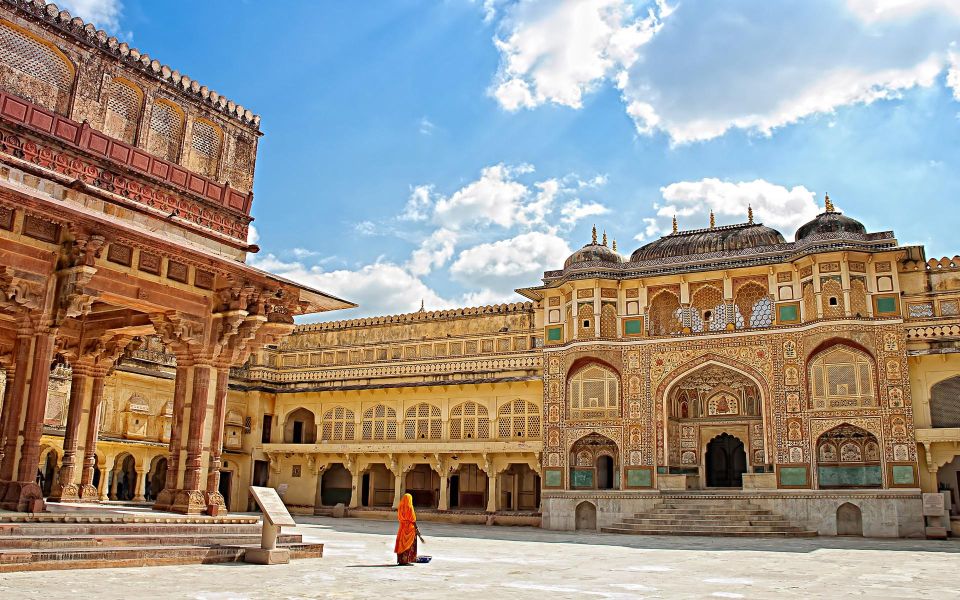
After Hawa Mahal, the day includes a visit to Panna Meena ka Kund for about 30 minutes. This is one of those Jaipur names that sounds like a side quest until you’re standing there and realizing it’s part of the city’s heritage fabric.
Because the schedule doesn’t allow long wander time, I’d treat this as a stop for noticing details rather than “fully exploring.” Use the guide time to get oriented, then take your photos and keep moving.
Jal Mahal on Man Sagar Lake: a floating palace for a breather
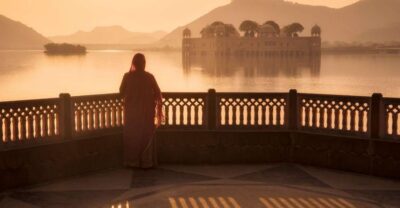
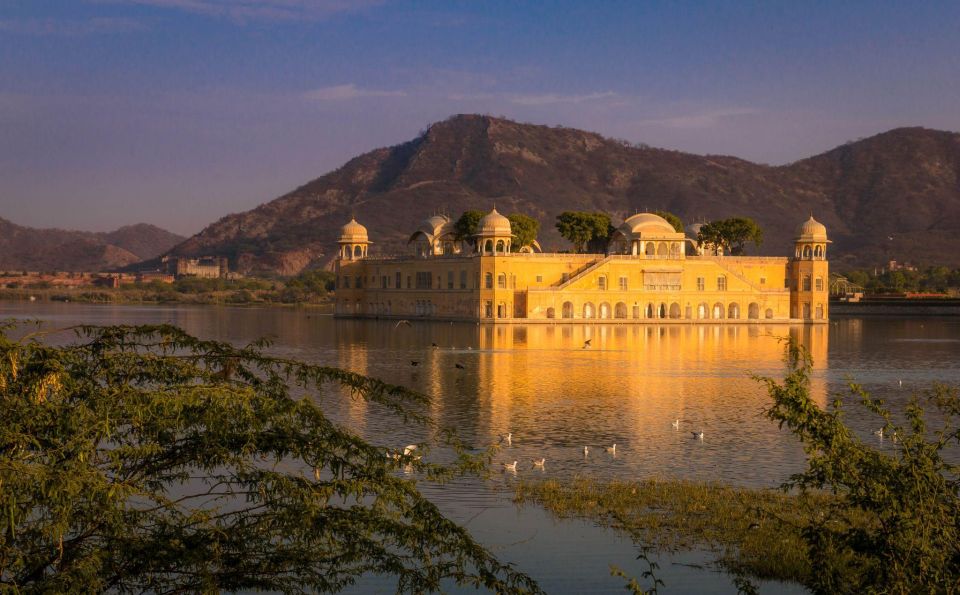
Then the tour shifts to something calmer: Jal Mahal, the palace that appears to float on Man Sagar Lake. It was built in the 18th century by Maharaja Madho Singh I, and the setting is the whole point—water reflections, greenery, and Aravalli hills in the distance.
You’ll have about 30 minutes here with guidance. That makes it a good contrast after Amer Fort. It’s also a natural break in the day, since you can slow down for pictures and a moment of quiet.
One practical note: because it’s a photogenic stop, expect people to be around. You’ll still get your time, but you’ll want to be patient and flexible with your shot angles.
City Palace: where Rajput, Mughal, and European meet
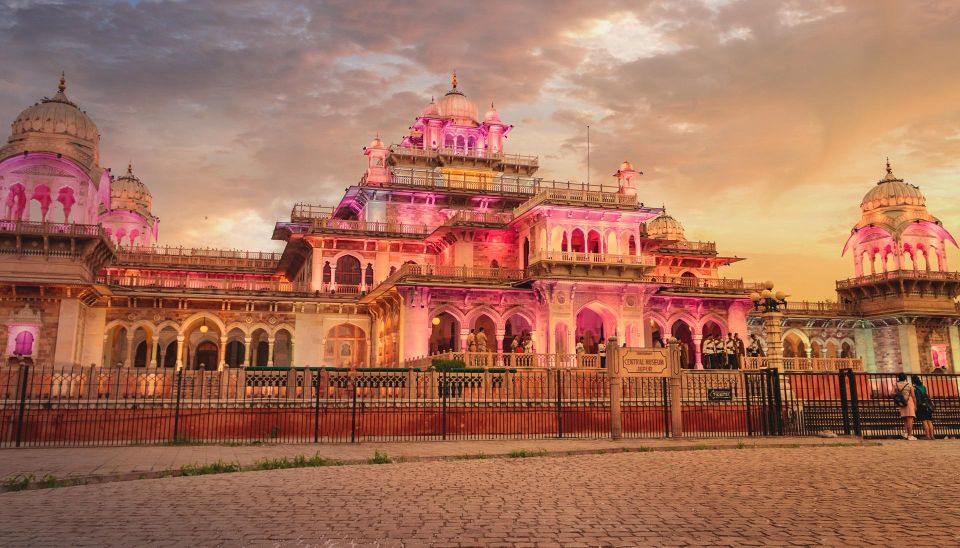
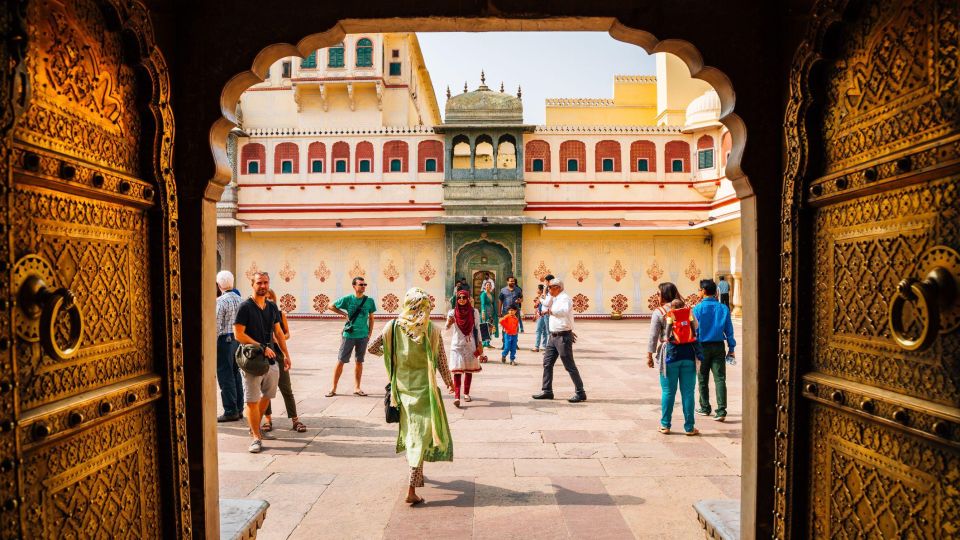
The City Palace is Jaipur’s former seat of the Maharaja, and it’s a lesson in how styles blend over time. The site is known for a mix of Rajput, Mughal, and European architectural influences.
You’ll spend about 1 hour here with a guided tour. For that length of time, it’s an ideal stop: you can see courtyards, opulent halls, and intricately decorated chambers without the day becoming a museum marathon.
If you love architecture and want context, this is where a strong guide really helps. The palace walls are impressive on their own, but the story behind the designs makes it memorable.
Jantar Mantar: the astronomy stop that feels surprisingly hands-on
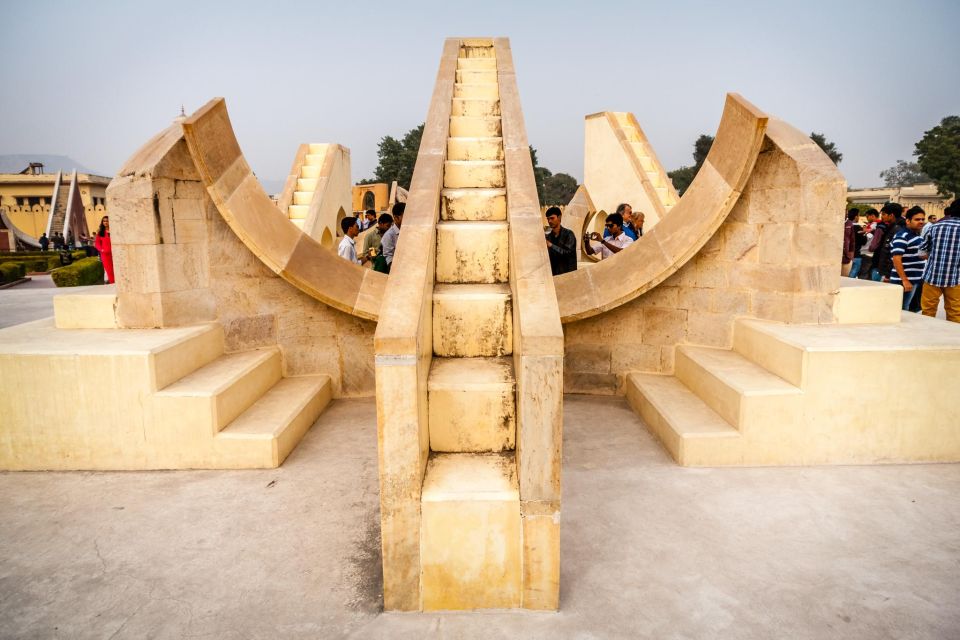
Next up is Jantar Mantar, a UNESCO World Heritage site and a real shift in theme. This astronomical observatory was built in the 18th century by Maharaja Sawai Jai Singh II.
What makes it compelling is that the tools aren’t small curiosities. You’re looking at massive stone instruments used for measuring time, tracking celestial movements, and predicting eclipses with remarkable precision.
You’ll get about 1 hour with a guided visit. That’s important here. Without explanation, it can turn into “big stones, what now?” With guidance, you’ll understand how the shapes relate to the sky and how people of that era treated astronomy as serious science.
Lunch and the rhythm of a day well paced
Lunch gets a 1-hour slot. Meals are not listed as included, so I’d plan to pay for your food at the stop.
One smart move: keep your lunch light if you have more walking ahead. This tour keeps moving after lunch into shopping and then more monuments, so energy matters.
Also, you’ll likely be doing this around peak activity times in the city. Bottled water is included, so use that and keep your pace steady.
Markets and shopping: silver, gems, blue pottery, crafts
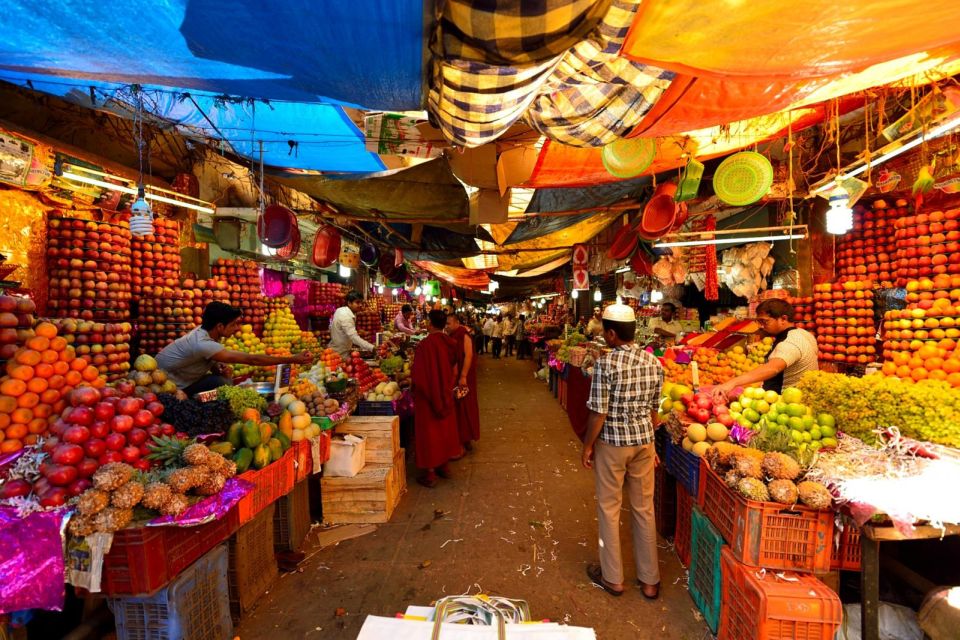
After lunch, you get about 1 hour for shopping. This is your chance to see Jaipur’s craft specialties up close, including silver jewelry, gem stones, blue pottery, and handicrafts.
It’s also where you can browse everyday craft items without turning the whole day into a store run. The tour’s focus is on cultural browsing—textiles, bangles, and block-printed designs—so you’re not just hunting for souvenirs.
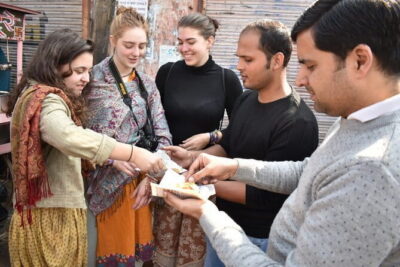
If you want a taste of the local flavor, the day points toward Rajasthani street food and masala chai. Keep it simple: try one thing you’ve never had before, and don’t overpack your stomach right before the final monument stops.
Cultural experiences: craft stops and learning by watching
Beyond monuments, there’s room for cultural experiences tied to traditional crafts. The tour information points to options like learning crafts such as block printing or pottery.
In practice, the difference can come down to the guide. People I’m referencing here praised the way guides like Shakeer took them to local craft workshops/showrooms with no pressure to buy—more a chance to watch skilled work than a sales push. That’s the kind of add-on that makes a sightseeing day feel more local.
If you like watching artisans work, ask your guide if there’s a short craft stop option that fits your interests. It’s easier to adapt when the guide is proactive.
Guides and drivers: names you’ll hear in the real world
This tour leans heavily on the guide. The operator states that a professional live tour guide is available in many languages, including English, Italian, Japanese, Spanish, French, Hindi, German, and Russian.
From past experiences, specific guides have stood out:
- Rajendra stood out for Spanish-speaking guests, with very strong language control and lots of answers.
- Mustaq impressed with history knowledge and good organization, plus on-time pickup.
- Amzad Ali was praised for fluent English and Italian, detailed explanations, and great photo help.
- Shakeer / Shankeer was praised for tailoring the day to interests, plus making craft stops feel friendly and low-pressure.
Drivers matter too in a city like Jaipur. When the tuk-tuk driver is careful and considerate, the day feels smoother and safer, especially when you’re switching between busy areas.
Should you book this Jaipur tuk-tuk sightseeing tour?
Book it if:
- you want a first-time Jaipur overview with the big hits like Amer Fort, Hawa Mahal, Jal Mahal, City Palace, and Jantar Mantar
- you value a structured day with pickup, a live guide, and transport sorted
- you’d like shopping time for Jaipur crafts without committing to a full shopping day
Consider a different option if:
- you hate shopping time (there’s 1 hour set aside)
- you expect a lot of museum-level time inside monuments (the stops are guided and timed)
- you want fully included monument entrances and camera fees (they’re not part of the listed inclusions)
For most people with one working day in Jaipur, this strikes a good balance: iconic landmarks, a real guide, and just enough market time to bring home something besides photos.
FAQ
What is the total duration of this tour?
The tour lasts 8 hours.
What time does the tour start?
There are multiple starting times from 8:00 am to 10:00 am, with options every 30 minutes.
Do you include hotel pickup and drop-off?
Yes. You get pickup and drop-off by tuk-tuk, including from your hotel (and pickup is also offered from the airport or railway station).
Is bottled water included?
Yes. Bottled water is included.
Are entrance fees included for the monuments?
No. Entrance fees and camera fees are not included.
Is lunch included?
No. Meals are not included, even though the day includes a lunch break.
Is there a guided tour?
Yes. A professional live tour guide is included, and you can choose from multiple languages.
What languages are available for the guide?
English, Italian, Japanese, Spanish, French, Hindi, German, Russian.
Does the tour offer skip-the-ticket-line?
Yes. The activity description states skip the ticket line.
What do I need to bring?
Bring your passport or ID card.
What is the cancellation policy?
You can cancel up to 24 hours in advance for a full refund.