REVIEW · TRAIN EXPERIENCES
Same Day Jaipur Tour from Delhi by Car or Train
Book on GetYourGuide →Operated by Amin Tours · Bookable on GetYourGuide
One-day Jaipur beats planning a longer trip. This full-day run from Delhi is a smart way to catch Jaipur’s top sights—forts, palaces, and UNESCO astronomy—without turning your trip into a logistics puzzle.
I especially like the government-approved guide who keeps each stop clear and story-driven, and the fact that monument entrance tickets are included along with private AC transport and bottled water.
One consideration: it’s a packed schedule inside a long day, so you’ll want to show up ready for a faster pace than you’d get on a multi-day visit.
In This Review
- Key takeaways before you go
- Car vs Train: picking your pace from Delhi
- First stop: Jaigarh Fort and the world’s largest cannon on wheels
- City Palace courtyards, museum galleries, and what you may need separately
- Hawa Mahal: Palace of Winds in latticework view time
- Jal Mahal on Man Sagar Lake: a scenic pause for photos
- Jantar Mantar: UNESCO instruments and 18th-century astronomy
- Lunch break in Jaipur: eating well without losing the day
- How the day stays smooth: timing, guides, and the photo-friendly rhythm
- Price and value check: what $97 gets you
- Who should book this day trip from Delhi?
- Should you book it?
- FAQ
- How long is the Jaipur day trip from Delhi?
- Do I have to choose car or train before booking?
- What time does the train option start?
- What Jaipur sights are included in the tour?
- Are monument entrance tickets included?
- Is lunch included?
- What languages are available for the guide?
- What ID do I need for the tour?
- What is the pickup and return setup?
Key takeaways before you go
- Car or train option: pick your comfort level, but either way you’re set up with transfers and a local guide
- Jaigarh Fort’s cannon highlight: the world’s largest cannon on wheels is a real conversation-starter
- City Palace plus the museum galleries: great for understanding Rajput royal life, with one ticket you may need separately
- Hawa Mahal and Jantar Mantar fit tightly: short stops, so rely on your guide for the best viewing moments
- Jal Mahal is a photo stop on Man Sagar Lake: quick, scenic, and easy to enjoy even if time is short
- Team experience matters: drivers are often praised for safe, punctual driving on the long route
Car vs Train: picking your pace from Delhi
This tour is designed for one-day Jaipur from Delhi, and the best choice is really about how you want to feel at the end of the day. If you choose the private AC car, you’ll be picked up from your location in Delhi/NCR and taken back after sightseeing within a total 13-hour experience. If you choose the train option, you’re picked up around 5:00 AM and arrive in Jaipur around 10:00 AM, then return with a driver drop at the station by about 6:00 PM and a late return to Delhi (around 11:00 PM).
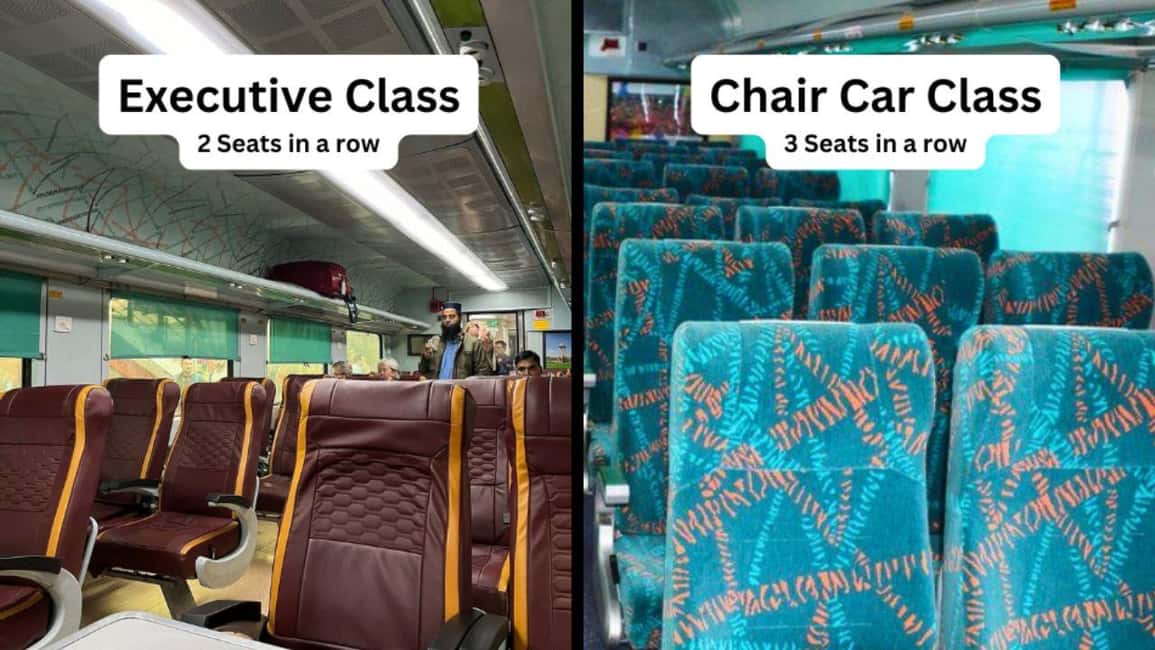
In practical terms, the car option often feels simpler: fewer transfers, and you can stay in one vehicle with your guide’s flow. The train option can feel more manageable because the ride is built in; you also get round-trip AC train tickets (1st or 2nd class depending on what you pick) plus transfers between station and your hotel.
Either way, you’re not left guessing. The plan includes hotel/airport pickup in Delhi/NCR and scheduled drop-offs, and you get a licensed local guide in Jaipur for the sightseeing portion.
You can also read our reviews of more tours and experiences in Jaipur.

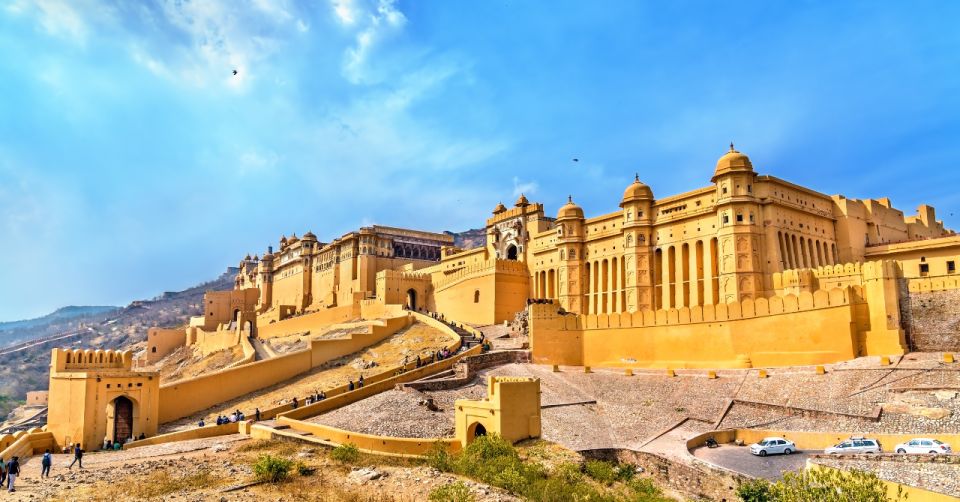
First stop: Jaigarh Fort and the world’s largest cannon on wheels
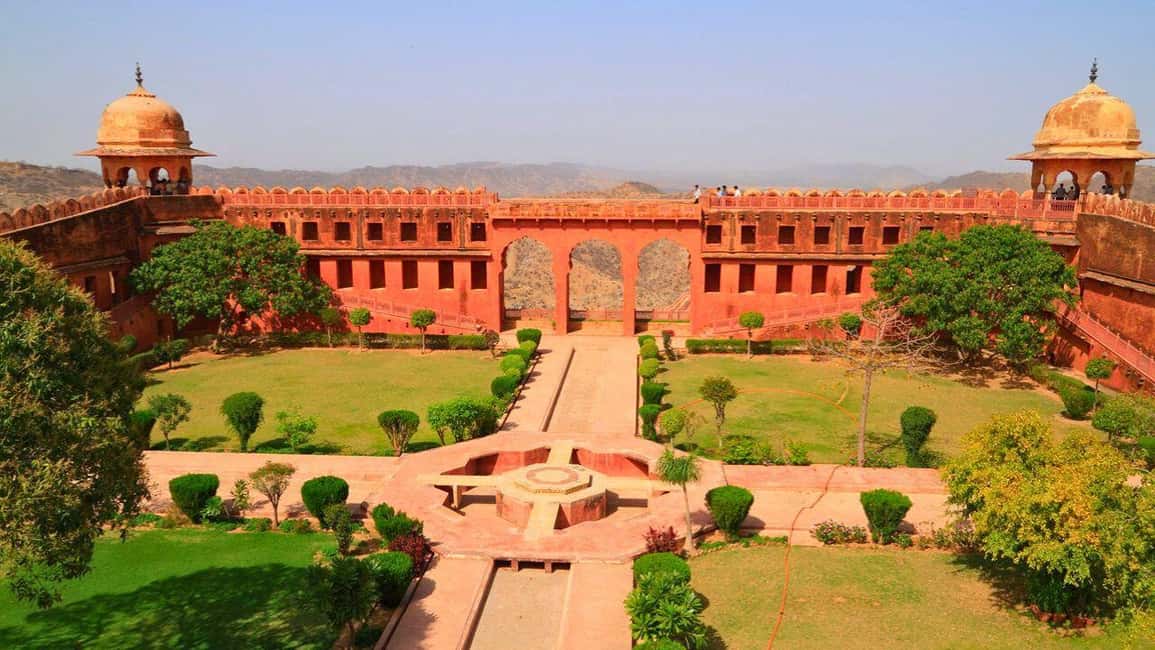
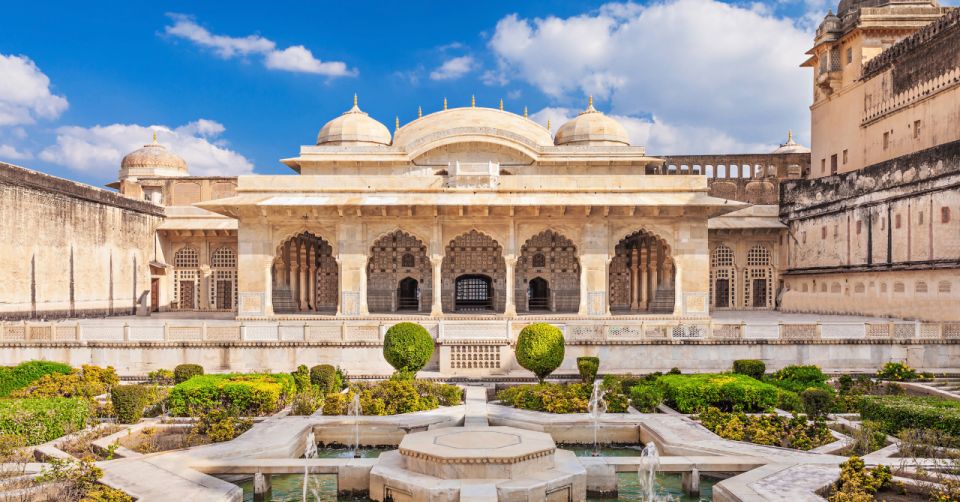
Jaipur starts strong at Jaigarh Fort, where the headline is the world’s largest cannon on wheels. It’s the kind of detail that makes a place stick in your mind because it’s so specific. You’ll spend about 1 hour here with guided sightseeing, and your guide is there to explain what you’re seeing instead of letting the fort become just more stone and towers.
What I like about this stop for first-timers is that it sets the theme of the day: Jaipur’s royal architecture wasn’t just for looks—it was made for defense, control, and power. With a guide, you also get help spotting the best angles for photos without burning time wandering.
One timing tip: forts can mean walking in sun and shade swings. Bring a light layer if you’re sensitive to temperature, and keep your water bottle handy (you’ll have bottled mineral water during the tour). If you’re trying to avoid harsh light for photos, your guide can help you position yourself while you’re there.
City Palace courtyards, museum galleries, and what you may need separately
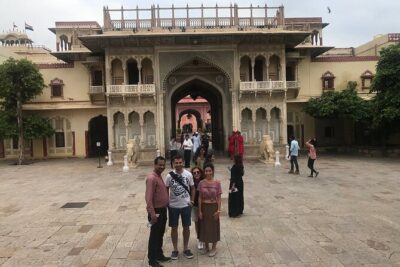
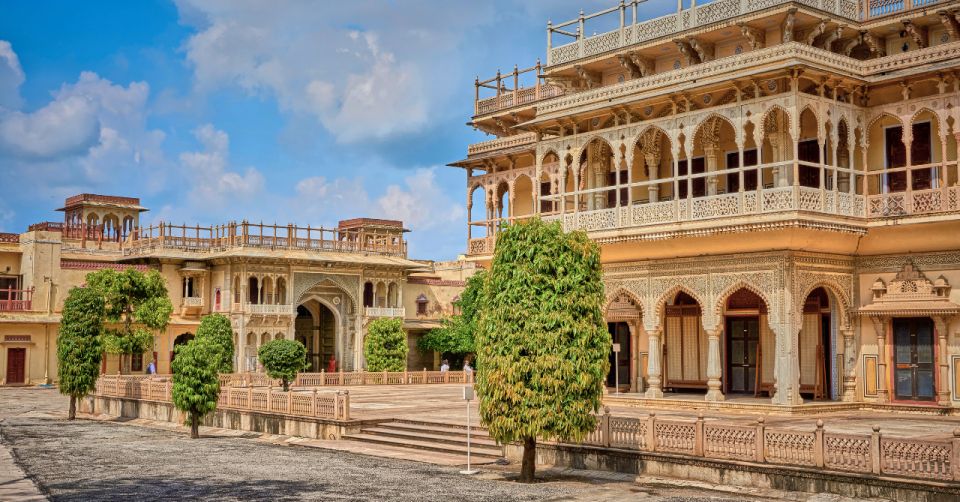
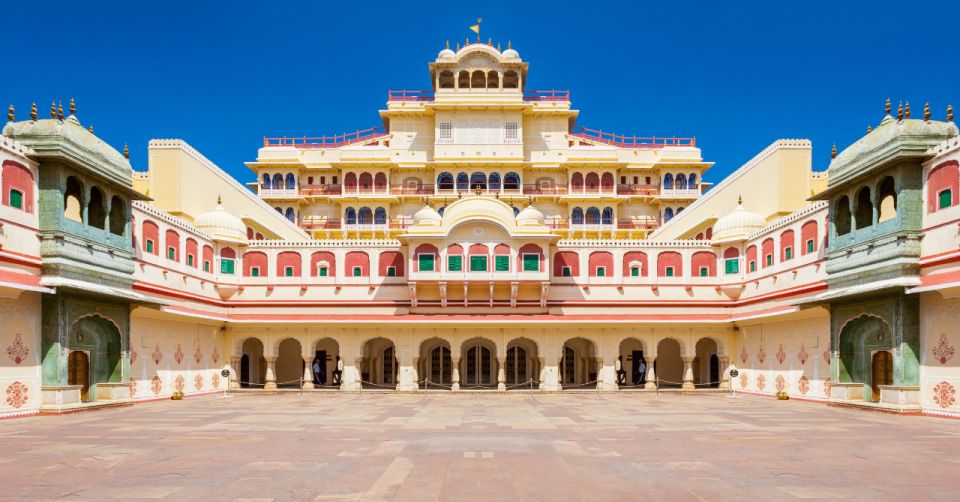
Next you move into City Palace, Jaipur, with around 2 hours of guided time. This is where you get the “royal capital” feeling in a more intimate way than a fort: courtyards, museum galleries, and the living sense of how Rajput rulers wanted their world remembered.
A key detail: Chandra Mahal tickets are not included. That matters because some visitors plan their priorities around it. If Chandra Mahal is high on your must-see list, factor in that you may need to arrange that separately so you don’t feel rushed when you reach the point where it would be relevant.
What’s valuable here is the way a guide connects design choices to royal life. The City Palace stop isn’t just about seeing buildings; it’s about understanding why spaces were arranged the way they were and how power was displayed in art and architecture. If you like photo opportunities, this is also usually the most forgiving stop because courtyards give you multiple viewpoints without constant movement.
If you want to maximize the City Palace time, come in with one or two questions—like what each section was used for—so you can guide your own attention while the guide keeps the pace manageable.
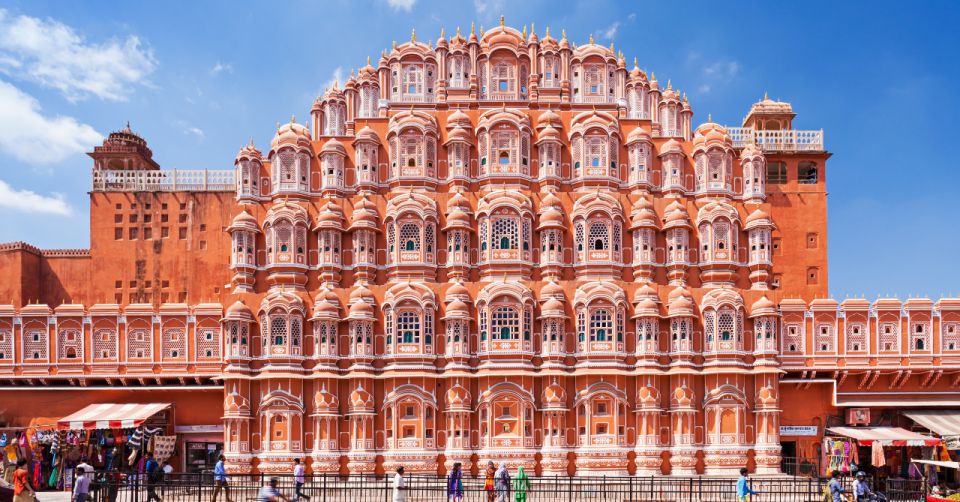
Hawa Mahal: Palace of Winds in latticework view time
Then you hit Hawa Mahal, also known as the Palace of Winds. The time here is short—about 30 minutes with guided sightseeing—so this is not a “take your time” stop. It’s a classic Jaipur hit-and-shoot: see the facade, learn what you’re looking at, and capture the best angles.
Why this stop is worth prioritizing even with limited time: Hawa Mahal is famous for its intricate latticework facade, and your guide can explain what makes it distinctive. Standing close (or at a smart street-facing position) helps you notice the details that you miss if you view it from far away.
Practical note: if you’re picky about photos, start by photographing the facade itself, then turn to shots that show context (street/structure relationships). With only about half an hour, you’ll want a quick plan so you don’t spend it figuring out where your best shot is.
Jal Mahal on Man Sagar Lake: a scenic pause for photos
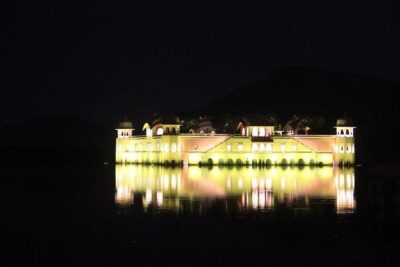
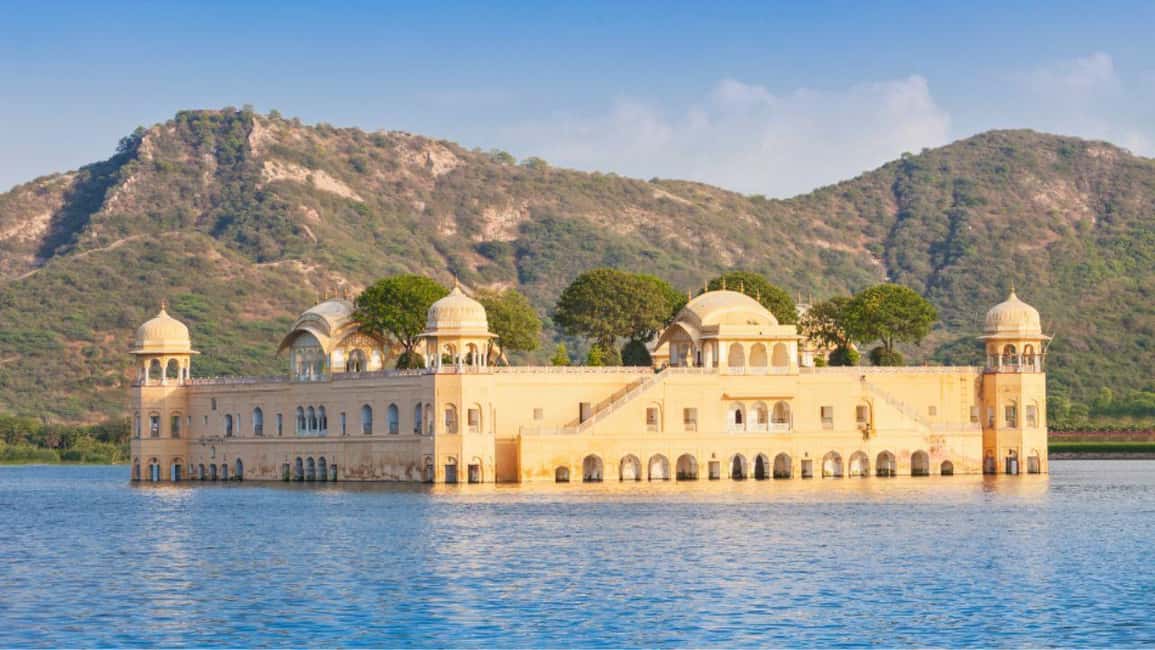
After Hawa Mahal, the tour includes Jal Mahal (Water Palace), set in Man Sagar Lake. Your time is around 30 minutes, and it’s described as a photo stop with guided time.
This is the kind of stop that works even if you’re tired, because it’s scenic without demanding heavy walking. If you like compositions—reflections, symmetry, and that “floating palace” look—this is where you’ll feel the reward of the earlier schedule.
The main drawback is also the nature of a photo stop: you’re not spending long enough to treat it like a full exploration site. If you want more than photos, plan for a separate visit on another day in Jaipur. For this day trip, though, it’s a good visual reset.




Jantar Mantar: UNESCO instruments and 18th-century astronomy
Next comes Jantar Mantar, Jaipur, a UNESCO World Heritage site known for giant instruments used for astronomy in the 18th century. You’ll have about 45 minutes here with guided sightseeing.
This is one of those places where a guide changes everything. Without context, it can look like a collection of odd structures. With context, you start to see it as a designed system—tools built to measure and track astronomical patterns. Even if you’re not a science person, the scale and the purpose make it easier to appreciate.
Because the time is limited, ask your guide to point out what to focus on when you’re looking at the instruments. Use your time to connect “what it is” to “how it was used,” rather than trying to read every detail yourself while others move along.
If you’re traveling with anyone who likes history-by-topic (science, navigation, timekeeping), this stop can be a highlight because it’s different from the usual palace-and-fort route.
Lunch break in Jaipur: eating well without losing the day
You’ll get a 1-hour lunch break at a local restaurant. The tour plan is built to keep you moving, so this is less about a long meal experience and more about a reset so you can continue sightseeing.
Here’s the balanced way to look at it: lunch is part of the schedule, but the tour information doesn’t clearly state that your meal is included as part of the price. So I’d plan on paying for your own lunch unless the operator confirms otherwise at booking.
Based on what you’ll likely experience, pick something that’s easy to eat quickly and won’t slow you down. If you have dietary needs, the tour notes that vegetarian and special diet options are available, so mention requirements early so the guide can steer you to something realistic.
If the day feels hot (Jaipur can be warm and humid depending on season), prioritize water and simple food. It’ll help you enjoy the forts and monuments instead of thinking only about comfort.
How the day stays smooth: timing, guides, and the photo-friendly rhythm
The best part of a day trip like this isn’t any one monument—it’s how the pieces fit. This tour is built around pickup, a guided route, entrance tickets, and transport that stays with you. That’s why so many people rate the experience highly: the big friction points (finding people, lining up for tickets, timing gaps) get handled.
I also like that your guide can help you become your own photographer. Several guide names have shown up in recent experiences—Brijesh, Kishor, Munindra, Kamran, Abid Khan, and Brajesh—and the pattern is consistent: they explain what you’re seeing and help with photo moments. You’ll also have a driver team that’s described as punctual and careful, which matters when the day depends on keeping moving.
A small strategy that helps: keep your “must-see photo” list short. With tightly timed stops (especially Hawa Mahal and Jal Mahal), you’ll get more satisfaction from a few strong shots than a scatter of half-composed ones.
And if you want flexibility, the tour is described as customizable. If something feels off—timing, photo angle needs, or your interests—request changes after booking.
Price and value check: what $97 gets you
At $97 per person, this day trip can be good value if you’re the type of traveler who wants fewer decisions and smoother logistics. Here’s what you’re paying for in real terms:
- Private guided tour of Jaipur
- Private, air-conditioned transportation (for the car option)
- Government-approved local tour guide
- Monument entrance tickets (with the one exception that Chandra Mahal tickets aren’t included)
- Hotel/airport pickup and drop-off across Delhi/NCR zones
- Bottled mineral water
- Taxes, tolls, fuel, and service fees
- For the train option: round-trip AC train tickets plus station-to-hotel transfers
So the value isn’t just “seeing Jaipur.” It’s paying for the stuff that normally eats time on your own—ticket handling, navigation, and a guide to translate the visual language of forts and palaces.
The only place value can vary is lunch, since it’s scheduled but not clearly listed in inclusions. If you keep that in mind, you won’t feel surprised later.
Also, if you’re sensitive to pace, know that you’re hitting multiple major sights in one day. That’s not a flaw; it’s just the tradeoff for doing Jaipur as a day trip from Delhi.
Who should book this day trip from Delhi?
This is a strong fit if:
- You’re short on time and want a top-sights Jaipur day
- You prefer a private guide who can shape the day to your interests
- You want a plan with pickup, tickets, and transport handled
- You’re traveling solo and want the comfort of a driver plus guide team through the day
It may be less ideal if you want a slow, unhurried museum-style day where you can linger for 2+ hours in one place. This trip’s structure is built for movement—fort, palace, photo stops, astronomy instruments—so you’ll get breadth, not depth.
Should you book it?
I’d book this if you want a practical, guided Jaipur day that doesn’t force you to manage the hard parts. The best reason is the value pile-up: AC transport (or round-trip AC train), a government-approved guide, and entrance tickets for the key sights within a single organized day.
Just be honest about one thing: it’s long and packed. If you can handle a tighter pace and you’re okay with quick stops at some of the most famous viewpoints, you’ll come away with a solid set of Jaipur images and context—exactly what you want from a one-day plan.
FAQ
How long is the Jaipur day trip from Delhi?
The experience runs for about 13 hours.
Do I have to choose car or train before booking?
Yes. You need to select the Car option or the Train option (1st AC or 2nd AC) before booking.
What time does the train option start?
With the train option, pickup is around 5:00 AM, and you arrive in Jaipur around 10:00 AM.
What Jaipur sights are included in the tour?
You’ll visit Jaigarh Fort, City Palace, Hawa Mahal, Jal Mahal (photo stop), and Jantar Mantar.
Are monument entrance tickets included?
Yes. Entrance tickets are included for the monuments on the route, but Chandra Mahal tickets are not included.
Is lunch included?
Lunch time is included in the schedule (about 1 hour at a local restaurant), but the tour details do not explicitly confirm that lunch cost is included in the price.
What languages are available for the guide?
The live guide can speak English, French, German, Hindi, Russian, and Spanish.
What ID do I need for the tour?
Bring a passport or ID card.
What is the pickup and return setup?
Pickup is included in Delhi/NCR locations listed for the tour. With the train option, the Jaipur driver drops you at the station by about 6:00 PM, and a Delhi-side driver meets you around 11:00 PM to return you to your hotel.