REVIEW · GOLDEN TRIANGLE TOURS
3-Days Golden Triangle’s Private Tour
Book on Viator →Operated by India Tours Cabs · Bookable on Viator
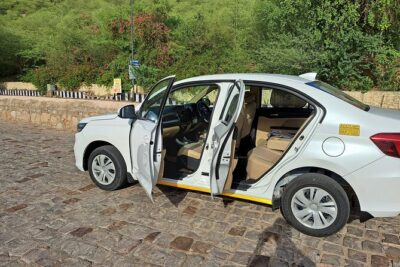
Golden Triangle tours usually feel rushed. This one keeps it practical with private transportation and a plan that links Delhi, Agra, and Jaipur fast. I like that you get a guide-forward sightseeing day in Delhi with Suhani-style explanations—easy to ask questions, and genuinely fun—plus a modern, clean ride that cuts the stress of buses and trains. Still, the schedule is tight and site entry tickets aren’t included, so you’ll want to budget for admissions.
What really works is how the logistics are handled. You start with a Delhi-area pickup between 9 AM and 11 AM, then you’re carried between cities and major monuments while you focus on photos, stories, and getting your bearings. The main catch is that meals and accommodation are extra (unless you choose the With Hotel option), so your true total depends on how you want to travel.
In short: if you want maximum sights with minimum hassle, it’s a strong fit. Just know you’ll be paying for most monuments separately and moving at a quick pace across three days.
In This Review
- Key highlights to know before you go
- A 3-day Golden Triangle that prioritizes comfort and time
- Private transportation value: what you gain versus buses and trains
- Day 1 in Delhi: from monumental power to spiritual stops
- Red Fort: a UNESCO landmark with a dramatic feel
- Jama Masjid: big scale, then a view
- Gurudwara Bangla Sahib: calm reset in the middle of the day
- Akshardham and Humayun’s Tomb vs Qutub Minar: expect a fast rhythm
- India Gate: a classic end-of-day walk
- Day 2 in Agra and Fatehpur Sikri: the Mughal highlight reel
- Agra Fort: architecture that complements the Taj
- Itmad-ud-Daula: the quieter “Baby Taj”
- Fatehpur Sikri en route Jaipur: a time capsule stop
- Day 3 in Jaipur: forts, a palace of windows, and markets
- Amber Palace: hilltop views and the elephant option
- Hawa Mahal: the famous facade
- City Palace: museums and courtyards
- Jal Mahal: the lake-side pause
- Markets: Johari Bazaar and Bapu Bazaar time
- What’s included (and what you’ll likely pay separately)
- How the guide experience shapes the day (and why it matters)
- Practical tips to make this 3-day plan feel good
- Should you book this private 3-day Golden Triangle tour?
- FAQ
- What cities does the pickup cover for this tour?
- Does the tour include drop-off at the end?
- Is this a private tour?
- Are entrance/admission tickets included for major attractions?
- What is included in the price?
- Are meals and accommodation included?
- Can the itinerary be customized?
- What happens if the weather is bad?
- Can I cancel for a full refund?
Key highlights to know before you go
- Private, group-only touring across Delhi, Agra, and Jaipur—no mixed bus crowds
- Delhi pickup and drop-off from multiple nearby cities, with a 9 AM–11 AM window
- Suwani-style guide attention: clear explanations and an easy back-and-forth feel
- Iconic stops in a smart order: Red Fort, Jama Masjid, Taj Mahal, Amber Fort, and more
- Flexibility built in: your private itinerary can be customized to your needs
- Comfort-forward service: modern vehicles, punctual drivers, and a well-managed experience
A 3-day Golden Triangle that prioritizes comfort and time
If you’re short on time in North India, the Golden Triangle can be a lifesaver. What I like here is that it’s built around a simple goal: pack in the big names—Delhi landmarks, Agra’s Mughal icons, and Jaipur’s palaces—without turning your trip into a logistics puzzle.
Most of the hard part of this kind of trip is timing. Here, you’re not figuring out trains, ticket lines, or where to catch a taxi between stops. You’re picked up in the Delhi region, moved privately, and dropped back in Delhi at the end—so you can actually enjoy the sites instead of negotiating your way around them.
One more thing I appreciate: the itinerary can be customized. That matters if you have preferences (more photo time, less walking, a swap of one attraction for another), or if your group travels differently.
You can also read our reviews of more private tours in Jaipur


Private transportation value: what you gain versus buses and trains
You’re paying for private transportation, and that isn’t just a luxury—it’s practical in India. Long-distance travel between Delhi, Agra, and Jaipur gets smoother when you’re not transferring. In a fast itinerary, those transfers are where trips lose time.
Also, this is a group-only setup. Your car is just for your party, not for random seat-mates. For families and friend groups, that changes the vibe: you can pause for a quick snack, adjust timing around the day’s energy, and keep everyone together.
A small but real comfort point: bottled water is included. It sounds basic, but in full sightseeing days it matters—especially when you’re visiting places where you’ll likely want to stay focused and not hunt for supplies.
Day 1 in Delhi: from monumental power to spiritual stops
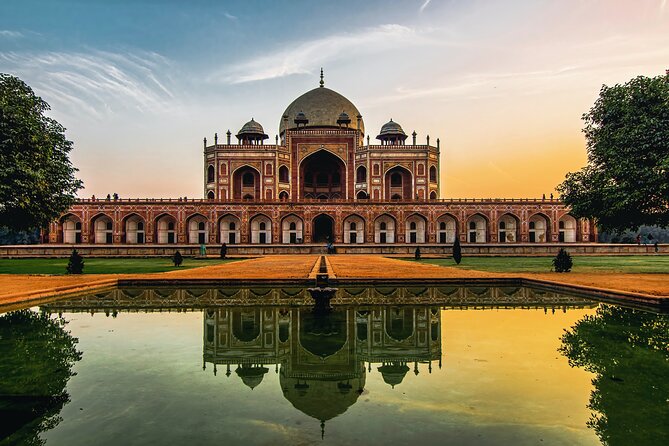
Day 1 is a full Delhi introduction, starting with pickup across the Delhi metro area—Delhi, Noida, Gurugram, Ghaziabad, and Faridabad. You choose your pickup time between 9 AM and 11 AM, which is a nice window if you’re trying to coordinate with your hotel schedule or morning energy.
Red Fort: a UNESCO landmark with a dramatic feel
You’ll head to the Red Fort, a UNESCO World Heritage Site. This is one of those places where the architecture does a lot of the talking. Give yourself time to walk through the grounds and take in the scale; even if you’re not chasing every detail, the place reads as powerful and intentional.
The drawback is simple: there’s a lot to see, and the tour moves quickly. Also, admission to the fort itself isn’t included, so you’ll need to plan for that cost.
Jama Masjid: big scale, then a view
Next is Jama Masjid, one of the largest mosques in India. The visual design is the highlight, and if you climb the minaret for panoramic views, you’ll get a different perspective on the neighborhood around you.
Again, admission isn’t included. Budget time and money for entry, and dress respectfully—your comfort will feel better if you’re not rushing a change of clothing at the last second.





Gurudwara Bangla Sahib: calm reset in the middle of the day
Then you switch gears to Gurudwara Bangla Sahib. It’s tied to a story about Guru Tegh Bahadur and the distribution of water to help people during epidemics, and that context makes the visit more meaningful than a quick photo stop.
This is a good moment to slow down. The pace on day 1 can be intense, so this stop functions like a mental reset.
Akshardham and Humayun’s Tomb vs Qutub Minar: expect a fast rhythm
After the spiritual stop, you’ll visit major Hindu temple space at Swaminarayan Akshardham and/or Mughal-era architecture around Humayun’s Tomb and Qutub Minar. The schedule suggests a choice between some attractions, so I’d assume your guide will keep timing flexible based on flow and your preferences.
- Akshardham is modern in origin (constructed in 2005), but the style aims to feel timeless.
- Humayun’s Tomb is a major Mughal monument that you’ll appreciate even if you only catch the key areas.
- Qutub Minar is the big vertical landmark, noted as the tallest brick minaret.
Admission is listed as not included for these stops too. So if you’re a numbers person, that’s your heads-up: entry fees across day 1 can add up.
India Gate: a classic end-of-day walk
You finish the day at India Gate, a war memorial. It’s a great “sit with it” stop—walk the area, read what you can, and let the day settle.
Then you transfer to Agra and get dropped at your hotel. That hotel drop matters: you aren’t just left in the city and told good luck.
Day 2 in Agra and Fatehpur Sikri: the Mughal highlight reel
Day 2 starts with the obvious reason people pick the Golden Triangle: Taj Mahal. Plan for a lot of time here. The monument is listed for about 3 hours, which is a good amount if you want photos and also time to read the scene instead of treating it like a drive-by.
Taj Mahal admission isn’t included, so you’ll pay that separately. The real value of a private plan isn’t the admission—it’s that you’re not juggling transport while everyone else is trying to organize a chaotic day.
Agra Fort: architecture that complements the Taj
After Taj, you move to Agra Fort, another UNESCO World Heritage Site. This one is more about walls, structure, and a blend of Indian and Islamic art. If you love architecture, this is where the trip deepens beyond the single postcard image.
Admission isn’t included here either, so add it to your mental budget.
Itmad-ud-Daula: the quieter “Baby Taj”
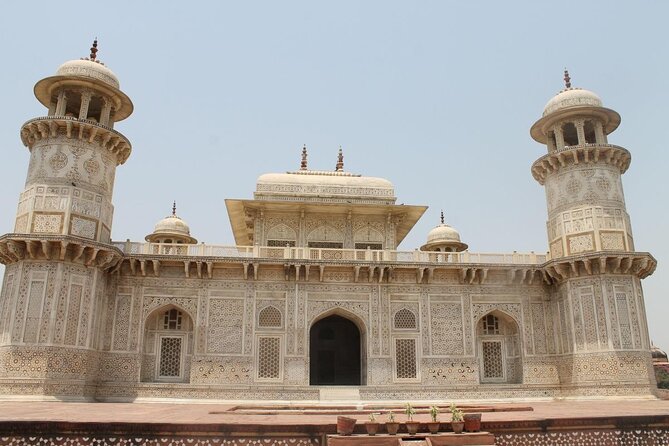
Next comes Itmad-ud-Daula, often called the Baby Taj. This stop is perfect if you want to slow down and appreciate detail—marble work and gardens around the mausoleum.
It’s listed for around an hour. That’s enough to see why the nickname sticks, without turning the day into one long monument marathon.
Fatehpur Sikri en route Jaipur: a time capsule stop
On the way to Jaipur, you get a special chance to visit Fatehpur Sikri, about 40 km west of Agra. It was a short-lived Mughal capital, and that “brief but important” story is a big part of why the place is interesting.
This is a smart addition for people who want more than three big cities’ main draws. Just keep in mind it adds time and you’ll still be heading to Jaipur afterward.
Day 3 in Jaipur: forts, a palace of windows, and markets
Day 3 is the Jaipur day, with royal architecture and time to look around on your own. After a day of monuments in Agra, Jaipur feels like a different kind of beauty—more color, more street texture, and more places to pause.
Amber Palace: hilltop views and the elephant option
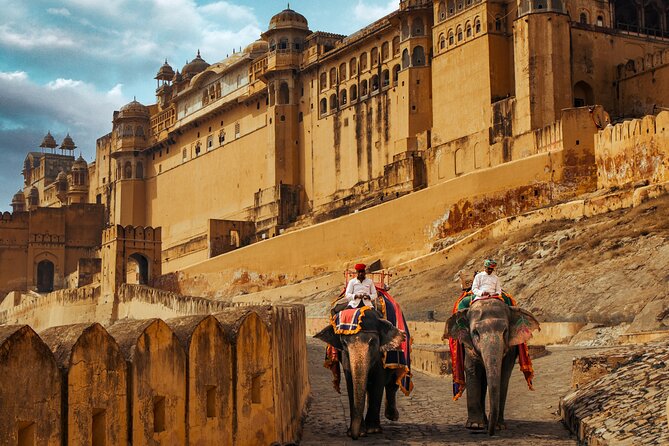
First up is Amber Palace. You’ll explore the hilltop fortress, and the plan mentions an elephant ride option up to the fort entrance.
Important practical note: the ride itself is likely an extra cost, since entry/admission isn’t included for the stop. If you’re traveling with kids, it can be a memorable moment. If you’d rather skip it, you can still enjoy the fort and views.
You’ll have about 3 hours allocated, which gives you time to walk and not just check a box.
Hawa Mahal: the famous facade
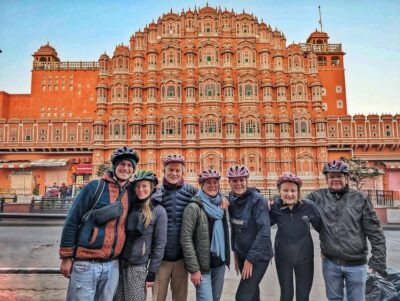
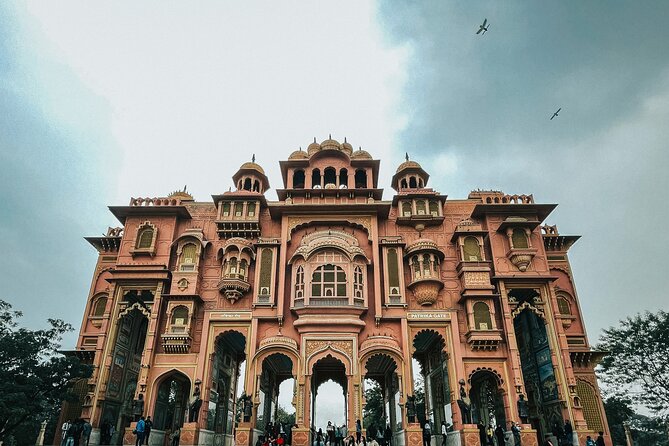
Then Hawa Mahal (Palace of Wind). This stop is mostly about the ornate facade with its lattice design and many windows—built so royal women could observe the busy street below.
Admission isn’t included, and the time window is about 30 minutes. If you want more time, ask your guide if you can shift the pacing.
City Palace: museums and courtyards
Next is the City Palace of Jaipur, home of the royal family. You’ll explore courtyards and museums and look at art and artifacts. This is a great “slow down” stop because it rewards attention—plan on taking a bit more time inside than outside.
Again: admission isn’t included, so you’ll pay separately.
Jal Mahal: the lake-side pause
You’ll see Jal Mahal, situated in the Man Sagar Lake. It’s listed as part of the day’s sightseeing, and even if your time there is brief, it adds a scenic contrast between the forts and the palace buildings.
Markets: Johari Bazaar and Bapu Bazaar time
After the monuments, you get free time for Jaipur markets, including Johari Bazaar and Bapu Bazaar. This is where you can find gifts, textiles, and everyday items—but it’s also where you’ll do most of the spending.
If you like shopping, this free time is a big part of the value. If you don’t, you can use that window for a café break and a slower walk instead.
Then you head back to Delhi and get dropped at your preferred location, marking the trip’s end.
What’s included (and what you’ll likely pay separately)
This tour includes the “keep it moving” essentials: bottled water, fuel surcharge, gratuities, parking fees, and private transportation. It also uses mobile tickets, which are handy if you don’t want printed confirmations floating around in your daypack.
What’s not included is the big budget item: most site admissions. The plan clearly lists admission tickets as not included for major stops like Red Fort, Jama Masjid, Taj Mahal, Agra Fort, and others. So your final trip cost will be the tour price plus the attraction entry fees for the days you visit.
Meals and accommodation are also extra. The info notes that meals are provided only if you select a With Hotel option, so don’t assume your day is covered for food. On a packed schedule, you’ll thank yourself for planning ahead.
How the guide experience shapes the day (and why it matters)
One thing that stood out in the service style is the role of the guide. Suhani is specifically mentioned as a delightful guide who’s extremely knowledgeable in a way that’s easy to talk to. That’s not a small detail. In places like Delhi and Agra, the difference between a good and great visit often comes down to explanations—why a structure looks the way it does, and what people were trying to achieve.
You also benefit from drivers who handle traffic calmly. Jaipur roads can be chaotic, and the service style described focuses on calm, safety-conscious driving. That means fewer stress spikes, and it helps you enjoy the time you paid for.
For corporate groups too, the service reputation shows up as punctual and reliable. While your trip is a private sightseeing setup, that matters because you want predictability when you’re moving between multiple major attractions.
Practical tips to make this 3-day plan feel good
This tour is intense by nature. You can still make it comfortable with a few choices.
- Wear shoes you can walk in for hours. Forts and tomb grounds tend to mean uneven pavement and stairs.
- Keep a light layer. Mornings can start cool; afternoons can feel hotter depending on the season.
- Plan for separate entry tickets. If you’re the kind of traveler who likes to know totals, add admissions to your budget before you go.
- Have a face-saving strategy for elephant rides. If it’s on your list, be ready for extra cost and practical handling. If it’s not, tell your guide you’d rather skip it.
- Use the market time well. Johari Bazaar and Bapu Bazaar are where you can actually turn sightseeing into souvenirs—so decide what you want to buy early.
Should you book this private 3-day Golden Triangle tour?
I’d book it if you:
- want a private Delhi–Agra–Jaipur route without the hassle of trains and transfers
- have limited time and want the main sights in three days
- like being able to ask questions and get clear context from a guide like Suhani
- value comfortable, reliable pickup and drop-off from the Delhi metro area
I’d think twice if you:
- hate tight schedules and want more breathing room between monuments
- don’t want to pay separate entrance fees for major sites (admissions aren’t included)
- want full meal and lodging coverage without choosing a With Hotel option
This is best for travelers who want the Golden Triangle highlights with less friction and more focus on the sights themselves.
FAQ
What cities does the pickup cover for this tour?
Pickup is offered from anywhere in Delhi, Noida, Gurugram, Ghaziabad, and Faridabad, with a chosen pickup time between 9 AM and 11 AM.
Does the tour include drop-off at the end?
Yes. The end of the tour includes driving you back to Delhi and dropping you at your preferred location.
Is this a private tour?
Yes. It’s private, and only your group will participate.
Are entrance/admission tickets included for major attractions?
The tour lists admission tickets as not included for many key sites such as Red Fort, Jama Masjid, Taj Mahal, Agra Fort, and others.
What is included in the price?
Included items are bottled water, fuel surcharge, gratuities, parking fees, and private transportation. Mobile tickets are provided.
Are meals and accommodation included?
Meals and accommodation are not automatically included. The info says meals are provided if you choose the With Hotel option.
Can the itinerary be customized?
Yes. The private itinerary can be customized to suit your requirements.
What happens if the weather is bad?
The experience requires good weather. If it’s canceled due to poor weather, you’ll be offered a different date or a full refund.
Can I cancel for a full refund?
Free cancellation is available. You can cancel up to 24 hours in advance of the experience for a full refund; canceling less than 24 hours before start time isn’t refundable.
If you tell me your travel month and whether you want sunrise timing for the Taj Mahal (or to skip the elephant ride), I can help you sanity-check whether the pacing will feel comfortable for your group.