REVIEW · JAIPUR WILDLIFE SAFARIS
Safari In Jhalana Leopard Conservation Reserve, Jaipur
Book on Viator →Operated by BanBanjara · Bookable on Viator
Leopards inside Jaipur sound unreal. What makes this safari click is how Jhalana Leopard Conservation Reserve puts serious wildlife right by the city, and how the open-air jeep keeps you moving through habitats where animals actually use the space.
I love that you get a forest expert guide focused on spotting wildlife and birds, not just driving around. I also like the simple format: a true 2.5-hour safari (with water and soft drinks) that works whether you choose morning or late afternoon.
One drawback to keep in mind: permit access can be controlled by the government, and your exact slot may sometimes shift. Plan with flexibility if you’re the type who hates changes.
In This Review
- Key Things You’ll Notice Fast
- Jhalana Leopard Conservation Reserve: Why This Safari Works from Jaipur
- Picking the Right Time: Morning vs Late Afternoon (and Why It Matters)
- How the 2.5-Hour Jeep Safari Usually Runs
- Meet at the Jhalana Leopard Safari Park
- Ride out in an open-air gypsy/jeep
- Spend the bulk of the safari scanning and stopping
- Return to the meeting point
- Leopard Chances: What You’re Actually Targeting
- Wildlife You Can Spot Beyond the Big Cats
- Bird Watching with a Forest Expert Guide
- Sunrise or Sunset Add-On: When the Light Is the Point
- Price and Value: Is $48 a Good Deal for This Safari?
- Practicalities: Meeting Point, Expectation Management, and Small Comforts
- Where to go
- Arrive with buffer time
- Drinks are included, but dress matters
- Permits and the backup safari
- Weather can affect everything
- Who This Safari Is Best For (and Who Might Skip It)
- Should You Book Safari in Jhalana Leopard Conservation Reserve?
- FAQ
- How long is the Jhalana Leopard safari?
- What time slots are available?
- Is this safari private?
- What’s included in the price?
- What happens if permits aren’t available for Jhalana?
- Is it refundable if I cancel?
Key Things You’ll Notice Fast
- City-close reserve: Jhalana is in the middle of Jaipur, so you avoid a long day-trip.
- Private format: This is set up so only your group rides along.
- Two clean time windows: Morning (6:45 AM–9:30 AM) or late afternoon (3:30 PM–6:15 PM).
- Forest expert guidance: The guide’s bird and animal spotting helps you actually identify what you’re seeing.
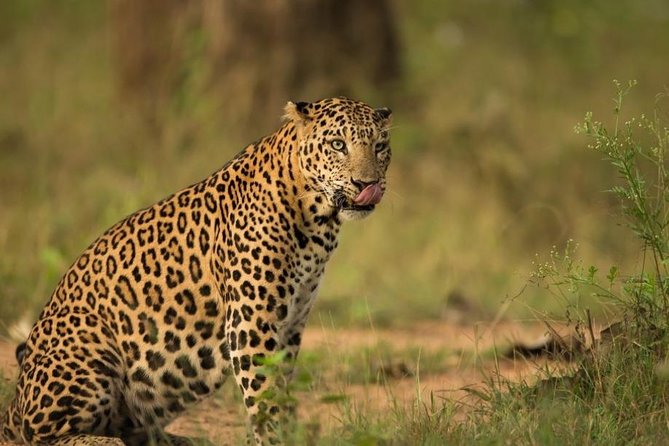
- Leopard-focused chances: The reserve is described as holding 30+ leopards and cubs at the time of listing.
- Weather and access matter: You’ll need decent conditions, and permits can affect availability.
Jhalana Leopard Conservation Reserve: Why This Safari Works from Jaipur
Most wildlife safaris in India demand a big travel day. Here, the trick is location. Jhalana Leopard Conservation Reserve sits right within Jaipur, over a big protected area (about 20 square kilometers). That means you’re not spending half your trip in a car before the fun even starts.
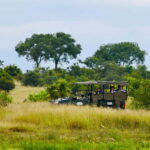
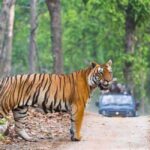
This is also a reserve built for coexisting with wildlife—so instead of a theme-park vibe, you get a real conservation setting. The safari route is done by open-air gypsy/jeep rides, which makes a difference: you’re closer to what’s going on, and you can react quickly when the guide calls out something happening near the road.
Even if leopards aren’t guaranteed (they never are), you’re still in the right place for serious northern Rajasthan species. The listing highlights leopards and cubs, plus other animals such as striped hyena, desert fox, golden jackal, blue bull, rhesus macaque, Bengal monitor, porcupines, chital, and Indian palm civets. Translation: you’re not just chasing one species—you’re spending time where many animals share the landscape.
You can also read our reviews of more tours and experiences in Jaipur
Picking the Right Time: Morning vs Late Afternoon (and Why It Matters)
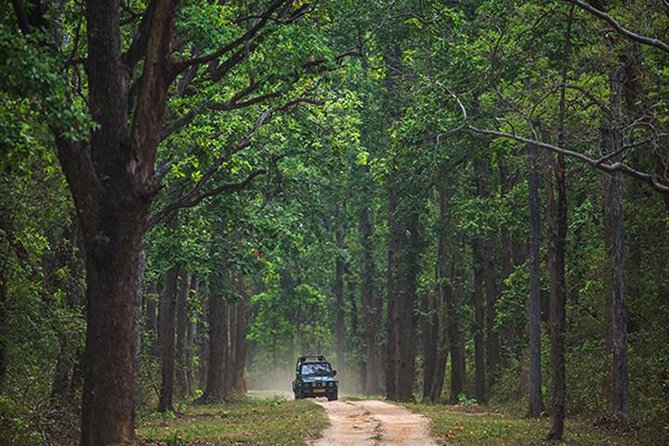
You get two scheduled safari windows, and choosing well helps your chances and your comfort.
- Morning slot: 6:45 AM to 9:30 AM
- Late afternoon slot: 3:30 PM to 6:15 PM
Why these windows matter: animal activity often shifts with temperature and light. The guide and the jeep route are running during these set periods, so you’re aligning your ride with when you’re more likely to see animals feeding, moving, or using cover.
If you’re a bird person, morning can feel especially rewarding because birds are active and vocal. If you’re chasing bigger sightings or calmer viewing, late afternoon can be a good bet too. Either way, you’re booking a focused chunk of time—about 2 hours 45 minutes—so you’re not stuck for long beyond the experience.
How the 2.5-Hour Jeep Safari Usually Runs
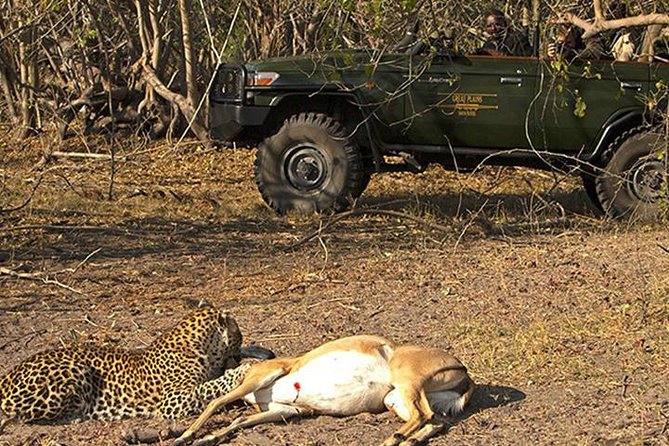
Here’s the rhythm you should expect, based on how this safari is structured.
Meet at the Jhalana Leopard Safari Park
You’ll start at Jhalana Leopard Safari Park (VR4M+28P, Calgiri Marg, Malviya Nagar Industrial Area, Malviya Nagar, Jaipur). The activity ends back at the same meeting point, so you’re not scrambling for transport afterward.
Ride out in an open-air gypsy/jeep
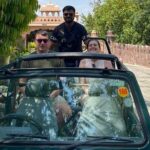
Your transportation is included, along with an expert guide and the necessary permits. The guide’s role is practical: spotting from the moving jeep, calling out animal behavior, and helping you identify what you’re looking at.
This is private in the sense that only your group participates. That typically means the ride is less chaotic than shared tours, and the guide can pace your viewing better.



Spend the bulk of the safari scanning and stopping
The safari time is long enough to do more than quick passes. You’ll be driving through sections where multiple species can show up—leopards, smaller mammals like porcupines, and primates like rhesus macaques—plus birds.
The biggest mental shift: this isn’t a “drive fast to tick boxes” experience. It’s slow attention. The reserve’s success depends on patience.
Return to the meeting point
At the end of your time window, you head back to the same starting point. If you upgraded for sunrise or sunset viewing, that’s handled as an added option tied to timing and light.
Leopard Chances: What You’re Actually Targeting
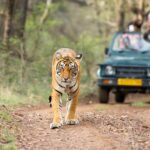
The listing is clear that Jhalana is home to 30+ leopards and cubs at the time of writing. That’s the headline, and it matters. A reserve with breeding cats in the area increases the odds that you’ll see evidence—movement, tracks, and sometimes the animals themselves.
But here’s the reality check you should plan for: leopards are masters of being unseen. What makes this safari worth it anyway is that the reserve also supports a broad food web. So even if you don’t get a clean leopard sighting, you can still see:
- scavenger and opportunist species like golden jackal
- predators lower on the chain like striped hyena
- herbivores such as chital and blue bull
- small, stealthy mammals like porcupines
- monitors and civets that keep things interesting when you’re scanning carefully
That variety is exactly why you can keep your expectations real. You’re not banking everything on one moment.
Also, if you care about conservation and ethical wildlife viewing, remember: the guide’s job is to help you observe without pushing or disturbing. The best sightings usually come when everyone stays calm and lets the reserve do its thing.
Wildlife You Can Spot Beyond the Big Cats
Leopards may be the star, but the reserve’s cast makes the ride feel full. Based on what’s described for Jhalana, you can reasonably keep an eye out for:
- Striped hyena: more likely when there’s movement or calls that get the guide’s attention
- Desert fox and golden jackal: often spotted by their behavior rather than right away in tall cover
- Rhesus macaque: easier to detect around areas with food and human-adjacent edges, so watch them as a sign of activity
- Bengal monitor: another “scan and notice” species
- Porcupines: slower, but their presence can be obvious once the guide points out the right area
- Chital and blue bull: good indicators of a healthy habitat and available grazing
The practical takeaway: listen to the guide when they shift focus. The route isn’t random; it’s an attempt to put you where the reserve is most likely to deliver.
Bird Watching with a Forest Expert Guide
If you love birds, this experience has a real edge. The listing names several species you might see, including Indian pitta, dusky eagle, owls, and spotted owlets.
Even without naming every species, you can expect birding to be part of the viewing style. A strong bird guide helps in two ways:
- They spot birds that your eye might miss from the jeep’s moving viewpoint.
- They help you interpret what you’re seeing—size, shape, call, and behavior—so your sightings become real IDs, not guesses.
This is one reason the safari can score well for travelers who track birds. If that’s you, bring the basics: binoculars if you use them, and a phone with a bird app if you keep notes. You’ll get more out of the ride when you can compare what you see to what you’ve recorded.
Sunrise or Sunset Add-On: When the Light Is the Point
There’s an upgrade option to admire sunrise or sunset from a special animal-viewing platform. It’s priced extra, and it’s tied to the timing of the day.
Why this matters: light changes everything for wildlife viewing. For birds and darker animals, sunrise/sunset can help you see silhouettes, movement, and subtle color. It also gives you a more “slow watching” moment compared with the moving jeep portion.
The safe way to plan: treat this add-on as an extra bonus if you’re already happy to do the safari. Don’t book it if you’re short on time and easily frustrated by changing schedules—your best experience depends on good timing and conditions.
Price and Value: Is $48 a Good Deal for This Safari?
At about $48, you’re paying for a private 2.5-hour jeep safari with permits, guide time, and basic refreshments (bottled water plus soda/pop juice pack). The value comes from what’s bundled, not just the ticket number.
Here’s what you’re getting for the money:
- Jeep transportation in the reserve area
- Guide and forest expert
- All necessary permits, fees, and taxes
- Drinks on board
You can also find group discounts, which can make the per-person cost drop if you’re traveling with friends or family.
Is it cheap? In a city where you’re not paying for overnight logistics, it’s competitive. The biggest factor is whether your group values wildlife viewing with expert help over “DIY driving” or generic city sightseeing.
Practicalities: Meeting Point, Expectation Management, and Small Comforts
Where to go
Your meeting point is clearly listed at Jhalana Leopard Safari Park in Malviya Nagar. Since pickup outside the meeting point isn’t included, plan to get there on your own.
Arrive with buffer time
Even in a well-run safari, there can be waiting moments if timing depends on who arrives and when. In the real world, the jeep doesn’t roll until the group is ready. So I’d plan to be early enough that you can handle a short delay without stress.
Drinks are included, but dress matters
Bottled water and soft drinks are part of the package, so you won’t need to hunt for refreshments during the safari. What you should still bring is standard outdoor comfort: layers for morning/late afternoon, sunscreen, and shoes that handle uneven ground near the reserve viewing areas.
Permits and the backup safari
Access is subject to government control, and sometimes permits aren’t available. In that case, the operator says you’ll be covered with an alternative safari route called Amagarh safari in Jaipur, described as similar.
That’s important for your planning: you’re not guaranteed the exact same reserve every time due to permitting issues. If a specific location is a must for you, factor in that possibility.
Weather can affect everything
The experience needs good weather. If it’s canceled because of poor weather, the plan is either a different date or a full refund.
Who This Safari Is Best For (and Who Might Skip It)
This safari is a strong fit if you:
- want a time-efficient wildlife experience inside Jaipur
- care about both leopards and birds
- like having a guide who helps you identify what you’re seeing
- prefer a private setup over crowded group chaos
You might consider skipping or comparing alternatives if you:
- hate any schedule changes (permits can affect what happens)
- need perfect on-time certainty, especially if you’re connecting to other plans right afterward
- expect guaranteed leopard sightings (no safari can promise that)
Should You Book Safari in Jhalana Leopard Conservation Reserve?
If your idea of a good Jaipur day is wildlife time with expert help, this is worth booking. The combination of a city-close reserve, a real 2.5-hour run, included transport and permits, and the bird-friendly guide approach makes it a practical value.
My decision rule: book it if you’re flexible about small timing shifts and you’re excited by the chance to see multiple species, not just one cat. If you’re the type who needs a strict, no-surprises itinerary, you may want to compare your options—especially because permit control can trigger an alternate safari route.
FAQ
How long is the Jhalana Leopard safari?
The safari is approximately 2 hours 45 minutes.
What time slots are available?
The listed slots are 6:45 AM to 9:30 AM or 3:30 PM to 6:15 PM.
Is this safari private?
Yes, it’s described as a private tour/activity, with only your group participating.
What’s included in the price?
Included items are jeep transportation in the Jhalana forest, a guide and forest expert, necessary permits and all fees/taxes, bottled water, and a soda/pop juice pack.
What happens if permits aren’t available for Jhalana?
If Jhalana permits are unavailable due to government control, the operator says you’ll be covered with an alternative Amagarh safari in Jaipur. Refunds are not issued, but you can reschedule or choose the Amagarh route.
Is it refundable if I cancel?
This experience is non-refundable and can’t be changed for any reason. If it’s canceled due to poor weather, you’ll be offered a different date or a full refund.