REVIEW · GOLDEN TRIANGLE TOURS
Explore Private Tour The Golden Triangle Done Differently
Book on Viator →Operated by Raju's Private Tours · Bookable on Viator
Some tours feel canned; this one feels personal. With Raju’s private guiding, you get a Golden Triangle plan that bends toward your wishlist instead of marching you through a script. I especially like the mix of big-name sights and the quieter, story-heavy stops many first-timers skip.
Second, I like how the day-to-day structure is built around the practical stuff that matters: pickup support, entry handling on key monuments, and breakfast included each morning. One thing to consider: lunch and dinner are not included, so you’ll want to budget extra and stay flexible on where meals land.
If you want a smooth, street-smart India experience without losing the romance of these icons, this is a strong fit. Just keep in mind the plan includes temple sites and forts with walking, and the pace assumes moderate stamina.
In This Review
- Key things I’d plan around before you go
- A Golden Triangle that feels less like a checklist
- Price and value: what $224.71 per person really buys
- Getting started in Delhi: pickup, an easy landing, and a garden escape
- From Baby Taj to Black Taj: Agra’s quieter stories before the spotlight
- Fatehpur Sikri and Abhaneri: history with fewer crowds
- Jaipur’s temple-and-royalty combo: Monkeys, cenotaphs, and first shopping time
- City Palace, Water Palace, and Amber Fort: where to slow down
- Food planning: breakfasts included, lunch and dinner left to you
- Hotels and comfort: Red Fox in Delhi as the base level
- Who this tour fits best (and who should rethink it)
- Should you book Explore Private Tour The Golden Triangle Done Differently?
- FAQ
- How long is the tour?
- What is the price per person?
- Do I get pickup from the airport or station?
- Is breakfast included?
- Are lunch and dinner included?
- Which attractions include admission tickets?
- Is this a private tour?
Key things I’d plan around before you go
- A private guide in the driver’s seat (Raju) means you can shift priorities when roads, crowds, or your energy level change.
- Breakfast is covered for 7 mornings, which helps you start early and keeps the budget steadier.
- Not all entries are included, but the major monument tickets are marked as included on many stops.
- Some key sights are listed as free entries (like Lodhi Garden and parts of Fatehpur Sikri), which helps value.
- Lunch and dinner are on your own, so treat meals as part of the experience and budget accordingly.
- The accommodation is negotiable, with Red Fox in Delhi as the base level mentioned.
A Golden Triangle that feels less like a checklist
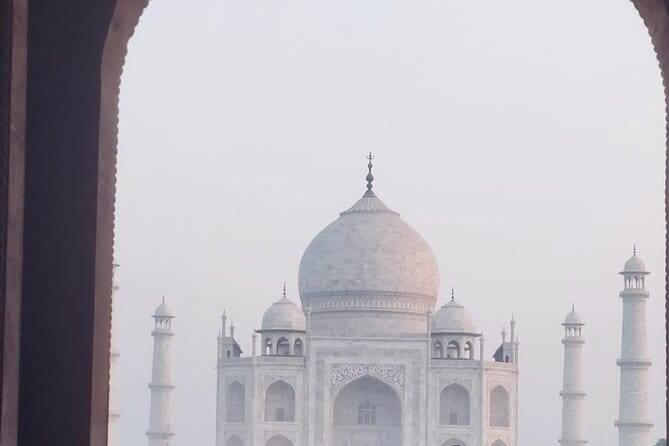
The Golden Triangle usually means the same four words on loop: Delhi, Agra, Jaipur, repeat. What makes this version different is the promise that your guide, Raju, will shape the route to your interests and keep you taken care of day after day.
I like the framing: Raju’s focus isn’t only monuments. It’s history, food, and making the logistics feel smaller than they are. That matters because India’s scale can hit you fast. A good guide doesn’t just point. He helps you read the day—traffic, timing, and what’s worth lingering over.
From the reviews, one theme comes up again and again: Raju’s driving and personal attention. People describe feeling safe, getting help quickly around the city, and getting access to local spots they wouldn’t find on their own. That’s exactly what you want in a private format: fewer surprises, better choices.
The one real caution is budget and meals. Since lunch and dinner aren’t included, you’ll rely on Raju’s suggestions (or your own preferences) each day. If you’re the type who hates decision-making after a full day of sightseeing, plan to lean on the guide for meal recommendations.
You can also read our reviews of more private tours in Jaipur


Price and value: what $224.71 per person really buys
At about $224.71 per person for roughly 8 days, you’re paying for more than a route. You’re paying for private time, pickup support, and a guide who can handle the day’s rhythm.
Here’s what’s clearly covered:
- Breakfast included for 7 days
- Pickup offered, including airport or station transfer support at the start and end
- Admission tickets included on many of the landmark stops (the plan labels each one clearly as included or free)
- A private group format (only your group participates)
- Mobile ticket, plus notes on group discounts if you travel with others
What’s not included:
- Lunch and dinner
- Dinner is explicitly not included, and lunch is not included either
For me, the value comes from avoiding wasted time. In a private tour, the expensive part is not only transportation. It’s the opportunity cost of showing up at the wrong time, missing the best angle, or losing an hour to confusion. With Raju, the emphasis seems to be on handling that friction so you spend your daylight on sights.
Getting started in Delhi: pickup, an easy landing, and a garden escape
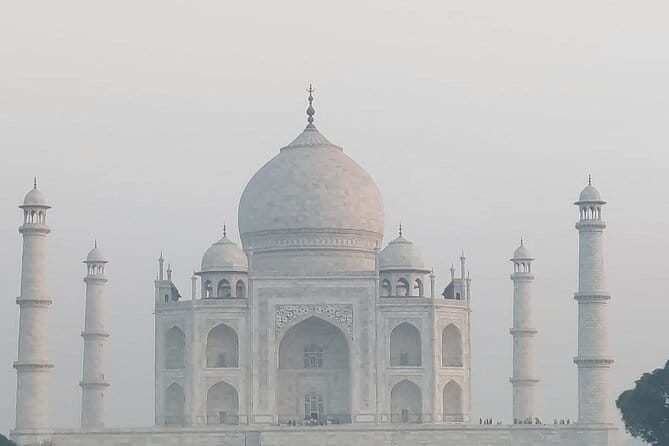
Most flights into India land in the evening. The plan supports that reality. On your first day in New Delhi, you’re collected from the airport and driven to your accommodation, then you can settle in without scrambling for a taxi and directions.
The tour also includes a strong early-day calm before the big monuments. On the next day, you start at Lodhi Garden—a 90-acre green space that’s described as a well-kept secret in the middle of the city. This is the kind of stop that helps you adjust. You get trees, shade, and enough open space to reset after travel fatigue.
Then you move into architecture and atmosphere:
- Lotus Temple (Bahá’í House of Worship): Entry is included, and the design is so distinctive the name makes instant sense once you see it. All faiths are welcome here, so it’s not only a photo stop. It feels like a pause.
- Humayun’s Tomb: Entry is included, and it’s praised as an engineering masterpiece from the era of the second Mughal emperor. You’re also set up to appreciate why this site matters in the evolution of later Mughal tomb architecture.
One drawback to know: these are popular sites, so you’ll want comfortable shoes and patience. Even with private pacing, you can’t control crowds fully. The advantage is you’re not trapped in a bus schedule.
From Baby Taj to Black Taj: Agra’s quieter stories before the spotlight
Agra’s best-known moment is obviously the Taj Mahal, but this plan smartens your sequence. You hit two important tombs first, so when you finally reach the Taj, it lands with more impact.
You begin with Itimad-ud-Daulah, often called the Baby Taj. Entry is included, and the plan frames it as a kind of draft of the Taj Mahal—built at the request of his widow between 1626 and 1628. If you like noticing details—marble work, carvings, the shift from earlier forms to later masterpieces—this stop is a smart warm-up.
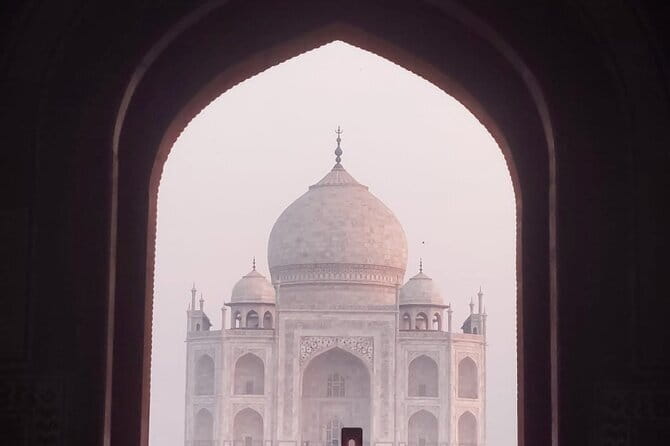
Then comes the most intriguing pick: the Black Taj, identified here as the Tomb of Shah Nawaz Khan. Entry is included, and the whole point is the tension between myth and truth. The plan encourages you to listen closely to the guide’s storytelling and decide what’s credible. This is also where a private guide earns his keep. When someone explains the rumors and the counter-arguments, the site becomes a lesson, not just a landmark.
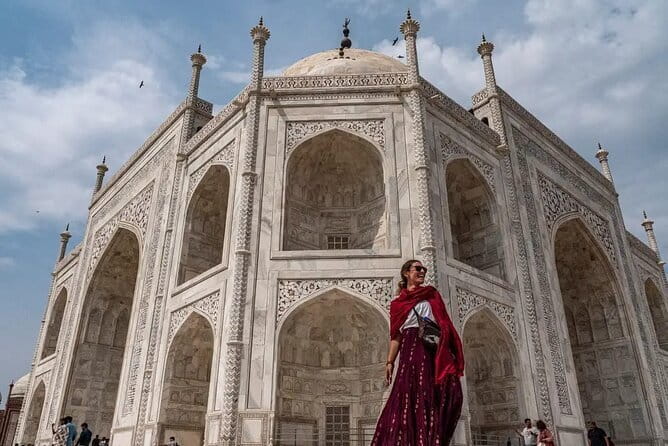
Finally, the Taj Mahal day:
- Entry is included.
- You’ll have a photo moment described as taking a picture on the Diana seat.
- The visit centers on how Shah Jahan commissioned the monument for his second wife, Mumtaz Mahal.
If you’re photo-driven, you should plan to spend a little extra time preparing: water, sunscreen, and a charging strategy for your phone. The Taj is iconic, but the best experience is when you combine the classic shots with a slower look at proportions.
Fatehpur Sikri and Abhaneri: history with fewer crowds
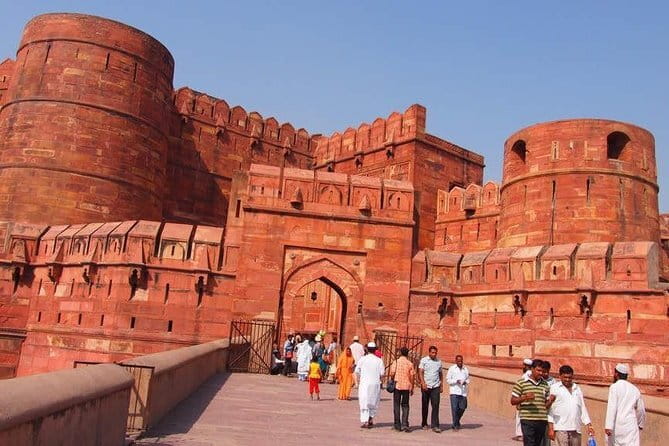
After Agra, the route continues toward Rajasthan’s older layers. One day includes Fatehpur Sikri, with a specific highlight: the Victory Gate commissioned after the Gujarat victory in the late 1500s. Entry is listed as free for this stop. Even if you’re not a hardcore architecture person, a gate like this helps you understand how power was displayed.
Next you visit Jodha Bai’s Palace inside Fatehpur Sikri. Entry is included, and it’s described as a fusion of Hindu and Persian architecture, built of red sandstone in 1569. This is the kind of stop where a guide’s narration really matters, because the buildings are doing cultural work—not just looking pretty.
Then you get a short detour to Abhaneri, an 8th-century stepwell. Entry is free. If you only ever see wells as functional structures, this one changes that view. Stepwells were built for community and water management, but the architecture turns necessity into design.
The tradeoff on days like this is heat and walking. The stepwell stop is shorter in time, but you still need comfortable footwear and a water plan. In exchange, you get variety: tombs, gates, palace architecture, and then a water structure built as art.





Jaipur’s temple-and-royalty combo: Monkeys, cenotaphs, and first shopping time
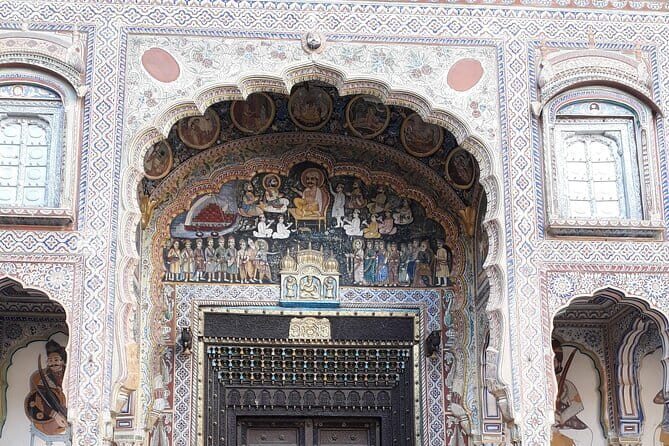
Jaipur days start with spiritual and sensory stops, then shift into royal memory.
Galtaji Temple, also known as the Monkey Temple, is included. The plan describes spring water flowing through narrow crevices into pools and water tanks where pilgrims come to bathe. That detail matters. This isn’t just architecture—it’s an active place of ritual and movement. You’ll want to watch your step, respect the space, and keep an eye on personal items when monkeys are around.
After that, you head to Gaitore Ki Chhatriyan, the cenotaphs for royal kings and queens of Jaipur. Entry is included. These chhatriyan give you a quieter, less-in-your-face royal feeling than the fort does later. It’s a nice contrast: the “royal” part without the huge crowds.
Then you get your first meaningful time for Jaipur wandering and shopping. Entry is listed as free here, and the plan frames it as a chance to find hidden things to take home or learn how something is made. Since lunch isn’t included, this kind of flexible time is also useful. You can decide when to eat based on what you’re seeing.
One consideration: shopping time is only valuable if you come with boundaries. If you hate bargaining, tell your guide before you start. If you do like it, the guide can often help you avoid the worst traps.
City Palace, Water Palace, and Amber Fort: where to slow down
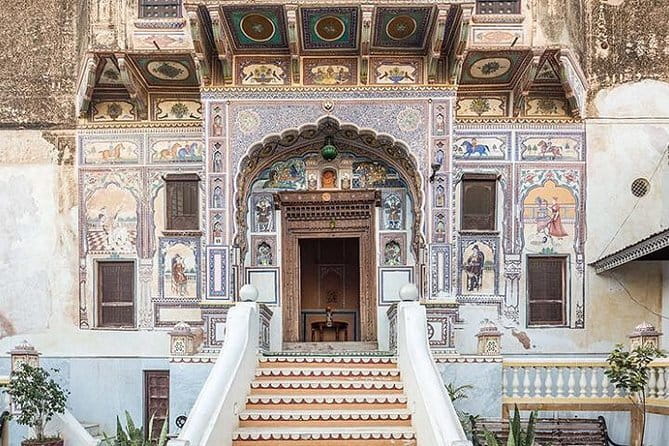
Your later Jaipur day is where the plan becomes the classic “royal circuit,” with enough variety to keep it from feeling repetitive.
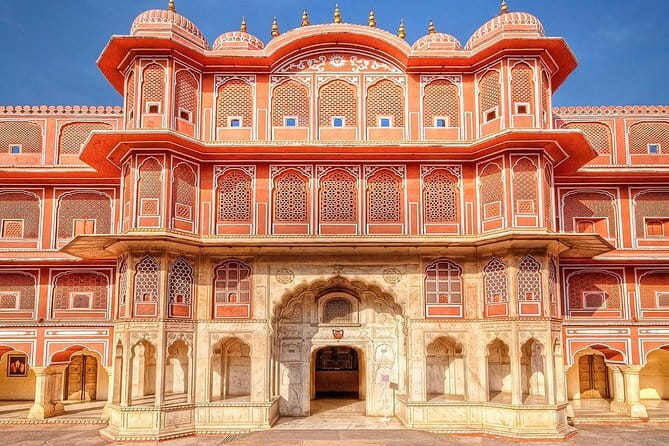
First up: City Palace of Jaipur. Entry is included, and the plan simply describes it as beautiful, which is true—but beauty is only half the story. A place like City Palace helps you understand Jaipur’s power as a living system, not just a past era.
Next is the Water Palace, also described as the summer residence for the Jaipur Royal family. The plan doesn’t list a specific entry detail here, but it suggests seeing it during lunch or at sunset. That’s smart advice. If you’re going for atmosphere, sunset has the edge, and lunch can work if you want to keep your day smooth.
Then comes Amber Fort. Entry is included. The plan calls out the large ramparts, several gates, and cobbled streets. That’s your cue to plan for real walking. The fort isn’t a quick stop unless you skip parts. The best experience is slower steps through the geometry—walls, gates, and courtyards that show you how defensive design and daily life overlapped.
If you’re short on stamina, prioritize the views and the central areas. A private guide can help you choose what’s worth the extra climb while keeping your timing on track for sunset light.
Food planning: breakfasts included, lunch and dinner left to you
Here’s the practical side. Breakfast is included each morning (7 breakfasts total). That’s a big help in India because it reduces the number of decisions you make early each day.
But lunch and dinner are not included. The plan notes lunch may happen either during transit or at a local venue chosen for you on the day. Dinner is also not included, but the tour description suggests you can enjoy a new dining experience each night.
My advice: treat meals as part of the schedule. If you know you’re sensitive to spice or you have specific dietary rules, communicate early. A private guide makes this easier, because he can steer you toward places that fit your comfort level and timing.
Also, since you’ll likely be out between major sites for hours, pack the small essentials: water bottle, a light snack if you get hungry fast, and basic sun protection. This keeps you from turning a sightseeing day into a stressed day.
Hotels and comfort: Red Fox in Delhi as the base level
Accommodation details are handled with a “minimum standard, options available” vibe. The plan names Red Fox in Delhi as the base level accommodation. It also says that if you want a step up, it can be negotiated.
So what does that mean for you? It means you’re not forced into luxury to get a decent trip. At the same time, you’re not blocked from upgrading if you want quieter rooms, better location, or more comfortable beds after long driving days.
Private tours often succeed or fail on this point. A clean, reliable place helps you rest. If you’re booking with a group, you might also consider negotiating the room type that best fits everyone’s needs, not just the lowest cost.
Who this tour fits best (and who should rethink it)
This tour suits you best if:
- You want private guiding and flexibility with your wishlist
- You like seeing landmark icons but also want the story behind the less obvious stops like Black Taj and Abhaneri
- You’re comfortable with some walking at tombs, temples, and Amber Fort
- You care about feeling safe and well taken care of during driving through busy areas
You might want to rethink if:
- You prefer an all-inclusive food plan with lunch and dinner included
- You hate negotiating or discussing hotel comfort levels
- You have very limited stamina for sites described with cobbled streets, fort ramparts, and temple steps
That said, the tour does include pickup support and focuses on organization, which usually helps first-time visitors stay calm.
Should you book Explore Private Tour The Golden Triangle Done Differently?
I’d book it if you want the Golden Triangle but don’t want the “everyone does the same thing” feeling. The value isn’t only in the famous names like Taj Mahal, City Palace, and Amber Fort. It’s in the guiding approach that mixes major icons with story-led stops like Itimad-ud-Daulah and the myth-versus-reality experience at the Black Taj.
If your budget can handle extra meals and you’re okay with moderate walking, it’s a strong private setup for seeing India with less stress. If you’re the type who wants meals totally handled and zero planning, you may find the lunch/dinner gaps annoying.
FAQ
How long is the tour?
The tour is listed as 8 days (approx.).
What is the price per person?
The price is $224.71 per person.
Do I get pickup from the airport or station?
Yes. The plan includes pickup offered, with airport collection on the first day and help transferring you to the airport or train on the last day.
Is breakfast included?
Yes. Breakfast is included for 7 mornings.
Are lunch and dinner included?
No. Lunch and dinner are not included in the tour fee.
Which attractions include admission tickets?
Admission tickets are listed as included for several major stops such as Lotus Temple, Humayun’s Tomb, Itimad-ud-Daulah, Black Taj, Taj Mahal, Jodha Bai’s Palace, Galtaji Temple, Gaitore Ki Chhatriyan, City Palace of Jaipur, and Amber Fort. Some stops are listed as free, such as Lodhi Garden, Fatehpur Sikri’s Victory Gate, and Abhaneri stepwell.
Is this a private tour?
Yes. It’s a private tour/activity, so only your group will participate.