REVIEW · JAIPUR
Take in the Beauty of an Early Morning with Fresh Flowers
Book on Viator →Operated by The Ultimate Urban Adventures · Bookable on Viator
Morning in Jaipur hits different when the streets smell like petals. This flower market tour starts at Hawa Mahal and moves you on foot through the area where vendors and farmers set up early, before the city crowds kick in. Two things I really like: you get photo-worthy landmarks right at the quietest time, and the market itself is a feast for your senses—color everywhere, fragrance in the air.
I also like that the pacing is simple: 1.5 hours, mostly walking, and you’re not stuck in a long bus loop. One drawback to consider is timing: this experience is best in good weather, and it’s aimed at an early start, so you’ll want to be ready to move.
In This Review
- Key highlights in plain terms
- Why Jaipur flower markets start the day right
- Hawa Mahal: red sand and early light (your first 15 minutes)
- Oldest wholesale flower market near Kale Hanumanji Ka Mandir
- Govind Devji Temple: devotion after the flowers
- Chai, snacks, and guides who know where to stop
- Value check: $35 for 1.5 hours and a group max of 15
- Photo tips and practical stuff for a smooth morning
- Should you book this early flower market tour?
- FAQ
- How long is the tour?
- How much does it cost?
- What’s the meeting point?
- Where does the tour end?
- Is private transportation included?
- What’s included in the price?
- Are admissions required for Hawa Mahal or Kale Hanumanji Ka Mandir?
- How big is the group?
- Is it safe and suitable for solo travelers?
- What happens if weather is bad?
Key highlights in plain terms
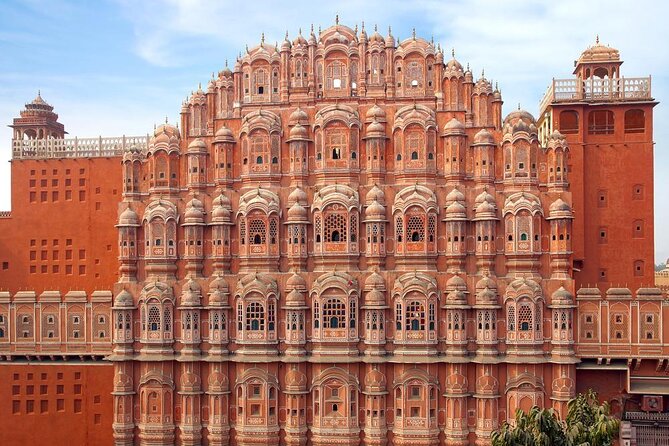
- Traffic-free Hawa Mahal photos in the morning light, with less crowd pressure
- Jaipur’s oldest flower market entrance corner, where vendors set out necklaces, bouquets, and loose petals
- Temple stop included at Govind Devji Temple, adding devotion after the market scenes
- Masala chai at a local tea shop is included, so your morning gets a real break
- Small group size (max 15) makes it easier to ask questions and keep your bearings
Why Jaipur flower markets start the day right
This tour works because it’s early. You’re not seeing the market as it transitions into a daytime shopping scene—you’re catching it as it’s being built. Flowers are arranged in bright bundles, vendors are setting up along the streets, and the whole area feels like daily life on schedule.
I like the idea that you’re learning by walking. You pass heritage buildings, temples, and gates on the way toward the oldest wholesale flower market, so it feels like a guided stroll through the city’s layers—not just a quick photo stop. And since you’re there when the light is soft and the streets are calmer, you’ll spend less time fighting crowds and more time noticing details.
If you’re a photographer, filmmaker, or anyone who just enjoys good visuals, this kind of morning is hard to beat. The market scenes are naturally “ready to shoot,” from the colors to the little hands offering flower garlands.
You can also read our reviews of more tours and experiences in Jaipur


Hawa Mahal: red sand and early light (your first 15 minutes)

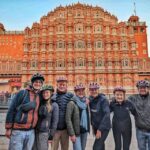
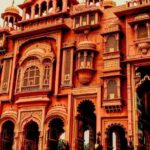
You begin at Hawa Mahal (Palace of Winds), one of Jaipur’s most photogenic red-and-pink sandstone buildings. The early morning part matters. At this time, there’s typically less traffic and fewer people, which makes a huge difference for photos and for actually looking at the architecture instead of rushing past it.
The tour keeps it efficient: about 15 minutes here, and admission is free for this stop. You can use that time to get wide shots of the façade and then, if you want, walk a few steps to find better angles from the street. Since it’s the first stop, it also helps you get your bearings fast in the area.
It’s also a nice mental shift. Hawa Mahal is a famous sight, but coming before the city fully wakes up turns it into something calmer and more personal—like you’re borrowing a quiet moment that most people miss.
Oldest wholesale flower market near Kale Hanumanji Ka Mandir
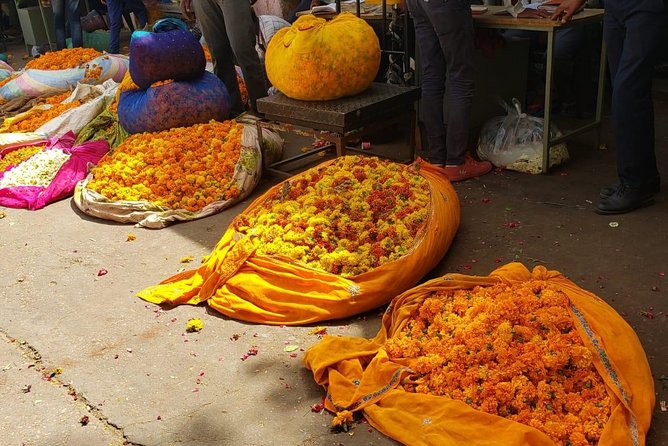
After Hawa Mahal, you walk toward the market area where the mornings start with work. The route includes Kale Hanumanji Ka Mandir before you reach the oldest wholesale flower market of Jaipur. This stop is a good reset point: temples break up the walk with a different kind of attention—prayer, quiet focus, and small observations you’d otherwise skip.
Then you hit the main show. At the corner of the market entrance, the air is filled with fresh-flower fragrance. You’ll see vendors and farmers on both sides of the street offering flower necklaces, bouquets, and loose petals. It’s the kind of place where color isn’t staged—it’s just how the day looks when flowers are fresh and in demand.
Based on guide experiences people have shared, guides like Harshit and Monty tend to make the walk feel easy and safe, even if you’re traveling solo. I like that style because you’re not just “receiving facts.” You’re being pointed at what matters—where the best market scenes are, and how to notice the flower details without getting overwhelmed.
Govind Devji Temple: devotion after the flowers
Once the market energy is in your head, the tour shifts into a more spiritual mood at Govind Devji Temple. This stop is about 25 minutes, and the temple admission is included.
I like this contrast. Flowers can feel like pure beauty—then you step into a space of devotion and routine, and the morning stops being only aesthetic. You get a sense of how religion and everyday trade sit side by side in Jaipur.
Some mornings have extra sounds in temples, like chanting or singing, depending on what’s happening at the time. You’re not guaranteed a specific program, but you can expect the atmosphere to feel alive in a quiet way—people focused, attention turned inward.
If you’re the type who loves context—why a city looks the way it does—this temple stop gives you a grounding moment after all that color.
Chai, snacks, and guides who know where to stop
This tour includes masala chai at a local tea shop, so you’re not relying on street purchases just to keep going. That matters because morning walks can be deceptively draining. A hot cup also fits the vibe: the chai feels like part of the local rhythm, not an add-on.
What elevates it is the guide’s ability to turn a short route into a story. People have highlighted that guides explain what you’re seeing—flowers, market habits, and the nearby sights—while keeping the pace comfortable. Guides such as Harshit have been described as friendly and careful with solo visitors, and Monty has been praised for a fun, informative style that makes the experience feel safe.
One practical note: this is a walking tour, so the “best” experience comes from staying flexible. If you’re the kind of person who spends 30 minutes photographing one stall, you’ll need to balance it with the rest of the route.




Value check: $35 for 1.5 hours and a group max of 15
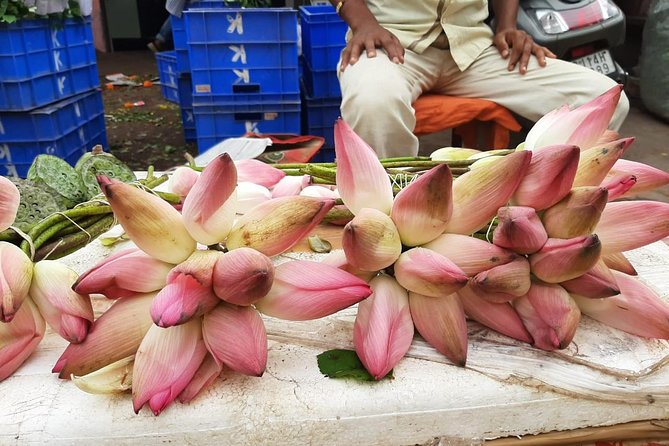
At $35 per person for about 1 hour 30 minutes, the value comes from two things: you’re getting access to meaningful sights without paying for most admissions, and the small-group format keeps it personal.
Here’s the straightforward breakdown based on what’s included:
- Start and main viewpoints happen on foot, so there’s no mention of private transport being provided
- Hawa Mahal admission is free
- Kale Hanumanji Ka Mandir admission is free
- Govind Devji Temple admission is included
- Masala chai is included
With a maximum of 15 travelers, it’s easier to move as a unit without feeling crowded in the market lanes. It also means your guide can handle questions and small detours for better views.
If you’re on a first trip to Jaipur, this is a smart way to build a sense of the city fast. You’re not trying to hit everything. You’re focusing on one early-morning slice—architecture, market life, and temple atmosphere.
Photo tips and practical stuff for a smooth morning
This tour is built for cameras. The best opportunities are the early slots: Hawa Mahal in the quiet window, then the market entrance corner with heavy flower color and fragrance. If you care about Instagram or YouTube footage, come with a plan: grab the wide shots first, then slow down for close-ups of garlands and loose petals.
Wear comfortable shoes. The route includes walking between stops, and you’ll want traction in older streets and market areas. Light layers help too, since mornings can feel cooler and then warm up as the sun rises.
Also, you’ll be close to a lot of hands, baskets, and people selling. Keep your phone and camera secure, and be thoughtful when you stop to shoot—don’t park in the middle of foot traffic. If you’re carrying gear, keep it simple. This is a morning stroll, not a long hike.
Finally, since it requires good weather, check the forecast before you commit. If weather turns, you may be offered a different date or a full refund.
Should you book this early flower market tour?
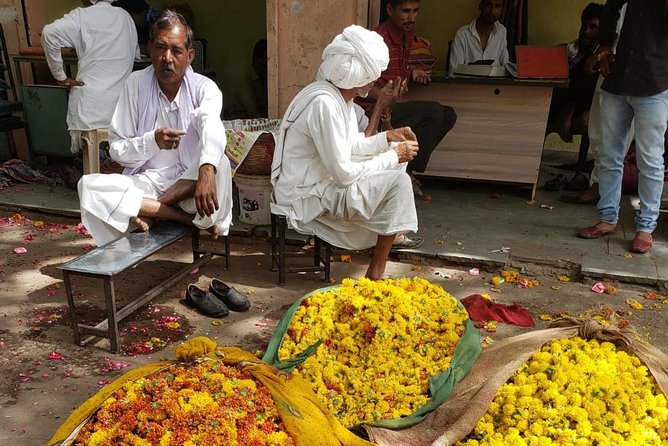
I think you should book if you want Jaipur’s real morning mood: flowers, temples, and one of the city’s most photogenic landmarks without the daytime fight for space. The chai included, the small group size, and the fact that most key admissions are free or included make it feel like a focused, good-value experience.
I wouldn’t choose it if you hate early starts, or if you’re expecting a long, in-depth history lesson. This tour is built around sights and atmosphere in a short window. It’s short on purpose, and that’s the point.
If you’re deciding between doing a generic morning sightseeing plan versus something more local-sensory, this one is hard to beat.
FAQ
How long is the tour?
It lasts about 1 hour 30 minutes (approx.).
How much does it cost?
The price is $35.00 per person.
What’s the meeting point?
You start at Hawa Mahal Rd, Badi Choupad, J.D.A. Market, Kanwar Nagar, Jaipur, Rajasthan 302002, India.
Where does the tour end?
The tour ends near Kala hanuman ji mandir, Amer Rd, close to Jal Mahal, Indrapuri, Parasrampuri, Jaipur, Rajasthan 302002, India.
Is private transportation included?
No. Private transportation is not included.
What’s included in the price?
All fees and taxes are included, plus masala chai (Indian tea) at a local tea shop. Govind Devji Temple admission is also included.
Are admissions required for Hawa Mahal or Kale Hanumanji Ka Mandir?
Admission tickets for Hawa Mahal and Kale Hanumanji Ka Mandir are listed as free for this experience.
How big is the group?
The maximum group size is 15 travelers.
Is it safe and suitable for solo travelers?
Most travelers can participate, and one account from a female solo traveler says she felt safe with the guide.
What happens if weather is bad?
This experience requires good weather. If it’s canceled due to poor weather, you’ll be offered a different date or a full refund.