Turn clay into something you can take home. In Jaipur, this wheel pottery class at Clay Botik focuses on Rajasthani pottery skills and hands-on making, with an electric wheel plus a welcome drink. One catch: hotel pickup and drop-off aren’t included, so you’ll need to get yourself to the studio.
I like that the session is structured, not random—an instructor shows you how to throw, center, and raise a pot, and then you get time to work the wheel yourself. The other big win is the keepsake: you make a pot, decorate it with available tools, and take it away afterward. Just keep in mind the workshop requires good weather.
In short, it’s a friendly, small-group creative break in Jaipur that fits into a tight itinerary. With a maximum of 5 people per booking and about 2 hours on site, it’s realistic even if you’re not the artistic type.
In This Review
- Key Highlights You’ll Care About
- Wheel Pottery at Clay Botik: What You’ll Learn in 2 Hours
- Where the Class Starts in Jaipur and How to Plan Your Arrival
- The Workshop Flow: Clay, Throwing, Centering, Raising, and Drying
- Decorating Tools and Taking Your Pot Home
- Why the Electric Wheel and Small Group Size Matter
- Price and Value: Is $30.76 Worth It?
- Who This Workshop Suits Best in Jaipur
- Should You Book This Wheel Pottery Workshop?
- FAQ
- How long is the wheel pottery workshop in Jaipur?
- Where is the workshop located?
- Is hotel pickup and drop-off included?
- How many people are in a booking?
- What’s included in the price?
- What can I make and take home?
- Is there a minimum age?
- What happens if the weather is bad?
Key Highlights You’ll Care About
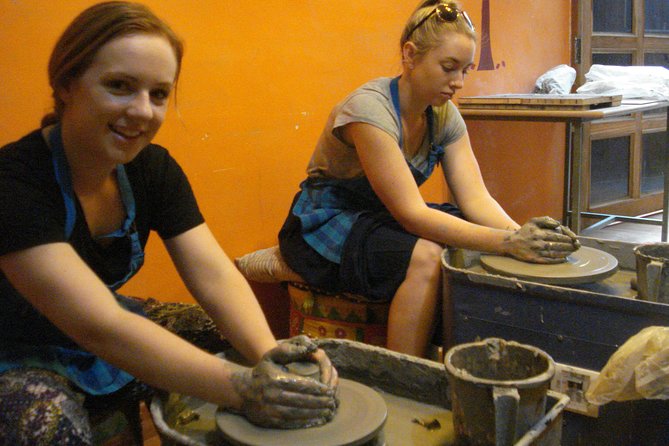
- Small private group (max 5) keeps the pace practical and the attention real
- Electric wheel training helps beginners focus on form, not hand-cranking
- Make, decorate, and take home a finished pot souvenir
- Hands-on time on the moving wheel after the intro from the instructor
- Welcome drink + bottled water help you stay comfortable during the session
Wheel Pottery at Clay Botik: What You’ll Learn in 2 Hours
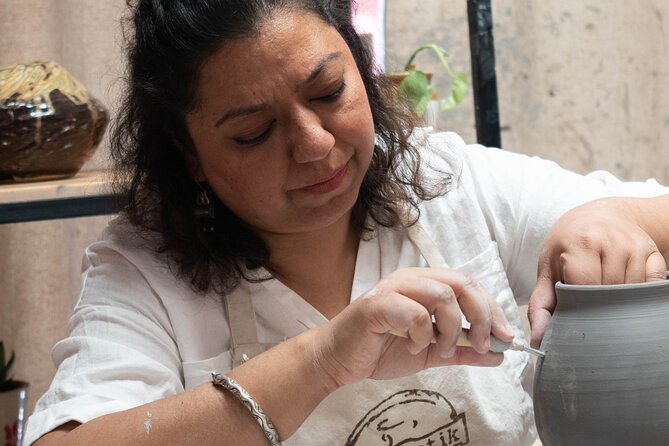
This workshop is built around the core steps of Rajasthani pottery using a wheel. You start with a clear introduction to the process, then you move into the practical motions: working with clay, then learning the skills for throwing, centering, and raising a pot. The session also includes time for drying, which matters because it turns your project from a wet experiment into an actual take-home item.
For me, the most valuable part of a short class like this is getting the sequence right. Pottery isn’t hard because it’s mysterious—it’s hard because your hands and your timing have to learn together. Here, the structure is simple: watch a demonstration, copy the motion, then get your turn on the wheel. That rhythm is what makes the 2 hours feel productive rather than rushed.
You’re also not limited to just watching and repeating. You’ll be given a chance to explore clay on the moving wheel yourself, which helps you understand how pressure and speed affect the shape. That self-exploration is where the “I can do this” moment usually happens.
You can also read our reviews of more tours and experiences in Jaipur


Where the Class Starts in Jaipur and How to Plan Your Arrival
The meeting point is Clay Botik (Panchsheel Enclave, 29, Jawahar Lal Nehru Marg, Lal Bahadur Nagar, Chandrakala Colony, Malviya Nagar, Jaipur, Rajasthan 302017, India). The activity ends back at the same meeting point, so you’re not committing to a long itinerary detour.
Two practical points to plan around:
- No hotel pickup/drop-off means you’ll want to map the studio and give yourself buffer time. If you’re using local transport, build in extra minutes so you’re not sprinting with damp hands and a fresh idea.
- The workshop is weather-dependent. If conditions are poor, you’ll be offered another date or a full refund.
Also, you can choose from time slots, which is great when Jaipur already has a full lineup of forts, markets, and early mornings. If you’re trying to avoid the hottest part of the day, picking the right slot is your easiest lever.
The Workshop Flow: Clay, Throwing, Centering, Raising, and Drying
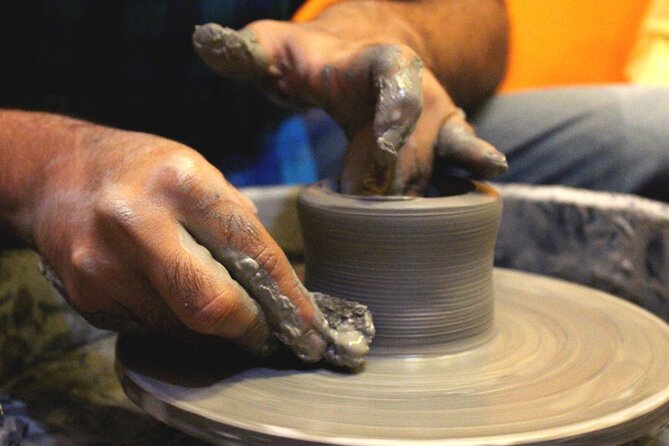
Expect the class to move in a logical order, starting with an introduction to the pottery process. From there, you’ll work through the key motions that pottery students practice again and again:
- Clays and throwing: you’ll get oriented on what you’re working with and how the wheel behavior changes as you shape
- Centering: this is the skill that makes everything else easier, because it stabilizes the form
- Raising a pot: once the clay is centered, you learn how to shape the walls upward and outward
- Drying: the process includes drying so your pot can be handled as a finished keepsake
What I appreciate about this kind of step-by-step teaching is that it gives beginners a checklist mindset. Instead of thinking the whole project is one big unknown, you focus on the part that’s in front of you: center first, then shape the body, then finish out the form.
There’s also a nice balance between instruction and doing. The class doesn’t just tell you what to do; you get time to explore clay on the moving wheel yourself. That matters because pottery is physical. You’re learning how your hands, wrist angle, and pressure interact with rotation.
And since it’s on an electric wheel, you’re not fighting your equipment. The wheel does the turning, so you can concentrate on keeping the clay steady and shaping it with control.
Decorating Tools and Taking Your Pot Home
The workshop doesn’t treat decoration as an afterthought. Once your pot shape is formed, you’ll have help decorating it using available tools, and you’ll be able to take away what you create.
This is the part that makes the experience feel like more than a lesson. A pottery class can be fun, but only a few styles of souvenirs actually let you say, I made this. Having a pot you shaped and decorated gives you a tangible memory that doesn’t disappear in a week like photos or shopping bags.
One thing to keep in mind: you’re making a pot on site and included drying is part of the process. The workshop is structured so you leave with your creation as a keepsake. If you’re planning the rest of your day, think ahead about transporting it carefully (you’ll want some secure wrapping and a calm path back).
Why the Electric Wheel and Small Group Size Matter
Many first-timers expect pottery to be either magical or frustrating. Electric wheels and small groups help swing that balance toward confidence.
With a max of 5 people per booking and a private group setup, you’re not squeezed into a factory-style class. You can ask questions, get corrections, and then try again without spending half your session waiting for a turn. That’s especially helpful for centering and raising—two steps where tiny adjustments make a big difference.
The electric wheel also changes the learning curve. Instead of worrying about manual control, you can focus on how the clay responds to your touch. For beginners, that can turn pottery from a stress test into a skill-building session.
Add in the included welcome drink, plus bottled water, and you’ve got enough comfort to stay present. It’s a lot easier to learn when you’re not distracted by basic needs.





Price and Value: Is $30.76 Worth It?
At $30.76 per person for about 2 hours, this workshop sits in the low-to-mid range for hands-on craft experiences in a major tourist city. The price feels reasonable because multiple parts are included:
- Clay and tools required for the workshop
- Beverages and bottled water
- A structured lesson on throwing, centering, raising, and drying
- Time to decorate with available tools
- Your finished pot as a keepsake
The value isn’t just in the fact that it’s hands-on. It’s that the class covers the core wheel skills and then lets you personalize the result. That’s what you’d usually have to pay extra for in more specialized workshops or multi-session courses.
The main cost factor you should account for is what’s not included: hotel pickup/drop-off and any food unless specified. But the workshop itself is compact and included materials are taken care of, so you’re not hit with a bunch of add-ons.
If you want one creative activity that’s different from museums and markets, this is a strong candidate. It gives you a skill preview of pottery, plus something real to take home.
Who This Workshop Suits Best in Jaipur
This is a good fit if you want a break that’s creative, social, and not too time-consuming. The minimum age is 10, and most people can participate, which makes it a solid option for families with older kids who are curious and willing to get their hands dirty.
It also suits:
- Beginners who want guided steps without prior pottery experience
- Travelers who like workshops that produce an actual take-home item
- People who prefer small-group instruction over large, noisy classes
- Anyone who wants an authentic craft experience rooted in local workmanship (Rajasthani pottery)
If you’re traveling with limited time, the near-studio timing and approximate 2-hour duration can slot neatly into an itinerary. If you prefer low-friction activities, the fact that you get a choice of time slots helps you match the class to your day.
Should You Book This Wheel Pottery Workshop?
I’d book it if you want a hands-on Jaipur experience that’s practical and results-driven. The combination of electric wheel instruction, a step-by-step approach to centering and raising, and the chance to decorate and take your pot home makes it feel worth your time, not just worth your ticket.
I’d think twice if you’re relying on hotel pickup, because you’ll need to make it to Clay Botik on your own. And if your trip has only one possible day in Jaipur, plan a little flexibility for weather—since the workshop requires good conditions, you want less pressure on timing.
If you’re the type who loves learning by doing, this one lands well: you’ll leave with a souvenir that came from your own hands, not a generic market purchase.
FAQ
How long is the wheel pottery workshop in Jaipur?
It lasts about 2 hours.
Where is the workshop located?
The meeting point is Clay Botik, Panchsheel Enclave, 29, Jawahar Lal Nehru Marg, Lal Bahadur Nagar, Chandrakala Colony, Malviya Nagar, Jaipur, Rajasthan 302017, India. The activity ends back at the meeting point.
Is hotel pickup and drop-off included?
No. Hotel pickup and drop-off are not included.
How many people are in a booking?
The maximum group size is 5 people per booking, and it’s private for your group.
What’s included in the price?
It includes beverages, bottled water, and the clay and tools required for the workshop, plus your pot as a keepsake.
What can I make and take home?
You’ll learn to throw, center, raise, and dry a pot, and you can decorate it with available tools. You take away whatever you create.
Is there a minimum age?
Yes, the minimum age is 10 years old.
What happens if the weather is bad?
The workshop requires good weather. If it’s canceled due to poor weather, you’ll be offered a different date or a full refund.