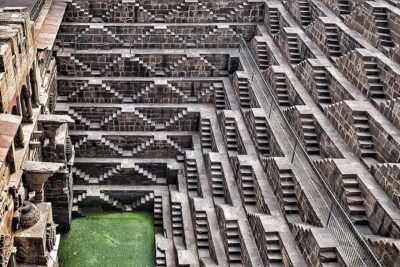
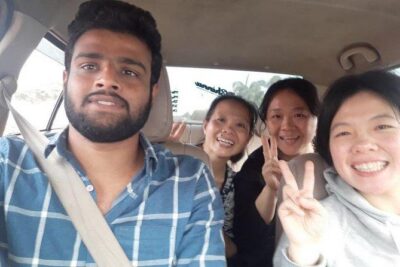
Jaipur rewards you for taking the long way around. This full-day tour strings together the city’s biggest sights in a smart order, with an air-conditioned ride and a private guide who helps you connect what you see to the stories behind it. You’ll move through iconic stops like Jal Mahal, Hawa Mahal, City Palace, Jantar Mantar, and Patrika Gate, plus time for the everyday pace of local markets.
Two things I really like: the comfort factor—hotel pickup, A/C transport, and a driver who keeps things running—and the way the guide brings clarity at each monument. Names that show up for guide quality include Kasana, Yogi, Shahid (as a driver), and Akshay, and that mix matters because you’ll be looking up at buildings while also understanding what you’re looking at.
One consideration: the day is 7–8 hours, and the plan is pretty packed. If you want slow wandering, deep shopping time, or lots of extra stops, you may feel a bit rushed unless you coordinate priorities with your guide early.
In This Review
- Key things to know before you go
- Jaipur in One Day: What the 8-Hour Private Plan Feels Like
- Morning at Jal Mahal: The Water Palace Moment
- Hawa Mahal: Red-and-Pink Windows for Street-Level Viewing
- City Palace (1727): Mughal Meets European Style
- Jantar Mantar (UNESCO): The Observatory Stop That Teaches You to Look Differently
- Patrika Gate at Jawahar Circle: A Photo Spot With Real Design Muscle
- The Lunch Break and Market Time: How to Keep the Day Comfortable
- Guide and Driver Matters: Why the Best Ones Make the Day Easier
- Price and What You Get for $48
- Who This Jaipur Tour Suits Best
- Should You Book This Jaipur City Tour?
- FAQ
- How long is the Full Day Jaipur City Tour with a guide?
- What sights are included in the tour?
- Is hotel pickup and drop-off included?
- Are admission tickets included for the monuments?
- What transportation is provided?
- Is this tour private?
- Is there time for lunch and local markets?
- What is the cancellation policy?
Key things to know before you go
- Hotel pickup and drop-off so you start and end without the hassle of figuring transport on your own
- A/C sedan or SUV for comfort in Jaipur’s heat, especially during midday driving
- Admission tickets included at each major stop on the route
- Private guide + only your group means you can ask questions and adjust photos without holding up a crowd
- Jantar Mantar is the UNESCO observatory stop that turns sightseeing into real-world science
- A lunch break is built in, plus time for market atmosphere
Jaipur in One Day: What the 8-Hour Private Plan Feels Like
Think of this tour as a best-of Jaipur route with a guide as your interpreter. You’re not just collecting photos—you’re getting a guided walkthrough of why these places exist, how they were designed, and what to notice as you move from one stop to the next.
The tour runs for about 7–8 hours and typically starts around 8:00 AM with hotel pickup. You’ll finish around 5:00 PM, which is perfect if you’re trying to see a lot but still want an evening free for dinner plans, cultural shows, or shopping on your own terms.
Because it’s private and you’re only with your group, the pace feels less chaotic than big group tours. The tradeoff is that you still have a full itinerary and fixed time windows at each monument, so it’s best if you arrive with a clear idea of what matters most to you: architecture, history, views, or photos.
You can also read our reviews of more guided tours in Jaipur

Morning at Jal Mahal: The Water Palace Moment
Jal Mahal is the kind of place that makes you stop mid-walk. It sits by water, and that location is the whole point—expect a strong visual contrast between palace-style design and the lake setting.
You’ll have about 2 hours at this stop area, with admission included. That time matters because Jal Mahal is one of those sights you’ll likely want to approach, pause for photos from different angles, and just watch how light shifts as the morning goes on.
If you’re the type who likes to read the building details, bring your attention here first. The surroundings help you understand why it was built where it was—Jaipur wasn’t created in a vacuum, and the water setting is part of that story.
Practical tip: wear comfortable shoes. Even on a short stop, you’ll want flexibility for photo angles and quick transitions to the next ride.
Hawa Mahal: Red-and-Pink Windows for Street-Level Viewing
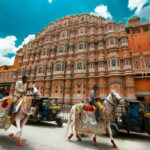
Then comes one of Jaipur’s most recognizable silhouettes: Hawa Mahal, the Palace of Wind. You’ll see it as a dramatic wall of windows carved into striking red and pink stone, built along the edge of the City Palace area.
You get about 1 hour here, and admission is included. In that time, I’d focus on two things:
- how the window design creates viewpoints down toward the street
- how the building’s shape makes it feel like a face watching the city
Hawa Mahal is more than a photo backdrop. It’s also a lesson in how architecture can be tied to daily life—ventilation, privacy, and street visibility all show up in the design. Your guide can point out what to watch for while you’re standing close enough to notice details instead of just admiring from a distance.
If you’re sensitive to crowds, aim for your photos early in the hour. Even with a guide and a schedule, this is one of the most popular stops.
City Palace (1727): Mughal Meets European Style
Next up is City Palace, a key anchor of Jaipur’s identity. This is where the tour’s “big buildings” theme becomes more personal because City Palace was established in 1727 by Maharaja Sawai Jai Singh II.
You’ll spend about 2 hours here, and admission is included. The highlight is the mix of styles—expect a blend of Mughal and European elements. That combination is exactly why City Palace works for a broad range of travelers: if you love architecture, you’ll enjoy spotting the stylistic shifts; if you love stories, your guide can explain why this kind of blending happened.
City Palace can also be mentally tiring if you rush. I’d treat those 2 hours like a slow circuit:
- start by getting your bearings
- then return to the most interesting sections for photos and details
- ask questions while you’re still near the relevant halls and courtyards
One more smart idea: if you’re planning to shop later, decide what you want to buy after City Palace. You’ll see a lot of people moving toward markets, and it’s easier to shop with a plan than with a foggy memory of what caught your eye.
Jantar Mantar (UNESCO): The Observatory Stop That Teaches You to Look Differently
At Jantar Mantar, the tour shifts from palace views to scientific design. This site is a collection of 19 astronomical instruments, and it’s a UNESCO World Heritage spot.
You get about 1 hour here with admission included. It’s a short window, but Jantar Mantar is set up to make your attention directional—your guide can help you understand how the instruments function so you’re not just walking past metal and stone shapes.
Here’s why this stop is so valuable: it changes how you see the rest of the day. Instead of only admiring craftsmanship, you start noticing measurement and purpose. Jaipur’s monuments weren’t built only for show; they were also built for practical observation and understanding the sky.
If you’re traveling with kids, it also helps. A guided explanation turns the hour into something interactive rather than purely sightseeing.
Tip: bring water and take a breath between instrument clusters. You’ll feel the heat here more than at some other stops, and Jantar Mantar rewards steady attention.
You can also read our reviews of more tours and experiences in Jaipur





Patrika Gate at Jawahar Circle: A Photo Spot With Real Design Muscle
Before the day winds down, you’ll reach Patrika Gate, one of the most photographed spots in India. It sits at Jawahar Circle, and the design is meant to be explored—think complex walkways and an opulent look that makes photographers happy.
You’ll have about 1 hour, and admission is included. I like this stop as a finale because it feels modern compared to the older palaces and observatory, even though it’s built with classic storytelling in mind.
This is also the part of the day where you’ll likely spend time:
- framing shots from different angles
- walking slowly along the walkways to capture depth
- grabbing a last round of photos before returning to your hotel
If you prefer quieter endings, try to arrive with your photo list ready. That way, you can enjoy the design instead of rushing to get everything before the driver pulls away.
The Lunch Break and Market Time: How to Keep the Day Comfortable
The tour includes a lunch break in the middle, and the day’s structure leaves room to catch the atmosphere of local markets. Markets in Jaipur can be loud, colorful, and crowded in the best way, but the key is pacing so the day stays fun rather than exhausting.
I’d treat the market time like a short scouting mission:
- pick one or two items you came for (textiles, spices, small gifts)
- don’t try to do full shopping on a schedule
- ask your guide what to avoid if you want to reduce hassle
Also, remember that most of your day is spent outdoors or transitioning between sights. Jaipur weather can swing how quickly you fatigue, so don’t wait until you feel tired to look for water and shade.
A/C car time will be your reset button. Use it. Freshen up, take a few notes on what you want to photograph next, then step back out ready to enjoy the next stop.
Guide and Driver Matters: Why the Best Ones Make the Day Easier
This kind of day tour works or fails based on your guide and driver. Your guide turns monuments into clear experiences instead of confusing buildings, and your driver keeps transport efficient so you spend time on sights rather than stuck in traffic.
The feedback names that come up for quality are a big deal because they suggest consistency. For example:
- Kasana is praised for being helpful and for making the experience feel safe while exploring
- Yogi is mentioned for clear English and detailed explanations
- Shahid stands out as an excellent, careful driver
- Akshay gets credit for a strong command of history and answering questions
Even when you don’t get these exact people, the lesson is universal: you want someone who can explain on the spot and keep you moving logically. With a private setup, that communication matters even more.
If you’re nervous about navigating on your own, a good guide can also help you understand what areas are worth your attention, what photo angles make sense, and how to handle crowds inside the sites.
Price and What You Get for $48
At $48 per person, this tour can feel like a bargain—mostly because you’re paying for the whole package, not just a driver. You get:
- A/C transport by a mid-size sedan or SUV
- hotel pickup and drop-off
- a professional private guide
- sightseeing and transfers by A/C car
- fuel, parking, tolls, and related costs
- admission tickets included for the main stops
Value-wise, the biggest win is that admission is included at each of the key sites on your route. That alone reduces the mental math you’d have to do if you booked everything separately.
Also, the group discount option can make it even better if you’re traveling with friends or family and want to keep costs predictable.
The only time this might feel pricey is if you don’t care about multiple ticketed sights and prefer a freeform day. If you want a structured “see the classics” day with guide support, this price usually makes sense.
Who This Jaipur Tour Suits Best
This tour fits best if you want a one-day overview with less planning stress. It’s also a strong pick if:
- you’re short on time in Jaipur
- you want admission included for major sites
- you prefer a guide who can answer questions as you go
- you like comfort in transit, especially during hot parts of the day
It’s less ideal if you want long, slow visits inside palaces with zero time pressure or if you’re determined to do deep shopping for hours at a stretch. The itinerary is designed to cover a lot, so you’ll get the best experience by picking your priorities and working with your guide on photo timing and extra stops.
Should You Book This Jaipur City Tour?
If you’re trying to make Jaipur feel understandable fast, I’d book it. You get a guided route to the city’s most important highlights, plus A/C transport and hotel pickup, which is exactly what you want when you’re sightseeing from morning to around 5 PM.
I’d especially recommend it if you like seeing both the dramatic architecture (Hawa Mahal, City Palace) and the surprising practical design (Jantar Mantar). The schedule gives you variety without requiring you to act like a tour planner.
If you’re the type who hates structured itineraries, do consider whether you want this level of pacing. But for most people doing a first or second day in Jaipur, this is a practical, high-value way to see the key monuments without getting lost in logistics.
FAQ
How long is the Full Day Jaipur City Tour with a guide?
It runs about 7 to 8 hours, with the day typically starting around 8:00 AM and ending around 5:00 PM.
What sights are included in the tour?
You visit Jal Mahal, Hawa Mahal, City Palace, Jantar Mantar, and Patrika Gate.
Is hotel pickup and drop-off included?
Yes. The tour includes hotel pickup and drop-off in Jaipur.
Are admission tickets included for the monuments?
Yes. Admission tickets are included for the listed sightseeing stops.
What transportation is provided?
You’ll travel in an air-conditioned mid-size sedan or SUV, with an A/C car used for sightseeing and transfers.
Is this tour private?
Yes. It’s a private tour/activity, and only your group participates.
Is there time for lunch and local markets?
A lunch break is included in the day, and there is also time to experience the atmosphere among local markets.
What is the cancellation policy?
You can cancel for a full refund up to 24 hours in advance of the experience’s start time, and cancellation is free.