REVIEW · COOKING CLASSES
Jaipur: Cooking Class with a Local Family
Book on GetYourGuide →Operated by Jaipur Pink city Cooking Class · Bookable on GetYourGuide
Cooking in Jaipur feels more personal. This 3-hour cooking class in a real home in the Pink City is a friendly crash course in Rajasthan food, led by Swati and her family. I love that you get hands-on practice, not just watching. I also love the way Swati turns cooking into a cultural chat, from spice choices to why each step matters. One thing to plan for: transportation isn’t included, so you’ll need to get yourself to the meeting point on time.
In this small group (up to 6), you’ll start with a welcome drink, learn about Indian spices and ingredients, and then cook together—typically including chapatis and vegetable curries, plus a dessert. You’ll also get e-recipes at the end, which is handy if you want to recreate it later without guessing measurements. The big question is whether you’re comfortable cooking in a home kitchen, not a restaurant station with a polished setup.
In This Review
- Quick Hits From This Jaipur Cooking Class
- Jaipur Home Cooking With Swati and Family: Why This Works
- What You’ll Cook in 3 Hours: Rajasthani Comfort With Practical Skills
- The Welcome Drink and Spice Orientation That Sets You Up
- Step-by-Step Cooking in a Real Jaipur Kitchen
- The Meal Itself: Eating What You Just Made (Without the Awkwardness)
- Cultural Exchange Beyond the Stove: Why the Family Part Matters
- Price and Value: Is $19 Good for This in Jaipur?
- Logistics You Should Know Before You Go
- Who Should Book This Cooking Class in Jaipur?
- Tips to Get the Most From Your 3 Hours
- Should You Book This Jaipur Cooking Class?
- FAQ
- How long is the Jaipur cooking class with a local family?
- What is included in the experience?
- How much does it cost?
- Can the menu be adapted for dietary needs or allergies?
- What dishes will I learn to cook?
- Is there a dessert?
- What languages are used during the class?
- Is the activity wheelchair accessible?
- Is transportation included?
Quick Hits From This Jaipur Cooking Class
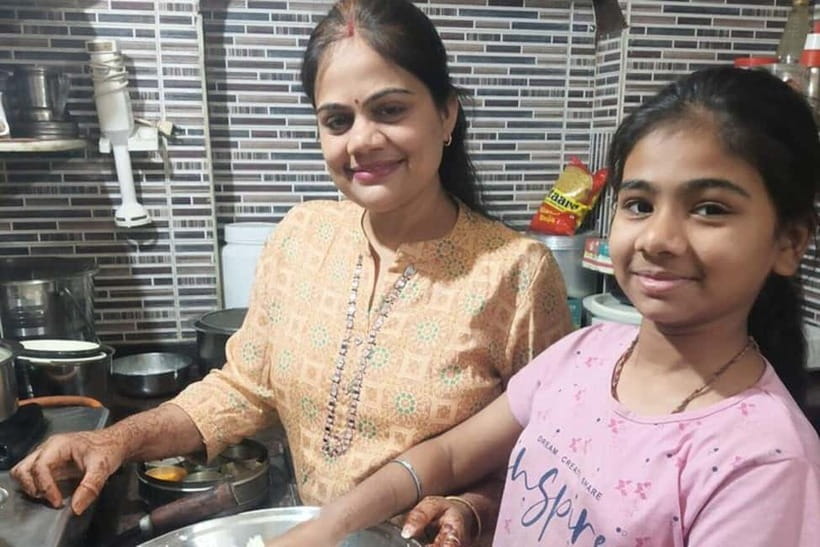
- Small group of up to 6, so you can ask questions and actually cook
- A local-family setting in Jaipur’s Johari Bazar area, not a demo studio
- Rajasthani-style dishes and flavors, including options like dal baati churma and ker sangri
- Dietary accommodation, including gluten-free and other intolerances (ask ahead)
- E-recipes after class, so you can repeat your meal at home
Jaipur Home Cooking With Swati and Family: Why This Works
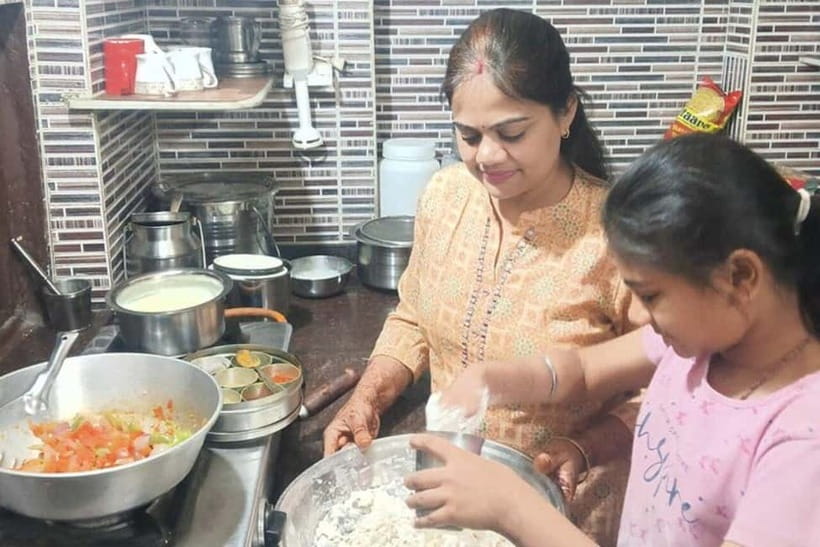
If you’ve ever eaten great Indian food and thought, I want to understand what makes it taste like that, this is a smart way to get answers fast. You’re not chasing perfection or memorizing a complicated script. You’re learning the real mechanics of the food—spice timing, texture control, and how a dish comes together on a home stove.
The setting matters. A restaurant meal is done for you. Here, you’re part of the cooking. Swati and her family guide you step by step, and the kitchen feels like a working home kitchen. You’ll likely spend time chatting too, because food in Rajasthan is social, and the family dynamic is part of the point.
Value also matters. At $19 for about three hours, you’re getting instruction, ingredients, a full meal, and digital recipes. That’s hard to beat compared to paying restaurant prices plus a separate activity.
You can also read our reviews of more cooking classes in Jaipur

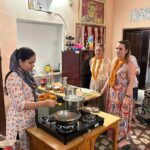
What You’ll Cook in 3 Hours: Rajasthani Comfort With Practical Skills
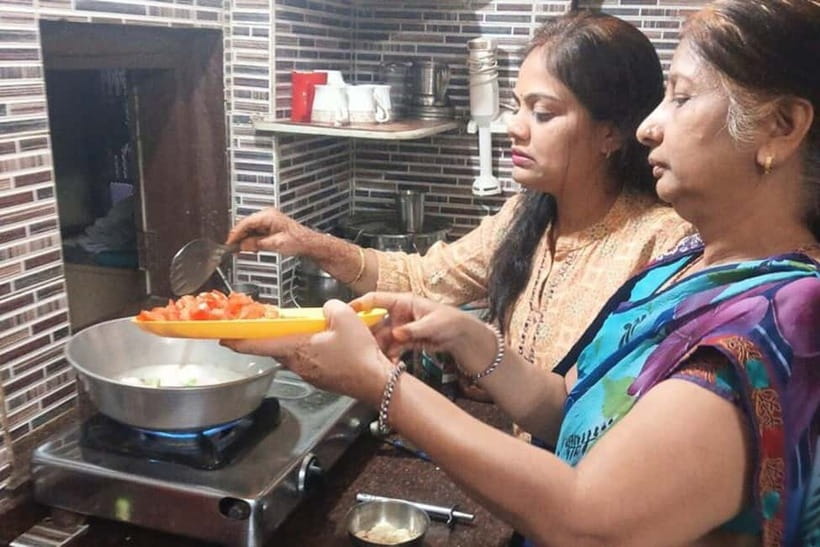
The heart of the experience is hands-on cooking, built around staple North and Rajasthan flavors. The class includes making chapatis and vegetable curries, and it also includes an Indian dessert. Beyond that, the exact menu can shift based on what you want to learn and what you can eat comfortably.
Based on the descriptions and the range of dishes people mentioned, you should expect a mix like:
- Breads: chapatis and sometimes paratha-style variations (you’ll learn rolling and cooking technique)
- Curries and sides: vegetable curry, dal-type preparations, and starch pairings like cumin rice
- Additional breakfast or tea-time favorites: masala chai is commonly the first stop
- Dessert: Indian sweets such as gulab jamun show up in classes
The highlights specifically call out Rajasthani names like dal baati churma and ker sangri. Even if you don’t cook every single named dish in your session, you’ll almost certainly get close to their flavor logic—how spices get used, how pulses or lentils cook down, and how the meal is balanced.
What you’re really buying is technique you can use again. Chapati success at home is mostly about dough feel, heat control, and timing. Curries are about managing spice bloom and simmer length. You’ll get lessons that transfer instead of just a list of recipes.
The Welcome Drink and Spice Orientation That Sets You Up
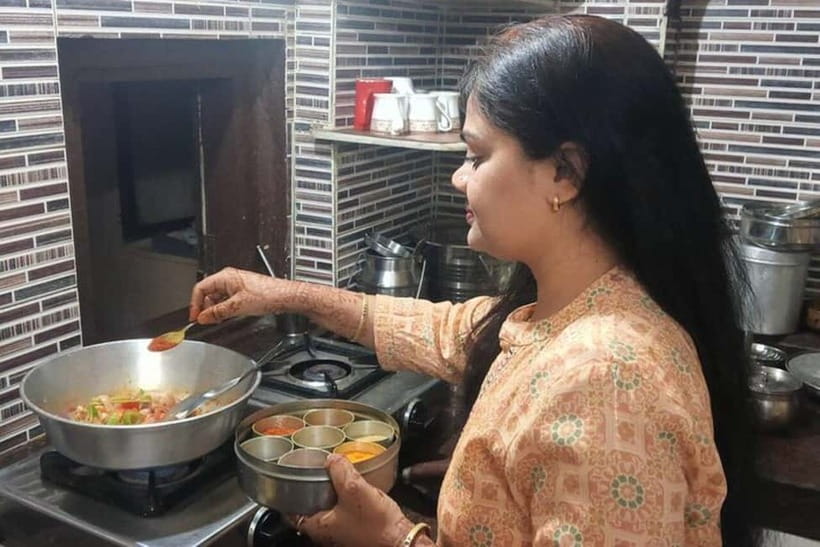
The class starts with welcome drinks, and tea (often masala chai) is a big part of the vibe. You’ll drink it, relax, and chat before you touch anything hot. This also helps you get comfortable with the rhythm of a home kitchen where questions are welcome and teaching is patient.
Then you move into an introduction to Indian spices and ingredients. This isn’t just a slideshow of jar labels. The goal is to help you understand what each spice is doing in the dish. For example, why a spice goes in at a specific moment (so it doesn’t turn bitter), or why a particular ingredient changes the body and flavor of a curry.
A helpful detail from real class experiences: Swati and family pay attention to safety and food hygiene, and they use mineral water for cooking. That matters in a home setting, because it shows they’re careful about what goes into the food—not just how it tastes.
Step-by-Step Cooking in a Real Jaipur Kitchen
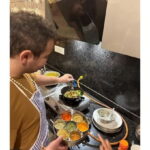
This class is built for active participation. The structure is simple: you’ll learn the base method, cook hands-on, and get corrections while you’re doing it. That’s how you avoid the common problem where you get a recipe at the end but still can’t replicate the dish.
Here’s what the cooking part typically feels like:
- You’ll work on chapati dough and cooking steps while your instructor watches and adjusts technique.
- You’ll cook vegetable curries with guidance on spice order, simmering, and balancing flavors.
- You’ll taste along the way, so you learn what to adjust rather than guessing later.
One of the best aspects is flexibility. Multiple classes described being able to choose dishes you want to make. That’s a big deal for value: you don’t waste three hours on food you’re not interested in. If you like breads, you’ll focus more there. If you want curry mastery, you’ll spend more time on that skill set.
And if you’re picky about food, the family is used to tailoring menus. One class described a fully gluten-free menu, and others highlighted accommodation for allergies and intolerances. If that’s your situation, contact the operator ahead so they can plan what to serve and what to avoid.
The Meal Itself: Eating What You Just Made (Without the Awkwardness)
After cooking, you eat what you made. That part sounds obvious, but it’s surprisingly important. Food tastes better when you understand what you did to make it taste that way.
In the classes described, the meal can include several parts, not just one curry and rice. People have mentioned a mix of curries, breads, and sides like pakora. Some classes also included tasting things like homemade lemon pickle and crunchy snacks such as poppadoms, plus sweet treats like gulab jamun or jaggery-based sweets.
If you’re wondering whether you’ll be overwhelmed with unfamiliar flavors, the answer is no. You’ll learn what’s in front of you as it happens. Swati explains each step as you go, so you’re not just eating blindly.
Also, expect a home-style pacing. This isn’t a timed race through stations. It’s more like cooking with a family friend who’s teaching you while also keeping the atmosphere warm.
You can also read our reviews of more tours and experiences in Jaipur


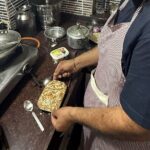

Cultural Exchange Beyond the Stove: Why the Family Part Matters
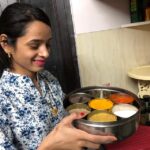
The most praised element across experiences isn’t just food. It’s the sense of being treated like family. Swati and her family often explain stories behind ingredients and how dishes fit into everyday life.
That connection changes how you remember the meal. A spice jar at home is just a jar. A spice in a dish with a story is a tool you understand. When someone tells you why an ingredient matters, you’re more likely to use it later instead of reverting to your old cooking habits.
A few class notes added extra cultural touches that may or may not happen in every session, like meeting more family members, sharing family photos, or receiving small handmade takeaways. Even when those extras don’t happen, you still get the core value: real conversation in a real Jaipur home.
Price and Value: Is $19 Good for This in Jaipur?
At $19 per person for a 3-hour small-group class, the value is solid. You get:
- Instruction from an English- and Hindi-speaking host (Swati)
- Hands-on cooking with chapati and vegetable curries
- A dessert
- Welcome drinks
- E-recipes of the dishes you cook
You’re also paying for something you can’t easily buy at a restaurant: guided technique and personal interaction. Most restaurant meals cost far more, and you leave with full stomachs but not much new cooking confidence.
What makes the pricing feel fair is that you control your experience. You can often choose which dishes you want to learn. And the class accommodates dietary needs when possible, which reduces the risk of paying for something you can’t fully enjoy.
Logistics You Should Know Before You Go
A few practical points can make the difference between a smooth class and a stressful one.
Meeting point location: 3664, motisingh bhomiyon ka rasta, fourth crossing johari bazar jaipur 302003. Use that carefully with maps. Johari Bazar streets can be lively and a little confusing at first glance, so plan to arrive early.
Transportation: it’s not included, so build that into your schedule. If you’re staying near the Pink City area, getting there might be straightforward, but don’t assume.
Group size: limited to 6 participants. That’s great for attention, but it also means you should confirm any dietary requirements ahead of time so the menu can be prepared.
Language: English and Hindi. You’ll still get explanations even if your Hindi is limited, but it helps to communicate clearly about allergies, spice limits, or gluten needs.
One more practical note: pets aren’t allowed. If you’re traveling with an animal, this might not work.
Who Should Book This Cooking Class in Jaipur?
This is a strong fit if you want:
- Hands-on cooking lessons, especially Indian breads and curries
- A smaller, more personal experience in Jaipur’s Pink City area
- A chef-like teacher who explains the “why” behind spices and steps
- A class that can accommodate dietary restrictions such as gluten-free needs
It might not be the best choice if you’re looking for a strict, scripted buffet-style experience with zero conversation. This class leans social. That’s part of the charm, but it’s still a home setting.
If you’re traveling solo, it works well because you’re in a tiny group and the instructor can focus. If you’re traveling with a friend or family member, it’s also ideal since you can cook together and compare notes.
Tips to Get the Most From Your 3 Hours
You’ll get the best results if you treat the class like a working lesson, not a tourist show.
- Ask what to focus on. If chapati is your goal, say so early.
- Tell them about food needs up front. Gluten-free and other intolerance accommodations have been handled, but planning helps.
- Watch the spice timing. Even a small shift in when spices hit hot oil changes the flavor.
- Take the e-recipes seriously. After you’re back home, cooking from those notes is the fastest way to lock in what you learned.
And if you’re nervous about cooking, good. That’s normal. Swati’s teaching style described in classes is patient and step-by-step, and people often leave confident because the work is guided in real time.
Should You Book This Jaipur Cooking Class?
I think you should book it if you want an authentic Jaipur meal that comes with real skills. For $19, you’re paying for more than dinner: you’re buying home-kitchen technique, spice understanding, and a warm family-style experience with Swati and her family.
Skip it only if you can’t manage the self-arranged trip to the meeting point or you want a purely hands-off, restaurant-like experience. If you’re okay working in a real home kitchen and you like learning by doing, this is one of the better values in Jaipur for food lovers.
FAQ
How long is the Jaipur cooking class with a local family?
It lasts 3 hours.
What is included in the experience?
It includes welcome drinks, a cooking class with the local family, an introduction to Indian spices and ingredients, hands-on chapati and vegetable curry cooking, an Indian dessert, and e-recipes of all cooked dishes.
How much does it cost?
The price is $19 per person.
Can the menu be adapted for dietary needs or allergies?
The experience includes information on accommodating preferences and intolerances, and classes have been able to handle needs such as gluten-free menus. It’s best to share your requirements in advance.
What dishes will I learn to cook?
You’ll cook chapatis and vegetable curries. The highlights also mention Rajasthan dishes like dal baati churma and ker sangri, and menus can be tailored based on what you want to make.
Is there a dessert?
Yes. An Indian dessert is included.
What languages are used during the class?
The instructor communicates in English and Hindi.
Is the activity wheelchair accessible?
Yes, it is wheelchair accessible.
Is transportation included?
No. Transportation to and from the activity is not included.