REVIEW · COOKING CLASSES
Jaipur: Interactive Cooking Class with a Local Family
Book on GetYourGuide →Operated by Ultimate Urban Adventures Pvt. Ltd. · Bookable on GetYourGuide
Chapati dough taught me patience in Jaipur. This hands-on cooking class in a local Rajasthan home walks you through North Indian basics with fresh spices, then puts you at the stove for round chapatis.
I really like that the lesson doesn’t stop at technique—you also get a real family meal, with talk about spices and their oldest home recipes.
One drawback to plan for: you’ll use the stairs to reach the first-floor kitchen area (F-2), and it’s not suitable for wheelchair users.
In This Review
- Key points worth knowing
- Why This Jaipur Cooking Class Feels Like Family Dinner
- What You’ll Cook: North Indian Staples That Make Sense
- The Welcome Part: Drinks, Rules, and Getting Comfortable
- Spices First: How This Class Builds Flavor from the Ground Up
- Rolling Chapatis: The Real Skill You’ll Remember
- Vegetable Curry Cooking: Timing, Tempering, and Balance
- Eating Together: Drinks, Dessert, and the Stories That Land
- E-Recipes: What You Actually Take Home
- Price and Value in Jaipur Terms (It’s Not Just a Meal)
- Logistics That Matter: Pickup, Timing, and Travel Planning
- Who This Cooking Class Is Best For
- Should You Book This Jaipur Cooking Class?
- FAQ
- What dishes will I cook during the class?
- Is it mostly watching, or do I cook myself?
- What’s included in the price?
- Do they offer pickup from my hotel in Jaipur?
- Is the instructor English-speaking?
- Are there any rules in the home?
- Is this experience wheelchair accessible?
Key points worth knowing
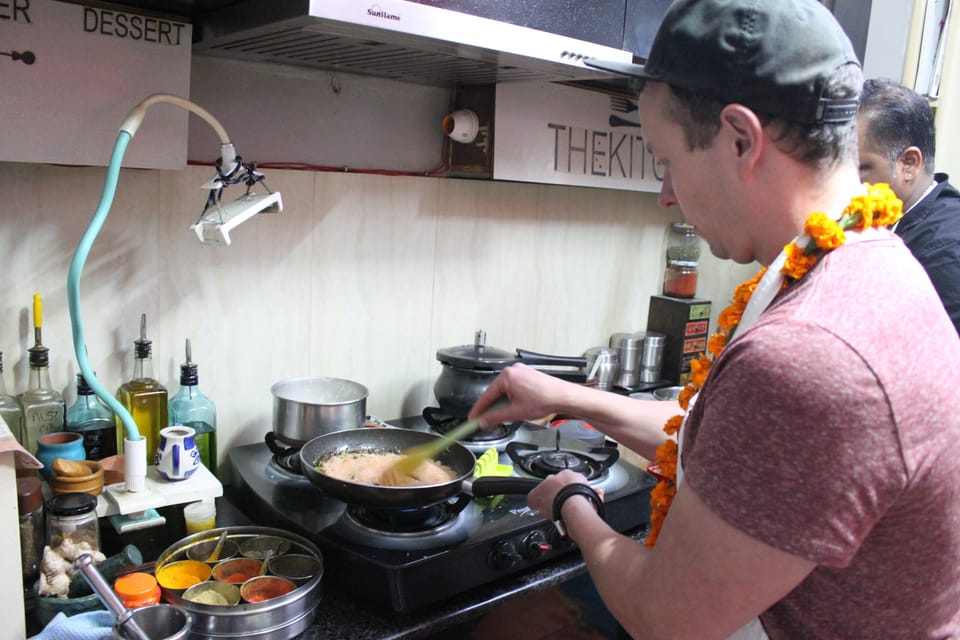
- Chapati practice you can feel in your hands: you roll and cook round breads, not just watch.
- A family-style meal in their home: you eat what you make, with conversation.
- North Indian focus: expect North Indian staples like chapati/paratha-style cooking and seasonal vegetable curries.
- Spices explained clearly: you start with herbs/spices/ingredients before cooking starts.
- E-recipes included: you get digital recipes for what you cook.
- Warm hosts with a friendly household vibe: Monty, Harshita, and their daughter Gina bring a personal feel.
Why This Jaipur Cooking Class Feels Like Family Dinner
If you want Jaipur beyond the usual restaurant circuit, this experience is built for that. You’re welcomed into a real home kitchen in Rajasthan, where the day starts with ingredients and spice basics before anything hits the pan. The tone is relaxed. You’re not performing for a camera. You’re learning in a place where food is part of daily life.
I like that it’s interactive, not a scripted show. After a demonstration, you actually make the food—round chapatis and a vegetable curry are the core hands-on items. And because you eat together, the meal feels earned instead of rushed.
You’ll also get the kind of details that don’t show up in a menu. The hosts share their oldest family recipes and cooking approaches, including how their styles differ—Monty tends to explain things with a more structured, “how it works” approach, while Harshita brings hands-on, grandma-style knowledge built over years in the Pink City. Either way, the goal is the same: flavor you can repeat at home.
You can also read our reviews of more cooking classes in Jaipur

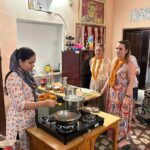
What You’ll Cook: North Indian Staples That Make Sense
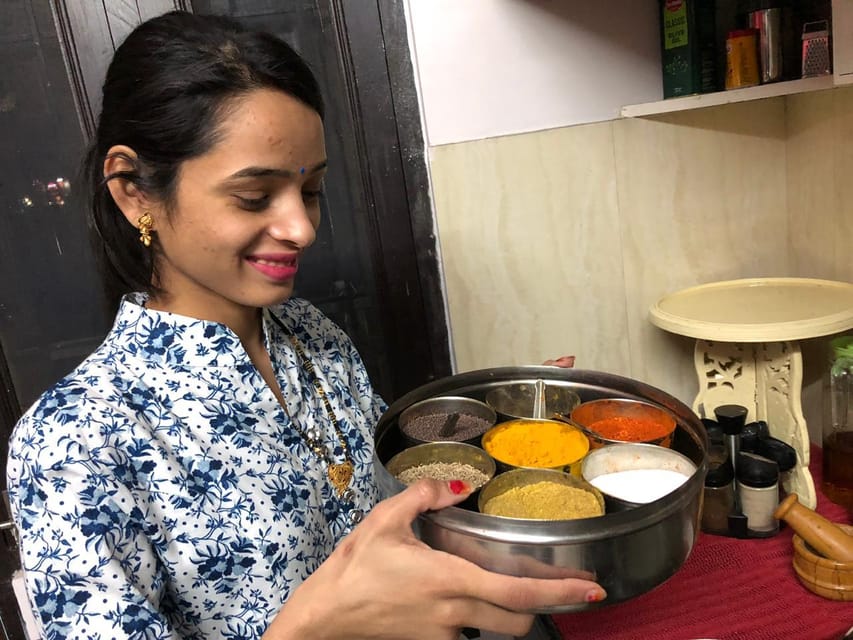
This class leans North Indian, so you’re learning the foods most tied to Jaipur’s everyday table. The highlights focus on chapati and a vegetable curry, but the broader menu can include related North Indian favorites. Depending on the session, you might also see dishes like paratha-style breads, fried rice, seasonal vegetable curries, and desserts.
A few course examples from real menus people experienced include things such as Aloo Paratha, coriander chutney, Masala Chai, Poha, Palak Paneer, and rice pudding. That matters because it shows the cooking style isn’t locked to one rigid script.
Here’s the practical takeaway: you’ll leave understanding the logic behind the dishes. You’ll know what’s going in first, what’s toasted or tempered, and how the spices behave when heat hits them. That’s what helps you cook again later, not just copy a recipe card.
The Welcome Part: Drinks, Rules, and Getting Comfortable
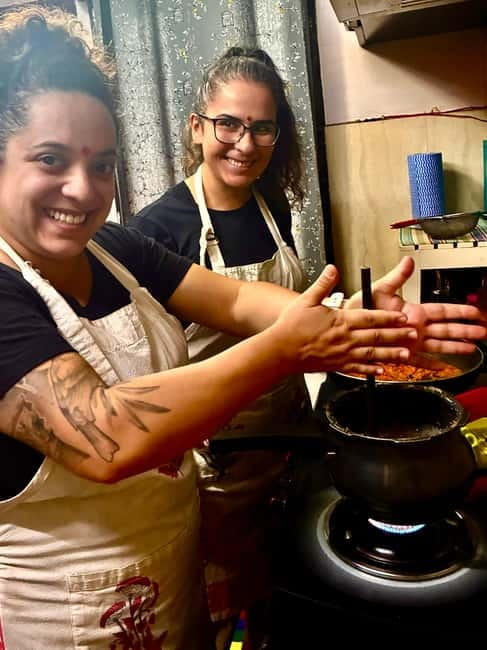
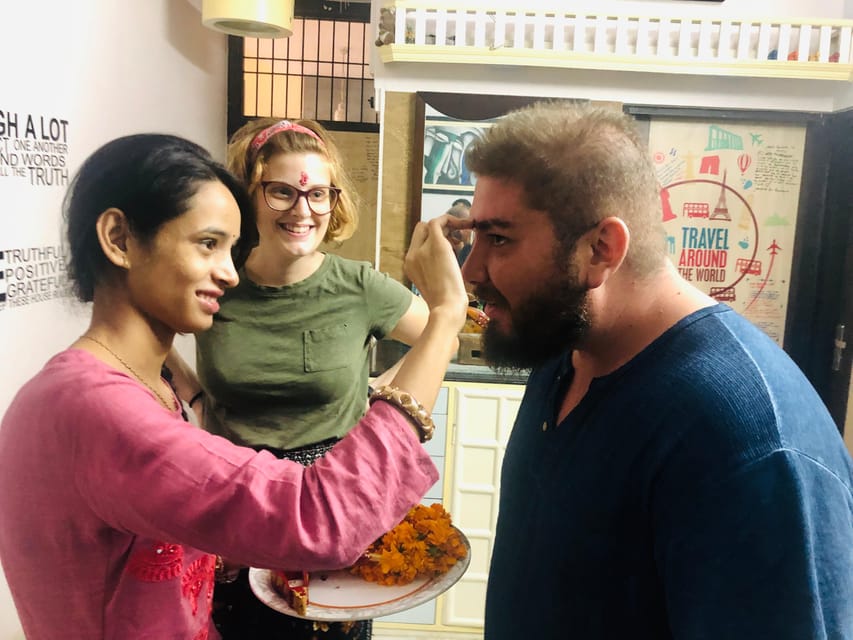
You start in the household with a welcome drink. It sets the tone fast—this isn’t just “walk in, cook, walk out.” The hosts take time to introduce the plan, explain the spices and ingredients, and help you feel at ease in someone’s home.
Before you go, check the house rules so you’re not surprised. Pets aren’t allowed, and smoking is only allowed on the balcony (not inside). Also, you’ll want to tell the hosts about any food allergies or intolerances in advance, since that’s the only way they can adjust ingredients responsibly.
And yes, you’ll climb stairs. The kitchen access uses stairs to the first floor (F-2). If that’s an issue for you, this is the one factor I’d weigh carefully.
Spices First: How This Class Builds Flavor from the Ground Up
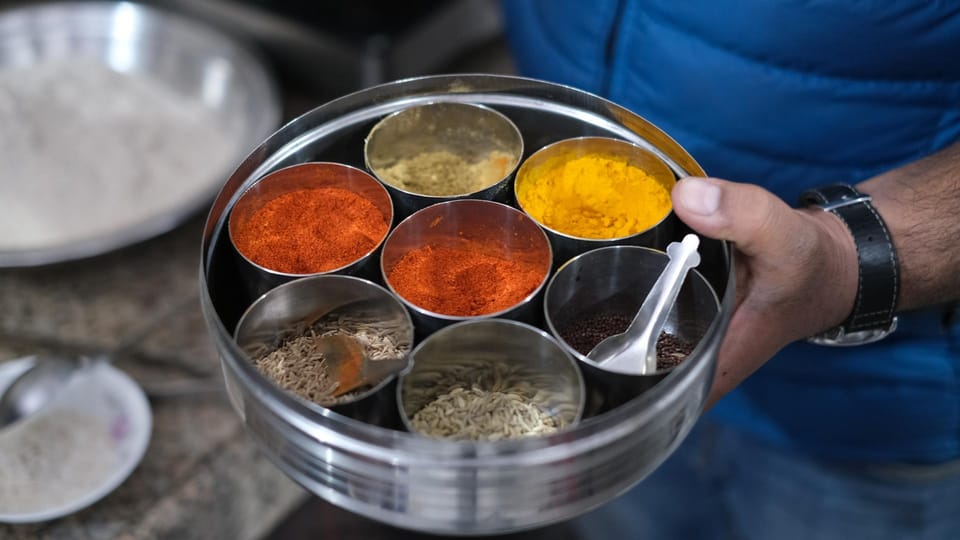
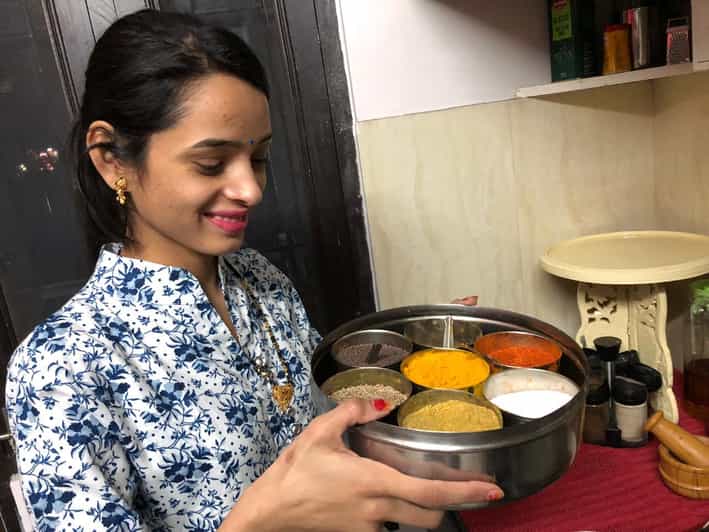
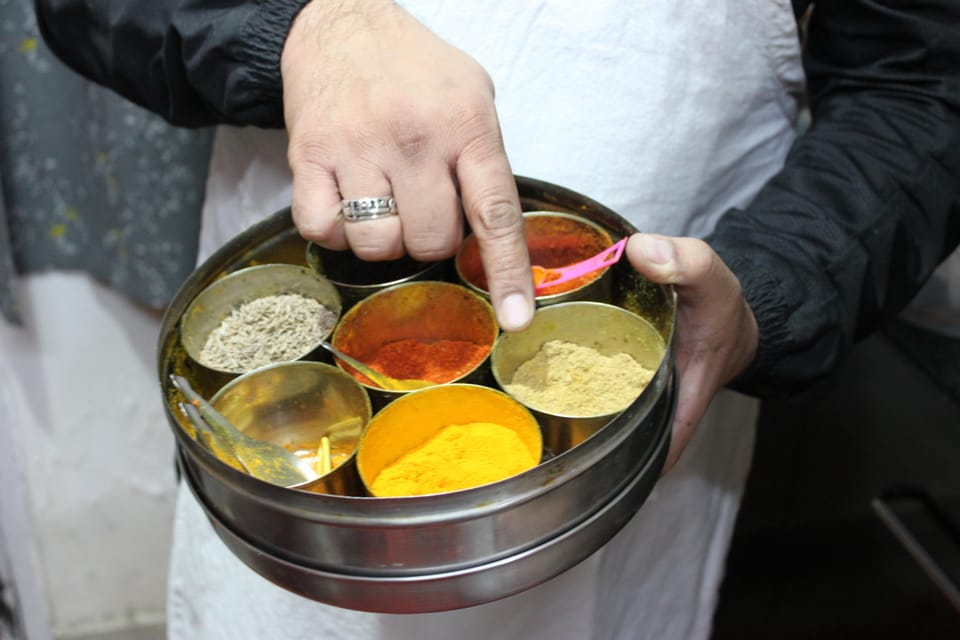
One of the smartest parts is the order of operations. You don’t begin by cooking randomly and hoping it works. You begin with an introduction to the spices, herbs, and key ingredients you’ll use.
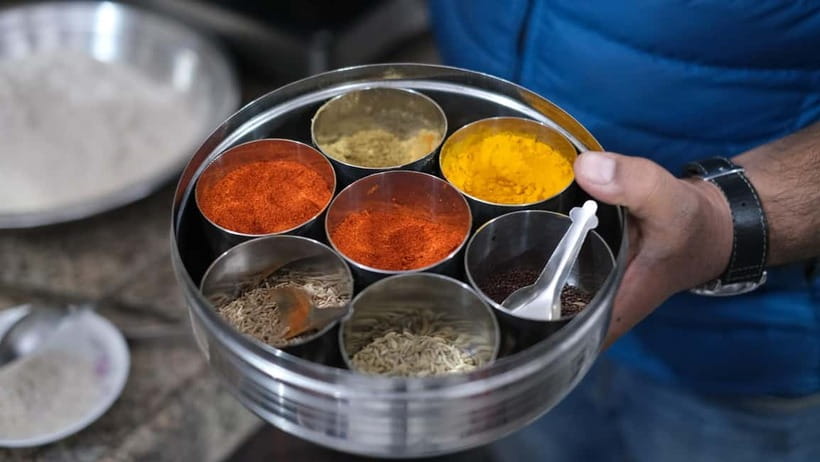
In a North Indian kitchen, spices aren’t just “sprinkles.” They’re timed. Some get bloomed in oil. Some change taste based on how long they cook. Some are used for aroma, others for heat, and others for body. This class teaches that rhythm before you touch the stove, so your cooking makes sense while you’re doing it.
If you’re new to Indian cooking, this is huge. If you cook already, you still benefit because the approach is focused on technique: heat level, timing, and how each spice role connects to the final dish. People mention the hosts answering many curious questions, which tells me you won’t just be left with a mystery bowl of spice mixes.
Rolling Chapatis: The Real Skill You’ll Remember
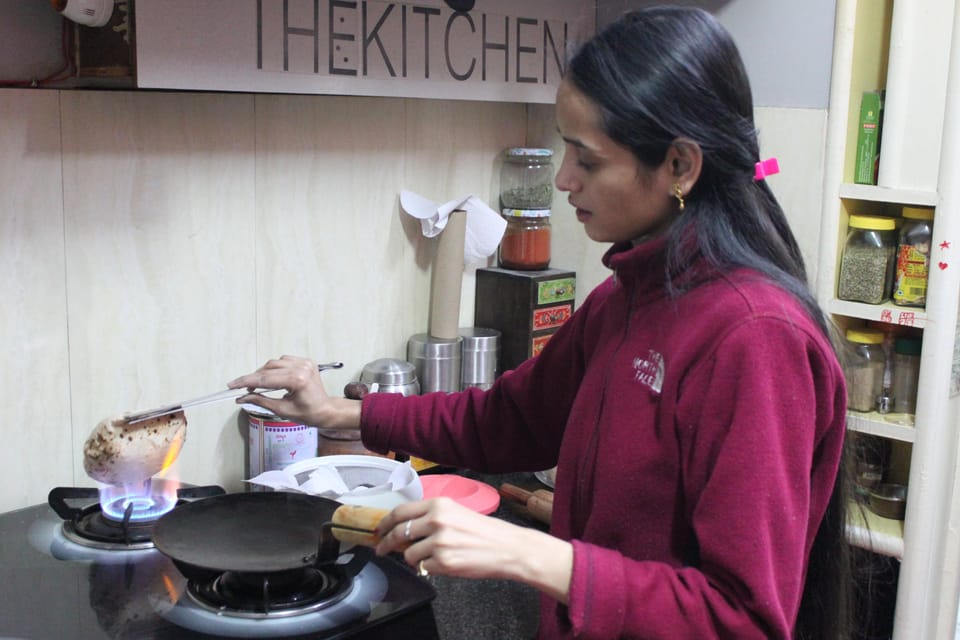
The chapati part is where your effort becomes obvious fast. After a demonstration, you make round chapatis yourself. You’ll learn how the dough behaves, how rolling should look, and how cooking changes as the bread hits the heat.
This is the one skill that transfers well to your home kitchen. Even if you don’t make the exact same vegetable curry later, chapati technique is useful forever. And because you’re working with hands-on guidance, you get correction in real time—something you can’t get from a cookbook.
The best part is that chapatis aren’t treated like a minor side. They’re treated like the foundation. A good chapati changes everything about how the curry tastes. It’s also a great way to understand the difference between flour-based breads and the richer paratha-style approach you’ll see across North India.
You can also read our reviews of more tours and experiences in Jaipur


Vegetable Curry Cooking: Timing, Tempering, and Balance
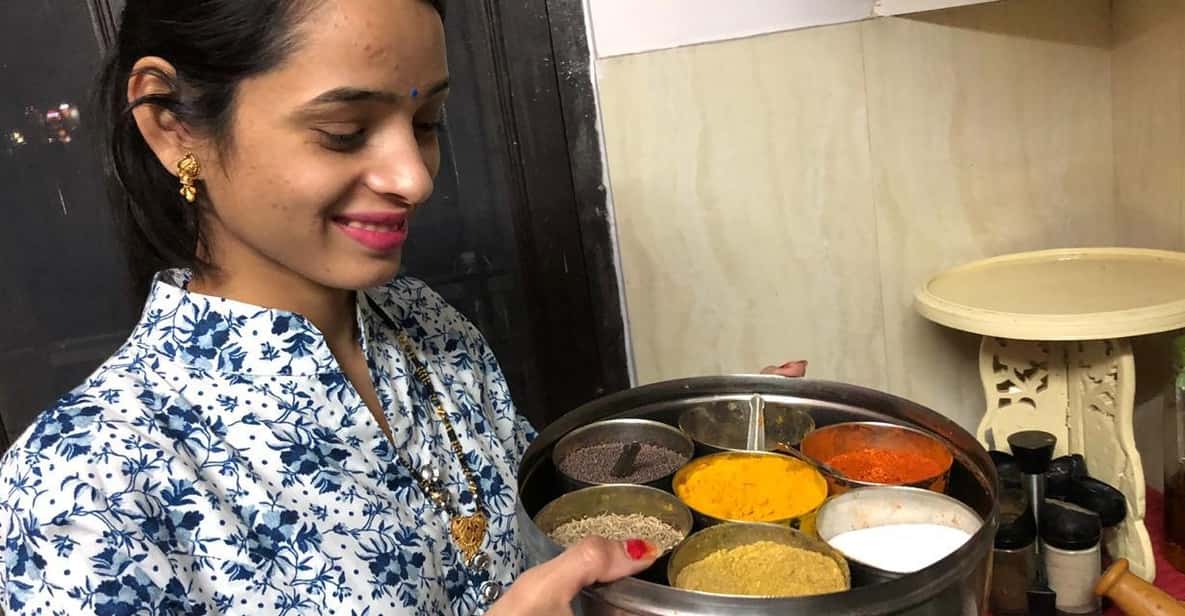
The vegetable curry gives you the other half of the meal: a sauce you can spoon, scoop, and repeat. You’ll cook it yourself with guidance, with an emphasis on using fresh ingredients.
In plain terms, curry success comes from three things: building flavor in steps, balancing spice intensity, and cooking vegetables so they taste alive instead of boiled into softness. You get practice in that flow. You start with the basics, then you work through the steps until the curry looks and smells right.
Because it’s a home kitchen class, the goal isn’t perfection for social media. It’s understanding. You learn what you can adjust next time—like changing how long something cooks or how strong the spice blend tastes after it blooms.
If you like cooking but hate vague instructions, you’ll probably enjoy this section. The hosts explain how spices are used and why certain steps matter, so your results improve even when your kitchen isn’t identical to theirs.
Eating Together: Drinks, Dessert, and the Stories That Land
After you cook, you sit down for the meal. This is when the experience becomes more than cooking. It turns into dinner with conversation. You’ll also have an Indian dessert alongside your meal, plus the welcome drink kicks things off earlier.
This is also where family recipes become personal. The hosts talk about older, passed-down approaches, and you hear how cooking fits into their life. That can include lots of casual questions—how spices are chosen, how dishes are shaped for different tastes, and how certain flavors became “family standards.”
And yes, their daughter Gina is part of the fun energy. People describe her as an adorable, playful presence, with moments that can include impromptu dancing. It’s the kind of small, human thing that makes the evening feel memorable without turning into a performance.
E-Recipes: What You Actually Take Home
The class includes e-recipes for all dishes you cook. That’s more valuable than it sounds.
A lot of cooking classes hand you a generic recipe and send you on your way. Here, the digital recipes match what you made. It’s the difference between reading steps and repeating them. You can check measurements later and, more importantly, use the notes to remember how the food should look or taste at key stages.
If you’re planning to cook Indian food at home soon after your trip, this support helps you avoid the “I cooked it once, now I forgot why it worked” problem.
Price and Value in Jaipur Terms (It’s Not Just a Meal)
At $24 per person for about 2.5 to 3 hours, you’re paying for a real home-cooking lesson with multiple components: welcome drinks, spice/ingredient introduction, hands-on chapati and curry cooking, plus dessert and e-recipes.
Compare that to paying for a restaurant meal in Jaipur. Restaurants are great, but they don’t teach you technique. This experience gives you both: you eat what you make and learn how to reproduce it. For the time, the small-group or private setup, and the fact you’re not bringing your own equipment, it lands as good value if your goal is skill, not just calories.
If you’re the type who likes learning food culture through action, this price feels fair. If you only want a quick bite with no cooking effort, you might prefer a food tour instead.
Logistics That Matter: Pickup, Timing, and Travel Planning
Transportation isn’t included, but pickup is available optionally. If you choose pickup, the driver meets you in your hotel lobby or another location within Jaipur you request. Some people also mention using quick local rides like a tuk-tuk for an easy handoff, which suggests pickup is designed to reduce stress.
Duration is 2.5 to 3 hours, and starting times vary. So if you’re timing this around Amber Fort, City Palace, or a market visit, pick a slot that doesn’t force you into rushing.
Two practical notes I’d take seriously:
- The location is up a flight of stairs (F-2), so plan accordingly.
- No personal cooking equipment is needed, since the class provides the structure for cooking.
Who This Cooking Class Is Best For
I’d recommend this class if you want:
- Hands-on cooking instruction in a real household setting.
- North Indian comfort foods you can realistically recreate.
- A social, conversation-forward experience where you can ask questions.
It’s also a solid pick if you’re traveling with someone who enjoys cooking. You’ll both work on the breads and curry, then share the meal together.
If you’re in a rush, it’s not a “grab-and-go” activity. You’ll need those 2.5–3 hours to cook and eat at a comfortable pace. And if stairs are a problem, this is the one part that could decide it for you.
Should You Book This Jaipur Cooking Class?
Yes, if your priority is technique and a real, human experience. The strongest reason to book is simple: you cook the core items yourself, then eat together with the people teaching you. That combination—hands-on cooking plus home-style dining—is hard to replicate elsewhere in Jaipur.
Skip it if you can’t use stairs comfortably, or if you only want a meal without doing any cooking. Otherwise, for about $24, you’re getting a practical skill set (chapati + curry), spice know-how, and e-recipes you can actually use.
If you want one Jaipur activity that feels personal and gives you something to take home besides photos, this is a smart choice.
FAQ
What dishes will I cook during the class?
The hands-on focus is making round chapatis and a vegetable curry. Depending on the session, menus may also include other North Indian dishes like paratha-style breads, chutneys, chai, fried rice, and desserts.
Is it mostly watching, or do I cook myself?
You cook yourself. After a demonstration, you get hands-on time making the chapatis and the vegetable curry.
What’s included in the price?
You get welcome drinks, the cooking class with a local family, an introduction to spices and ingredients, hands-on cooking, Indian dessert, and e-recipes for the dishes prepared.
Do they offer pickup from my hotel in Jaipur?
Pickup is optional. The driver meets you in your hotel lobby or another location within Jaipur where you want to be picked up.
Is the instructor English-speaking?
Yes. The class instructor is listed as English.
Are there any rules in the home?
Pets are not allowed. Smoking is not allowed generally, but smoking is allowed on the balcony. You should also inform them about any food allergies or intolerances.
Is this experience wheelchair accessible?
No. It’s listed as not suitable for wheelchair users.