REVIEW · CITY TOURS
Jaipur: Full Day City Highlights Tour with Tour Guide
Book on GetYourGuide →Operated by Trip to india A PART OF TRIPSTRO · Bookable on GetYourGuide
A day like this can turn Jaipur into something you can actually remember, not just photograph. I like the way the route mixes big sights (Amber Fort, City Palace, Jantar Mantar) with quieter stops like Panna Meena Ka Kund. I also like the “your pace” approach, since you’re traveling in a private air-conditioned car with a guide who can explain details on the spot. The one drawback: monument entrance fees are not included, so you’ll want to budget extra before you arrive.
You can expect a guided day with purposeful timing: forts in the morning light, then palaces and astronomy as the heat climbs. You’ll also get a useful lunch break and a short educational craft stop (no shopping pressure). Just keep in mind that several stops are photo-friendly rather than long stays, like Jal Mahal.
In This Review
- Key highlights worth planning for
- A full-day Jaipur route that feels logical, not rushed
- Price and value: why $10 can be a smart budget move (with one catch)
- Hotel pickup, private comfort, and how to get the most from your guide
- Hawa Mahal: the best 20-minute stop for photos and context
- Amber Fort: Sheesh Mahal, the big courtyards, and the audience halls
- Panna Meena Ka Kund stepwell: the most “photo and wow” 30 minutes
- Jal Mahal from the lakeside: a calm stop that still delivers
- Lunch, plus a short craft workshop that’s actually educational
- Hitting City Palace: museums, courtyards, and Chandra Mahal
- Jantar Mantar UNESCO: how big instruments teach time and sky
- Royal Gaitor Tumbas: peaceful cenotaphs with Rajput-Mughal details
- Timing, pacing, and what to expect on the ground
- What this tour is best for (and who might want a different plan)
- Should you book this Jaipur city highlights tour?
- FAQ
- What’s the tour duration?
- Is pickup from my hotel included?
- Is this tour private or shared?
- What vehicle will I use?
- Which languages are available for the guide?
- Are entrance fees included for monuments?
- Is lunch included?
- Does the tour include bottled water?
- What should I bring?
- Is there any cancellation policy?
Key highlights worth planning for
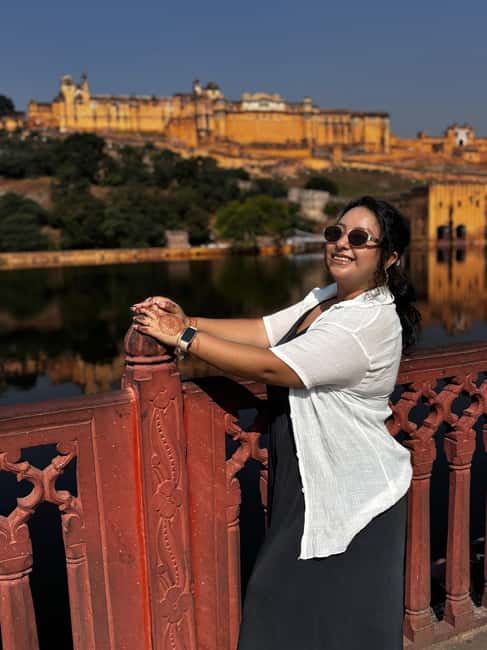
- Amber Fort with Sheesh Mahal: stunning mirror hall plus the fort’s main audience halls.
- Panna Meena Ka Kund: a stepwell with striking symmetry and serious depth.
- Jal Mahal viewpoint: a calm lake-palace moment even without entry.
- City Palace and Chandra Mahal: museums, courtyards, and the part still in royal use.
- Jantar Mantar (UNESCO): giant instruments for measuring time and observing the sky.
- Royal Gaitor Tumbas: peaceful marble cenotaphs with Rajput-Mughal style details.
A full-day Jaipur route that feels logical, not rushed
Jaipur can overwhelm you fast. Too much pink facade, too many angles to photograph, too little time to actually understand what you’re seeing. This kind of full-day highlights tour works because it groups the city’s “power spots” into a clean storyline: royal Jaipur (fort + palace), knowledge and astronomy (Jantar Mantar), then memorial architecture (Royal Gaitor).
I also like that the tour is private. That matters here, because traffic, heat, and crowd patterns can change hourly. With your own car and guide, you’re not stuck waiting on a group that’s lagging—or speeding ahead past the good photo chances.
One more practical win: bottled water is included, and the car is air-conditioned. In a city where the sun can feel personal, that small comfort helps you keep your energy for the walking parts.
You can also read our reviews of more guided tours in Jaipur
Price and value: why $10 can be a smart budget move (with one catch)
At around $10 per person for an 8-hour private day, the value is mostly in the logistics: hotel pickup/drop-off, fuel, parking fees, taxes (GST), and a professional guide in one package.
But here’s the one catch you should plan for: entrance fees are not included. That’s normal in many tours, but it affects your final spend. If you want to avoid surprises, set aside a reasonable amount for tickets at each monument and keep some cash/card handy.
Also note: tipping is not included. If you’re happy with the guide and driver, plan to tip at the end. It’s the sort of day where good explanations make a real difference.
Hotel pickup, private comfort, and how to get the most from your guide
The day starts with pickup from your hotel in Jaipur, and the drop-off returns you to your pickup location. You’re not stuck figuring out meeting points or negotiating with drivers mid-tour.
The tour runs in a private group setup with different vehicle sizes depending on your number of people:
- Sedan for 1–2 guests
- SUV for 3–5 guests
- Tempo Traveller for 6–10 guests
Language options are broad (English, French, German, Hindi, Russian, Spanish). If you care about understanding the stories behind the stones, this is worth noting. Good interpretation turns the sites from “wow, pink” into “aha, I get the design and purpose.”
Guide quality is a major theme in the best ratings tied to this experience. Names that show up often include Surrendra Sharma, Krishan, Naveen (noted for Spanish), and Vishan Singh. For driving, Meena Ji and Ranvir are called out for being patient and smooth. You might not get the exact same team, but it’s a good sign that the service aims for calm, organized pacing.
Hawa Mahal: the best 20-minute stop for photos and context
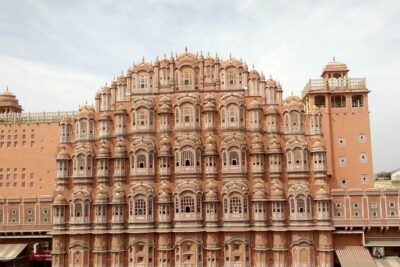
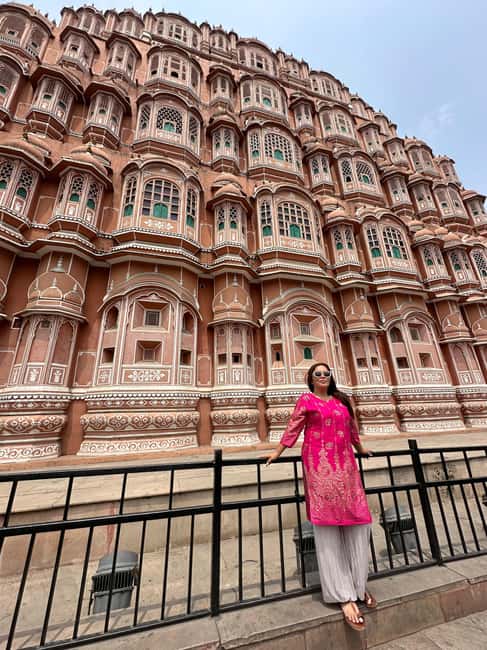
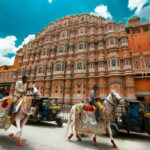
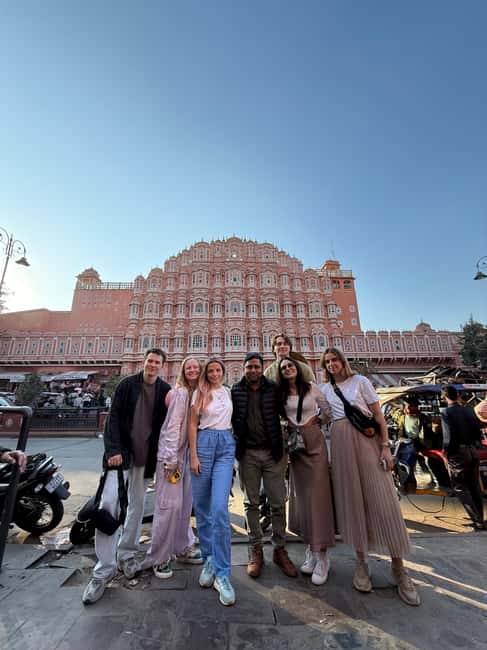
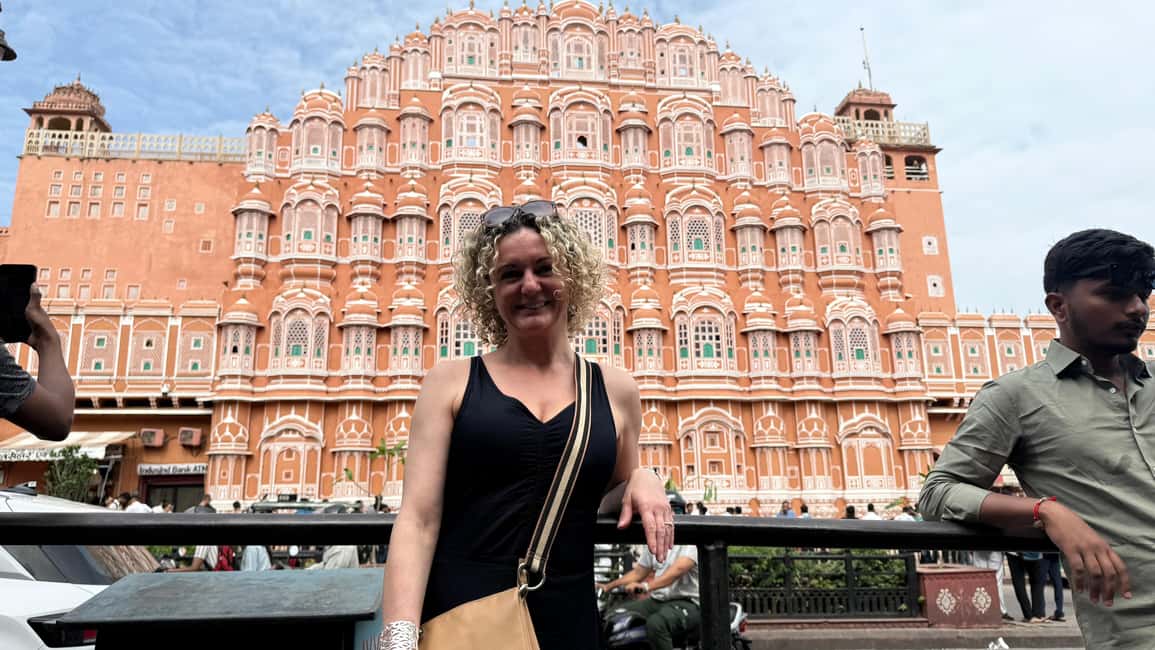
Your first real sight is Hawa Mahal, the famous five-story pink sandstone facade with 953 windows. Even if you’re not a “window person,” this building makes sense fast once your guide explains the idea: royal women could observe street life without being seen.
Plan to spend the time efficiently:
- Use the stop for the facade photos you came for
- Listen for the story of why the windows exist
- Then take the short walk/photo angle your guide recommends
The best view is said to be across the street, so if you spot a good spot opposite the facade, take it. This isn’t a place you linger for hours. It’s a quick hit of Jaipur’s visual signature before you head into the bigger, deeper sites.
Amber Fort: Sheesh Mahal, the big courtyards, and the audience halls
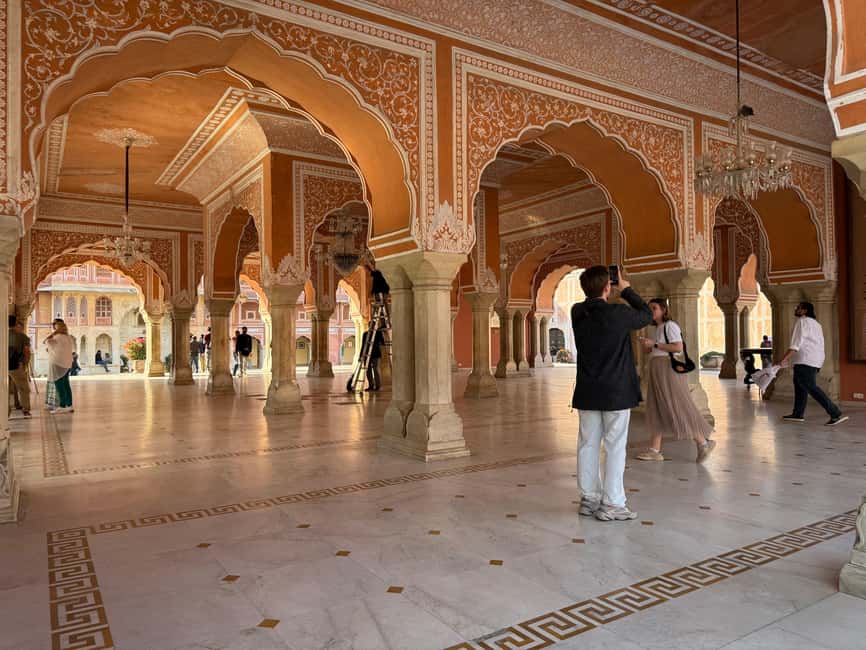
Amber Fort is where Jaipur gets dramatic. Expect large courtyards, grand palace spaces, and a lot of visual texture—stone, arches, and the feeling that the whole complex was designed for power and ceremony.
This stop is timed at about 2 hours, which is usually enough to do the main palace areas without running yourself into the ground.
Two things you should specifically pay attention to:
- Sheesh Mahal (Hall of Mirrors): this is the “yes, it’s worth it” moment. Even if you’ve seen photos, seeing it in person is different because you’re standing inside the light effect, not just looking at a screen.
- The audience halls: Diwan-i-Aam and Diwan-i-Khas. Your guide can connect them to how rulership worked—who had access, what kind of audiences happened where, and why the architecture matters.
If you’re traveling in warmer months, wear shoes that handle uneven ground. You’ll do more walking than it looks like from the outside.
A note on shopping: there’s a shopping element built into the fort portion. If you’re not into shopping, you can just treat it as a break opportunity rather than a mission.
You can also read our reviews of more city tours in Jaipur





Panna Meena Ka Kund stepwell: the most “photo and wow” 30 minutes
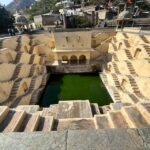
Next up is Panna Meena Ka Kund, a stepwell near Amber Fort. It’s from the 16th century and known for the intricate, symmetrical crisscross stair design that descends to a water reservoir.
This is one of those places where you’ll see the geometry before you even hear the explanation. Your guide’s job here is to help you understand what you’re looking at—how the symmetry and layered steps served a practical purpose while also looking spectacular.
The time allocation is about 30 minutes, and that’s enough if you:
- Get a few angles from above first
- Then move to the best viewpoint as the steps start to line up visually
- Keep your eyes on the pattern, not just the depth
Wear grippy shoes. Stepwell edges can be slick if the surface is uneven.
Jal Mahal from the lakeside: a calm stop that still delivers
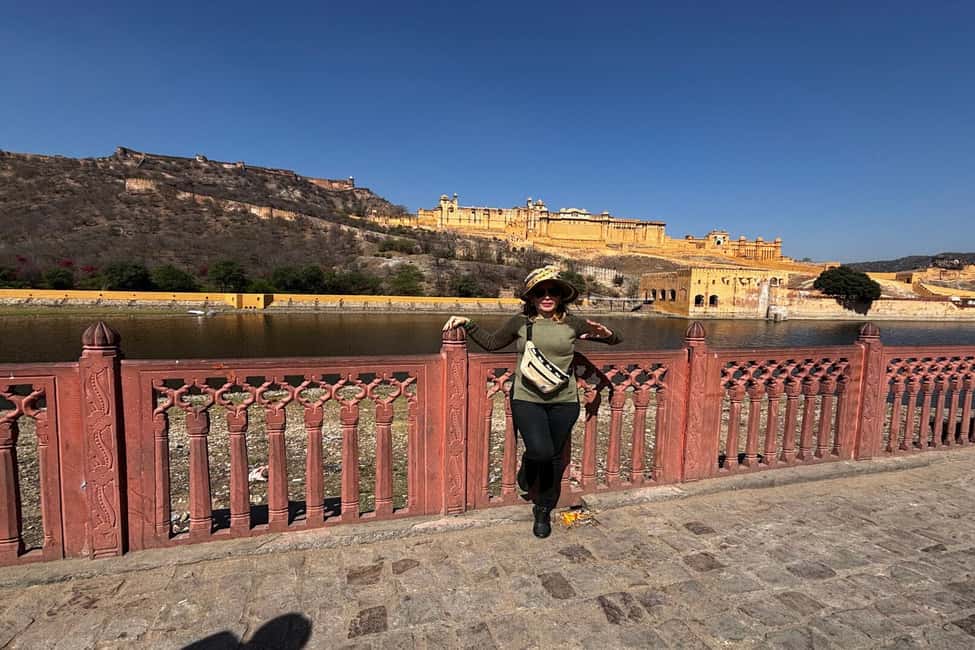
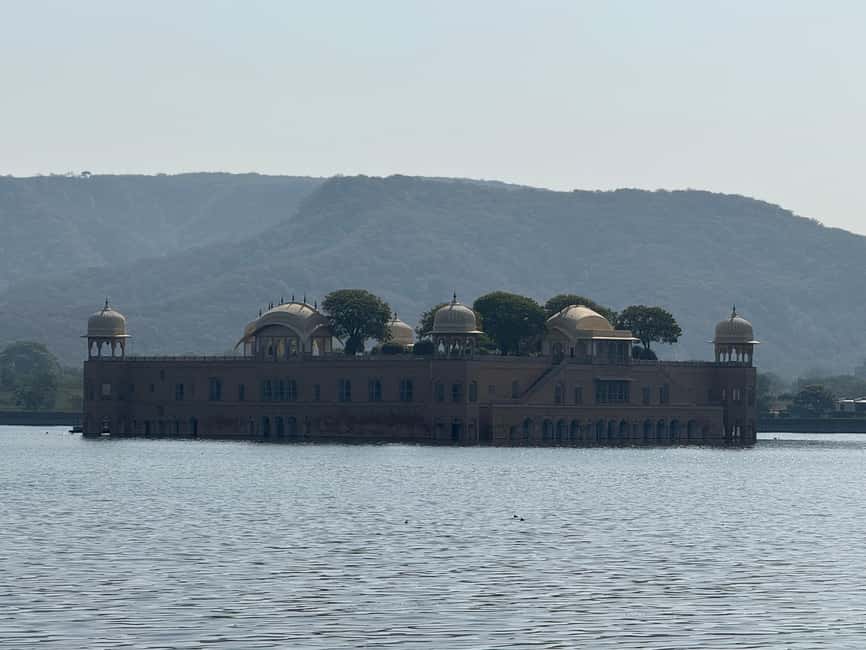
Jal Mahal (Water Palace) is the kind of sight you can’t rush, even though your visit is short. You’ll admire it from the lakeside, and you won’t enter the palace itself.
That restriction might sound like a downside, but it doesn’t hurt the experience much because the main point is the visual: the palace rising from Man Sagar Lake like a mirage.
Expect roughly 20–30 minutes here. If you have time, take a few photos from different angles rather than just one quick shot. Morning and late-afternoon light can change how the water reflects the building.
Lunch, plus a short craft workshop that’s actually educational
You’ll have a lunch break at about 1 hour at a local restaurant. The tour includes a buffet lunch without drinks if you choose that lunch option.
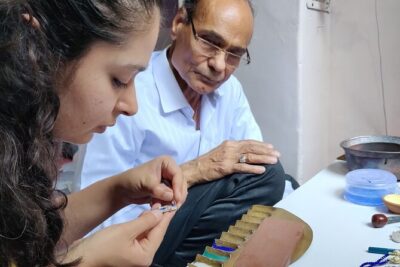
After lunch, there’s also a short 10–15 minute educational artisan workshop stop. This is designed to give you insight into traditional crafts such as hand block printing or stone cutting. Importantly, the information is shared without any purchase obligation.
This part is valuable because it slows the day down. Forts and palaces are about power and design, while crafts connect that design to real materials and real labor. Even in a short time window, it can make the city feel less like a set of monuments and more like a living culture.
If you get offered water and snacks nearby, take them. You still have a lot of walking after the lunch segment.
Hitting City Palace: museums, courtyards, and Chandra Mahal
City Palace is next, and it’s a bigger complex than people expect. Built by Maharaja Sawai Jai Singh II, it combines royal residence elements with museums and galleries.
This is timed around 1.5 hours, giving you time to move between courtyards and key interiors without turning it into a speed run.
Look out for Chandra Mahal, the portion of the palace still used by the royal family. That detail matters because it reminds you this isn’t a dead monument. It’s tied to ongoing identity and tradition, even as visitors walk through galleries and museum spaces.
Practical tip: wear sunglasses if you’re sensitive to glare. Palace courtyards can be bright, and the best photos sometimes involve stepping into shade and then back out again to catch the light.
Jantar Mantar UNESCO: how big instruments teach time and sky
Then you’ll head to Jantar Mantar, a UNESCO World Heritage Site built by Maharaja Sawai Jai Singh II. This isn’t astronomy in the modern “small telescope” sense. It’s big instruments designed to measure and observe the world using the motion of the sky.
The time here is about 1 hour. If you only walk past and snap photos, you’ll miss why it’s special. Instead, rely on your guide to explain what the instruments do: measuring time and tracking celestial bodies.
This stop is one of the best “mental breaks” in the day. Forts and palaces are visual and architectural. Jantar Mantar adds ideas—how knowledge was built into public design.
Wear a hat and sunscreen. You’ll be outside for parts of this, and you’re already on a long day.
Royal Gaitor Tumbas: peaceful cenotaphs with Rajput-Mughal details
Near the end of the route, you’ll visit Royal Gaitor (Gaitor Ki Chhatriyan), a memorial complex of cenotaphs (chhatris). It’s described as peaceful, which is exactly what you want after the big “grand monument” stops.
The domed marble structures blend Rajput and Mughal architectural influences. Your guide can point out the carvings and design elements that reflect that mix, and you can slow your pace here for photos that aren’t just front-facade shots.
This is around 30 minutes, plus a short photo stop component. Don’t rush it if you can help it. The memorial mood is calmer, and the details are often more satisfying at a slower walking speed.
Timing, pacing, and what to expect on the ground
This is an 8-hour full day, so the pacing is a balancing act: enough time in major sites, shorter stops for high-impact visuals, and transfers between locations handled in your private car.
Here’s how to keep it enjoyable:
- Start with comfortable shoes (this day involves real walking on varied surfaces)
- Bring a camera and take advantage of the photo windows at each major stop
- Use sunscreen and a hat, especially for Amber Fort and the open-sky time at Jantar Mantar
Also, expect that you may be able to adjust the itinerary slightly to match your interests. One of the tour strengths described is flexibility: you can ask to swap something you’ve already seen for something else. That’s handy if you’re more interested in crafts or architecture than shopping.
What this tour is best for (and who might want a different plan)
This tour fits best if you want a guided, structured highlights day without navigating tickets and transport on your own.
It’s a good match for:
- First-time visitors who want the core Jaipur sites in one go
- Budget-minded travelers who still want a private car and professional guiding
- Couples, solo travelers, and families looking for a safe, organized route
It may feel too “highlights-first” if you’re the type who wants long, slow time at one monument. In that case, you might prefer a shorter route with more hours at fewer stops. But for most people, this package gives the right mix.
Should you book this Jaipur city highlights tour?
I’d book it if you want a clean way to see Jaipur’s biggest architectural and cultural icons in one day, with the comfort of a private air-conditioned car and a guide who can explain what you’re looking at.
You should think twice if you’re the kind of traveler who hates outside walking in heat. You can still manage it with the right gear, but the day is packed, and some stops are outside or partially open-air.
If you do book, go in with the right mindset: treat each stop like one chapter. By the time you reach Jantar Mantar and then the calmer Royal Gaitor cenotaphs, the day’s story clicks.
FAQ
What’s the tour duration?
The duration is 8 hours.
Is pickup from my hotel included?
Yes. The tour includes hotel pickup and drop-off within Jaipur, and pickup can be arranged from your chosen location in the city.
Is this tour private or shared?
It’s a private group tour with your own dedicated car and guide.
What vehicle will I use?
Vehicle options depend on group size: a 2-seater air-conditioned sedan for 1–2 guests, an air-conditioned SUV for 3–5 guests, and an air-conditioned Tempo Traveller for 6–10 guests.
Which languages are available for the guide?
English, French, German, Hindi, Russian, and Spanish are available.
Are entrance fees included for monuments?
No. Monument entrance fees are not included in the package.
Is lunch included?
Lunch is optional. If chosen, it includes a buffet lunch without drinks for 1 hour.
Does the tour include bottled water?
Yes, bottled water is included.
What should I bring?
You should bring comfortable shoes, a hat, a camera, and sunscreen.
Is there any cancellation policy?
Free cancellation is available up to 24 hours in advance for a full refund.