REVIEW · FULL-DAY
Jaipur Full-Day Motorbike Tour for Solo Female Travelers
Book on Viator →Operated by Coffee with Manthan · Bookable on Viator
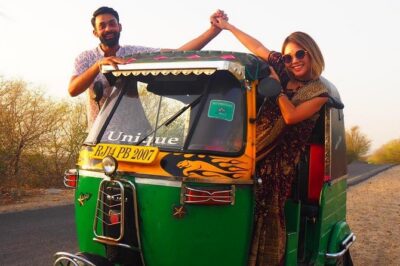
Riding Jaipur on a motorbike changes the whole day. This full-day experience is built for solo female travelers, with a pillion ride on an electric bike and a local artist storyteller, Manthan, who keeps things friendly and organized. I like that you still cover the big sights, but with a more human pace, plus built-in photo moments. The main thing to think about is that several major sites have admission tickets not included, so you’ll want a little cash or card ready.
What I really liked is how this tour blends safety-minded driving with real Jaipur context. Manthan is patient, calm on busy roads, and helpful when you need a plan on the fly, including inside City Palace. The other plus is the photo setup: candid shots and pre-planned moments so you’re not stuck trying to pose while traffic roars by.
In This Review
- Key reasons this Jaipur ride is worth your time
- Why a solo-electric motorbike day makes sense in Jaipur
- Meet Manthan: safety, stories, and photo help on the road
- Patrika Gate and Jawahar Kala Kendra: start with color, end with meaning
- Albert Hall Museum from the outside: quick dusk vibes without the time sink
- Hawa Mahal and City Palace: royal facades and real courtyards
- Jal Mahal and Amer Fort: the famous lake view and the big fort reality
- Panna Meena ka Kund: a stepwell photo stop with local storytelling potential
- Jantar Mantar at the right pace: UNESCO instruments, not a history lecture
- Price and value: what $34 buys you in a full day
- What to expect logistically (and how to stay comfortable)
- Should you book this Jaipur solo female motorbike tour?
- FAQ
- What time does the Jaipur motorbike tour start?
- How long is the tour?
- Is hotel pickup and drop-off included?
- Is the tour private?
- Do I ride an electric motorbike?
- Is admission included for all the sights?
- What’s included besides the ride?
- What is the cancellation policy?
Key reasons this Jaipur ride is worth your time
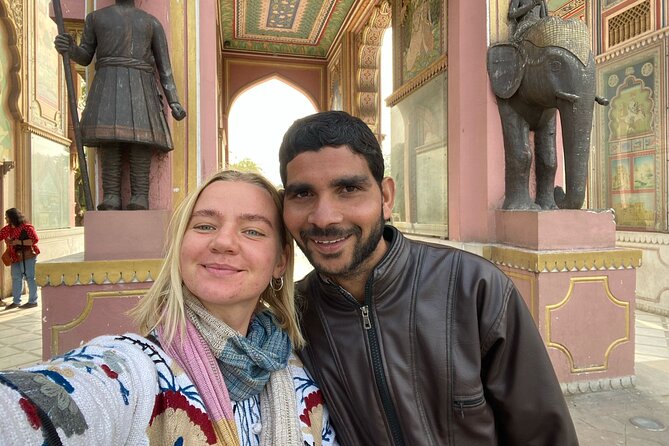
- Electric motorbike + pillion comfort: a smoother, quieter way to move through Jaipur than a constant stop-and-start day.
- Manthan’s calm driving: smooth and confident on busy streets, which matters a lot when you’re riding alone.
- Storytelling that makes the sights click: you don’t just see buildings—you get the why behind them.
- Photo help without the awkward guessing: planned spots plus candid shots so you get usable pictures.
- Chai and street-food tasting built into the route: a real break, not just temple-photo math.
Why a solo-electric motorbike day makes sense in Jaipur
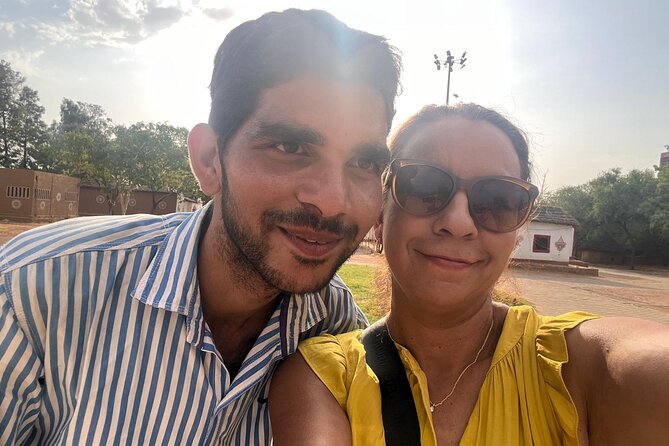
Jaipur is a city where movement is half the story. This tour uses an electric motorbike so you get to cover distance while still having a guided, people-first experience. You’re not navigating routes, figuring out what time to arrive, or negotiating every small transport decision.
For solo women, the big win is the partner in the journey. You’re riding pillion with Manthan, a local artist and photographer-style host, so the day has a clear rhythm from the first pickup to the final drop-off at your hotel. That reduces the usual solo stress: where to stand, how to cross, and how to keep momentum.
One more practical note: the pace is packed, but it’s structured. You get a mix of forts, palaces, and major UNESCO sights, with shorter photo stops and longer walks where it matters.
You can also read our reviews of more tours and experiences in Jaipur
Meet Manthan: safety, stories, and photo help on the road
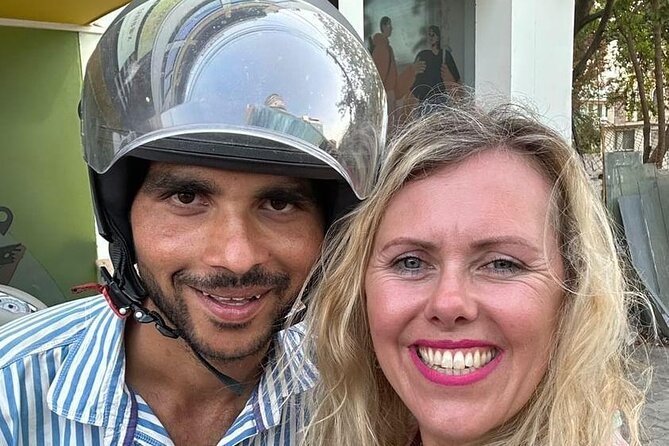
The driving is not a throwaway detail here. The reviews focus on Manthan being safe, smooth, and confident in Jaipur’s traffic—exactly what you want when you’re sitting pillion and can’t control the road. People also call out his kindness and patience, which shows up in small moments like slowing down to help you understand your next move.
His local angle is also part of the value. He’s not only ferrying you from place to place; he’s offering context you won’t get from a signboard. At City Palace, for example, the difference is real: you’re less likely to feel lost in courtyards and halls, because he can help you choose what to prioritize.
And yes, photos are part of the deal. You get candid and pre planned photos tied to the day’s main lookouts—so you can enjoy the sites instead of hunting for the perfect angle and accidentally blocking someone while you do it.
Patrika Gate and Jawahar Kala Kendra: start with color, end with meaning
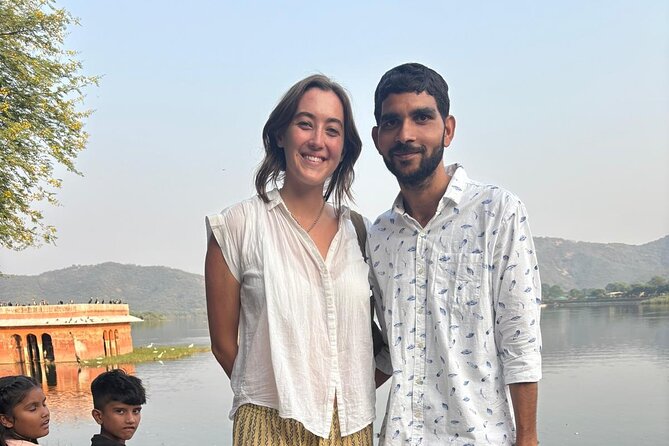
The day begins at Patrika Gate, one of Jaipur’s most recognizable photo spots. Expect painted arches and colorful corridors that look great from multiple angles, and short time on-site that still feels like you’re starting with momentum. This is the kind of stop that works well early because the light and energy are usually easier to work with.
Next comes Jawahar Kala Kendra, designed by Charles Correa. The key reason I like this stop is that it’s not just a monument. It’s an arts and culture space with exhibitions, puppet shows, and places you might grab a quick bite. Even when you only have about 20 minutes, it gives you a break from the fort-palace circuit and adds modern Jaipur texture.
Photo-and-walk style tip: at both Patrika Gate and Jawahar Kala Kendra, keep your expectations realistic. These are quick stops, so ask Manthan where the best viewpoints are before you spread out.
Albert Hall Museum from the outside: quick dusk vibes without the time sink

From there, you pass Albert Hall Museum and get a short photo stop as the day shifts toward evening. The museum is known as Jaipur’s oldest museum, and the outside views at golden hour can look spectacular.
But here’s the practical tradeoff: the museum entry isn’t included. You’re getting a quick photo moment rather than a full museum visit. That’s a smart choice when you still need to hit multiple big sites later, but it does mean you should plan to skip the full interior experience unless you want to pay on your own.
If you’re the type who loves museums, you may want to schedule an extra half-day in Jaipur after this tour, so this photo stop stays fun instead of frustrating.
Hawa Mahal and City Palace: royal facades and real courtyards
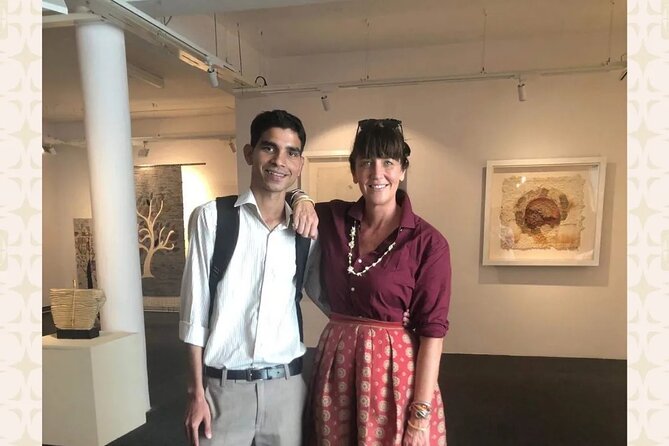
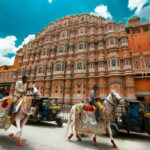
Hawa Mahal, the Palace of Wind, is one of Jaipur’s most famous visuals. You don’t just see it from afar here; you get about 30 minutes and entry is available for your own exploration. Once you’re inside, you can appreciate how the building is designed for views and airflow, which makes the exterior look less like a random pretty postcard.
The drawback: admission for Hawa Mahal is not included. That’s normal for many major sites in India, but it’s worth factoring into your budget so the day doesn’t feel like surprise costs at the gate.
Then it’s City Palace, where you’ll walk through royal courtyards and traditional Rajasthani architecture. You get around 45 minutes, which is enough for a first pass: you’ll see a mix of spaces without feeling trapped in one overlong room. Admission is not included, though, so again, plan for that extra.
This is also where Manthan’s help really matters. His role isn’t just driving—he can guide you through which areas make sense for your interests and time. If you’ve ever felt overwhelmed inside a palace complex, you’ll know how quickly a day can get messy. Here, the pacing is managed.




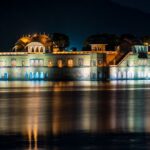
Jal Mahal and Amer Fort: the famous lake view and the big fort reality
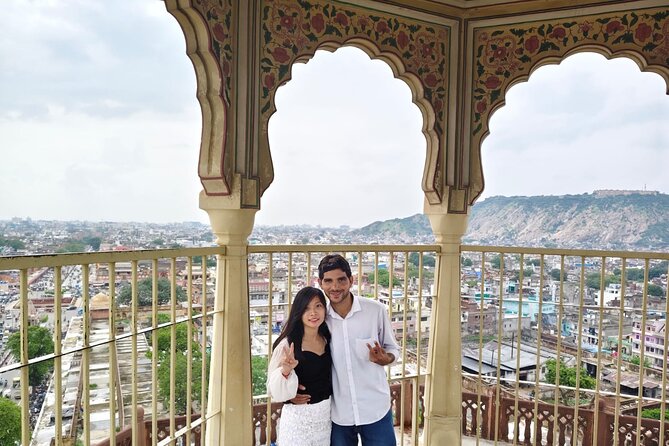
Jal Mahal is your photo stop at the Water Palace, sitting in Man Sagar Lake. Even if you’re not spending long here, it’s a strong visual payoff: the palace looks like it’s floating with hills behind it. The stop is free and short (about 20 minutes), which keeps the day efficient.
Two practical considerations:
First, this is mainly a photography stop, not a deep exploration. Second, water and light can affect how easy it is to get crisp pictures, so go with the flow rather than chasing perfection.
After that, you head to Amer Fort, the day’s heavy hitter. You’ll spend around 45 minutes, and this is where you’ll see grand courtyards, the mirror palace, and the hilltop views that make people stop talking for a second. Amer is free on this tour, which is a nice relief because you’re stacking several ticketed sites in a single day.
The timing works well if you like a structured day. Forts are usually slow on foot—stairs, crowds, and photo angles—so having a set amount of time helps you avoid getting stuck chasing one perfect corridor.
Panna Meena ka Kund: a stepwell photo stop with local storytelling potential
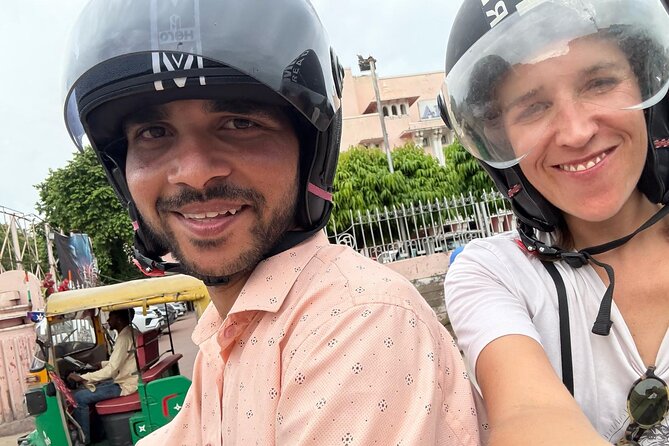
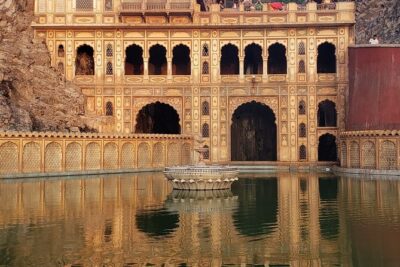
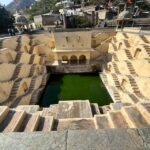
Next is Panna Meena ka Kund, a 16th-century stepwell. This is one of those places that can feel small on the map but special in person. You’re looking at a layered stone structure designed for water, light, and access—so even a short visit is visually rewarding.
The stop is only about 10 minutes, and it’s free. That means you won’t do a long wander, but it’s enough time to get a few strong photos and learn why locals built these spaces the way they did.
If you’re someone who loves architectural details, you’ll appreciate this stop more than you might expect. It’s a nice shift from fort walls and palace courtyards.
Jantar Mantar at the right pace: UNESCO instruments, not a history lecture
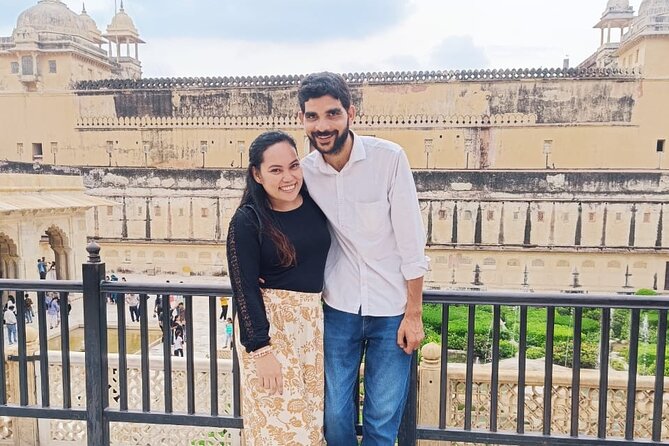
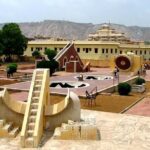
Jantar Mantar is UNESCO-listed, and the focus is the ancient astronomical instruments. You’ll have about 30 minutes here, with admission not included.
This is a good place to slow down slightly—because the instruments are designed to measure time and predict movements of the sky. Without even getting too technical, you’ll get a feel for how systematic the design is. If you’re the type who likes science mixed with travel, you’ll enjoy this stop more than you’d expect.
The tradeoff is simple: 30 minutes won’t turn you into an astronomer. It’s enough time to understand the big idea and capture a few photos, then move on while the rest of the city day keeps flowing.
Price and value: what $34 buys you in a full day
At $34 per person for a 7 to 8 hour day, the value is driven by what’s included—not just the places. You get hotel pickup, ride access on an electric motorbike, and a host who’s also acting like a storyteller and photographer-style guide. You also get a chai break at a typical street-side tea stall and local snacks or street food tasting.
On top of that, there are candid and pre planned photos built into the experience, which can be a bigger cost than it sounds if you’re paying for separate guide time plus someone to take photos.
What’s not included is also important for fairness in your budget. Admission isn’t included for several major stops such as Albert Hall Museum, Hawa Mahal, City Palace, and Jantar Mantar (while some other stops are free). So the true cost depends on which entrances you choose to use.
Still, compared with piecing together transport plus a traditional guide plus photo help, $34 looks like a solid deal—especially since the tour is private for your group and designed around solo female comfort.
What to expect logistically (and how to stay comfortable)
This is a private tour, meaning it’s just your group, not a shared scramble with strangers. You’ll also have a mobile ticket, and you should receive confirmation when you book.
The day runs during Jaipur hours (starting around 9:00 AM), and it’s offered Monday through Sunday. The schedule is tight, so your best strategy is to travel light and stay ready to move.
Comfort checklist for a motorbike day in Jaipur:
- Wear shoes you can walk in on uneven stone steps around forts and palaces.
- Bring a light layer; mornings can feel cooler and afternoons can heat up fast.
- If you’re sensitive to sun, plan for a hat or sunscreen because you’ll be outdoors most of the day.
- Accept that some stops are short. That’s how you cover Amer Fort, City Palace, and UNESCO sights in one day.
If you’re deciding whether a motorbike ride is right for you, your comfort matters more than pride. Sit back, hold on where your driver tells you, and trust the safe-driving focus that the tour is known for.
Should you book this Jaipur solo female motorbike tour?
Book it if you want a day that feels organized but still fun. You’ll like it if you’re traveling solo and prefer not to manage transport and timing by yourself. The combination of electric bike rides, a calm local host (Manthan), and photo support makes it a strong choice when you want Jaipur highlights without the usual headaches.
Skip it or think twice if you’re only interested in free sights and don’t want to pay admissions at multiple stops. Also consider whether you genuinely enjoy motorbike travel as a format. If the idea of sitting pillion for long stretches sounds stressful, you might prefer a walking-and-car tour instead.
If you’re game for a lively, structured day—plus chai, street food tasting, and photos that are actually planned—this is one of the more practical ways to see Jaipur in a single day.
FAQ
What time does the Jaipur motorbike tour start?
The tour starts at 9:00 AM.
How long is the tour?
It runs about 7 to 8 hours.
Is hotel pickup and drop-off included?
Yes. Pickup from your hotel in Jaipur and drop-off back at your hotel are included.
Is the tour private?
Yes. It’s private, and only your group participates.
Do I ride an electric motorbike?
Yes. The ride is on an eco-friendly electric motorbike with a trusted local artist & photographer host.
Is admission included for all the sights?
No. Some stops are free, while others (like Hawa Mahal, City Palace, and Jantar Mantar) list admission tickets as not included.
What’s included besides the ride?
Included items are ride with the local artist & photographer, personalized conversation and stories, chai at a street-side tea stall, local snacks or street food tasting, and candid plus pre planned photos.
What is the cancellation policy?
You can cancel for free up to 24 hours in advance for a full refund. If you cancel less than 24 hours before the start time, the amount you paid is not refunded.