REVIEW · GUIDED
Jaipur: Private Guided Spritual Tour In Jaipur
Book on Viator →Operated by Shadow Trips · Bookable on Viator
Jaipur has a way of making spirituality feel practical, not preachy. This private guided spiritual tour lines up classic sacred stops around the city, then adds context so the buildings make sense fast. I especially like the private live guide who can explain what you’re seeing, and the pacing that keeps you moving without feeling dragged.
What also works for me is the comfort and small perks: air-conditioned transport, pickup and drop-off anywhere in Jaipur (depending on your option), plus a free water bottle and umbrella. One thing to consider: most stops run about 30 minutes, so if you want long, slow contemplation or a deep reading of each site, you’ll need to customize the time with your guide.
In This Review
- Key Highlights You’ll Care About
- A 4–5 Hour Spiritual Route That Starts by Hawa Mahal
- Price, Value, and What You Should Budget for
- Stop 1: Jagat Shiromani Ji Temple and That Calm First Impression
- Stop 2: Panna Meena ka Kund, a 16th-Century Stepwell Worth Slowing Down For
- Jal Mahal Photo Stop: Quick Water-Front Beauty at the Man Sagar
- Hawa Mahal: 953 Jharokhas and the Royal Women’s Viewing Plan
- Birla Mandir Temple: White Marble Calm for Vishnu and Lakshmi
- Galta Ji to Govind Devji to Moti Dungari: Three Ways to Keep It Spiritual
- How the Private Guide Changes Everything (Including When You Adjust on the Fly)
- Practical Tips to Get the Most from Temple Time
- Who This Tour Fits Best
- Should You Book This Jaipur Spiritual Tour?
- FAQ
- How long is the Jaipur private guided spiritual tour?
- Where does the tour start and end?
- Is pickup and drop-off included?
- Are temple admission tickets included?
- What is included in the price?
- What costs are not included?
Key Highlights You’ll Care About
- Private guide, tailored conversation: You’re not stuck with a script; you can steer what you care about most.
- Short stops, smart rhythm: About 30 minutes per site keeps the day flowing and helps you see more than one “kind” of Jaipur spirituality.
- Free entry tickets listed for each stop: This helps the value feel real, not inflated by add-on fees.
- Iconic photo moments built in: Jal Mahal and Hawa Mahal get their own time blocks so you’re not trying to rush pictures at the end.
- Spiritual range across temples: Krishna, Vishnu-Lakshmi, Ganesha, and local devotional sites all show up in one route.
- Comfort included with transport: Parking, tolls, fuel, taxes, water, and an umbrella are part of the package.
A 4–5 Hour Spiritual Route That Starts by Hawa Mahal
This tour is designed for a half-day to full-day feeling without turning into an all-day marathon. Expect roughly 4 to 5 hours, and the itinerary is structured around a sequence of temple visits plus a couple of key sight/photo stops. It ends back where it starts, so you’re not hunting for a new pickup point.
The tour starts at Hawa Mahal Rd, Badi Choupad, J.D.A. Market, Kanwar Nagar, Jaipur. That’s a smart anchor location because it puts you near central sights early, when the light is usually better and you have fewer logistics to manage.
It’s also truly private, so your group is the only one in the car. That matters in India, where temple rules and timing can be flexible but confusing if you’re doing it alone.
You can also read our reviews of more guided tours in Jaipur

Price, Value, and What You Should Budget for
The base price is listed as $5.00 per person, which sounds shockingly low for private, air-conditioned transport plus a live guide. The catch is that some costs are separate: meals and gratuities are not included. Meals are listed at $20.00 per person, and tips are listed at $10.00 per person.
To judge value, look at what’s included. You get pickup/drop-off within Jaipur (depending on the option), transportation for the entire day, and parking charges, tolls, fuel, and taxes are included. On top of that, the itinerary lists admission tickets for each stop as free, so you’re not paying per temple to make the route work.
So the real question becomes: do you want a private guide for 4–5 hours with curated stops? If yes, this pricing can feel like a bargain. If you’re the type who only wants a couple of sights and doesn’t care about guidance or context, you may not use the value as efficiently.
Stop 1: Jagat Shiromani Ji Temple and That Calm First Impression
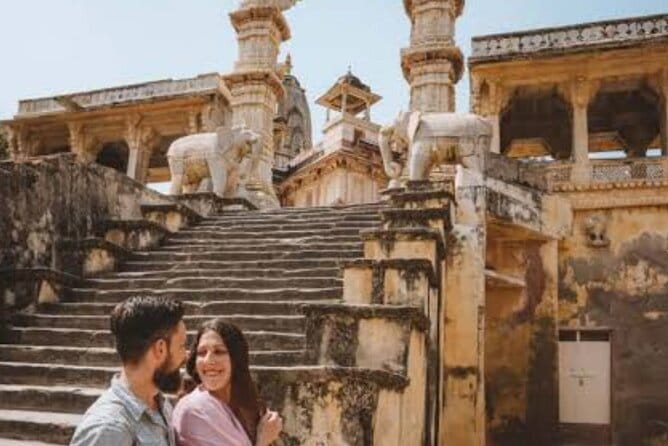
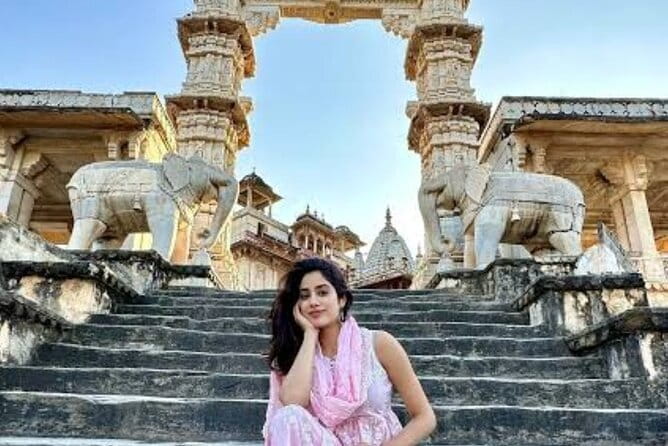
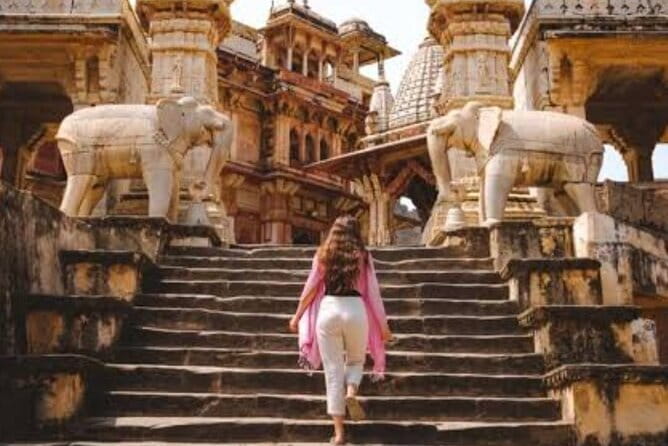
Your day opens at Jagat Shiromani Ji Temple, a temple dedicated to Lord Krishna. This first stop is useful because it sets the tone early, before the route becomes “sightseeing mode.” You’ll get time to look at the architectural details and feel the quieter atmosphere around the temple grounds.
Time here is about 30 minutes. That’s enough to take photos, notice carvings and layout, and understand the basic significance with your guide’s help. If you’re sensitive to noise, going early in the day often helps, and this tour starts near a central sight area.
A small consideration: because it’s a functioning religious site, you’ll want to keep your voice down and follow any instructions from temple staff. You’ll get the best experience when you treat this as a spiritual visit first, not a photo safari.
Stop 2: Panna Meena ka Kund, a 16th-Century Stepwell Worth Slowing Down For
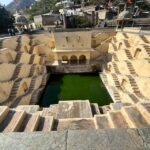
Next up is Panna Meena ka Kund, described as a storage place from the 16th century. Even if you’re not a history nerd, stepwells have a way of grabbing your attention because they mix engineering with daily life.
You’ll have about 30 minutes, which works well here. Stepwells invite looking from different angles: you can notice the structure, the way the stone works, and how water-related design shaped the space.
The drawback? If you’re expecting a “grand palace courtyard” vibe, this stop is more about form and function than scale. Still, it’s a nice texture shift from temples, and it often makes the rest of the day feel richer.
Jal Mahal Photo Stop: Quick Water-Front Beauty at the Man Sagar
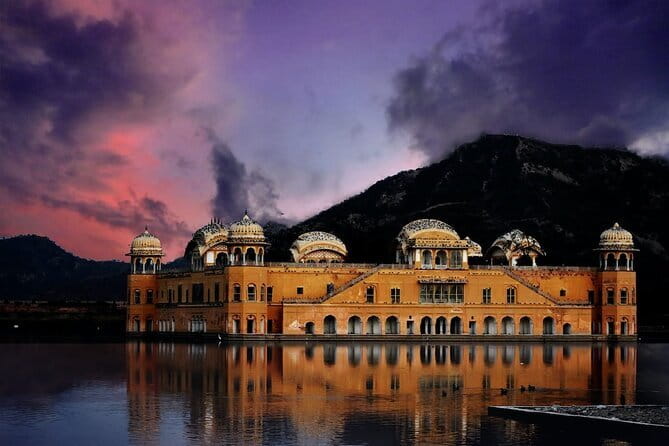
Then comes a scenic pause at Jal Mahal (Palace). The highlight is simple: it’s a picturesque palace in the middle of Man Sagar, so it’s a natural photo magnet even if you’re just doing a quick stop.
This is listed as a photo stop with about 30 minutes. That means you shouldn’t plan to do a long exploration here; instead, use the time for photos from the best viewpoints your guide can suggest and to catch a breath before the next crowds.
If you’re doing this in hot weather, this is also a good moment to use that umbrella and water. Even short outdoor breaks help your whole route feel less exhausting.
You can also read our reviews of more private tours in Jaipur






Hawa Mahal: 953 Jharokhas and the Royal Women’s Viewing Plan
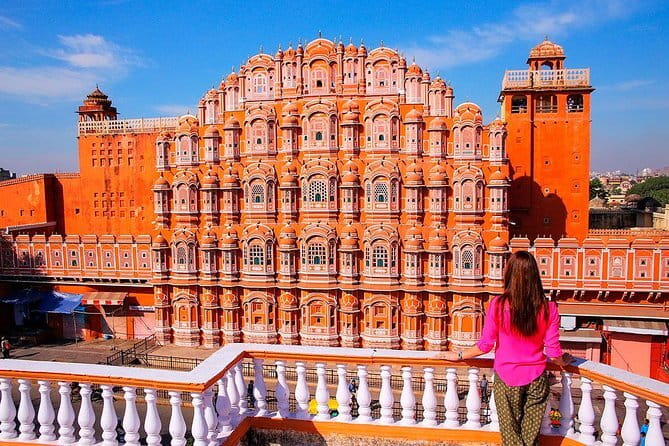
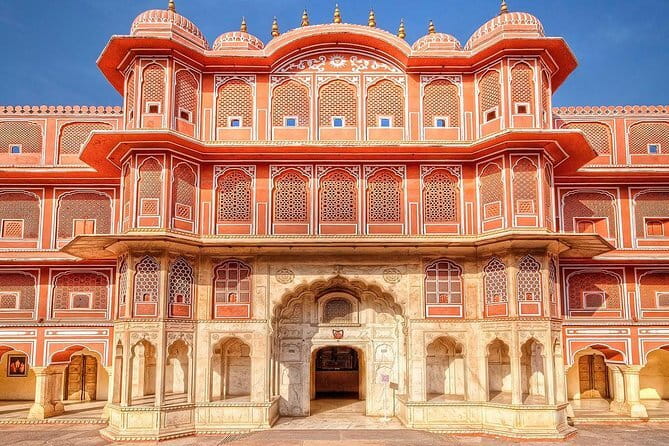
Now you hit Hawa Mahal (Palace of Breeze), one of Jaipur’s most recognizable icons. It’s a five-story facade famous for 953 small windows called jharokhas, designed so royal women could observe street life and events while staying unseen.
This stop gets about 30 minutes, which is enough to do the key things: orient yourself, appreciate the facade, and capture photos without losing the flow of the day. Your guide’s job here is practical—explaining why the windows matter and what the design was meant to do socially and culturally.
One caution: the building is iconic, but there can be crowds in the surrounding area. With a guide, you can usually time photos better and keep the experience smooth instead of stressful.
Birla Mandir Temple: White Marble Calm for Vishnu and Lakshmi
After Hawa Mahal, the route moves to Birla Mandir Temple (Lakshmi Narayan Temple). This one is dedicated to Lord Vishnu and Goddess Lakshmi, and it’s known for its white marble architecture.
You’ll get about 30 minutes here. That length works well because marble temples can feel visually intense—your brain needs a moment to slow down and take in details. With a guide, you’re also more likely to notice the symbolism instead of just admiring the “pretty” factor.
This stop is often a good fit if you want a devotional site with strong visual clarity. It’s also an easy switch from the more architectural exterior of Hawa Mahal into a calmer interior-focused spiritual moment.
Galta Ji to Govind Devji to Moti Dungari: Three Ways to Keep It Spiritual
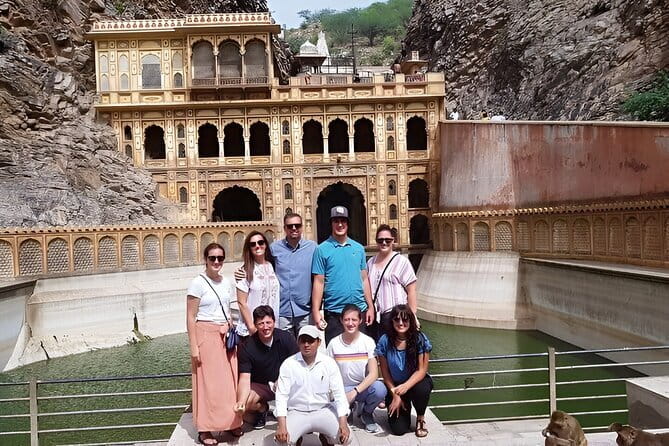
The second half of the tour leans into devotion with a sequence of Krishna and Ganesha-related temples.
First is Galta Ji (Temple), described as a spiritual place. Then you go to Govind Dev Ji Temple, also dedicated to Lord Krishna. This temple is noted as being very important to locals and devotees who come to seek blessings, and that local devotion is exactly what makes this kind of stop feel alive instead of staged.
Finally, you visit Moti Dungari Temple, dedicated to Lord Ganesha. This is a nice way to round out the spiritual spread: Krishna devotion, then Ganesha devotion, with Galta Ji and Govind Devji acting as the middle anchors.
Each of these stops runs about 30 minutes. That’s enough time to enter, look around respectfully, and learn what each place means to people who visit regularly. The possible drawback is energy: if you’re a slow walker or you like to linger, you may feel slightly rushed. The good news is the tour is described as customizable based on your interests and time, so you can ask to adjust where you slow down.
How the Private Guide Changes Everything (Including When You Adjust on the Fly)
The biggest value here is the live guide. A private guide doesn’t just point and name things; they connect the visuals to meaning. In the feedback, a guide named Indra gets called out for showing people everything they wanted to see and for explaining Hinduism and Indian culture in a way that felt helpful. That kind of guidance can turn a list of temples into a storyline you actually understand.
You can also expect flexibility. The idea isn’t a rigid factory tour. If you have a special curiosity—why a temple design looks a certain way, what a deity represents, or what local worship looks like—your guide can steer you toward the parts that match your questions.
There’s also an attitude element. People praised the fact that the day didn’t feel rushed. That’s not a small thing. When your visit pace is controlled by you and your guide, you spend less mental energy on timing and more on noticing.
Practical Tips to Get the Most from Temple Time
Even with a guided route, a few basics can make your experience smoother.
- Dress for temple respect: You’ll want modest clothing since you’re visiting multiple religious sites.
- Plan your photos earlier: Start with your best shots at the beginning of each stop, then shift to observation. That keeps you from trying to photograph while you should be listening.
- Use the provided water and umbrella: This tour includes both, and Jaipur weather can be serious—sun and heat change how you feel at every site.
- Ask your guide for the “what to notice” moment: For example, with Hawa Mahal, you’ll get more from understanding the jharokhas than from taking photos of it without context.
- Keep shoes and socks in mind: Temple visits often mean short walks, stairs, or entry areas where foot coverings matter.
If you’re sensitive to crowds, the private format helps. It still doesn’t remove all local foot traffic, but it helps you move with less friction.
Who This Tour Fits Best
This is a strong match if you want a spiritual-focused Jaipur day without figuring out logistics. It’s especially good for people who:
- like having a guide explain religious significance and cultural heritage
- want a manageable number of stops (with about 30 minutes at each)
- appreciate classic Jaipur landmarks mixed with devotion-based visits
It’s less ideal if you want a museum-style schedule with long indoor stays, or if you want free time to wander without any structure. Temple-heavy days can also feel intense if you’re not in the mood for that kind of calm and focus.
Should You Book This Jaipur Spiritual Tour?
Yes, you should book it if you want a guided day that mixes famous Jaipur imagery with actual devotional sites, and you care about understanding what you’re seeing. The value looks strong because free entry tickets are listed, transportation costs are covered, and you get a live guide for the whole run.
Hold off or customize if you’re the type who wants long stays at fewer places, or if you’re on a tight budget where meals and tips would feel like a stretch. The base price is low, but the overall day cost isn’t zero.
If you book, go in with two questions ready for your guide: what matters most at each temple, and what should you notice first at the big landmarks like Hawa Mahal and Jal Mahal. With that, this tour becomes more than a route—it becomes a clearer way to read Jaipur through faith and architecture.
FAQ
How long is the Jaipur private guided spiritual tour?
It runs for about 4 to 5 hours.
Where does the tour start and end?
It starts at Hawa Mahal Rd, Badi Choupad, J.D.A. Market, Kanwar Nagar, Jaipur, and ends back at the meeting point.
Is pickup and drop-off included?
Pickup and drop-off are included, and they’re offered anywhere within Jaipur depending on the option you select.
Are temple admission tickets included?
Admission tickets are listed as free for the stops on this suggested itinerary.
What is included in the price?
You get private air-conditioned sightseeing with a personalized live guide, plus free water bottle and umbrella. Parking charges, tolls, fuel, and taxes are also included.
What costs are not included?
Meals and gratuities are not included. Meals are listed as $20.00 per person, and tips are listed as $10.00 per person.