REVIEW · CITY TOURS
Culture and Heritage Walk | Pink City Jaipur
Book on Viator →Operated by Nomadic Tours India · Bookable on Viator
Pink City slows down on foot. This culture and heritage walk uses short stops in classic Jaipur markets, with architecture, local crafts, and snack-worthy traditions along the way. It runs about 3 hours, starts at Golcha Cinema in the Pink City, and stays small (up to 10 people).
I like two things a lot: the market-first route that helps you see how Jaipur makes and sells its identity, and the way your guide connects what you’re looking at to daily life and legend. One possible drawback: you’ll be walking and stopping in busy lanes, so comfortable shoes matter, especially if you’re not a fan of crowds.
Key highlights at a glance
- Female-led guidance with story-driven explanations and a friendly, interactive pace
- Classic bazaars: Bapu Bazar, Tripolia Bazar, and Johri Bazaar
- Food and sweets focus tied to longtime shops and street-side snacking (50+ years is part of the pitch)
- Hawa Mahal photo stop only (outside viewing, quick pictures)
- Small group size (max 10) so you can ask questions and keep moving without feeling rushed
- Weather-dependent: it requires good weather for the experience to run
In This Review
- Finding the Walk: Golcha Cinema in the Pink City
- What to Expect in 3 Hours: Short Stops, Real Street Life
- Hawa Mahal From the Outside: A 5-Minute Photo Stop With Context
- Bapu Bazar: Jaipur Products and Village-Made Goods
- Tripolia Bazar: Antiques, Tools, Locks, and Worship Metal
- Johri Bazaar and Jaipur Jewelry: Where the Economy Started
- Food Stops, Sweets, and Tea Break Moments on Hidden Lanes
- The Value of a Small Group With a Female Guide
- Who Should Book This Walk (and Who Might Want a Different Plan)
- Price and Value: $20 for a Street-Smart Jaipur Starter
- Should You Book the Pink City Culture and Heritage Walk?
- FAQ
- How long is the Culture and Heritage Walk in Pink City Jaipur?
- What does the tour cost?
- Where does the tour start?
- Where does the tour end?
- Is there a mobile ticket?
- How large is the group?
- Is the guide female?
- Do you go inside Hawa Mahal?
- Is the tour dependent on weather?
- What is the cancellation policy?
Finding the Walk: Golcha Cinema in the Pink City
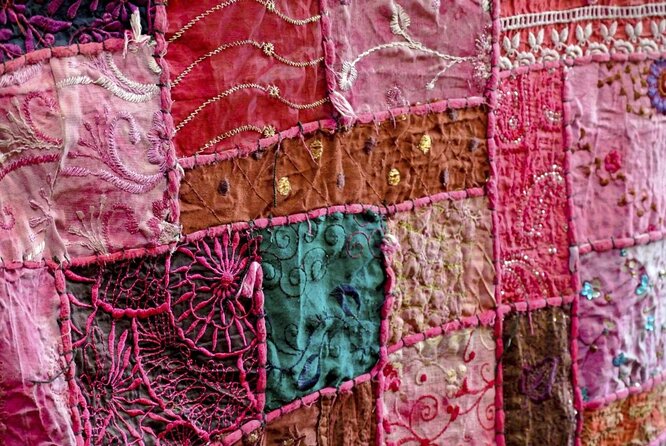
Your tour starts at Golcha Cinema on Chaura Rasta Road, near New Gate, in the Pink City. The meeting spot is easy to locate if you’re already walking around Bapu Bazar and the old lanes, and it’s listed as near public transportation. The route loops back to the same meeting point when you’re done.
This matters because Jaipur’s old center can feel like a maze if you’re on your own. Having one clear anchor (Golcha Cinema) keeps the evening or first-day wander stress low.
You’ll also receive a mobile ticket, which is the simplest setup: show it when you meet up and you’re off.
What to Expect in 3 Hours: Short Stops, Real Street Life
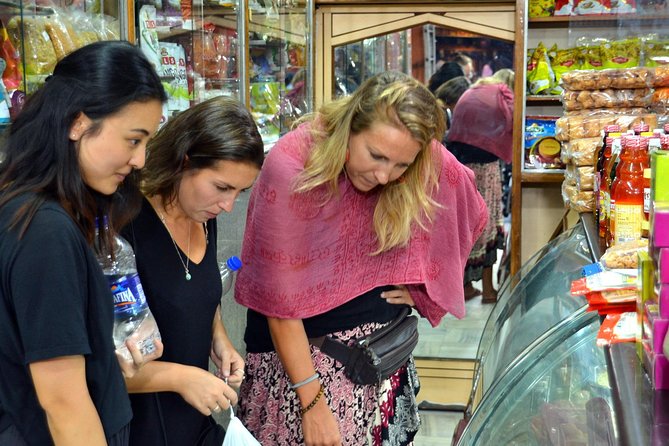
The whole walk is about three hours of moving at a gentle pace, with “quick but meaningful” stops. You’re not doing long museum-style viewing here. Instead, you’re hopping between markets and specific streets where products, crafts, and food traditions are part of how the city works.
This tour is built for people who like the street level version of travel:
- you get the context for buildings and monuments, not just a photo
- you see what locals buy and use day to day
- you get a guided filter for what to notice (and what’s worth looking at)
Group size is capped at 10 travelers, so you won’t feel swallowed by the crowd in the same way you sometimes do on larger city walks. You also get a better chance to ask small questions as you go, which is where tours like this tend to pay off.
You can also read our reviews of more walking tours in Jaipur



Hawa Mahal From the Outside: A 5-Minute Photo Stop With Context
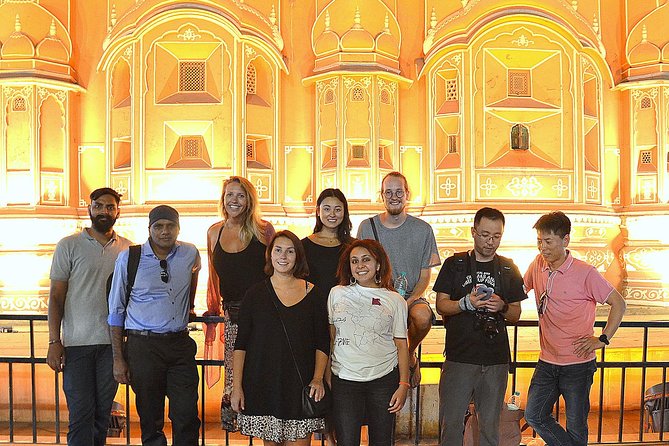
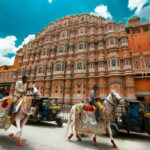
You’ll see Hawa Mahal—Palace of Wind—from the outside. The stop is brief (about 5 minutes), and the plan is straightforward: a short history note, time for photos, and then onward.
Why this is a smart setup: Hawa Mahal can be overwhelming if you show up without context. Even a quick orientation helps you understand why the facade matters, and it keeps the walk from turning into a stand-still sightseeing moment. You still get your classic Pink City photo, just without losing most of your afternoon to one spot.
Tip: keep your camera ready, but don’t freeze in place. This stop is designed as a snapshot moment, then the tour continues into the markets behind it.
Bapu Bazar: Jaipur Products and Village-Made Goods
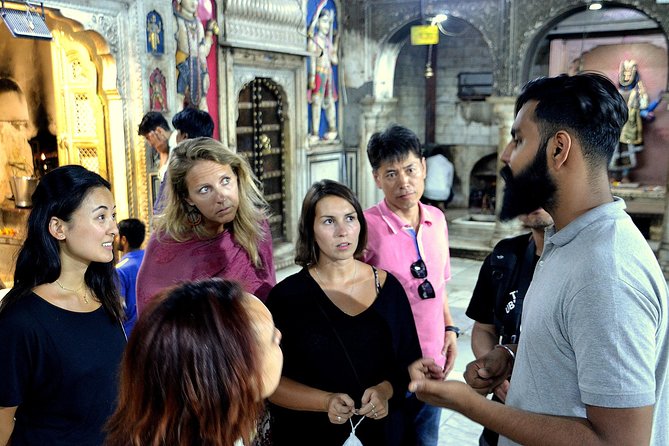
Next up is Bapu Bazar, a market stop planned for about 15 minutes. This is where the tour shifts from landmark viewing into the city’s everyday economy.
The focus here is on:
- products and art famous from Jaipur
- items that also come from nearby villages
This matters because Jaipur isn’t only about monuments. The city has always been about craft, trade, and distribution—so once you see what gets sold in Bapu Bazar, the rest of your Jaipur day starts to make more sense.
Even if you’re not shopping, this is a great stop for learning how to read a market. Notice how goods are displayed, what categories repeat, and what kinds of sellers are visible on the street.
Tripolia Bazar: Antiques, Tools, Locks, and Worship Metal
You’ll then move to Tripolia Bazar, also about 15 minutes. This stop is known for antiques, utensils, locks, and metal products used for worship.
That sounds very specific, and that’s the point. Tripolia Bazar isn’t trying to be a generic “souvenir market.” It’s showing you a practical side of Jaipur traditions—how tools and objects connect to ritual life, not just decoration.
If you’re the kind of traveler who enjoys seeing the “how things are made” or “how things are used” angle, this is one of the more interesting transitions on the route. You’ll likely look at metalwork with different eyes by the time you finish.
Johri Bazaar and Jaipur Jewelry: Where the Economy Started
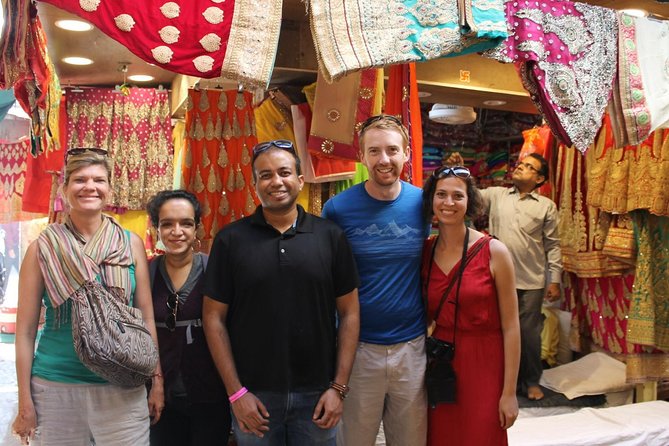
Then comes Johri Bazaar, another 15-minute market stop. Jewelry is described as one of Jaipur’s main and oldest sources of income, starting around 150 years ago. So while it’s still a market experience, it’s also a history lesson in a street form.
This stop works for you if you enjoy:
- crafts that have a long local lineage
- understanding why a city developed a certain trade focus
Even if you don’t plan to buy jewelry, it helps to know what you’re seeing. When you understand that this wasn’t just a “recent trend” market, the whole neighborhood reads differently.
You can also read our reviews of more city tours in Jaipur






Food Stops, Sweets, and Tea Break Moments on Hidden Lanes
One of the strongest parts of this walking tour is how it’s designed around tasting and snacking. The experience highlights food stalls running since 50+ years, plus legendary sweets and snacks from well-known old-city shops. You’ll be guided through small streets and local spots that are hard to find on your own.
In the same spirit, you may also get small rhythm breaks like tea drinking in places you might not stumble across. Reviews also mention street food and a rooftop view at some point, which fits the way this route balances market focus with small “pause and look” moments.
What I like about this food-and-street approach is that it turns Jaipur into something you can sense, not just see. You learn what locals reach for, what’s sweet, what’s practical, and what people line up for when they want a break.
Practical note: the walk is short per stop, so if you’re the type who needs time to fully eat a meal, plan for snacks rather than a full dinner. Build a real meal plan after the tour ends.
The Value of a Small Group With a Female Guide
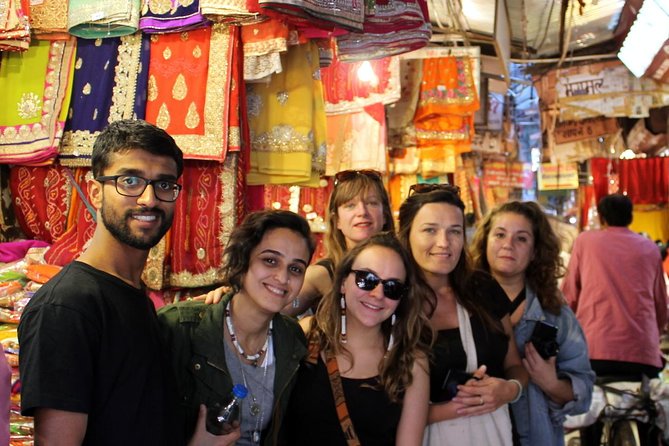
The tour is led by a female guide, and the personality of the guide is a big part of why the experience works. In past groups, guides have been named Harshit, Deepak, and Ayush/Aayush, and the common thread is clear: they explain details that you’d normally skip, and they show spots that feel off the main tourist path.
That “local love” shows up in practical ways:
- you get context while you’re standing in the street, not after the fact
- you’re steered toward what to notice in bazaars
- the walk feels like a conversation, not a lecture
If you’ve ever taken a city tour where the guide talks over you while you stare at buildings, this won’t feel like that. The format is designed for movement and quick questions.
Who Should Book This Walk (and Who Might Want a Different Plan)
This tour is a good fit if you:
- are visiting Jaipur for the first time and want a street-level orientation
- enjoy markets, crafts, and food traditions
- like history tied to daily life (temples, objects used for worship, and how trade shapes neighborhoods)
- want something more personal than a big bus tour
It may be less ideal if you:
- want long indoor monument time or museum-style depth
- hate crowds and narrow lanes
- have very limited walking tolerance (this is still a walking tour with multiple market stops)
Also remember: it requires good weather to run smoothly, so keep an eye on conditions.
Price and Value: $20 for a Street-Smart Jaipur Starter
At $20 per person, this is priced like a “do it on day one” kind of experience. You’re paying for guidance through multiple market areas plus the time saved by not having to figure out what’s meaningful in each place.
For value, it helps to compare what you actually get:
- multiple distinct bazaars (not just one)
- a landmark photo stop (Hawa Mahal from outside)
- a guided focus on crafts, architecture context, and snack culture
- a group capped at 10 people
You also get something that’s hard to measure: a sharper sense of Jaipur. After a tour like this, you can walk the Pink City on your own later and recognize what you saw and why it matters.
If you’re budgeting, plan for small tasting purchases or snack spending, since the tour experience is built around sweets and street food culture.
Should You Book the Pink City Culture and Heritage Walk?
I think it’s a strong choice if you want Jaipur to feel like a living city, not a checklist. The mix of markets + short architecture context + street-side food focus is exactly what helps most first-timers connect quickly.
Book it if:
- you want a guided route through the old center
- you enjoy crafts and trade stories
- you’re okay with moving on foot for about three hours
Skip it if:
- you’re only interested in long, inside monument visits
- you dislike walking through busy lanes
- weather might be unstable and you can’t be flexible
If you’re staying in Jaipur for more than a day, this walk also works well as the opening act. It sets you up to explore more confidently afterward.
FAQ
How long is the Culture and Heritage Walk in Pink City Jaipur?
The tour lasts about 3 hours (approx.).
What does the tour cost?
It costs $20.00 per person.
Where does the tour start?
The meeting point is Golcha Cinema on Chaura Rasta Rd, New Gate, Bapu Bazar, Pink City, Jaipur, Rajasthan 302003, India.
Where does the tour end?
The activity ends back at the starting meeting point.
Is there a mobile ticket?
Yes, the tour includes a mobile ticket.
How large is the group?
The tour has a maximum of 10 travelers.
Is the guide female?
The tour is led by a female guide.
Do you go inside Hawa Mahal?
You only see Hawa Mahal from the outside and stop for pictures.
Is the tour dependent on weather?
Yes. The experience requires good weather, and if it’s canceled due to poor weather you’ll be offered a different date or a full refund.
What is the cancellation policy?
Free cancellation is available up to 24 hours in advance for a full refund. If you cancel less than 24 hours before the start time, the amount paid is not refunded.