REVIEW · 6-DAY EXPERIENCES
Private 6-Day Golden Triangle Tour: Delhi, Agra, Jaipur by Car
Book on Viator →Operated by Namaste India Vacations · Bookable on Viator
Want Delhi-Agra-Jaipur without the cattle-car feeling? This 6-day Golden Triangle tour by car is built around daily pickup, in-city guidance, and the freedom to move at your pace.
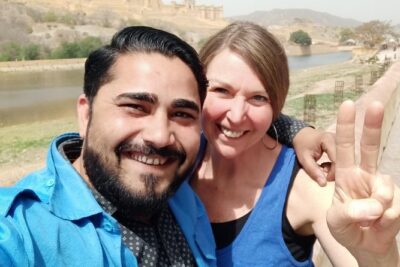
I like that you get air-conditioned transport every day, plus a professional guide in Delhi, Agra, and Jaipur. I also appreciate the people factor: the driver (Ajay, in one standout example) has been praised for safe, courteous driving even in busy traffic, and the guide Mohammed has been noted for strong history explanations and great photo timing in Agra.
One heads-up: monument entry tickets and your meals (breakfast, lunch, dinner) are not included, and accommodation is on you. If you want a truly all-in-one trip, you’ll need to budget a bit extra.
In This Review
- Quick hits before you go
- Private pickup changes how the Golden Triangle feels
- Day-by-day: Delhi’s Old Delhi sights plus New Delhi icons
- Old Delhi basics: forts, mosques, and a rickshaw ride
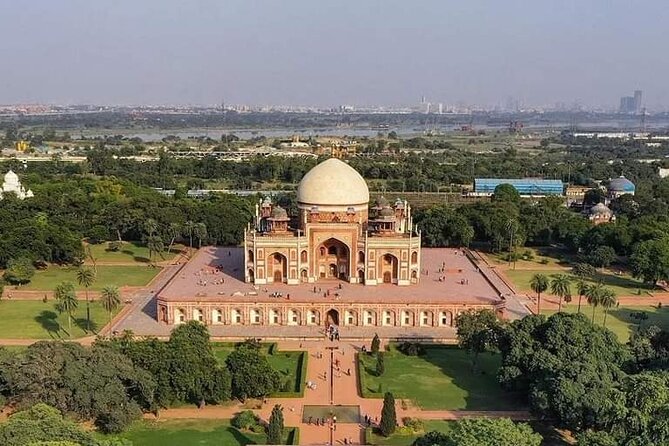
- Humayun’s Tomb and the Mughal “training wheels” for Delhi
- India Gate and Akshardham for a change of pace
- Delhi tip that saves time
- Agra by car: Taj Mahal, Fort views, Baby Taj, and Mehtab Bagh
- Taj Mahal: the main event, with room to enjoy
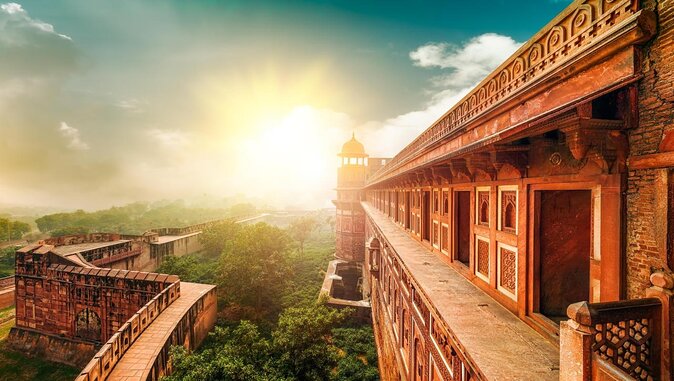
- Agra Fort: power, stone, and better context
- Itmad-ud-Daula (Baby Taj): the “smaller” stop that hits hard
- Mehtab Bagh: the opposite-bank garden viewpoint
- Marble Art Palace: a break into crafts
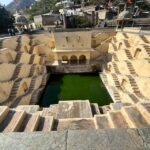
- Abhaneri’s Chand Baori: the stepwell stop most people skip
- Jaipur’s Amber Fort rides, City Palace, Hawa Mahal, and Jantar Mantar
- Amber Fort: hilltop views and a ride up
- City Palace: where the city’s story feels organized
- Hawa Mahal: the Palace of Breeze
- Jantar Mantar: astronomy in stone
- Jaipur Gems & Jewellery: short, optional-feeling time
- The wrap-up: early transfer back to Delhi and airport drop
- Price and value: what $215 covers (and what you must plan for)
- Who this Golden Triangle tour suits best
- Should you book this private car tour?
- FAQ
- FAQ
- What’s included in the tour price?
- Is accommodation included?
- Are meals included?
- Are monument entry tickets included?
- How long is the drive from Delhi to Agra?
- Is the tour private or shared?
Quick hits before you go
- Daily hotel pickup in an air-conditioned vehicle keeps the route calmer, especially in heat and traffic.
- A guide with you each day means you get context at the monuments instead of just photo stops.
- Private group flexibility helps you slow down for what you care about and skip what you don’t.
- Agra gets the full lineup: Taj Mahal, Agra Fort, Itmad-ud-Daula (Baby Taj), and Mehtab Bagh.
- Abhaneri’s Chand Baori adds an uncommon stop beyond the typical Golden Triangle.
- Jaipur mixes big sights with options like elephant or jeep access up Amber Fort and time for City Palace, Hawa Mahal, and Jantar Mantar.
Private pickup changes how the Golden Triangle feels
The Golden Triangle (Delhi, Agra, Jaipur) is famous for being time-tight. This version fights that problem with a simple idea: start each day with hotel pickup in an air-conditioned vehicle, then go site to site with your own guide.
That daily routine matters. It means you’re not wasting half your morning figuring out transport, and you’re less dependent on fixed group schedules. You can also better manage energy levels. Some days in this route are monument-heavy, so having a car waiting and a guide who can pace you makes the difference between enjoying the sights and just surviving the day.
This is also a private tour for your group only, which usually changes the tone. You can ask questions, adjust your timing, and spend more or less time where you’re interested. You won’t have the feeling of being rushed to keep up with strangers.
A couple of small but useful extras: you get a water bottle, and the tour includes all fees and taxes (but not paid entry tickets for monuments—more on that later). You’ll also get mobile ticket access, plus confirmation at booking.
You can also read our reviews of more private tours in Jaipur


Day-by-day: Delhi’s Old Delhi sights plus New Delhi icons
Delhi is really two cities in one: Old Delhi with its lanes and markets, and New Delhi with its planned boulevards and government-era landmarks. The tour’s plan takes you through both, so you don’t miss the main contrasts.
Old Delhi basics: forts, mosques, and a rickshaw ride
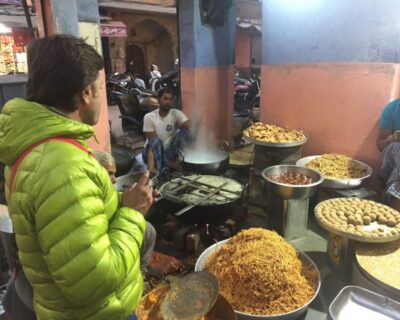
One of the day’s big draws is the mix of major landmarks in Delhi like the Red Fort area and Jama Masjid, plus a rickshaw ride through Old Delhi. That rickshaw segment is where Delhi stops being just buildings and starts being a lived-in place—street noise, movement, and people all around you.
The big practical note: the Red Fort time on the schedule is about 1 hour, but admission is not included. So if you’re hoping to spend maximum time inside, check the entry ticket plan you’re given and arrive ready.
Also, since Old Delhi is active and crowded, dress for walking and keep water handy. Even with a guide and vehicle, you’ll still be moving.
Humayun’s Tomb and the Mughal “training wheels” for Delhi
You’ll also visit Humayun’s Tomb, a UNESCO World Heritage site and one of the finest examples of Mughal architecture. The tone here is quieter than Old Delhi. Expect more time to look closely at symmetry and design—useful if you’re about to see more Mughal power in Agra.
Entry ticket is not included here either, so again: plan for paid monument access.
India Gate and Akshardham for a change of pace
Later, the tour includes India Gate (free admission) and then Swaminarayan Akshardham. Akshardham is described as one of the largest and most spectacular temple complexes in the world, with a full 1.5-hour slot on the schedule.
This section gives you a break from forts and mausoleums. If you like mixing eras—Mughal monuments, British-era memorial architecture, and modern temple complexes—this is a good mix. If you’d rather stick strictly to Mughal-era sites, you might treat Akshardham as optional time depending on your interests.
You can also read our reviews of more tours and experiences in Jaipur


Delhi tip that saves time
Since the tour packs a lot into one city day, I’d focus on one “deep” stop and treat the others as anchor points. In Delhi, that usually means Red Fort or Humayun’s Tomb as your main. The rest you enjoy for atmosphere and landmarks.
Agra by car: Taj Mahal, Fort views, Baby Taj, and Mehtab Bagh
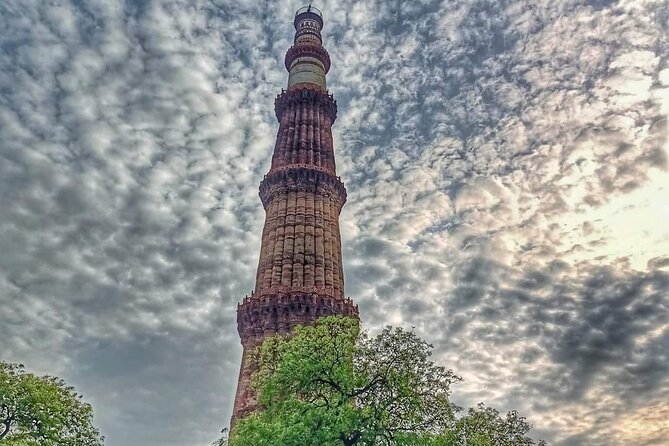
The ride from Delhi to Agra is about 4 hours by road. Having that time blocked off in a car is helpful. You’re not negotiating multiple legs, and you arrive with less hassle.
Agra is where your Golden Triangle payback shows up. The plan hits the key sights: Taj Mahal, Agra Fort, Itmad-ud-Daula (Baby Taj), and Mehtab Bagh on the opposite side of the Yamuna River.
Taj Mahal: the main event, with room to enjoy
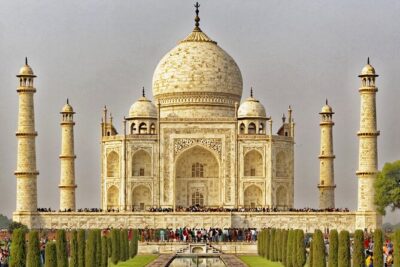
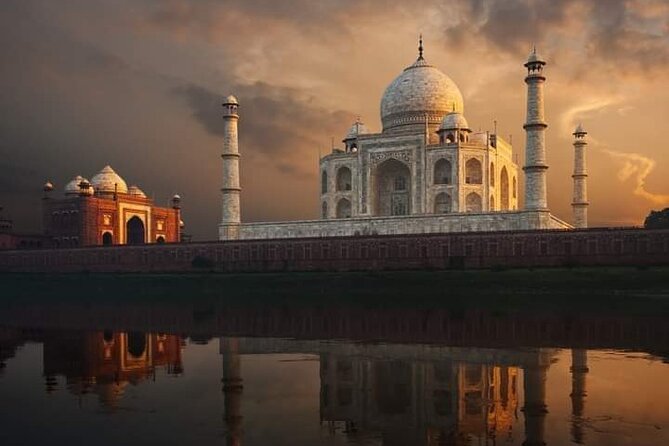
The Taj Mahal gets a generous 2.5 hours. Admission for the Taj Mahal is not included, so build in ticket timing. This is the place where you want to slow down a touch. Don’t just photograph and run.
If you’re sensitive to crowds, ask your guide about practical timing and photo positioning during your visit. The guide Mohammed has been specifically praised for knowing how to help guests take great pictures here—exactly the kind of small skill that turns a visit from rushed to satisfying.
Agra Fort: power, stone, and better context
Agra Fort is on the schedule for about 1.5 hours, and it’s also ticketed (not included). The value of Agra Fort is context. Seeing it alongside the Taj makes you understand how this city functioned as a seat of power, not just a monument backdrop.
Itmad-ud-Daula (Baby Taj): the “smaller” stop that hits hard
The tour includes Itmad-ud-Daula, nicknamed Baby Taj, for about an hour. Admission is not included.
This stop often feels more intimate than the Taj. If you enjoy architecture details, this one can be a nice pivot: less pressure to get the perfect postcard photo, more chance to study patterns and craftsmanship.
Mehtab Bagh: the opposite-bank garden viewpoint
Next is Mehtab Bagh (Moonlight Garden), about 1 hour. It’s described as a serene Mughal garden complex on the northern side of the Yamuna River, across from the Taj Mahal.
This stop works because it changes your angle. Even if you’ve seen the Taj up close, viewing it from the garden side can feel different—more like a landscaped composition than a single towering structure.
Marble Art Palace: a break into crafts
The tour also includes Marble Art Palace for about 30 minutes, framing Agra as a center of handicrafts, including Zardozi embroidery and metallic thread work.
Two thoughts: one, this is a good way to learn what’s happening beyond monuments. Two, if you don’t want any shopping pressure, go in with a clear plan: you can look, you can ask questions, and you can leave if you’re not buying. The schedule is short, so it doesn’t have to swallow your day.
Abhaneri’s Chand Baori: the stepwell stop most people skip
This tour adds a detour to Abhaneri village and the famous Chand Baori stepwell. It’s scheduled as a stop on your way to Jaipur, around a 2-hour drive from Agra.
What makes this worth it is simple: it’s not a “Golden Triangle clone” stop. Instead of yet another palace or tomb, you get a piece of ancient architecture that feels engineered for function and beauty.
Chand Baori is known for its intricate geometry and towering steps. With the time you’re given (the stop is listed as a full day segment), you’ll have the chance to walk around and explore the village area as well, not just rush to the well and back.
Practical consideration: stepwells mean stairs. Wear shoes with grip. Also, if you’re visiting in midday heat, plan for shade breaks. Your guide can help you time the walking and avoid unnecessary sun.
Jaipur’s Amber Fort rides, City Palace, Hawa Mahal, and Jantar Mantar
Jaipur is called the Pink City, and the tour leans into the classic lineup: Amber Fort, City Palace, Hawa Mahal, and Jantar Mantar—plus time for Jaipur Gems & Jewellery.
Amber Fort: hilltop views and a ride up
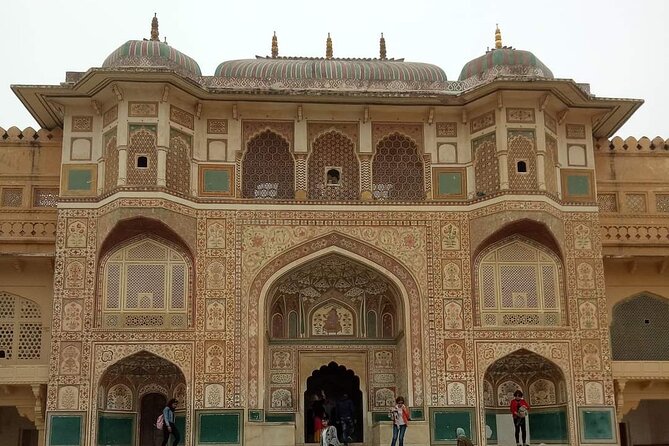
Amber Fort (also called Amer Fort) is scheduled for about 1.5 hours, and entry tickets are not included.
A key detail: you can enjoy an elephant or jeep ride up the fort’s ramparts. That choice matters. Elephants are a strong cultural experience, while jeeps may be more comfortable depending on heat and your preference. Either way, the ride saves energy compared with walking uphill.
From Amber Fort, the fort sits overlooking Maota Lake, so your photo angles and views are part of the experience—not just a bonus.
City Palace: where the city’s story feels organized
Next up is the City Palace complex in the heart of Jaipur, about 1.5 hours, with ticketed entry (not included). This is the kind of stop that rewards patience. The palace is where you can make sense of how the Maharaja’s seat connected to the city’s layout.
If you want one “anchor” monument in Jaipur besides Amber Fort, this is a strong candidate.
Hawa Mahal: the Palace of Breeze
Hawa Mahal is on the schedule for about 45 minutes. Admission is not included.
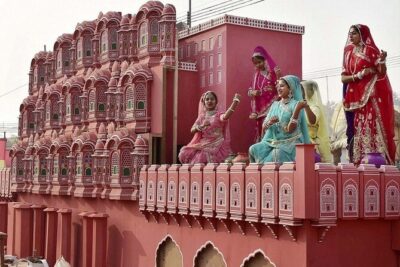
The value of Hawa Mahal is visual. Those facade windows and the idea of airflow through the design are what make it memorable. Plan to spend time looking at the exterior details, even if you don’t go deep on interior areas.
Jantar Mantar: astronomy in stone
Jantar Mantar gets about an hour. It’s an astronomical observatory built in the early 18th century by Maharaja Sawai Jai Singh II.
This stop is a nice break from forts and royal buildings. It’s also a good reminder that Rajasthan wasn’t only about architecture and conquest—it was also about science, measurement, and observation.
Jaipur Gems & Jewellery: short, optional-feeling time
The tour includes Jaipur Gems & Jewellery (about 30 minutes). Since it’s a market area where buying and selling gemstones happens, treat this time as either a quick cultural glance or a shopping session, depending on your interest.
If you’re not into purchases, you can still use the guide time to understand what you’re looking at and what the market does.
The wrap-up: early transfer back to Delhi and airport drop
On the last morning, you’ll get a transfer back to Delhi, then to the international airport for your departure. Since it’s early, build in buffer time for packing, quick breakfast on your own, and getting everyone out the door.
This final structure is practical. You avoid the stress of trying to arrange your own last-day transport across cities.
Price and value: what $215 covers (and what you must plan for)
For $215, you’re paying for a guided, car-based Golden Triangle that runs about 6 days. Here’s where the value comes from.
Included:
- Professional tour guide in Delhi, Agra, and Jaipur
- Air-conditioned vehicle
- Private car for hotel pickup and drop-off
- All fees and taxes
- Water bottle
Not included:
- Accommodation
- Food (lunch, breakfast, dinner)
- Paid entry tickets for monuments
So the “real” cost depends on your hotel choice and what you spend on entry tickets. But the included parts are the expensive headaches: consistent transport and daily guidance. When you add up what it would cost to arrange a car and a guide separately (especially with multi-city pickups), this package can pencil out well—particularly for small groups who don’t want to deal with public transport or tight bus schedules.
Where it’s especially good value:
- You want flexibility inside a structured route.
- You prefer a private group rather than a larger tour bus.
- You care about getting explanations at Red Fort, Humayun’s Tomb, Taj Mahal, and the rest—where a guide can help you notice what you’d otherwise miss.
Who this Golden Triangle tour suits best
This is a smart fit for:
- First-time visitors to India who want the Golden Triangle done without transport stress.
- Travelers who enjoy monuments but also want interpretation and context.
- Small groups and families who would rather adjust timing than follow a rigid schedule.
It may not be ideal if:
- You’re trying to keep everything ultra-budget with minimal planning.
- You strongly dislike market stops like the gems area (it’s short, but it’s included).
- You expect accommodation and all meals to be handled for you (they aren’t).
Should you book this private car tour?
If your priority is comfortable, guided sightseeing across Delhi, Agra, Jaipur, and a detour to Chand Baori, I’d say it’s worth booking. The biggest wins are practical: daily hotel pickup in an air-conditioned car, a guide each day, and a route that includes both headline monuments and one uncommon architectural stop.
Before you book, do two quick things:
- Budget for monument entry tickets and your meals since they’re not included.
- Pick your hotel plan in each city with your daily schedule in mind, because accommodation is fully up to you.
If you do that, you’ll get what this tour is clearly designed to deliver: an easier, more human Golden Triangle that doesn’t feel like you’re sprinting through history.
FAQ
FAQ
What’s included in the tour price?
The tour includes professional tour guides in Delhi, Agra, and Jaipur, an air-conditioned vehicle, a private car for sightseeing plus hotel pickup and drop-off, all fees and taxes, and water bottles.
Is accommodation included?
No. Accommodation is not included, so you’ll choose and book your own hotels in Delhi, Agra, and Jaipur.
Are meals included?
No. Lunch, breakfast, and dinner are not included, so you’ll need to plan your own meals each day.
Are monument entry tickets included?
Paid entry tickets for monuments are not included. The itinerary lists some sites as free and others as not included, so plan for those that require tickets.
How long is the drive from Delhi to Agra?
The drive from Delhi to Agra is approximately a 4-hour journey by car.
Is the tour private or shared?
This is a private tour/activity. Only your group participates.