REVIEW · FOOD & DRINK
Feast on the Streets: Best Jaipur Food Tour
Book on Viator →Operated by Tour For Taste · Bookable on Viator
One street bite can change your whole trip. This Jaipur food tour is built for an evening on foot—sampling classic street eats like chaat and chole bhature while your guide adds context about Indian culinary culture and modern flavors. You also get city landmarks folded into the route, so you’re not just eating—you’re watching Jaipur happen.
I especially like the focus on tastings that feel local: savory snacks, warming drinks like masala chai, and a lineup of Indian sweets that keeps the energy up. I also like that the tour is small (max 20), which makes it easier to ask questions and move at a pace that doesn’t turn into a sprint.
One thing to consider: it’s street food and walking in busy areas, so if you’re very sensitive about cleanliness or have a fragile stomach, go prepared and choose your pace.
In This Review
- Key highlights worth planning for
- Why Jaipur Street Food Feels Better at Night (and Why This Tour Works)
- Price and Time: What $22 Really Buys You
- Meeting at Tripolia Gate: Getting Oriented Fast
- Stop 1: Hawa Mahal (Palace of Wind) Without Turning It Into a Photo Sprint
- Stop 2: Govind Devji Temple and How Food Stories Take Shape
- Stop 3: Tripolia Bazar Where the Sweets and Snacks Start to Add Up
- What You’ll Eat and Drink: The Jaipur Flavor Checklist
- How the Guide Turns Alley Food Into Real Understanding
- Walking, Safety, and Hygiene: What to Plan for in Busy Jaipur Lanes
- Mobile Ticket and Small-Group Energy
- Who This Tour Suits Best (and Who Might Want Another Option)
- Should You Book This Jaipur Food Tour?
- FAQ
- How long is the Feast on the Streets Jaipur Food Tour?
- What is the price for the tour?
- Where does the tour start?
- Where does the tour end?
- What food and drinks are included in the tour?
- Do I need cash or extra money during the tour?
- Is there a limit on group size?
- Is the ticket sent digitally?
- What should I know about timing and when the tour runs?
- What happens if weather is bad?
- Is free cancellation available?
Key highlights worth planning for
- Small group size (max 20) for calmer walking and more time at each stop
- A full evening route on foot, not a sit-and-stare food show
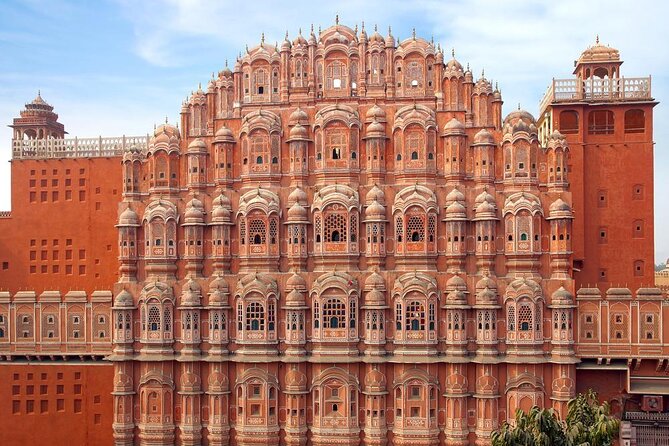
- Landmark stops that anchor the experience at Hawa Mahal and Govind Devji Temple
- Classic Jaipur flavors like chaat, chole bhature, masala chai, and Indian sweets
- Bottled water plus coffee and/or tea included to keep you comfortable
- Abdul-led experiences described as attentive, funny, and helpful with questions
Why Jaipur Street Food Feels Better at Night (and Why This Tour Works)

Jaipur street food has a specific rhythm. In the evening, it’s easier to taste your way through the city without roasting in the daytime heat, and the stalls are usually lively enough to feel like a real neighborhood scene. This tour fits that timing: you’re out for about 2 hours 30 minutes, walking between food spots and landmark stops while your guide explains how culinary traditions fit into Jaipur today.
What makes it work is the combination of food and place. Street eats can be random if you wander on your own, but this format ties bites to a route, so you learn what to look for and why certain foods show up where they do. You’re not hunting blindly, and you’re not stuck in a generic buffet.
For me, the best part is that the tour is designed to be more than consumption. You’re learning the history of Indian culinary culture and modern food through commentary, which turns each taste into a mini lesson you can remember later—especially helpful if it’s your first time in Jaipur.
You can also read our reviews of more food & drink experiences in Jaipur


Price and Time: What $22 Really Buys You
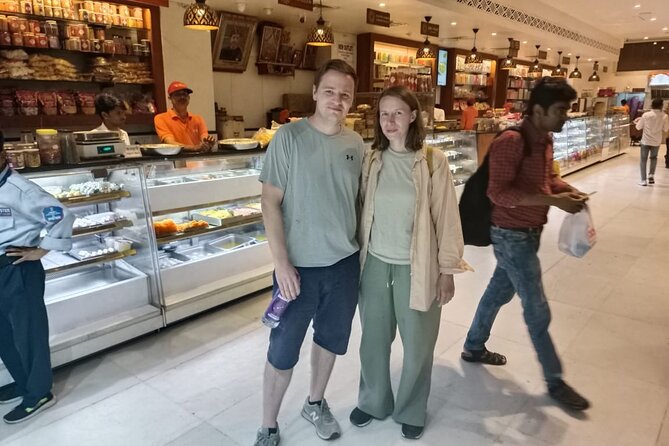
At about $22, this is positioned as a value-first experience. You’re paying for the guide, the route, and access to places you might not feel comfortable finding alone—especially when you’re moving on foot through lively markets.
The included extras matter more than they sound. Bottled water is a practical inclusion in a city where dehydration sneaks up on you, and coffee and/or tea gives you a built-in pause that keeps the tour from feeling like constant eating. Since your own expenses aren’t included, you should still be ready for any add-ons you choose on your own, like extra portions or souvenirs you spot along the way.
Time is also part of the value. Two and a half hours is long enough to sample multiple items and feel full, but short enough that you’re not spending your entire evening in one place. That balance is ideal for first-timers who want food coverage without losing the rest of the night.
Meeting at Tripolia Gate: Getting Oriented Fast
You start at Tripolia Gate, in the Tripolia Bazar area (Badi Choupad, J.D.A. Market, Pink City, Jaipur). That matters because being near a recognizable entrance point helps you get your bearings quickly. If you arrive a little early, you’ll have time to locate your group and settle in before you start walking.
The tour ends back at the same meeting point. That’s a quiet but important detail. You’re not left figuring out transport after you’ve eaten a small mountain’s worth of food. It also helps you keep your evening plan simple, whether you’re continuing to explore on your own or grabbing a final drink somewhere nearby.
Stop 1: Hawa Mahal (Palace of Wind) Without Turning It Into a Photo Sprint
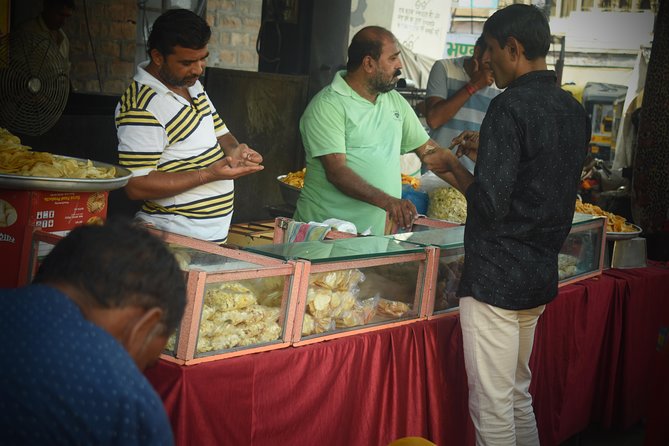
Your first stop is Hawa Mahal – Palace of Wind. Even if you’ve seen it in pictures, it hits different in the real city—especially when you’re already in motion and your brain is switching from sightseeing mode to taste mode. In this tour format, it’s not just a checkpoint. It’s the kind of landmark that makes the rest of the evening feel connected.
Here’s what you can expect from this kind of stop: quick context from your guide, a chance to reset your route memory, and a natural moment to anticipate your next bites. The benefit of starting with a major icon is simple—you immediately understand you’re in the right part of Jaipur.
Potential drawback: if you’re the type who wants long, stop-and-stare time at monuments, you may feel the timing is tight. This tour is built to keep you moving, and the monument is a framing device for food and culture rather than the main event.
Stop 2: Govind Devji Temple and How Food Stories Take Shape
Next up is Govind Devji Temple. The tour doesn’t present this as a lecture, though you’ll hear commentary that connects Indian culinary culture with what you’re eating. Temples and food culture often overlap in cities across India, and Jaipur is no exception in the way traditions show up in everyday life.
What I like about this middle stop is that it shifts you from landmark watching into deeper context. By the time you reach it, you’ve already had your appetite activated. Then your guide’s storytelling helps you understand the why behind the flavors—how culinary culture forms part of daily identity, not just an attraction.
Possible consideration: depending on crowd flow and timing, you might spend more time moving around than lingering. Go with the mindset that the tour is paced for eating and learning together, not for slow sightseeing.
You can also read our reviews of more tours and experiences in Jaipur





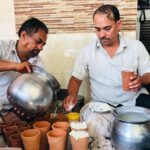
Stop 3: Tripolia Bazar Where the Sweets and Snacks Start to Add Up
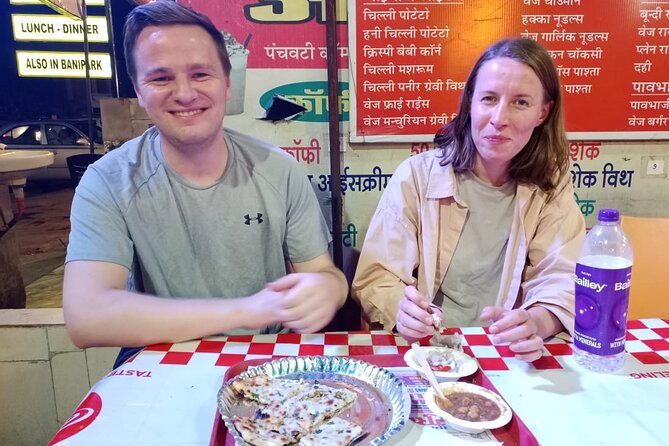
The walk ends at Tripolia Bazar, and that’s a smart choice. A bazar is where Jaipur’s food culture shows up in layers—street snacks, drinks, and sweets that feel like they belong to the neighborhood rather than a tourist lane.
By the time you’re here, you’ve already sampled savory flavors like chaat and chole bhature, and you’ve had something warm in your hands (masala chai is specifically part of the tour experience). The market stop is where sweetness often becomes the finale—and that’s exactly the kind of pacing that keeps the tour fun instead of tiring.
The big practical win: markets can be overwhelming if you’re alone, especially in the narrow lanes. With a guide, you’re more likely to land on good options and keep moving safely through busy areas.
What You’ll Eat and Drink: The Jaipur Flavor Checklist
This tour is built around street favorites and the drinks that make them better. Here’s what you can plan around based on what’s included and highlighted:
- Chaat: tangy, crunchy, and made for mixing sweet-sour-salty flavors in one bite
- Chole bhature: a filling classic that gives the tour real substance
- Masala chai: a comforting break that keeps the evening from feeling chaotic
- Indian sweets: a wide variety, which is great for ending on something gentle
- Coffee and/or tea (included): on-the-go hydration and a soft landing for your taste buds
- Bottled water (included): helpful insurance when you’re walking and eating constantly
One extra note: some Abdul-led experiences mention lassi, so you might be offered it depending on timing and what’s available during your route. If it’s on the menu, it pairs well with spicy street snacks and helps balance a heavy sweet load.
If you have dietary restrictions, the tour data doesn’t spell out options. So I’d treat this as a flexible street-food experience and ask your guide directly about what you can eat comfortably.
How the Guide Turns Alley Food Into Real Understanding
Your guide plays a huge role here. Multiple experiences describe guides like Abdul as funny and attentive, and most importantly, able to answer questions. That matters because Jaipur food isn’t just about taste—it’s about how flavors, ingredients, and routines make sense in the city.
What you’ll likely get during the walk:
- commentary on the history of Indian culinary culture
- explanation of how modern food fits into older traditions
- guidance that helps you move through areas you might not choose to enter alone
I like this setup because it gives you context without killing the vibe. You’re not stuck in a classroom; you’re getting story snippets while you’re eating, which is exactly how culture sticks when you’re traveling.
Also, the small group format helps. When there aren’t 50 people clogging the lanes, your guide can actually manage questions and keep the pace comfortable.
Walking, Safety, and Hygiene: What to Plan for in Busy Jaipur Lanes
This is a walking tour through active streets and market areas. That has two practical effects: you’ll enjoy the city more, and you’ll feel the movement in your legs. Comfortable shoes are non-negotiable.
On safety: the tour format is designed for guided movement through busy spots, including road crossings. Some experiences emphasize that guides help with staying safe when things get rushed.
On hygiene: this is where you should be honest with yourself. Street food quality can vary by stall and by conditions on the day. One past experience raised concerns about hygiene priorities. The response from the provider argued Jaipur is cleaner than other cities and explained their view on cleanliness, but you shouldn’t rely on assumptions.
My advice:
- Carry your own small hygiene kit if you’re cautious.
- Eat what you feel comfortable with in the moment.
- If something looks or smells off, skip it. There will be plenty of other bites on the route.
Mobile Ticket and Small-Group Energy
This tour uses a mobile ticket, which is convenient if you’re juggling phone maps, photos, and bags. No paper ticket searching. Just show up with your booking confirmation and get started.
Another quiet advantage: a maximum of 20 travelers. That tends to make the walking feel manageable and prevents the most common street-food problem—standing in a line while everyone else waits. Here, you’re more likely to keep moving and spend time at each stop.
Also, it’s described as near public transportation. That helps if you want to reach the meeting point without committing to a long taxi ride.
Who This Tour Suits Best (and Who Might Want Another Option)
This is a great fit if:
- you’re a first-time visitor who wants the “Jaipur in motion” feeling
- you love street food, not just restaurant meals
- you want landmark context without turning the night into a museum marathon
- you like guided storytelling—food history, plus how modern eating works alongside it
It may be less ideal if:
- you want a slow, detailed monument experience
- you have strict dietary needs that aren’t covered in the tour information
- you’re very anxious about street hygiene and don’t want to take any chances
If you fall in the middle—curious but cautious—bring your own caution tools (sanitizing wipes or hand gel if that’s your habit) and let the guide help you choose.
Should You Book This Jaipur Food Tour?
If your goal is to eat well, walk through real areas, and learn while you taste, I think this is a smart booking. The combination of chaat, chole bhature, masala chai, and Indian sweets, plus bottled water and coffee and/or tea, gives you a genuinely full evening for the money. Add in landmark stops like Hawa Mahal and Govind Devji Temple, and you get a route that feels like Jaipur—not just a food list.
Before you book, just be sure you’re comfortable with street-food variability and walking time. The tour also depends on good weather, so plan to be flexible if rain changes things.
Overall: if you want a guided, small-group Jaipur food walk that keeps the night lively and the flavors front and center, this one is an easy yes.
FAQ
How long is the Feast on the Streets Jaipur Food Tour?
It’s approximately 2 hours 30 minutes.
What is the price for the tour?
The price is $22.
Where does the tour start?
The meeting point is Tripolia Gate, Tripolia Bazar, Badi Choupad, J.D.A. Market, Pink City, Jaipur, Rajasthan 302002, India.
Where does the tour end?
The tour ends back at the same meeting point.
What food and drinks are included in the tour?
You’ll sample street food such as chaat, chole bhature, masala chai, and Indian sweets. Bottled water and coffee and/or tea are included.
Do I need cash or extra money during the tour?
The tour says your expenses are not included, so you may want extra money for anything you choose beyond what’s covered.
Is there a limit on group size?
Yes, the tour has a maximum of 20 travelers.
Is the ticket sent digitally?
Yes, it uses a mobile ticket.
What should I know about timing and when the tour runs?
It’s available daily based on the listed opening hours: 7:00 AM to 10:00 PM.
What happens if weather is bad?
This experience requires good weather. If it’s canceled due to poor weather, you’ll be offered a different date or a full refund.
Is free cancellation available?
Yes. You can cancel up to 24 hours in advance for a full refund.