REVIEW · PUSHKAR DAY TRIPS
Private Day Trip to Ajmer and Pushkar from Jaipur
Book on Viator →Operated by Rajasthan Incredible Tours · Bookable on Viator
Two holy cities, one day trip. The best part of this private route is how it turns a long drive into a clear hit list: door-to-door pickup from Jaipur, then stops built around major Hindu and Sufi sacred sites with your own pace. You get an A/C vehicle for the day, bottled water, and a chauffeur who focuses on getting you safely between places rather than rushing you through them.
One thing to keep in mind: you’ll be in motion most of the day, and some parts aren’t included on the price. That means extra costs for a few temple/lake/mountain entrances, plus you’ll tackle the 650-step climb at Savitri Mata Mandir, with strict clothing rules for worship areas.
In This Review
- Key things that make this day trip work
- A private Ajmer and Pushkar hit list from Jaipur
- Pickup, A/C comfort, and why timing can make or break the day
- Ajmer Sharif Dargah: a calm start with real spiritual weight
- Brahma Temple in Ajmer: the one-city legend
- Pushkar Lake and ghats: pilgrimage energy at ground level
- Savitri Mata Mandir: the 650 steps and the best time to go
- Drivers and local guides: what the private setup can mean in real life
- Budget reality: what’s included, what isn’t, and how to plan
- Safety, respect, and the Pushkar donation question
- Who this day trip suits best
- Should you book this Ajmer and Pushkar day trip?
- FAQ
- Do I need a passport for this tour?
- What clothing rules should I follow at the temples and shrine?
- Is admission included at all stops?
- How much walking is involved?
- What’s included in the price, and what should I plan to pay for?
- Can I cancel and get a full refund?
Key things that make this day trip work
- Private, chauffeur-driven transport means no car rental stress and less hassle with traffic and parking
- Ajmer Sharif Dargah timing starts the day with a meaningful stop that’s free for admission
- Brahma Temple in Ajmer gives you a rare, very specific faith story tied to Hindu mythology
- Pushkar Lake and ghats are built for pilgrimage vibes, not quick selfies
- Savitri Mata Mandir is a real climb (650 steps), so your comfort level matters
- Clear do’s and don’ts at worship sites (covered shoulders/knees, remove shoes) keep the day respectful and smoother
A private Ajmer and Pushkar hit list from Jaipur
If you’re based in Jaipur and want a change of scenery without planning an overnight stay, this style of tour is the easiest button to press. You’re out roughly 10 to 12 hours, riding in an A/C private vehicle with pickup and drop included, then returning to Jaipur the same day.
What makes it especially practical is the stop order and the focus. You start in Ajmer with a Sufi shrine stop, then you move into a Hindu temple experience, then you switch to Pushkar’s pilgrimage core around the lake and ghats, and finish with a viewpoint temple that comes with a stair climb. It’s a lot of “moving through sacred space,” but it’s organized, and that organization matters when your time is limited.
The value angle is simple: you’re paying for transportation, a driver, and the convenience of not figuring out how to connect buses or rides across two major cities. For many people, that convenience is worth more than squeezing in a cheaper option and losing hours to logistics.
You can also read our reviews of more private tours in Jaipur


Pickup, A/C comfort, and why timing can make or break the day
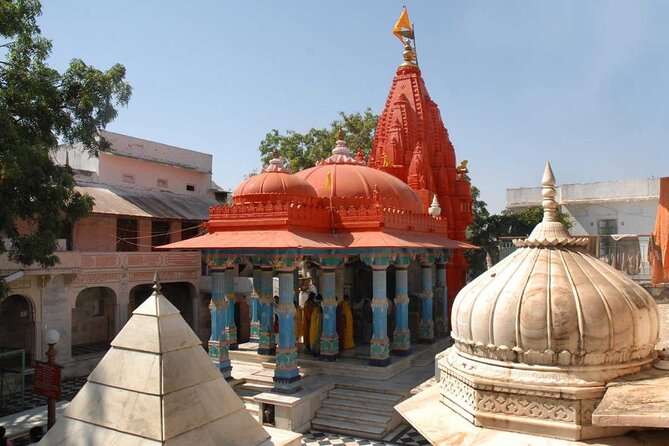
The tour includes hotel/airport/railway station pickup and drop, plus fuel, parking, and tolls. That’s not just nice wording. It’s what prevents the classic day-trip problem where you’re hit with surprise add-ons (parking, “fuel charges,” or extra stops that eat your hours).
Transfers are listed as approximate, and traffic changes the schedule. I’d treat this as a “flexible day.” Expect the road time to be part of the experience, not dead time. If you’re sensitive to long drives, build in the mindset that you’ll be seated for hours and you should plan accordingly.
The private setup also helps with safety and comfort. In the feedback, drivers like Shakil, Nizam, Sadiq, Vinod, and Imran are specifically credited for being friendly and driving carefully. That doesn’t guarantee every day will match that exact experience, but it does tell me the company’s drivers often take the job seriously, not casually.
Ajmer Sharif Dargah: a calm start with real spiritual weight
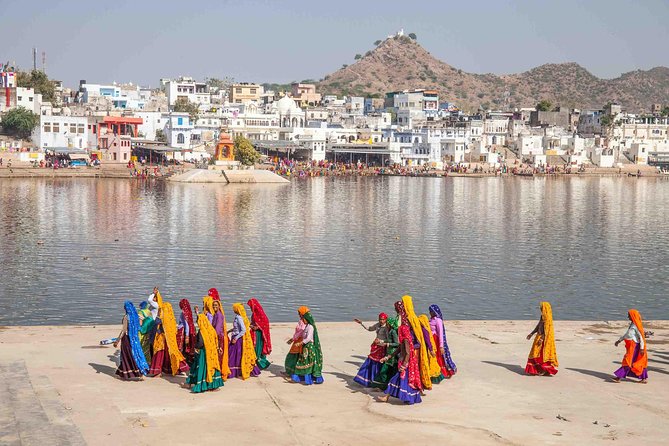
Ajmer is where the day begins, with a direct stop at Ajmer Sharif Dargah (often called Dargah Sharif). This is a major Sufi shrine connected with the saint Moinuddin Chishti, and the setting is designed for devotees, not just visitors passing through.
Admission is listed as free for this stop, so you’re not paying to see the main spiritual highlight of Ajmer. The stop is short on paper (about 30 minutes), which means you’ll want to use your time well: take a quick look, observe the prayer atmosphere, and don’t wait until the last minute to remove shoes or adjust clothing.
Practical note: at places of worship, shoes must be removed, and you’ll want knees and shoulders covered. Short shorts and sleeveless tops aren’t recommended. If you show up slightly underdressed, you’ll spend time handling it, and time is the one thing you can’t buy back on a day trip.
Brahma Temple in Ajmer: the one-city legend
Next comes the Brahma Temple, described as dedicated to Brahma, the creator figure in Hindu mythology. The tour info also shares a legend: worship of Brahma is restricted to this city, with a curse connected to his wife. Even if you don’t treat every story as literal, the point is still useful. It explains why people make the pilgrimage stop here at all.
The visit is about 1 hour, and admission is not included. That matters for budgeting: you’ll want to carry some cash or be ready to pay on-site, depending on how the temple handles visitors.
This is also a good stop to slow down and look at details. Temples like this often have a strong local rhythm: people arrive, pray, and then move on. If you respect that flow, you’ll feel less like a visitor and more like a temporary participant in the day’s spiritual pattern.
One drawback to expect: you’ll be switching religions and styles of worship from Sufi shrine to Hindu temple in the same day. It’s fascinating, but it can feel intense. If you’re easily overwhelmed in crowded religious spaces, take quiet moments when you can and don’t force yourself to “do everything” in one rush.
Pushkar Lake and ghats: pilgrimage energy at ground level
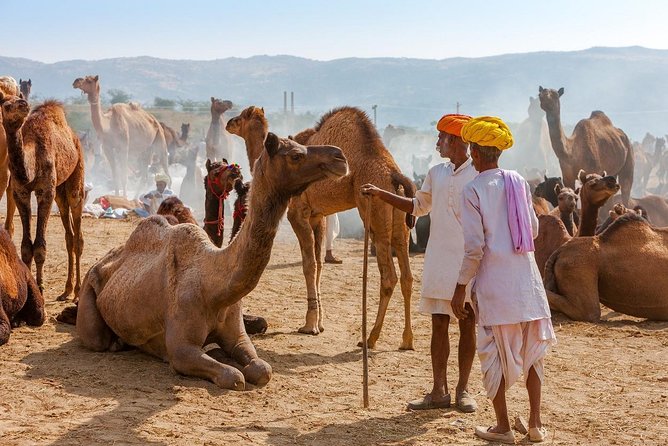
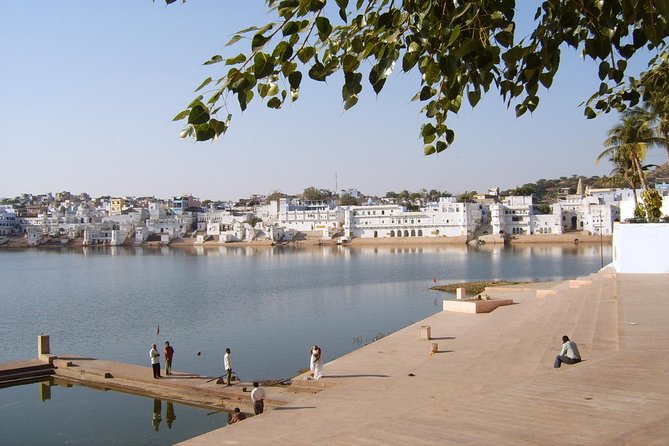
After Ajmer, you’ll head to Pushkar Lake. This is one of the big pilgrimage anchors in the region, with thousands coming for spiritual practice and the lake’s surrounding temples and ghats (bathing areas).
The tour gives about 1 hour here, and admission is not included. Still, the value isn’t in a ticket. It’s in the view of how life and devotion play out around the water. The lake area is more than scenery; it’s a working pilgrimage zone where people come to perform rituals and spend time.
Be ready for the “real world” side of Pushkar. It’s popular, religious, and busy. If you want a calmer experience, you’ll need to be smart with where you stand and how long you linger in one spot. Quick movement beats getting stuck in one crowded viewing angle.
Also, keep your clothing rules in mind. You’ll be in and around worship areas again. Shoes removal and covered shoulders/knees aren’t just polite. They keep the day smooth, because you’ll avoid getting pulled aside to correct your outfit.
You can also read our reviews of more tours and experiences in Jaipur





Savitri Mata Mandir: the 650 steps and the best time to go
The final major stop is Shree Savitri Mata Mandir, dedicated to Brahma’s wife (according to the tour’s explanation). The big feature here is the climb: 650 steps up.
The tour frames it as a viewpoint experience, with city and lake views from the top. It even suggests doing it at sunrise for the best moment. You won’t always control sunrise timing perfectly on a day trip, but the advice is still useful: earlier tends to mean better light and fewer crowds.
Admission for this stop is not included. And here’s the key practical consideration: this part isn’t just “walking.” It’s stairs. The tour notes moderate walking is involved, so comfortable shoes matter. If you have knee issues or you hate heights, this is the stop you should weigh carefully before booking.
The good news is that the payoff is the kind of payoff you can feel. When you earn views from a physical effort, the climb usually feels worth it.
Drivers and local guides: what the private setup can mean in real life
This is a private tour, so you’re not sharing the vehicle with strangers. That’s the obvious benefit. But the more interesting part is how the driver role shows up at the stops.
The feedback highlights that some drivers go beyond just driving. Vinod is described as humble and cooperative and offering interesting facts and stories while traveling. Imran is credited with taking someone to great places to eat and driving very well. In a separate account, a local guide is contacted at Pushkar to show around.
At the same time, one lower-rating experience points out a mismatch: the driver acted mainly as a driver and didn’t provide the kind of active guiding expected at a particular stop. That’s not necessarily typical, but it’s a useful reminder.
My practical advice: if you want more than transport, ask what level of help is provided at each stop. You can also tell the driver your interests up front—religion/history/food/rest stops—so they know what you mean by highlights.
Budget reality: what’s included, what isn’t, and how to plan
The price is listed as $84, and the tour includes:
- hotel/airport/railway pickup and drop
- a chauffeur-driven A/C private vehicle for sightseeing
- fuel, parking, and tolls
- bottled water
What’s not included:
- alcoholic drinks (available to purchase)
- tips and gratuities (recommended)
- souvenir photos (available to purchase)
- personal expenses
Also, admission is free at Ajmer Sharif Dargah, but not included for Brahma Temple, Pushkar Lake, and Savitri Mata Mandir. So your total cost depends on on-site entry fees and any optional extras.
I like this setup because it’s easy to predict your “sure” spending (transport and water) and your “maybe” spending (temple/lake/mountain admissions and personal purchases). Just don’t assume the full day’s activities are fully covered.
And for tips: because tipping isn’t included, it helps to decide your plan ahead of time. If you found the driver helpful and careful, a gratuity makes sense.
Safety, respect, and the Pushkar donation question
Safety is part of why private day trips are popular, and the feedback supports that angle. Drivers like Shakil and Nizam/Sadiq are praised for being friendly and making the trip feel safe.
Respect at worship sites is the other half of “safety,” and the tour’s rules are straightforward: shoes off inside places of worship, covered shoulders and knees, and avoiding short shorts or sleeveless tops.
Then there’s a Pushkar-specific caution pulled from one experience: after rituals, some priests may try to persuade visitors to make donations. That doesn’t mean every interaction will be like that. But it does mean you should expect donation requests in some form, and you should have a personal boundary.
My advice is simple: decide your comfort level before you’re standing in the moment. If you don’t want to donate, say no politely and move on. If you do want to donate, set a limit so it doesn’t turn into a surprise expense.
Who this day trip suits best
This tour fits best if you:
- want to see Ajmer and Pushkar without changing hotels
- like a structured day where transportation is handled
- are comfortable with worship-site etiquette and modest walking
- can handle the 650-step climb for views
It may be less ideal if you:
- have limited stamina or knee problems
- hate stair-heavy viewpoints
- strongly prefer a fully guided experience inside every site (not just driving plus highlights)
Because it’s a private tour with pickup and drop, it’s also a good choice for solo travelers who want to avoid figuring everything out alone. In the feedback, at least one solo traveler felt secure because local guides met them at stops.
Should you book this Ajmer and Pushkar day trip?
Yes, you should seriously consider booking if your main goal is a one-day plan that mixes Sufi and Hindu sacred stops with Pushkar’s pilgrimage heart. The included A/C private vehicle, bottled water, and door-to-door pickup make it a low-stress way to cover two major destinations from Jaipur.
Hold off or go in with extra care if you know the 650 steps are a deal-breaker for your body, or if you dislike donation pressure in religious areas. Also, confirm what “tour guidance” means to you: some drivers give lots of context, and local help may happen at certain stops, but you shouldn’t assume every stop will be led the same way.
If you’re organized on clothing rules, comfortable with a long day, and willing to set a boundary on donations, this is one of the more practical ways to turn Jaipur time into real Ajmer and Pushkar memories.
FAQ
Do I need a passport for this tour?
Yes. The tour details say a current valid passport is required on the day of travel for all participants.
What clothing rules should I follow at the temples and shrine?
You’ll need to remove shoes at places of worship, and you should cover knees and shoulders at worship sites. The info also notes short shorts or sleeveless tops are not recommended.
Is admission included at all stops?
No. Ajmer Sharif Dargah is listed as free, but admission is not included for Brahma Temple, Pushkar Lake, and Shree Savitri Mata Mandir.
How much walking is involved?
The tour notes moderate walking and specifically includes a climb of 650 steps at Shree Savitri Mata Mandir. Comfortable walking shoes are recommended.
What’s included in the price, and what should I plan to pay for?
Included items are pickup and drop, A/C private vehicle, fuel, parking, tolls, and bottled water. Not included are tips/gratuities (recommended) and alcoholic drinks, plus personal expenses and souvenir photo extras.
Can I cancel and get a full refund?
Yes. Free cancellation is available, and you can cancel up to 24 hours in advance for a full refund. If you cancel less than 24 hours before the start time, the amount paid is not refunded.