REVIEW · RANTHAMBORE TIGER SAFARI DAY TRIPS
From Ranthambore: Official Tiger Safari in Canter With Guide
Book on GetYourGuide →Operated by Find My Holidays · Bookable on GetYourGuide
Tigers on your watch, in real time? This open-top Canter safari is a fun way to see Ranthambore’s wildlife up close while an expert guide points out what you’re looking at. I especially like the live guide who explains the park’s biodiversity, and I like how the safari moves through different landscapes instead of just sitting in one spot. The only real drawback: tiger sightings are never guaranteed, and some zones can feel quieter than others.
I found the setup makes sense if you want something simple and time-bound: you pick a morning or afternoon departure, go out for about 3 hours, and then head back the same way. You’ll meet at Ganesh Dham Circle ( गणेश धाम सर्किल ), board a shared 20-seater Canter, and spend most of your time scanning for animals and listening for clues from the guide.
One more thing to know upfront: this is the forest department running limited safaris, so slots can sell out fast during peak season. Also, if you’re hoping for a comfy, private ride, this isn’t it—it’s shared, open-top, and you’ll be watching other people watching too.
In This Review
- Key Points You’ll Care About on This Ranthambore Canter Safari
- Ranthambore by Canter: What the 3-Hour Safari Feels Like
- Meeting at Ganesh Dham Circle and Getting Into the Park
- How the 10 Zones Shape Your Tiger Chances (Zones 1–5)
- Wildlife You’re Likely to See: More Than Just Tigers
- Your Guide’s Role: Naturalist Talk and What English Can Feel Like
- Other Practical Details: Cold Mornings, Full Vehicles, and Respect
- Price and Value at About $27 Per Person
- The Morning vs Afternoon Choice: Picking the Day That Works for You
- Should You Book This Ranthambore Tiger Safari Canter?
- FAQ
- How long is the Ranthambore Canter safari?
- Is park entry included in the price?
- Can I choose a morning or afternoon safari?
- Are tiger sightings guaranteed?
- Do I need to send a passport for this safari?
- What should I bring, and what’s not allowed?
Key Points You’ll Care About on This Ranthambore Canter Safari
- Shared open-top 20-seater Canter means lots of eyes and lots of noise—bring patience.
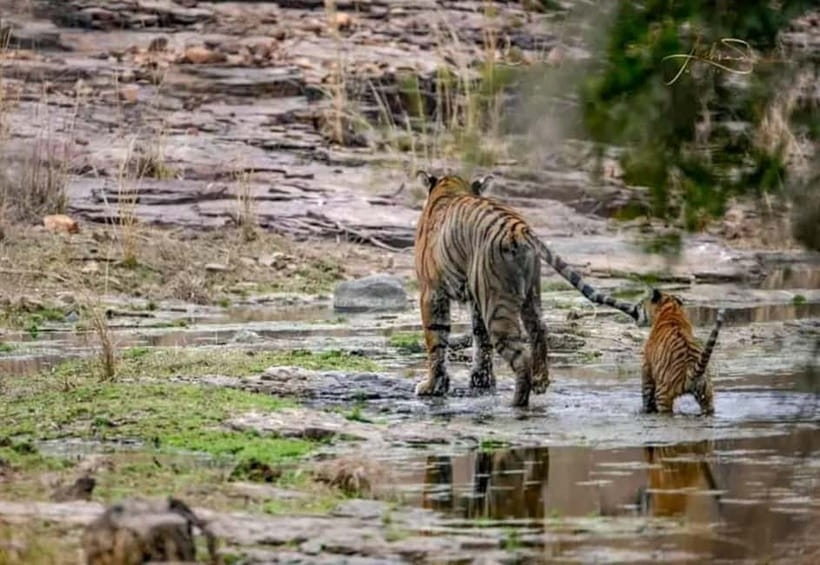
- Tiger odds are tied to zones; tiger sightings are frequent in zones 1 to 5.
- A professional naturalist guide explains biodiversity while you look for Bengal tigers, leopards, and more.
- The safari is 3 hours total, with either a morning or afternoon slot depending on availability.
- Not a zoo: wildlife is wild, so the best day is the one the park gives you.
Ranthambore by Canter: What the 3-Hour Safari Feels Like
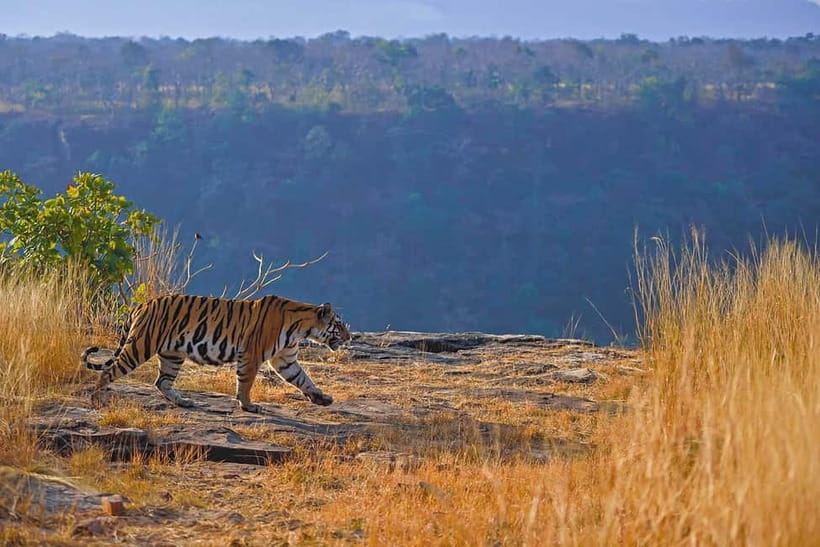
A Ranthambore safari is basically a moving wildlife classroom. In just three hours, you’re out on a route through different habitats, scanning for movement, and learning how the ecosystem connects—birds, tracks, water, cover, and animal behavior.
This is an open-top Canter ride on a shared 20-seater vehicle. That’s a big part of the appeal: you get better sightlines than you would in a closed vehicle, and you feel the park’s heat, wind, and dust more directly. It also means you’ll be holding your camera up for long stretches, so plan for finger fatigue.
The time-of-day choice matters. A morning safari tends to feel sharper and cooler, and an afternoon one can catch that late light when animals may be more active around food and water. Either way, you’re going out with a guide, so you’re not stuck guessing what you’re seeing.
You can also read our reviews of more guided tours in Jaipur


Meeting at Ganesh Dham Circle and Getting Into the Park
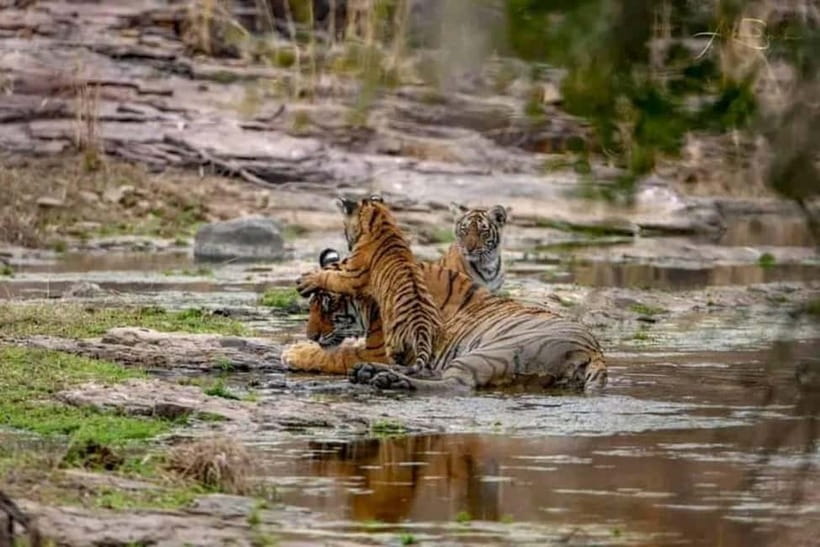
Your starting point is Ganesh Dham Circle ( गणेश धाम सर्किल ). That’s good news in one sense: you don’t have to hunt down a random trailhead. It also means you should plan your timing so you’re not rushing at the last minute.
After you book, you’ll need to provide your passport for park entry (sent via WhatsApp or email after booking). This is important because every guest must present a valid passport to take part in the safari. I treat this like a must-do task the same day I book, not something to remember later.
One practical perk here: you can skip the ticket line. That helps keep your safari time focused on wildlife, not paperwork. And because the safari is managed under forest department rules with limited vehicle slots, it’s smart to reserve ahead—availability can disappear quickly.
How the 10 Zones Shape Your Tiger Chances (Zones 1–5)

Ranthambore National Park is divided into 10 zones, and each has its own mix of landscapes. You’re not just doing one generic loop; you’re entering one zone and working your way through its particular layout—where cover is thick, where water sits, and where animals may cross.
The biggest scheduling truth is this: tiger sightings are frequent in zones 1 to 5. That doesn’t mean tigers are guaranteed, but it does mean your odds generally improve when you land in those zones. If you want your tiger-chance to feel more intentional, focus your expectations on zones 1–5 and ask yourself if you’d be okay with a less-active zone if the park assigns you elsewhere.
This is also where “shared” becomes real. The Canter ride is shared, and you’ll end up with a mix of energy levels—some people are quiet and scanning, others talk loudly while holding up phones. It can affect the experience, especially if the vehicle is full and everyone is eager for photos.
Wildlife You’re Likely to See: More Than Just Tigers

Yes, the Bengal tiger is the headline. But a good day in Ranthambore is about variety—lots of species using the same space.
Expect the guide to help you look for Bengal tigers, leopards, and sloth bears, plus land mammals like wild boars and different deer species. Depending on where you go, you may also spot crocodiles and a huge range of birds—over 300 bird species in the park.
Here’s the useful part: when you see one animal, it often tells you something about what else might be nearby. Deer and boar activity can hint at feeding areas. Bird calls can point you toward water or open patches. Crocodiles don’t move like cats in a movie; they can be spotted by noticing stillness near the right places.
Also, remember the tone of the whole experience. This is a tiger reserve, not a zoo. Animals come and go with the day, the weather, and the zone. That unpredictability is frustrating if you want a guaranteed tiger photo—but it’s also what makes it feel authentic.
Your Guide’s Role: Naturalist Talk and What English Can Feel Like
A major value in this safari is the guide. You’ll have a professional naturalist guide who shares insight into the park’s biodiversity while you’re out driving and looking.
In an ideal scenario, the guide helps you decode what your eyes are catching: why a certain spot feels promising, what tracks or bird behavior can suggest, and how different habitats support different animals. Even when the tiger doesn’t show, you can still leave feeling like you learned something real.
That said, guide communication can vary. Some experiences mention the guide speaking more Hindi than English, while others describe the guide as brilliant. If you’re a traveler who really wants an English-heavy explanation, go in with flexible expectations and focus on learning through observation too—scan, ask questions when you can, and use binoculars.
If you want an easy way to maximize the guide’s value: bring a few questions. For example, ask what signs suggest tiger presence in your zone or what bird species are often useful clues. It helps you feel like you’re participating instead of just watching.
You can also read our reviews of more tours and experiences in Jaipur





Other Practical Details: Cold Mornings, Full Vehicles, and Respect

Ranthambore can surprise you with weather. Some safaris run cold, especially around morning departures in cooler months. Wear layers and plan for gloves or a warm hat if you get chilly easily.
Bring comfortable shoes because you’ll likely be moving around at the meeting point and during photo stops. Pack a hat, sunscreen, water, and your camera. Binoculars are a great idea; they help when animals are far enough that you’re not sure if you’re seeing a tiger, a shadow, or just your imagination doing its best.
One more reality check: because this is a shared Canter in a 20-seater vehicle, not everyone will act like a wildlife photographer. Some people talk, use phones, and get loud. In at least one experience, the behavior of other passengers pulled attention away from what was happening in the park. If that kind of thing bothers you, bring a calm mindset and try to position yourself where you have a clear line of sight.
Also, no pets are allowed. And the safari isn’t suitable for everyone: it’s listed as not suitable for pregnant women and for people with back problems. If those apply, choose a different format.
Price and Value at About $27 Per Person
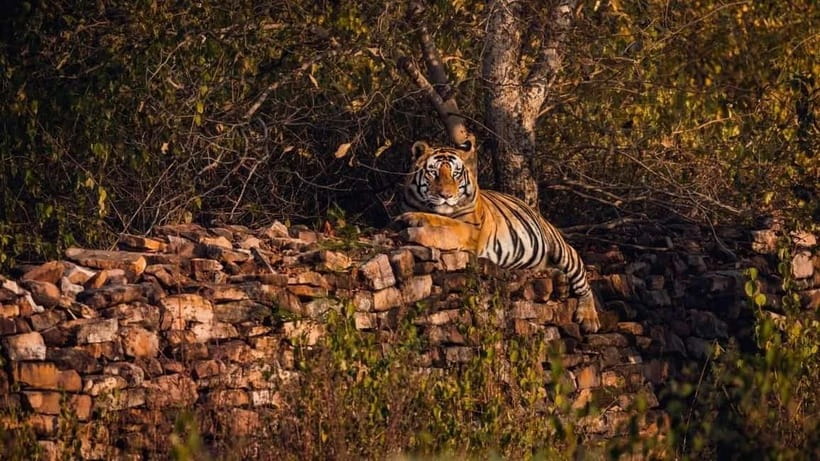
At around $27 per person for a 3-hour safari, the price is strong for what’s included. You’re getting park entry fees, a shared Canter safari, a professional guide, and all taxes.
That matters because wildlife safaris can add costs fast once you start combining park fees, permits, and transport. Here, the packaged approach means you’re not doing mental math on the fly. For many people, that’s exactly what they want: a day plan that feels straightforward.
But keep your expectations grounded. Forest department safaris are limited and can sell out. The booking isn’t guaranteed as a confirmed forest department slot, so if safaris sell out, you should get a full refund. Think of it as an efficient way to get your shot at the park, not a promise that a tiger will step into your path.
Also, the park’s rules apply. So the vibe is structured: you follow assigned routes and timing, and you don’t run off looking for animals yourself.
The Morning vs Afternoon Choice: Picking the Day That Works for You
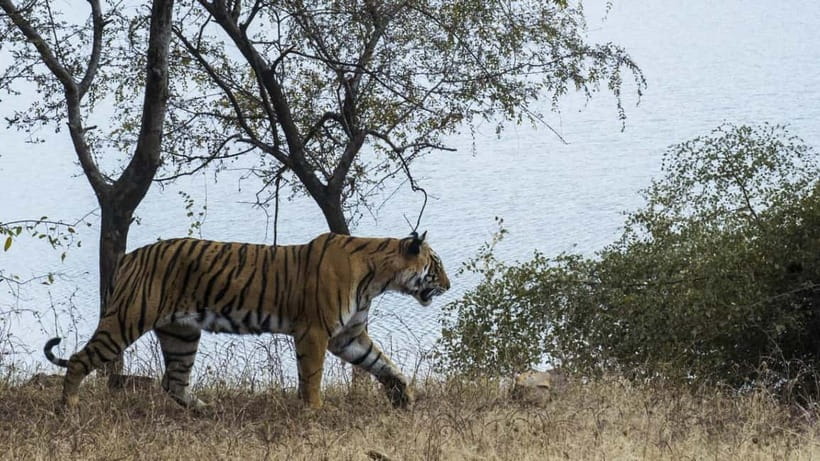
Choosing morning or afternoon isn’t just about convenience. It changes how the day feels.
If you go in the morning, you often get the advantage of cooler conditions and a fresh-start rhythm. If you go in the afternoon, you may catch different animal activity patterns, and you might have better chances with lighting depending on the season and cloud cover. The experience notes include both sunrise and sunset timing, which tells you the operators plan for day-light viewing and photo moments.
Because this is scheduled through limited safari slots, the best option is often the one you can actually secure. If both morning and afternoon are available, pick the one that fits your energy. Then focus on the bigger goal: being ready to scan, listen, and accept that wildlife timing belongs to the animals, not the itinerary.
Should You Book This Ranthambore Tiger Safari Canter?
Book it if you want a simple, guided, time-limited wildlife outing with park access included. The value at about $27 is real when you factor in entry fees and the guided portion, and the open-top Canter helps you actually see what’s going on.
Also book it if you can handle unpredictability. You’re not buying a guaranteed tiger photo. You’re buying the best kind of odds: a zone-based safari with a guide, in a reserve that’s wild and properly managed.
Skip it or switch plans if you need total comfort, quiet, or guaranteed sightings. Some zones can feel slower, and in a full shared Canter you may have passengers who aren’t as focused as you want. If you’re sensitive to cold weather, consider season and departure time too, and if you have back issues or are pregnant, this format may not be for you.
If you do book, do two things: send your passport details promptly, and arrive mentally ready for a shared ride. Then let the park do what it does—sometimes that’s a tiger close enough to feel unreal, and sometimes it’s a masterclass in biodiversity and animal behavior even without the big cat.
FAQ
How long is the Ranthambore Canter safari?
It lasts about 3 hours total.
Is park entry included in the price?
Yes. The entry fees to Ranthambore National Park are included, along with the shared Canter safari, guide service, and taxes.
Can I choose a morning or afternoon safari?
Yes. You can choose between a morning or afternoon slot based on availability.
Are tiger sightings guaranteed?
No. This is a tiger reserve, not a zoo, so sightings are unpredictable and cannot be guaranteed.
Do I need to send a passport for this safari?
Yes. You must provide a valid passport after booking for park entry, and guests must present it to take part.
What should I bring, and what’s not allowed?
Bring comfortable shoes, a hat, camera, sunscreen, water, and binoculars. Pets are not allowed.