REVIEW · JAIPUR
Take in the Beauty of an Early Morning with Fresh Flowers
Book on GetYourGuide →Operated by Ultimate Urban Adventures Pvt. Ltd. · Bookable on GetYourGuide
Morning in Jaipur has a sweet scent. This 1.5-hour walking tour turns a simple start into a real look at everyday life, with Hawa Mahal for early photo light and a stop for masala chai at a local stall. I especially like that you walk through the Pink City when it’s calmer, and you get close to the flower and vegetable market where locals actually work. One drawback: you’ll be on your feet for most of the tour, so plan for comfortable shoes.
What makes it work well is the order of things. You begin with major sights, then shift into markets and temples while the streets are less crowded and drivers aren’t rushing around you. And while it’s short, it doesn’t feel like a checklist. You get a guide who handles traffic awareness, points out what matters, and helps with photos at the key stops (including guides such as Monty and Ansh, based on guest feedback).
In This Review
- Key highlights to look forward to
- Starting at Hawa Mahal: your morning anchor in the Pink City
- Photo stop strategy: Hawa Mahal, Blue Gate, and Town Hall without the rush
- Passing temples and heritage streets: a short walk that feels like Jaipur life
- The fresh flower-and-vegetable market: colors, scents, and who grows the food
- Masala chai at a local tea stall: a warm reset during your walk
- Guide quality makes or breaks it: Monty, Ansh, and the photo + safety combo
- Price and value: what $16 buys in 1.5 hours
- What to bring (and what to expect on your feet)
- Who should book this early-morning Jaipur flower walk
- Should you book this tour?
- FAQ
- What time does the tour start?
- Where do I meet my guide?
- Is the tour guide English-speaking?
- What is included in the tour?
- What should I bring?
- Is the tour wheelchair accessible?
- How much does it cost?
Key highlights to look forward to
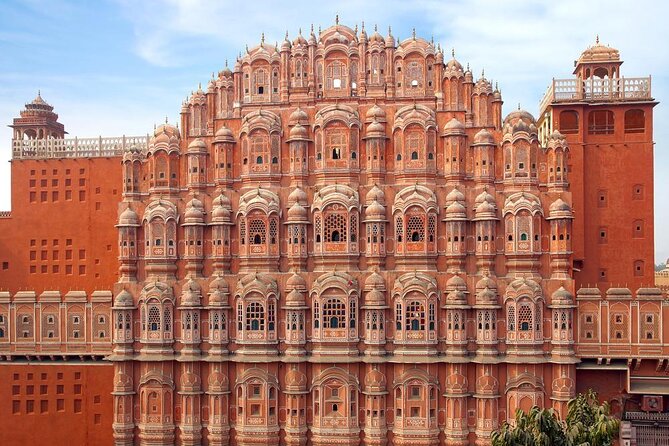
- Hawa Mahal first thing: best morning light and a quick, iconic photo stop
- Blue Gate and Town Hall on foot: heritage landmarks without the hassle of heavy traffic
- Fresh flower-and-vegetable market visit: see how farmers’ blooms and produce look up close
- Masala chai break: warm, local, and a nice pause before you keep walking
- Temple moments: you may pass or experience a temple scene with singing, drums, and flower offerings
- Guides who handle the details: from safety through great photo guidance (including Monty and Ansh)
Starting at Hawa Mahal: your morning anchor in the Pink City

You meet your guide just outside Hawa Mahal, next to an ATM. That’s a smart setup because you’re already at one of Jaipur’s most recognizable landmarks, and you can start capturing photos before the city’s energy builds.
Hawa Mahal is famous for its honeycomb-like facade and all those window openings. The advantage of an early start is simple: you tend to get a calmer view and fewer obstacles in your photos. You’re not waiting around later with everyone else. You’re also walking while the streets still feel like local space, not a moving crowd.
Before you set off, the tour includes a brief safety moment. It’s not a big production, but it matters in a place where road traffic can be busy. The goal is for you to know how to cross, where to stand, and how the guide plans the route so you’re not darting around.
Practical tip: bring a camera or a charged smartphone. You’ll want to take photos at the start and again later on the walk, and phones tend to run down faster in bright mornings.
You can also read our reviews of more tours and experiences in Jaipur


Photo stop strategy: Hawa Mahal, Blue Gate, and Town Hall without the rush
This tour is built around motion and photo opportunities. You’ll do an initial stop at Hawa Mahal, then keep walking past other heritage touchpoints like the Blue Gate and the Town Hall building.
Here’s why I like this approach: you get multiple “I’m in Jaipur” landmarks in a short time, but you’re not spending your whole morning inside a ticket line. The walk keeps you oriented. It also helps you connect what you see later in the day. If you’ve only visited Jaipur by car, you miss the way the city links monuments to neighborhoods.
One thing that comes up in the experience is how the route is timed to avoid peak traffic. That means smoother movement and better chances to stop for a photo without feeling like you’re holding up the world. For me, that’s the difference between a tour that feels efficient and one that feels rushed.
Passing temples and heritage streets: a short walk that feels like Jaipur life
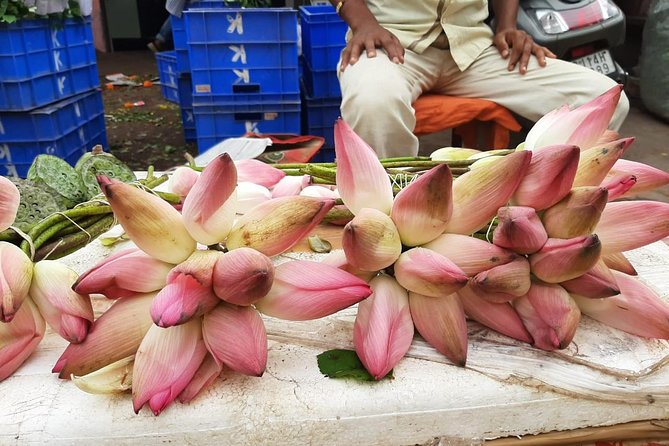
After Hawa Mahal, the route takes you past temples along the way. In some cases, the timing can line up with active worship. One guest described arriving while worshippers were singing, playing drums, and throwing flowers. Even if you don’t catch the exact same scene, the temple presence is part of what makes Jaipur different from places where religion is only a backdrop.
The other key detail is the way you experience these sights: on foot, moving slowly, with a guide to explain what you’re seeing. You’ll also hear the kind of “hidden secret” stories that don’t show up on a standard photo spot sign. It’s the difference between looking at architecture and understanding why certain buildings and street areas feel the way they do.
Also, since you’re walking early, you’re less likely to feel boxed in. You can pause. You can turn around and still catch the lines of the street and facades. It’s a calmer rhythm than later in the day.
One consideration: if you prefer highly structured museum-style stops, this is more street-and-temple focused. You’re moving through real local space, not just viewing from a designated platform.
The fresh flower-and-vegetable market: colors, scents, and who grows the food
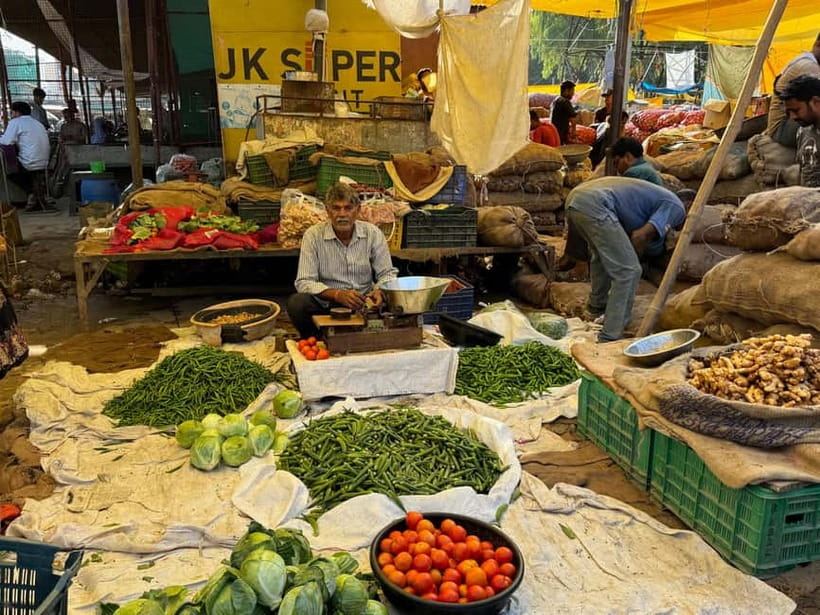
Then comes the heart of the tour: the fresh flower and vegetable market. This is where the morning stops being sightseeing and starts being daily life.
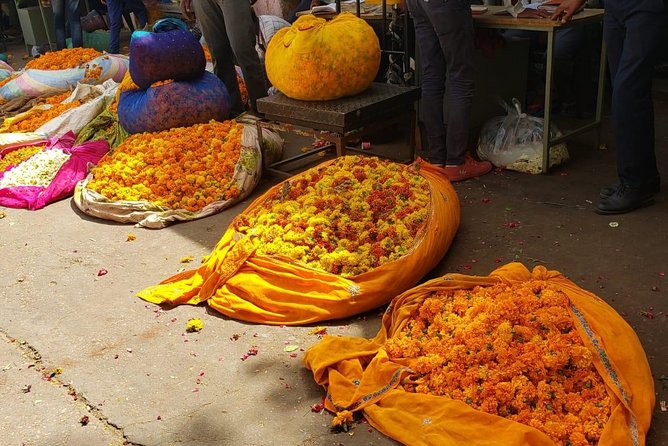
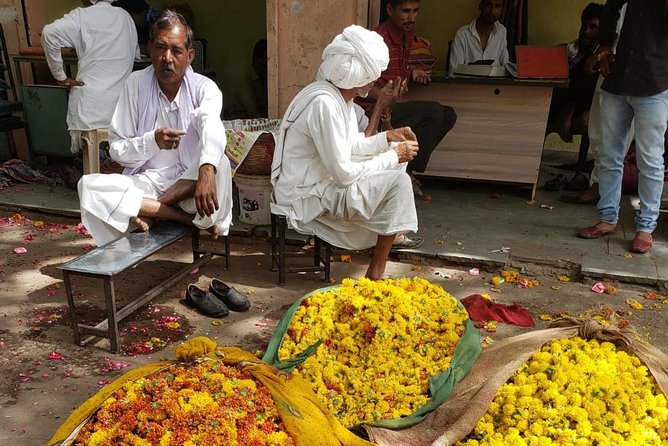
You’ll enter the market during a time that’s designed to limit traffic disruptions, which makes the visit more comfortable. Once inside, you’re surrounded by the visual impact of fresh flowers—one guest called out big mounds of marigolds and roses. Another described the market as colorful and full of local culture.
What you learn here matters. The market isn’t just a place to buy blooms. You learn about the lifestyle of farmers who come from villages to sell their flowers. That detail changes how you look at everything. Instead of thinking of flowers as decoration, you start seeing the supply chain behind what you’re photographing—the people who grow it, harvest it, and bring it in.
Photography is a big part of the experience. The market offers:
- close-up colors and textures
- natural photo angles from stalls and pathways
- plenty of chances to capture motion and everyday routines
Practical tip: wear comfortable shoes. Market floors can be uneven, and you’ll walk and stop multiple times. Bring hand sanitizer or tissues too, because it’s a food-and-flower environment and you’ll want quick cleanup between photo stops.
Small moment to watch for: on one tour, a guest mentioned being able to feed doves during the morning walk. That kind of interaction is exactly why guided visits to local markets can feel more personal than “just browsing.” You might not get every same moment, but it highlights how alive the place is.
Masala chai at a local tea stall: a warm reset during your walk
After the market, you’ll stop for masala chai at a local tea stall. This is included, and it’s more than a break. It’s also a culture moment you can taste.
Chai in India is often the social glue of small street spaces. In this case, the guide helps frame what you’re drinking and connects it to local daily rhythm. One guest described it as among the best chai they had on the entire trip, and another specifically praised the chai at the end of the flower market visit.
Depending on what’s happening at the tea stall area, you may see vendors selling small snacks. In at least one guest story, they also mentioned samosa and chickpea bites along with tea. Since the only guaranteed included item listed is masala chai, treat food beyond the tea as something you can choose if you see it and want it.
The value here is that you’re not just drinking tea in a generic setting. You’re taking the pause inside the neighborhood you just walked through.




Guide quality makes or breaks it: Monty, Ansh, and the photo + safety combo
A lot of Jaipur tours promise history. This one works because the guide handles the practical side of the morning walk.
From guest feedback, guides like Monty and Ansh are praised for:
- keeping the group safe from traffic while walking between sights
- sharing history and explanations while you’re in motion
- helping with photos at stops
- maintaining a pace that still leaves room for questions
As a solo traveler, that safety piece is especially important. One guest explicitly said they felt safe on the walk as a solo female traveler because the guide was professional and kept them aware of traffic conditions. Even if you’re traveling with friends, you’ll appreciate that the guide doesn’t let you drift into unsafe spots just to chase photos.
Another subtle benefit: a good guide will help you avoid wasting time asking where to stand or which side to shoot from. If you want photos that actually look like Jaipur (not just random street shots), this kind of guidance helps a lot.
Price and value: what $16 buys in 1.5 hours
At $16 per person for about 1.5 hours, this is a budget-friendly way to get real local scenes instead of another late-afternoon monument circuit.
Here’s the value math that matters:
- You get multiple major passes and photo opportunities (Hawa Mahal, Blue Gate, Town Hall, temples)
- You get a guided visit to a real morning market (flowers and vegetables)
- You get an included tea (masala chai)
- You’re not paying extra for “transport time,” since the experience is walking-focused and timed early
If your goal is to get grounded in Jaipur quickly—especially on day one—this is strong value. It gives you context for later. Even if you only have a short time in the city, it helps you understand how the Pink City feels when it’s functioning normally.
What to bring (and what to expect on your feet)
For comfort and easy photos, I’d pack:
- comfortable shoes (you’ll walk most of the tour)
- a camera or a smartphone with charge
- hand sanitizer or tissues
Weather note: warm clothes are recommended for winter months (Nov–Feb). Mornings can feel cooler than you expect, especially when you’re walking early and stopping in the shade.
Not allowed: electric wheelchairs. The tour also isn’t suitable for people with back problems, and wheelchair users may have trouble with the walking nature of the route.
Who should book this early-morning Jaipur flower walk
This tour fits best if you want:
- a short morning activity that doesn’t drag on
- a mix of landmark photos and real market life
- tea and street-level culture, not just monuments
- a guided route that helps with safety and photography
It’s also a smart “first Jaipur morning” choice. You arrive, and instead of immediately jumping to the biggest ticket sights, you start by learning what locals are doing right outside the hotels. That context changes how the rest of your trip feels.
If you hate walking, want frequent restrooms, or need step-free routes, this might not be your best match. The tour is focused and compact, but it is still a walking experience.
Should you book this tour?
If you’re in Jaipur for more than a day and you like photos that feel lived-in, I’d book this. The combination of Hawa Mahal early photos, a fresh flower market, temple moments, and an included cup of masala chai is exactly the kind of balanced morning activity that gives you both beauty and context.
I’d skip it only if you can’t handle steady walking or if your mobility needs require step-free access. Otherwise, it’s a simple, well-priced way to experience Jaipur before the city fully wakes up into crowds. Your feet do some work, but your camera and senses get the payoff.
FAQ
What time does the tour start?
The tour duration is 1.5 hours, and starting times vary based on availability. Check availability to see the specific start times offered.
Where do I meet my guide?
Meet your guide just outside the Hawa Mahal building next to an ATM.
Is the tour guide English-speaking?
Yes. The tour includes a live guide in English.
What is included in the tour?
Included are the guided walking tour of Jaipur, a visit to the fresh flower and vegetable local market, photography opportunities at Hawa Mahal and nearby landmarks, and masala chai at a local tea stall.
What should I bring?
Bring comfortable shoes, a camera, a charged smartphone, and hand sanitizer or tissues.
Is the tour wheelchair accessible?
No. The tour isn’t suitable for wheelchair users, and electric wheelchairs are not allowed.
How much does it cost?
The price is $16 per person.