REVIEW · 3-DAY EXPERIENCES
Jaipur City- 3 Day Private Tour With Day-Trip To Pushkar
Book on Viator →Operated by Abby & Scout Tours · Bookable on Viator
Jaipur is a city you can’t speed through. This private 3-day route strings together major sights (City Palace, Hawa Mahal, Jantar Mantar) with quieter stops like Panna Meena ka Kund, plus a full day trip to Ajmer and Pushkar. I especially like the private air-conditioned car and the way the plan mixes big-photo monuments with real daily-life moments at temples and ghats. One thing to consider: admission fees are not included across most monuments, so your final spending depends on what you choose to pay on-site.
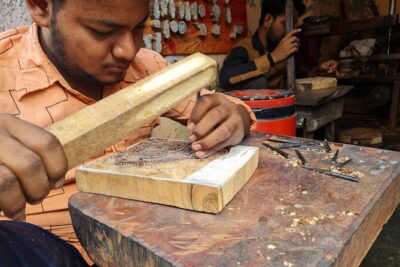
You’ll also get a local guide who can help you read what you’re seeing, not just point. I like that the schedule includes a sunset at Nahargarh Fort and a hands-on hand block printing art session, which makes the trip feel more than checkboxes. The main drawback is pacing: Day 1 and Day 2 run about 8 hours each, so it’s a lot of movement in a short window.
In This Review
- Key Highlights You’ll Actually Notice
- Why This Jaipur-And-Pushkar Plan Works So Well
- Day 1: From Galtaji Monkeys to Nahargarh Sunset
- Galtaji (Monkey Temple) in a Rough Valley
- Albert Hall Museum for a Real Sense of Jaipur
- Patrika Gate: A Quick Color Stop
- Royal Gaitor Tumbas: Royal Memorials With a Quiet Tone
- Nahargarh Fort: The Sunset Moment
- Evening Drive Around Jaipur District Markets
- Day 2: Stepwell, Palaces, Hawa Mahal, and an Old Jaipur Walk
- Panna Meena ka Kund: Stepwell With a Cooling Calm
- Jal Mahal: A Roadside Look, Not a Deep Visit
- City Palace: Courtyards and Facades Up Close
- Hawa Mahal: The Palace of Wind
- Jantar Mantar: Astronomy Made of Stone
- Swargasuli Tower: A Smaller Pause
- Lassi Stop: Lassiwala Kishan Lal Govind Narain Agarwal
- Jagat Shiromani Ji Temple: A Calm Courtyard Moment
- Old Jaipur Walking Tour: Street-Level Jaipur
- Day 3: Ajmer Dargah to Pushkar Ghats and Brahma Temple
- Khwaja Gharib Nawaz Dargah Sharif: Start Early for More
- Pushkar: A Desert-Edge Town With a Special Mood
- Brahma Temple: The One Temple Devoted to Brahma
- Pushkar Lake and Ghats: Four Hours of Daily Life
- Shree Savitri Mata Mandir: Hilltop Views and a Ropeway Option
- Comfort, Timing, and How to Avoid Planning Headaches
- Price and Value: What $128.82 Buys You Here
- Who This Tour Fits Best (And Who Might Want Something Different)
- Should You Book This Jaipur and Pushkar Private Tour?
- FAQ
- What is included in the tour price?
- Are admission tickets included?
- How long is the tour?
- Is there a day trip outside Jaipur?
- What are the major highlights in Jaipur?
- What happens in Pushkar on Day 3?
- Is lassi included?
- Does the tour include a hand block printing session?
- What is the cancellation policy?
Key Highlights You’ll Actually Notice
- Private guide + AC car: You avoid the stress of navigation and heat while still seeing a lot.
- Nahargarh Fort sunset: A perfect payoff moment after a day of palaces and museums.
- Panna Meena ka Kund: A stepwell stop that adds texture beyond the usual forts and gates.
- Old Jaipur walking tour: Time on foot in historic streets, not just from the bus window.
- Ajmer dargah + Pushkar Brahma Temple: Faith sites that feel different from Jaipur’s palace-heavy vibe.
- Hand block printing session: A creative stop that ties into Rajasthan’s craft tradition.
Why This Jaipur-And-Pushkar Plan Works So Well
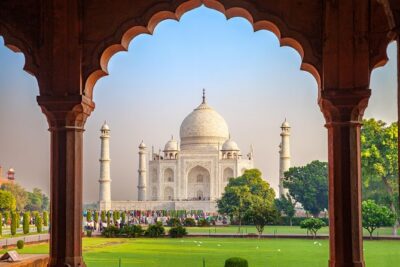
This tour is built for travelers who want the big names in Jaipur, but also want the “how life works here” feeling. You’ll see the major monuments people come for, then you’ll get a guided layer that explains why they were designed the way they were—especially around the royal architecture and the astronomy at Jantar Mantar.
The other thing I like: it’s private. That means your guide can adjust around your group’s energy, and you’re not stuck watching other people’s photos while you wait. Hotel pickup and drop-off each day also matters here. Jaipur’s sights are spread out, and you don’t want to waste precious daylight figuring out local transport.
The day trip to Ajmer and Pushkar is where the itinerary really turns from palace-and-fort mode into something more spiritual and slower. You spend time at Khwaja Gharib Nawaz Dargah Sharif, then you move into Pushkar’s temple and lakeside walking atmosphere—exactly the kind of change of pace that makes 3 days feel like a full mini-journey.
You can also read our reviews of more city tours in Jaipur

Day 1: From Galtaji Monkeys to Nahargarh Sunset
Day 1 gives you a strong first hit of Jaipur culture, and it does it in a smart order: temple energy, museum context, city landmarks, royal tombs, then sunset.
Galtaji (Monkey Temple) in a Rough Valley
You start at an 18th-century temple complex called Galtaji (often nicknamed the Monkey Temple). It’s set between rocky bluffs in a rough valley, so the setting feels more dramatic than most city temples. The monkeys are not props—you’ll see plenty living there day to day.
Practical note: keep a close eye on bags and loose items. You’re sharing the space with animals that are used to human visitors.
Albert Hall Museum for a Real Sense of Jaipur
Next is the Albert Hall Museum. Even if you’re not a “museum person,” this stop helps you understand Jaipur beyond the forts. A museum visit here works like a bridge: you go from street-level temples to a more organized picture of art, design, and the city’s cultural identity.
This also gives your legs a short reset. Forty minutes is enough time to see the main highlights without turning the day into a long indoor slog.
Patrika Gate: A Quick Color Stop
Patrika Gate is short and sweet—about half an hour—and it’s worth it if you like photo stops that feel creative instead of purely historical. It’s also free, so it’s low-pressure.
You can also read our reviews of more private tours in Jaipur




Royal Gaitor Tumbas: Royal Memorials With a Quiet Tone
Royal Gaitor Tumbas bring you back to history, but in a different mood than City Palace. The tone is more reflective—like a resting place rather than an active palace scene. With about 30 minutes, you can see the key structures without turning it into a marathon.
Nahargarh Fort: The Sunset Moment
Then comes the payoff: Nahargarh Fort, with time to enjoy the view and watch the sky change. The itinerary specifically sets aside about 1 hour 30 minutes here. That’s enough to get oriented, walk around, and still make it for golden-hour light.
This is one of those “you’ll remember the feeling” moments. After a day of stone monuments, the sunset adds atmosphere and makes the city look closer and more connected.
Evening Drive Around Jaipur District Markets
You finish with a drive around the city as lights come on, plus a walk in local markets. This part isn’t about major monuments—it’s about letting Jaipur feel like a living city at night. It’s also free, which helps you keep the budget under control.
Day 2: Stepwell, Palaces, Hawa Mahal, and an Old Jaipur Walk
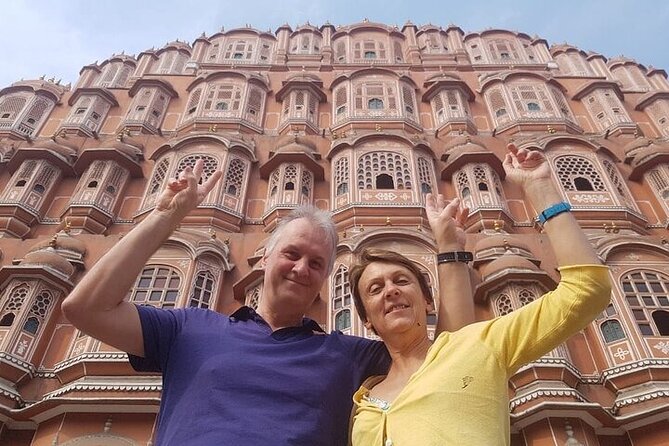
Day 2 is your classic Jaipur day, but it’s not only the postcard stuff. You get Panna Meena ka Kund, Jal Mahal as a roadside view, City Palace courtyards, Hawa Mahal, Jantar Mantar, and then a walking tour in old Jaipur streets.
Panna Meena ka Kund: Stepwell With a Cooling Calm
Panna Meena ka Kund is a stepwell stop, and it works because it’s a break from towering walls and busy gates. You’ll spend about 30 minutes here, and it’s free.
Even if you’re not sure what to look for at first, a stepwell tells a story about how people managed water and built for community life. The structure itself gives you something to notice: steps, angles, and the sense of a space designed for long stays.
Jal Mahal: A Roadside Look, Not a Deep Visit
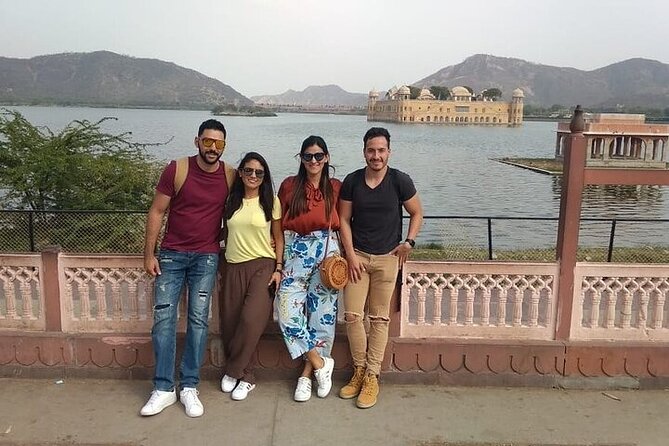
Jal Mahal is next, but the tour notes it’s off-limits to the public, so you’re getting a roadside view. Expect this to be more of a quick architectural glance than a full exploration.
If you prefer hands-on stops over viewing-from-outside, keep that in mind. It’s still useful because it sets up the next theme: Jaipur’s architecture can look dramatic from a distance.
City Palace: Courtyards and Facades Up Close
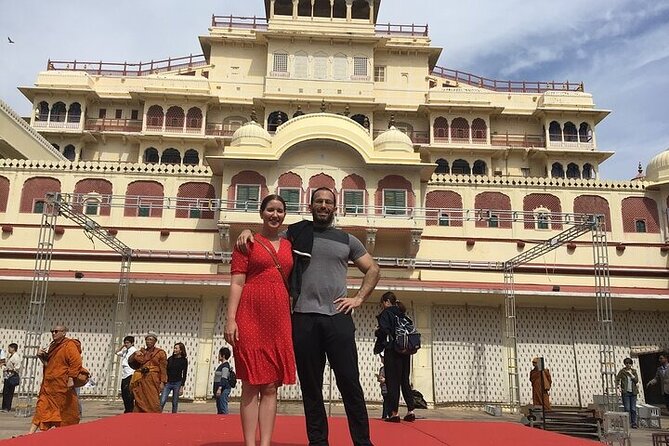
City Palace is a major stop and takes about 1 hour 30 minutes. You’ll focus on key parts like Mubarak Mahal Courtyard and Pritam Chowk Courtyard, with archways and big facades shaping the experience.
This is one of the best places to understand Jaipur as a living royal center, not only as an Instagram set. If you’re the type who likes how buildings reflect power and everyday court life, you’ll probably enjoy this.
Hawa Mahal: The Palace of Wind
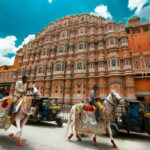
Hawa Mahal (Palace of Wind) is the iconic facade moment—about 30 minutes. You’ll learn that the design isn’t random; it carries symbolic and functional ideas tied to how people moved through spaces and how privacy and observation could coexist.
This stop is tight by design. It’s best treated like a viewing and photo moment plus a quick interpretation with your guide, not a long wander.
Jantar Mantar: Astronomy Made of Stone
Jantar Mantar takes about 30 minutes and is where Jaipur shifts from royal design to scientific heritage. These instruments are massive and geometric, and they feel surprisingly hands-on once you know what they’re for.
If you like science, measurement, or just unusual artifacts, this is a satisfying stop. If you’re tired of standing and looking, ask your guide to point out how the instruments relate to time and the sky—one good explanation makes the whole place click.
Swargasuli Tower: A Smaller Pause
Swargasuli Tower is listed as another about-30-minute stop. This is more of a quiet complement to the headline sites. You might use this time to slow down a little, refocus, and save your energy for the walking tour later.
Lassi Stop: Lassiwala Kishan Lal Govind Narain Agarwal
Yes, there’s a lassi break, and the tour includes a taste. The stop is specifically at Lassiwala Kishan Lal Govind Narain Agarwal. It’s around 15 minutes and marked as included.
This is practical travel value: Jaipur heat can drain you fast, and dairy-based drinks help you recover between monuments.
Jagat Shiromani Ji Temple: A Calm Courtyard Moment
Next is Jagat Shiromani Ji Temple, about 30 minutes and free. It’s described as tranquil, with a courtyard that feels like a pause from the city’s motion.
Even if you’re not religious, these moments can be grounding. They give you a sense of what locals do in the same spaces you’re photographing.
Old Jaipur Walking Tour: Street-Level Jaipur
Day 2 ends with a walking tour of old Jaipur, about 1 hour 30 minutes. This is free and often where the city feels most real. You’ll pass through historic streets and encounter courtyards and havelis that don’t always show up in quick bus itineraries.
The biggest benefit is pacing: walking lets your guide slow down explanations, and it helps you notice details you’d miss from a vehicle. Wear comfortable shoes. Jaipur sidewalks can be uneven, and you’ll want your feet to handle it.
Day 3: Ajmer Dargah to Pushkar Ghats and Brahma Temple
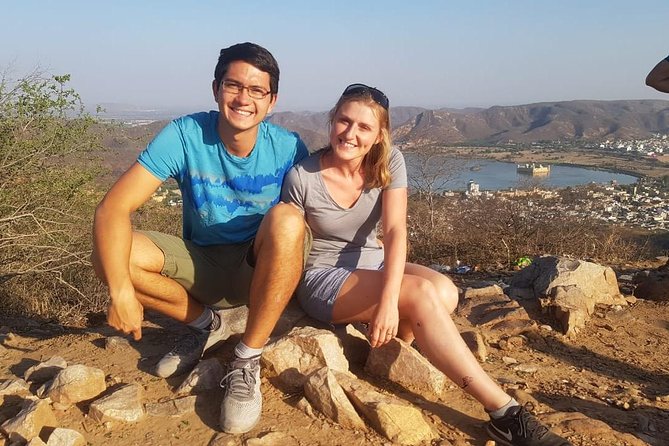
Day 3 is the change of scenery you’re booking the tour for: Ajmer’s Sufi shrine energy and Pushkar’s sacred lake atmosphere.
Khwaja Gharib Nawaz Dargah Sharif: Start Early for More
You begin at Khwaja Gharib Nawaz Dargah Sharif in Ajmer, with a note that starting early helps you see more. The visit time is about 45 minutes and marked free.
This kind of place has a different rhythm from palace sites. You’ll likely notice how faith, devotion, and daily movement blend into one flow. If you come in with flexible expectations, you’ll get a better experience.
Pushkar: A Desert-Edge Town With a Special Mood
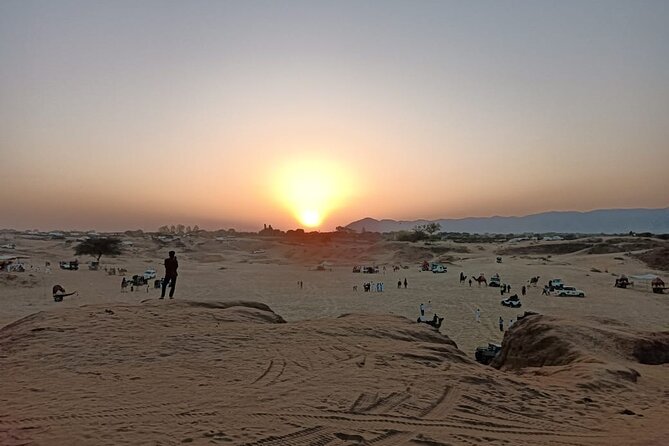
Then it’s a quick drive to Pushkar, about 15 minutes. Pushkar is described as an enchanting small town on the edge of the desert, separated by Nag Pahar (Snake Mountain).
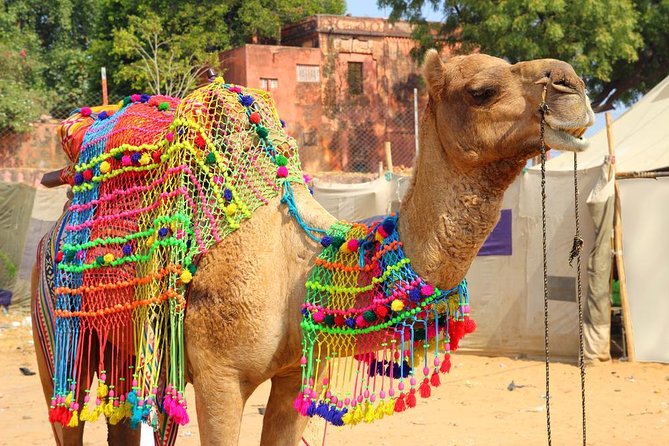
Even at the “getting oriented” stage, Pushkar feels like a different chapter than Jaipur. It’s smaller, more walkable, and more centered around religious life and water.
Brahma Temple: The One Temple Devoted to Brahma
Pushkar’s Brahma Temple is a signature stop, about 1 hour and free. It’s described as the only temple dedicated to Brahma worldwide, and completing a Hindu pilgrimage is believed to involve bathing in Pushkar’s sacred waters.
You don’t need to follow the same religious path to appreciate the place. The key is to respect how the space is used and to follow your guide’s pacing so you’re not blocking anyone’s movement or ceremony.
Pushkar Lake and Ghats: Four Hours of Daily Life
Pushkar Lake is where you spend the longest stretch: about 4 hours for a walking tour of ghats, markets, and everyday scenes. Everything here is free.
This is also where your senses will get overloaded in the best way. You’ll see layered activity along the water: people coming for ritual moments, others just living their day, and markets running beside it all. If you prefer structured sightseeing, you’ll still have your guide to keep it from turning into wandering.
Shree Savitri Mata Mandir: Hilltop Views and a Ropeway Option
The Savitri Mata Mandir stop is about 45 minutes and listed as included. It sits on a hillock about 3 kilometers from Pushkar, with construction dated to 1687 CE.
The tour also specifically points you to the Savitri Mata Ropeway. Since the information doesn’t clearly state that the ropeway ride itself is included, I’d treat the ropeway as an option you can decide on once you’re there, depending on how you feel and what’s available.
Comfort, Timing, and How to Avoid Planning Headaches
Because this is a private car tour with hotel pickup and drop-off, logistics don’t eat your day. Transfers and sightseeing are handled by a private air-conditioned car each day, with parking and fuel included.
You also get bottled water plus snacks, cookies, and soft drinks in the car. That sounds minor until you’re halfway through a hot day with a packed schedule. It helps you keep going without constantly hunting for food and drinks.
Timing-wise: Day 1 and Day 2 run about 8 hours each, shaped by monument operating hours up to sunset. Day 3 runs longer because Pushkar activities take time, especially the lake-and-ghats portion.
One practical consideration: the tour says it helps you skip long ticket lines, but entry tickets are not included. Your guide can assist with buying and timing, but you’ll still want to budget for on-site admissions and any optional fees (like camera/video charges at monuments, if applicable).
Price and Value: What $128.82 Buys You Here
At $128.82 per person for a 3-day private tour, the value is really about what’s included versus what you’ll likely pay separately.
Included:
- Hotel pickup and drop-off every day
- Private air-conditioned car for transfers and sightseeing
- English-speaking private guide service
- Bottled water and snacks in the car
- Lassi included
- Hand block printing art session
- Parking and gasoline
- Skip-the-line support for tickets
Not included:
- Entry tickets at monuments (your guide helps with this)
- Accommodation and meals
- Tips for driver and guide
- Insurance/emergency/medical costs
- Possible camera/video fees at monuments
If you’re comparing to a DIY route, you’re paying for two big things: an experienced guide and the comfort of a private vehicle through peak traffic and long distances. If you’re traveling with family, want someone to handle ticket timing, or you hate the stress of figuring out where to go next, that’s where this price makes sense.
If you’re on a strict budget and plan to only pay for a few sites, a private tour may feel expensive because the schedule includes many stops. In that case, you may prefer a more minimal itinerary or be ready to skip optional ticketed sights.
Who This Tour Fits Best (And Who Might Want Something Different)
This works well for:
- First-time visitors to Jaipur who want the major monuments plus context
- Travelers who value private pacing and an English-speaking guide
- People who like mixing architecture with a little science (Jantar Mantar) and a cultural craft stop (block printing)
- Travelers who want a real change on Day 3: Ajmer shrine energy and Pushkar ghats walking
It may not fit as well if:
- You dislike early starts. Day 3 is better with an early start for the Ajmer shrine.
- You want a relaxed, slow sightseeing style. Day 1 and Day 2 are packed into roughly 8 hours each.
- You prefer all-inclusive pricing. Admissions and optional fees aren’t included, so you’ll want to budget for them.
If you’re flexible and you like variety, this tour’s structure makes sense: royal Jaipur by day, then faith and lakeside life by day three.
Should You Book This Jaipur and Pushkar Private Tour?
I’d book it if you want a guided, comfortable way to hit the top Jaipur sights without turning your trip into route-planning work. The private car, English guide, lassi stop, block printing session, and the sunset payoff at Nahargarh make the experience feel planned rather than improvised.
I’d think twice if you’re allergic to paying on-site admissions or if your group wants fewer stops and more downtime. The itinerary is active, and while the guide can help pace things, it’s still a full three days.
One useful tip: ask your guide how they plan the ticketed stops day by day. With skip-the-line help, you can reduce waiting, but your choices (and any camera fees) still affect the total day cost.
If you’re aiming for the best balance of major monuments, street-level texture, and a meaningful Day 3 to Pushkar, this is a strong match.
FAQ
What is included in the tour price?
Hotel pickup and drop-off every day, a private air-conditioned car for transfers and sightseeing, an English-speaking private tour guide, parking and gasoline, bottled water, cookies and snacks (plus soft drinks in the car), a lassi stop, and a hand block printing art session. Entry tickets and meals are not included.
Are admission tickets included?
Entry tickets are not included. Your guide can help you skip long ticket lines to buy the tickets.
How long is the tour?
It’s a 3-day private tour. Day 1 and Day 2 run about 8 hours each, depending on monument operational timings until sunset.
Is there a day trip outside Jaipur?
Yes. Day 3 includes a day trip to Ajmer and Pushkar.
What are the major highlights in Jaipur?
Key stops include Galtaji (Monkey Temple), Albert Hall Museum, Patrika Gate, Royal Gaitor Tumbas, Nahargarh Fort (sunset), Panna Meena ka Kund, City Palace, Hawa Mahal, Jantar Mantar, and an old Jaipur walking tour.
What happens in Pushkar on Day 3?
You’ll visit the Brahma Temple, then spend about 4 hours on a walking tour around Pushkar Lake and the ghats, plus a visit to Shree Savitri Mata Mandir (about 45 minutes).
Is lassi included?
Yes. Lassi is included as part of Day 2, at Lassiwala Kishan Lal Govind Narain Agarwal.
Does the tour include a hand block printing session?
Yes. A hand block printing art session is included.
What is the cancellation policy?
You can cancel for free up to 24 hours before the experience start time for a full refund. If you cancel less than 24 hours before, the amount paid is not refunded.