REVIEW · JAIPUR WILDLIFE SAFARIS
Jaipur: Jhalana Amagarh Leopard Safari Park Guided Tour
Book on GetYourGuide →Operated by Parikshit Tour and travels · Bookable on GetYourGuide
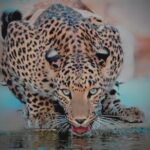
A leopard sighting can happen fast in Jaipur. This guided safari in the Jhalana Amagarh reserve gives you a real shot at seeing big cats in open habitat, plus a guided read on the local wildlife. I like the fact that the park is designed around conservation and education, not just rides past animals in cages. I also like that the area is large enough to feel like you’re in a functioning reserve. One possible drawback: leopard sightings are not guaranteed, and if they don’t show up, you should expect no refund.
You’re visiting Jhalana Amagarh Leopard Safari Park, managed by the Government Forest Department, and operated as a non-profit wildlife park focused on animals living in wide open spaces. The park covers 23 square kilometers in the Aravalli hills near the Jaipur city area, right closer to the airport than you might expect. The safari runs for about 2 to 2.5 hours, and you travel in a shared safari vehicle with a live English guide.
One more practical heads-up: the safari drive can be bumpy. A past booking from Austria even joked that you probably don’t want to eat too much beforehand, because the roads were rough. If you’re sensitive to jolts, or you have back issues, this may not be the best match.
In This Review
- Quick takeaways before you go
- Jhalana Amagarh Leopard Safari: What You’re Actually Booking Near Jaipur
- 23 Square Kilometers in the Aravalli: The Value of the Big Space
- The 2 to 2.5 Hour Safari Loop: How to Set Expectations
- What Wildlife You Can Look For Besides Leopards
- Your Guide and the Safari Vehicle: Comfort, Skills, and Real-World Viewing
- How to Improve Your Chances: Clothing, Binoculars, and Camera Rules
- Price and Value: Is $36 Worth the Leopard Gamble?
- A note on options
- Logistics That Matter: Timing Shifts, Passport Entry, Weather Limits
- Who This Safari Fits Best (and Who Should Skip It)
- Should You Book the Jhalana Amagarh Leopard Safari?
- FAQ
- Where does the safari start?
- How long is the Jaipur Jhalana Amagarh leopard safari?
- What animals might I see besides leopards?
- How many leopards are in the park, and how many are in the tourism area?
- Is a leopard sighting guaranteed?
- Can I take a camera, and can I use flash?
- What should I wear and what should I bring?
- Do I need to provide my passport for entry?
- Is this safari suitable for young children or everyone?
Quick takeaways before you go
- Leopard odds are real, but not guaranteed: the park has 30–35 leopards, with 6–7 in the tourism area at any time.
- You’re in a 23 sq km reserve: it’s big enough that wildlife feels like it has room to move.
- More than just cats: you can spot jackals, nilgai, hyenas, jungle cats, and peacocks along the way.
- Binoculars help a lot: bring them for better wildlife viewing, especially for distant sightings.
- The ride may be bumpy: plan for road jolts and keep expectations realistic.
Jhalana Amagarh Leopard Safari: What You’re Actually Booking Near Jaipur
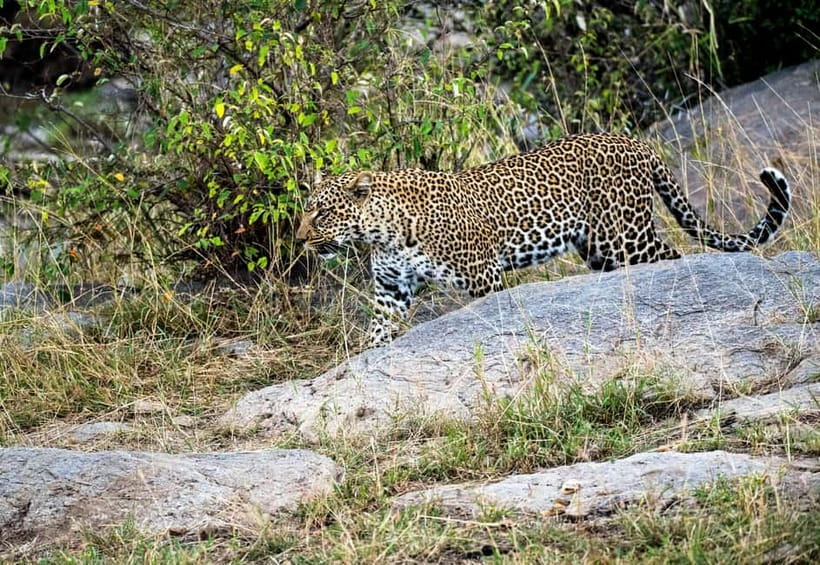
This is a guided leopard safari built around one core idea: leopards live here, so you go where they live and you look. Jhalana Amagarh was once a reserve forest around Jaipur, and it still functions as habitat for wildlife including spotted deer and blue bulls, plus wild boars and many resident and migratory birds.
The park is also positioned as a conservation and education space. You’re not just buying an animal sighting. You’re paying for access to a protected, managed area where a guide can help you interpret what you’re seeing, like tracks, habitat, and the kinds of species that share this space with leopards.
And the location matters. This is one of those Jaipur-area wildlife options that feels surprisingly close to the city. You start at Amagarh Leopard Reserve, tour inside the safari park, then return to the same starting point.
You can also read our reviews of more guided tours in Jaipur
23 Square Kilometers in the Aravalli: The Value of the Big Space
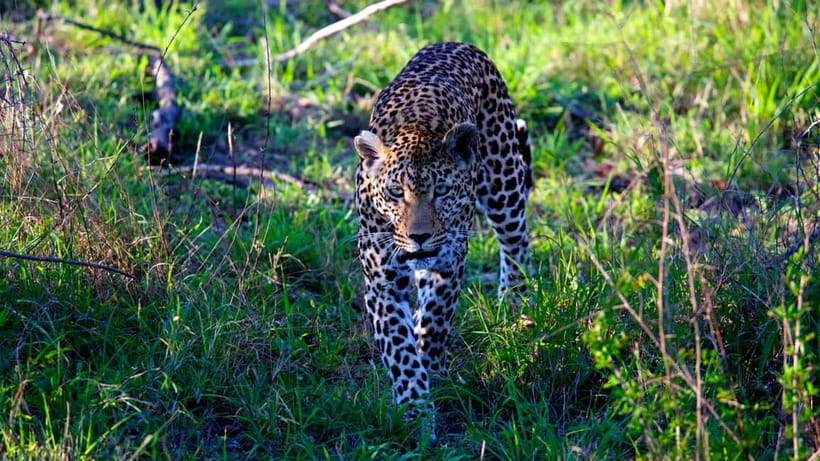
A lot of wildlife experiences fail because the area feels tiny. Here, the park is 23 square kilometers, which changes the whole experience. Even in 2.5 hours, there’s room for different sightings in different pockets of the reserve forest.
The park also hosts over 500 animals representing their wild counterparts. That doesn’t mean you’ll see all of them, obviously. But it does mean you’re not relying on one species or one tiny viewing point. You’re scanning for movement across plants, open ground, and different terrain patterns you’ll notice as you travel.
One of the most useful details is the leopard distribution. The park holds 30–35 leopards, but only 6–7 have territory in the tourism zone at any given time. That’s why the safari is about chance plus timing plus how your route lines up that day.
The 2 to 2.5 Hour Safari Loop: How to Set Expectations
Your safari window is typically 2 to 2.5 hours, and the exact start time can shift by 1 to 2 hours depending on season. Plan your day with flexibility. If you’re the type who hates waiting around, this is the kind of tour that can test your patience.
Also, the tour is built around routes that depend on availability. That matters because if your route is shorter or more repetitive than what you hoped for, your opportunity to find fresh sightings can shrink. One past booking described time spent going in circles and seeing the same areas multiple times. Another described a positive overall experience even without leopard sightings.
The practical lesson: treat this as a guided search mission. You’ll get the guide’s help, but you’re not guaranteed a big-cat “photo moment” on a schedule.
What Wildlife You Can Look For Besides Leopards
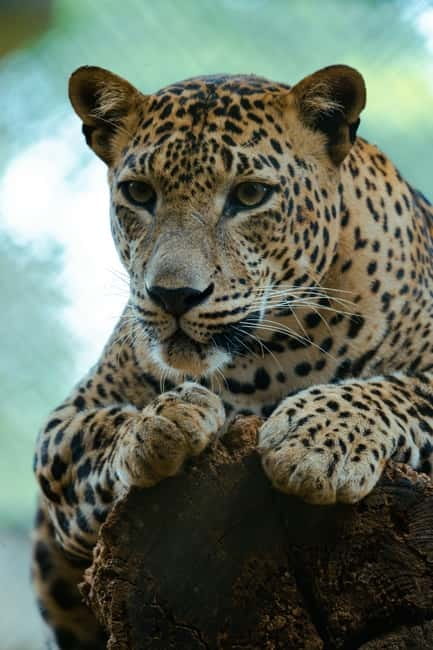
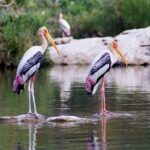
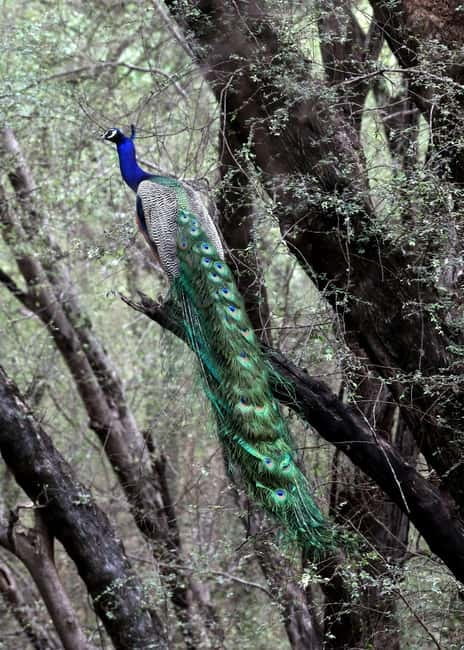
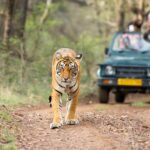
Leopards are the headline, but the park gives you plenty of other things to watch for. In addition to leopards, you may see jackals, nilgai (blue bull), hyenas, jungle cats, and peacocks. The park’s broader wildlife includes smaller fauna like spotted deer, wild boars, and a mix of resident and migratory birds.
If you go in expecting only leopards, you might feel disappointed even when you’re seeing plenty of life. If you go in ready to appreciate the variety—birds calling, tracks in the edges, deer moving through cover—you’ll get more out of the same time.
One booking described a strong emphasis on peacocks and a few deer, with leopards arriving late and then only partially visible at a distance behind trees. That’s a good reminder that animal viewing in a reserve is often about patience, not instant thrills.
Your Guide and the Safari Vehicle: Comfort, Skills, and Real-World Viewing
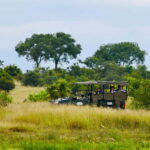
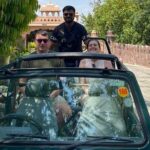
You’ll travel in a sharing safari vehicle, guided by a live English guide. That’s important because the park is a working reserve, not a theme park. A good guide helps you read what you’re seeing quickly: where animals might pause, which areas tend to produce sightings, and how to keep noise and movement low so animals stay where they are.
In at least one positive experience, the driving and local wildlife understanding were praised. That’s a sign this tour can be more than just transport. The vehicle route and how it’s handled affect your viewing chances, especially when wildlife is near cover.
Now for the comfort reality: expect a bumpy drive. That same Austria booking mentioned rough roads and suggested not eating too much right before you go. So if you’re prone to motion sickness, bring your own solution and plan ahead.
And keep the rules in mind: smoking isn’t allowed, and quiet behavior increases your odds. In a reserve, noise travels fast.
You can also read our reviews of more tours and experiences in Jaipur
How to Improve Your Chances: Clothing, Binoculars, and Camera Rules
This safari experience comes with clear tips, and they’re not random. They’re about blending in and staying animal-friendly.
Wear comfortable, neutral-colored clothing so you don’t stand out. Bring binoculars for better wildlife viewing—especially since some sightings may be distant. A camera is allowed, but avoid flash photography to prevent disturbing the animals.
Also, keep noise to a minimum. That includes talking loudly, unnecessary calls, and anything that makes you feel like you’re at a stadium. If you do get a sighting, you want the vehicle to pause long enough for you to see it clearly—without turning it into a commotion.
Finally, keep your expectations flexible about leopard timing. One described leopard spotting happening only after a call and a scramble to the scene, with the leopard barely visible behind trees and surrounded by other safari cars. That’s wildlife watching: sometimes the action hits late, and sometimes it’s brief.
Price and Value: Is $36 Worth the Leopard Gamble?
At $36 per person for a roughly 2.5-hour guided safari, the value depends on what you want from the experience.
If you want a cheap, high-energy wildlife outing close to Jaipur, this hits a sweet spot. You’re getting guided interpretation, entry to a managed reserve park, and transportation in a safari vehicle. You’re also seeing a large protected area with 500+ animals potentially in the mix.
But here’s the honest part: this is not a guaranteed leopard show. The policy is straightforward—money isn’t refunded if leopards aren’t seen. That means you should treat the leopard sighting as a bonus rather than a promised outcome.
There’s also the matter of non-Indian pricing mentioned in one complaint. That’s a reminder to double-check what you’re paying and what’s included on your specific booking. That same booking also raised an issue about being asked to cover a share for someone who didn’t arrive, which is the kind of detail that can feel unfair if you’re not told clearly up front. When you book, it’s smart to confirm how sharing costs are handled for your exact option.
A note on options
Depending on availability, you may choose a private leopard safari option. Some packages include hotel pick-up and drop-off by AC car. If you’re traveling with mobility needs or just want less sharing, the private option can be worth it—if your budget allows.
Logistics That Matter: Timing Shifts, Passport Entry, Weather Limits
A few behind-the-scenes items can affect your day.
Safari start times can shift by 1 to 2 hours with the season. The safari itself may be unable to take place due to bad weather, and in that case, money won’t be refunded if the safari can’t happen. So plan backups in your itinerary.
You’ll also be asked to send your passport for park entry after booking, via WhatsApp or email. Do this promptly so you don’t run into last-minute delays.
You’ll get skip-the-ticket-line entry, plus a live English guide. That saves time, especially if you’re trying to fit this into a busy Jaipur schedule.
Who This Safari Fits Best (and Who Should Skip It)
This safari is a good fit if:
- you’re excited by real reserve watching, not guaranteed zoo-style viewing
- you can handle the suspense of wildlife timing
- you’re okay with a bumpy safari vehicle ride
- you want a guided explanation of the leopards and other species in the area
It’s not suitable for:
- children under 8
- pregnant women
- people with back problems
So if you’re traveling with a family, plan accordingly. This isn’t built as a stroller-friendly outing.
Should You Book the Jhalana Amagarh Leopard Safari?
Book it if you want a guided chance at leopards close to Jaipur, in a real reserve area that’s large enough to feel like habitat. At $36 and around 2.5 hours, it’s a solid option for people who like wildlife watching and can handle uncertainty.
Skip or think twice if leopard sightings are a must-have for you. The park explicitly operates with no refund if leopards aren’t seen, and sometimes sightings are distant or brief. Also, if rough roads would ruin the day, plan for that.
My practical call: if you go with a wildlife-watching mindset—neutral clothes, binoculars ready, quiet behavior—this safari can be a memorable Jaipur add-on. If you need guaranteed big-cat moments or maximum comfort, look for a different kind of experience.
FAQ
Where does the safari start?
The safari starts at Amagarh Leopard Reserve, and you return there after the tour.
How long is the Jaipur Jhalana Amagarh leopard safari?
The safari lasts about 2 to 2.5 hours, with the listed duration commonly around 2.5 hours.
What animals might I see besides leopards?
You might see jackals, nilgai, hyenas, jungle cats, and peacocks, along with other wildlife in the park.
How many leopards are in the park, and how many are in the tourism area?
The park has about 30–35 leopards. Around 6–7 leopards have territory in the tourism area.
Is a leopard sighting guaranteed?
No. There is no refund if leopards are not seen.
Can I take a camera, and can I use flash?
A camera is allowed, but you should avoid flash photography to avoid disturbing the animals.
What should I wear and what should I bring?
Wear comfortable, neutral-colored clothing to blend in. Bring binoculars for better wildlife viewing.
Do I need to provide my passport for entry?
Yes. After booking, you’ll need to send your passport for park entry via WhatsApp or email.
Is this safari suitable for young children or everyone?
No. It’s not suitable for children under 8 years old, pregnant women, or people with back problems. Smoking is also not allowed.