REVIEW · JAIPUR WILDLIFE SAFARIS
Jaipur: Private Jhalana Leopard Safari Tour
Book on GetYourGuide →Operated by World Of Wilders · Bookable on GetYourGuide
A leopard safari in India is never routine. This one in Jaipur’s Jhalana Leopard Reserve is built around quiet scouting, a real 4×4 off-road drive, and a guide who explains what you’re seeing while you search for the elusive big cat.
What I like most: you’re not only chasing the leopard, you’re also in for plenty of other sightings like hyenas, desert foxes, and blue bulls—and the reserve’s biodiversity is serious, with 21 mammal species and 172 bird species. I also appreciate the conservation angle tied to Rajasthan’s first project leopard site and the dedicated leopard conservancy reserve.
One consideration: leopard spotting can take time, and the safari runs rain or shine, so bring patience (and comfortable off-road shoes).
In This Review
- Key takeaways before you go
- Jhalana Leopard Reserve: why this Jaipur safari feels different
- The 4×4 ride and reserve rules: how to get better sightings
- Your 2.5-hour flow: meeting point to leopard search
- What animals you may spot besides the leopard
- The conservation story behind the sightings
- Price and value: what $206 per group buys you
- What to bring: simple gear that matters in the reserve
- What’s not allowed (and why it helps wildlife)
- Guide style and photo moments: getting more than just sightings
- Who should book this safari, and who should skip it
- Should you book the Jaipur Jhalana Leopard Safari Tour?
- FAQ
- How long is the Jaipur Jhalana Leopard Safari Tour?
- What is the price for this private safari?
- Is this safari private or shared?
- Where do I meet for the safari?
- What animals can I expect to see?
- Is the host/guide language English?
- What should I bring?
- What is not allowed during the safari?
- Who is this safari not suitable for?
- What happens if it rains?
Key takeaways before you go
- 4×4 safari in Jhalana: Your ride matters here—this is an off-roading style reserve experience, not a simple city park loop.
- The leopard is the main target: You’re hunting for one of the most elusive cats in the world, in its natural habitat.
- Plenty of wildlife even if the leopard waits: Expect a chance at hyenas, desert foxes, blue bulls, Hanuman langurs, and spotted deer.
- Biodiversity is the real story: The reserve supports 21 mammal species, 172 birds, and 17 reptiles, plus rare tree species.
- Smaller feel thanks to limited jeeps: There are fewer jeeps in the park than you might expect, which keeps the outing from feeling overly touristic.
- Guide-led search beats guessing: You’ll get tips on how to spot wildlife, and you can ask questions during the safari—Rohit is one example of a guide who brings the reserve to life.
Jhalana Leopard Reserve: why this Jaipur safari feels different
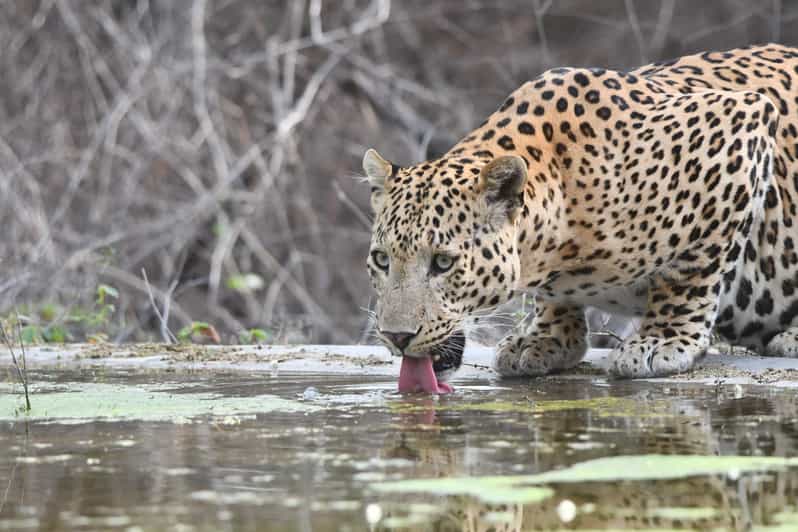
Jaipur has a reputation for forts, palaces, and crowds. This safari is a change of pace: an outing where you trade honking streets for a wildlife reserve that sits close enough to the city that it feels like an urban jungle with serious animals inside it.
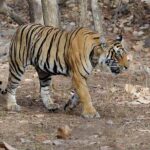
The big draw is simple. You’re in Jhalana Leopard Reserve, and the goal is to spot leopards in their own habitat. But the experience isn’t only about seeing one cat. The reserve supports a broad mix of wildlife—mammals, birds, and reptiles—so the safari can still be rewarding even when the leopard doesn’t show up immediately.
What makes this reserve especially interesting for you is the conservation context. This is Rajasthan’s first project leopard site, and it’s the only conservancy reserve in India dedicated specifically to leopards. That matters because it changes the vibe from casual sightseeing to something more purposeful: the animals aren’t just entertainment; they’re the reason the reserve exists.
You can also read our reviews of more private tours in Jaipur
The 4×4 ride and reserve rules: how to get better sightings
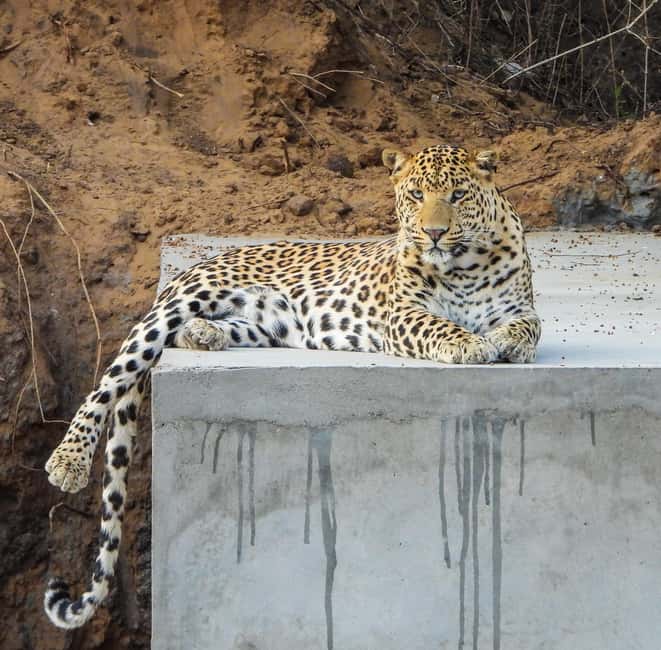
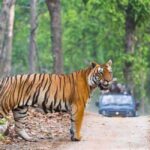
This tour runs on a 4×4 safari vehicle approach, and that’s important. Off-road driving helps the guide reach vantage areas and track animal movement patterns without turning the outing into a slow, predictable drive.
You’ll also feel the reserve rules. The experience has a clear “wildlife first” approach, which shows up in the restrictions and in how the safari is run:
- You’re expected to stay quiet and follow the guide’s instructions.
- Flash photography isn’t allowed.
- Food and drinks aren’t allowed in the vehicle, and you shouldn’t plan to snack on the drive.
- You won’t be able to touch animals, and feeding animals is out.
If you want the best chance of leopard sightings, treat the entire safari like a field exercise. Keep your movements calm, avoid sudden camera flashes, and watch for small signs: movement at a distance, stillness shifting into motion, or birds reacting in a way that suggests something larger is nearby.
Your 2.5-hour flow: meeting point to leopard search
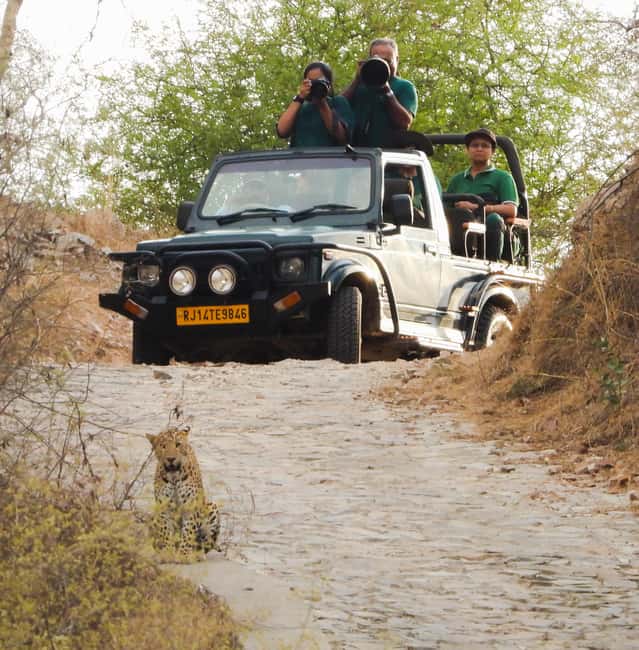
You’ll spend 2.5 hours on this safari, and the timing is built around scanning for wildlife rather than squeezing in extra stops. Here’s the practical rhythm you can expect.
First, you meet at the designated location with a point person. The meeting area is listed around the Central road (Roads End), inside the Malviya Nagar Industrial Area, Malviya Nagar, Jaipur (Rajasthan 302018). The coordinates provided are 26.855134963989258, 75.83284759521484.
On arrival, you’ll check in with the assigned person. From there, the safari starts with the kind of briefing that helps you pay attention the right way—especially for a leopard safari, where you’re looking for subtle signs. Once you’re out in the reserve, the guide keeps talking and guiding your eyes while you drive.
Then comes the part you can’t rush: the search. In one recent safari experience, it took a while before leopards appeared, but the outing stayed enjoyable because the guide kept pointing out animals and sharing facts during the wait. The driver also stopped often so you could take photos.
Finally, you’re back to the meeting area after the loop—normally without a long, extra itinerary day attached. That makes it a good “wildlife add-on” when you already have Jaipur sightseeing planned.
What animals you may spot besides the leopard
Yes, leopards are the headline. But this safari is set up so you’re not stuck waiting in silence for a single animal.
Based on what the tour specifically highlights, you should expect the possibility of:
- Leopards (the main target)
- Hyenas
- Desert foxes
- Blue bulls
- Hanuman langurs
- Spotted deer
And there’s a deeper ecological layer behind those named species. The reserve is home to 21 mammal species, 172 bird species, and 17 reptile species. That biodiversity is what keeps a leopard safari from becoming a one-bet gamble. Even when the leopard is hidden, the reserve can still feel alive—birds calling, mammals crossing, and other animals appearing unexpectedly.
A small but meaningful detail: one guide-driven experience described limited jeeps in the park. That tends to mean less competition for prime viewing spots, and it helps your group stay calmer while scanning. Less noise and less crowding can be better for wildlife and better for you.
The conservation story behind the sightings
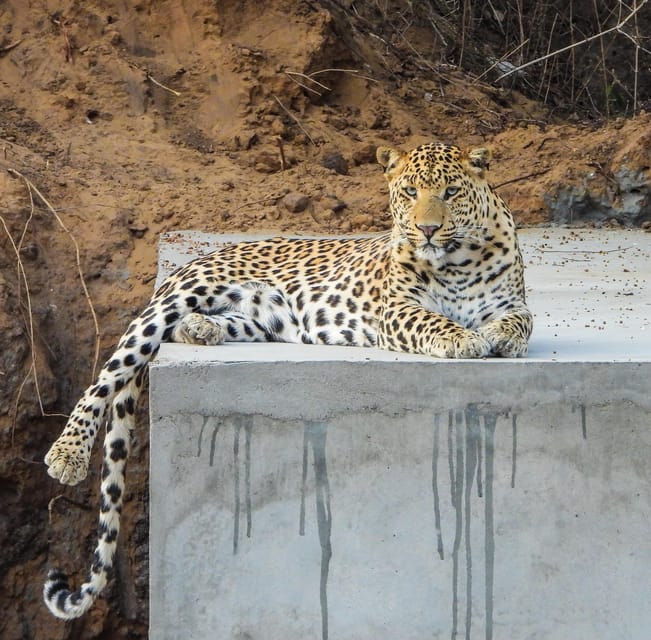
Leopards are hard to find, but in many places around the world they’re also hard to protect. That’s why this reserve’s conservation framing matters for your decision.
This safari is tied to Rajasthan’s first project leopard site and a conservancy reserve dedicated to leopards. Translation for you: the outing supports an environment designed for survival, not just temporary viewing.
You’ll also get explanations while you’re there, including conservation efforts to protect leopards. That changes the tone. Instead of only asking when the leopard will appear, you can also understand why the leopard’s presence is being monitored and protected—and what the reserve is trying to maintain (including rare tree species mentioned as part of the reserve’s ecology).
If conservation is something you care about, this safari is one of the stronger ways to connect your wildlife time to a real mission.
You can also read our reviews of more tours and experiences in Jaipur
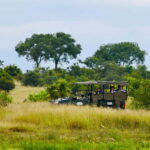
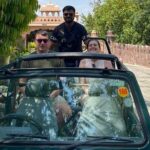
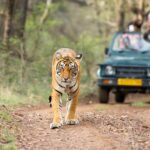
Price and value: what $206 per group buys you
The price is listed at $206 per group up to 6, for a 2.5-hour private safari.
To judge value, think about what you’re actually paying for:
- A private group experience (you’re not sharing the vehicle with strangers through an endless lineup).
- A 4×4 safari format inside a reserve designed around leopard conservation.
- Guide-led wildlife searching and interpretation (not just a driver turning a wheel).
- Time inside the habitat with the chance at multiple species, plus the reserve’s large variety of mammals, birds, and reptiles.
Is it “cheap”? No. But it’s also not priced like a luxury day tour. For many people, the best way to see the value is to compare it to the cost of multiple entry tickets plus a less structured wildlife experience elsewhere. Here, the safari structure and the guide focus are part of what you’re paying for.
If you can fill the group (up to 6), the per-person cost drops quickly. If you’re going solo or as a couple, it becomes more of a splurge. Still, with leopards involved, splurges can be worth it when you’re getting a dedicated reserve outing rather than a rushed stop.
One more practical note: the safari is not refundable, and it runs rain or shine. So you’ll want to book only when your schedule is stable and your body can handle off-road vehicle time.
What to bring: simple gear that matters in the reserve
This tour gives you a short packing list, and it’s not random. Here’s what to bring so you’re comfortable and ready to move fast with your camera.
Bring:
- A hat
- Camera (and keep in mind flash photography isn’t allowed)
- Sunscreen
- Water
- Comfortable clothes
Wear comfortable clothes and shoes suitable for off-roading. Even if you don’t love rough rides, you’ll still want shoes with grip and clothes you don’t mind getting a little dusty.
Also plan your camera habits. Since flash isn’t permitted, be ready to use available light. That usually means keeping your camera accessible, and taking photos when the guide signals a stop.
What’s not allowed (and why it helps wildlife)
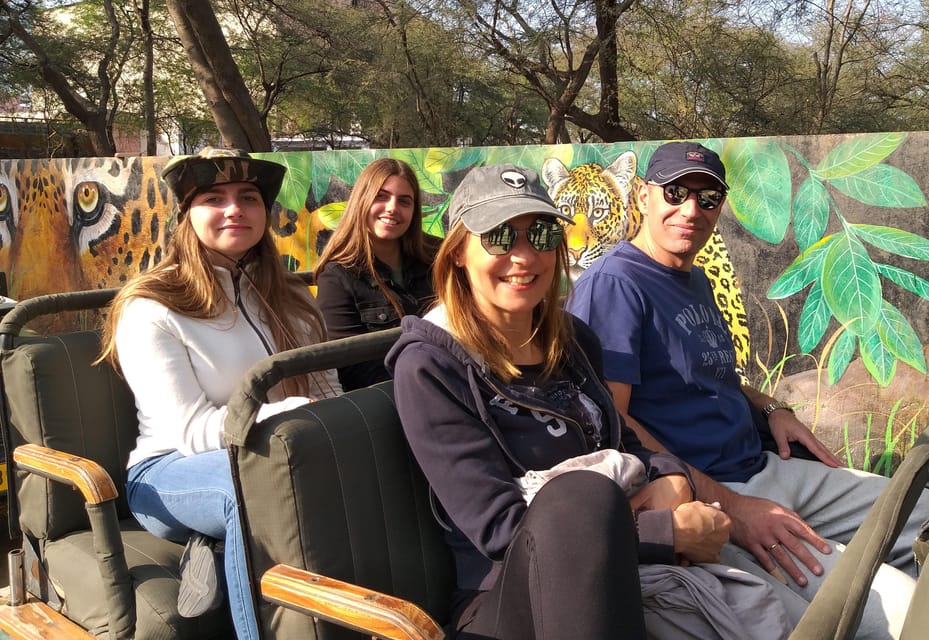
The restrictions are straightforward, but they affect your day. For example, you can’t rely on snacks or drinks during the safari, so plan water outside the vehicle schedule as needed.
Not allowed includes:
- Flash photography
- Smoking in the vehicle
- Food and drinks in the vehicle
- Touching animals
- Feeding animals
- Plastic bags and littering
- Alcoholic drinks in the vehicle
- (Also listed: pets; assistance dogs are allowed)
This is one of those cases where following rules is not just about compliance—it helps wildlife stay calm and gives the guide a smoother operation. If you’re the kind of person who gets tempted to stop for quick bites, force yourself to wait and handle food before or after the safari.
Guide style and photo moments: getting more than just sightings
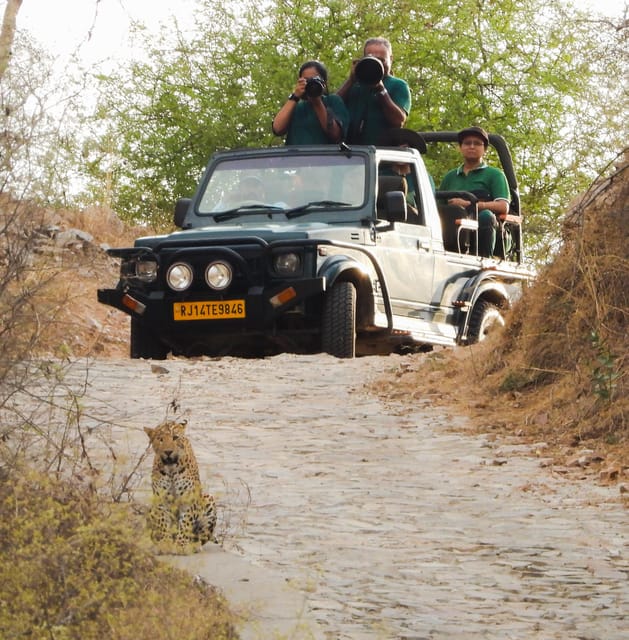
A leopard safari can feel frustrating if you’re only watching for one animal. The smartest way to enjoy it is to treat the whole drive as the experience.
In at least one recent safari, the guide Rohit knew the reserve well and explained leopard information before the safari and throughout the drive. He also handled questions and shared fun facts, which made the wait feel like part of the adventure rather than a letdown.
There was also a sweet detail: the group received photos taken by Rohit. I can’t promise every guide will do the same thing, but it’s a good sign of how some guides approach the experience—helping you take home more than blurry memories.
If you want to get the most out of your time:
- Ask questions early (you’ll get better answers when the drive is still getting underway).
- Keep your attention moving, not just stuck on a single patch of trees.
- Be ready for stop-and-shoot moments when animals appear.
Who should book this safari, and who should skip it
This tour is best for people who like wildlife, off-roading, and guided searching. It’s also a strong option if you’re short on time in Jaipur but want a genuine nature experience that isn’t another city walking loop.
It’s listed as:
- Private group
- Wheelchair accessible
- Hosted in English (English host/greeter)
But it’s also not suitable for:
- Pregnant women
- People with back problems
That last part is worth respecting. Even if the tour is called safari and not extreme sports, the vehicle time and off-road movement can be rough. If you’re deciding between this and a gentler wildlife option, listen to your body first.
Should you book the Jaipur Jhalana Leopard Safari Tour?
If your goal is a focused wildlife outing near Jaipur—with a real chance at leopard sightings and plenty of other animals to watch—this is a strong pick. I’d book it if you:
- Want a 2.5-hour private 4×4 reserve safari instead of a long day trip.
- Care about conservation context, not just the thrill.
- Can handle off-road conditions and enjoy patient wildlife searching.
I’d hesitate if:
- You’re sensitive to bumpy vehicle rides or have back issues.
- You need a strict, predictable schedule where nothing can go wrong (rain or shine is part of the deal).
- You’re going with a group that won’t fill up, since value is best when you share the group price.
Bottom line: if you want an authentic leopard-focused safari experience with guided wildlife attention in Jhalana, this one makes sense.
FAQ
How long is the Jaipur Jhalana Leopard Safari Tour?
The tour lasts 2.5 hours.
What is the price for this private safari?
It costs $206 per group, up to 6 people.
Is this safari private or shared?
It’s a private group experience.
Where do I meet for the safari?
You meet at the World Of Wilders- Jhalana Leopard Safari (and listed related safari options) near Central road (Roads End), inside Malviya Nagar Industrial Area, Malviya Nagar, Jaipur, Rajasthan 302018. Coordinates are 26.855134963989258, 75.83284759521484.
What animals can I expect to see?
The safari highlights the chance to see leopards, hyenas, desert foxes, blue bulls, plus animals like Hanuman langurs and spotted deers.
Is the host/guide language English?
Yes. The host or greeter is listed as English, and the language is English.
What should I bring?
Bring a hat, camera, sunscreen, water, and comfortable clothes.
What is not allowed during the safari?
Flash photography is not allowed. Smoking in the vehicle is not allowed. Food and drinks are not allowed in the vehicle. Touching or feeding animals is not allowed, and littering is not allowed.
Who is this safari not suitable for?
It’s not suitable for pregnant women and people with back problems.
What happens if it rains?
The safari runs rain or shine. It is also listed as non-refundable once booked.