REVIEW · AMBER FORT & CITY PALACE TOURS
Private Full-Day Jaipur Guided Tour with Monkey Temple
Book on GetYourGuide →Operated by Jaipur City Tour Travels · Bookable on GetYourGuide
One day, many icons, and no map stress. This private Jaipur tour strings together Hawa Mahal, Amber Fort, Jantar Mantar, and the Monkey Temple with a driver, bottled water, and guided stops that keep things moving. I love the private air-conditioned car and the comfort of a set route. One catch: monument entrance fees and lunch are not included in the price.
I also like how the day balances big monuments with smaller moments that feel calmer, like Panna Meena ka Kund and the royal cenotaphs at Gaitor Ki Chhatriyan. That mix makes it easier to remember what you saw, not just snap photos. If you want a purely DIY day with zero guidance, this format may feel a bit structured for you.
In This Review
- Key highlights at a glance
- Why This 9-Hour Private Route Feels Like a Jaipur Shortcut
- Hawa Mahal Photo Stop and Tea: Lattice Details in Motion
- Panna Meena ka Kund Stepwell: Quiet Geometry Between Landmarks
- Amber Fort and Jal Mahal: Red Sandstone, Marble, and Water Views
- Gaitor Ki Chhatriyan and City Palace: Royal Memorials You Can Actually Hear
- Jantar Mantar to Monkey Temple Kunds: Astronomy Meets Sun-God Myths
- Jaipur Night Markets and Food Streets: Use the Day’s Energy for Snacks
- Price and Value: What $13 Covers, What You Pay On Your Own
- Pickup Options, Car Size, and Timing That Matter
- Temple-Ready Packing: Smart Casual Means Smart Planning
- Who This Private Jaipur Tour Fits Best
- Should You Book This Jaipur Monkey Temple Tour? (My Practical Take)
- FAQ
- How long is the Jaipur guided tour with Monkey Temple?
- What is included in the tour price?
- Are monument entrance fees included?
- Is lunch included?
- Where do pickup and drop-off happen?
- What languages are available for the guide or host?
- What should I bring and wear for this tour?
Key highlights at a glance
- AC private car with mineral water keeps you comfortable across 9 hours of sightseeing
- Skip the ticket line so you spend less time waiting and more time looking
- Tea at Hawa Mahal gives a small break right where the crowds start
- Panna Meena ka Kund shows off geometric stepwell design in a quieter setting
- Monkey Temple kunds (multi-storied water tanks) add a distinctive, partly abandoned feel
- Time for evening markets and food streets lets you snack like a local
Why This 9-Hour Private Route Feels Like a Jaipur Shortcut
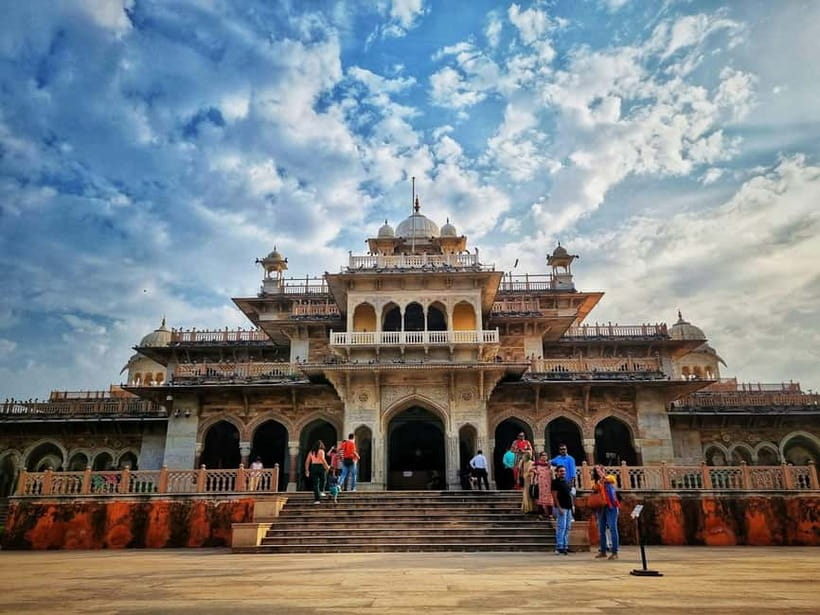
This is a private, full-day plan, so you’re not stuck sharing a van with strangers or bargaining with time. You get a driver in an air-conditioned vehicle and an option for a private local guide, which matters because Jaipur’s sights are more than postcard scenery.
Pick-up works from either Jaipur or Kukas, and you’ll be dropped back at Kukas or Jaipur. If you’re arriving by train or flight, the driver can wait with a sign at your station or airport pickup spot, which reduces that first-day scramble.
The tour also runs at a steady pace with on-the-road comfort: bottled mineral water is in the car, and you’re traveling between major sights in a loop. Car size is matched to group size (AC sedan for 1–3 people, AC 6-seater for 4–5, AC 10-seater tempo traveler for 6–10), so you won’t feel jammed in.
One more detail I appreciate: you’re not just dropped at each place. You get guided context on the key stops—Hawa Mahal, forts and royal sites, the observatory—and then you still have some self-guided time for photos and pacing.
You can also read our reviews of more guided tours in Jaipur
Hawa Mahal Photo Stop and Tea: Lattice Details in Motion
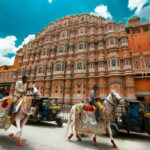
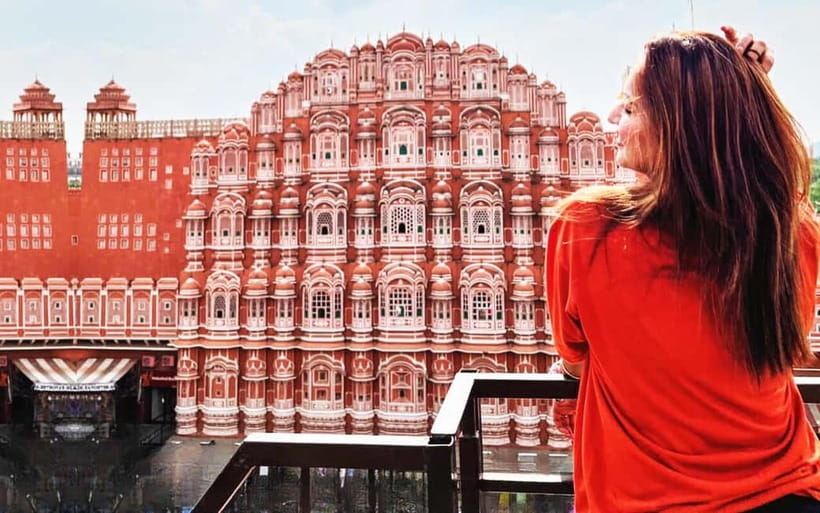
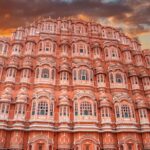
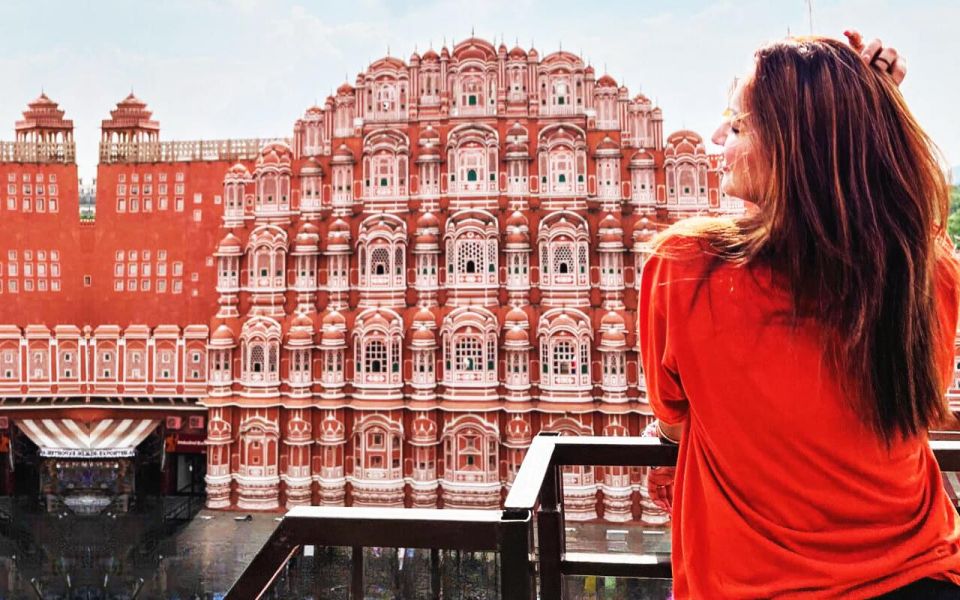
Hawa Mahal is the kind of building you want to see up close, not just in a single photo. You’ll stop there for photos, visit the palace, and get a guided look at its famous lattice design—the little window patterns that helped shape the palace’s style.
It’s also a nice timing stop. The schedule includes walking and a scenic approach, plus a tea break that gives you a breather before you move on. If you’ve ever tried to do Hawa Mahal as a solo sprint, this feels calmer because it’s part of a planned route.
Practical note: dress codes matter at temple areas later in the day, so choose clothing that can work for both palace sightseeing and temple visits. You’ll want comfortable shoes for walking, and a camera ready because the angles around Hawa Mahal are best when you’re not rushing.
Panna Meena ka Kund Stepwell: Quiet Geometry Between Landmarks
After the palace, the day shifts into something more serene. Panna Meena ka Kund is an ancient stepwell with a distinctive arrangement of steps leading down toward a well, and it’s the kind of structure where details reward slower looking.
You’ll have a short visit with guided explanation, then time to wander on foot. This stop is valuable because it’s visually different from the forts and palaces: the focus is geometry, symmetry, and the way the structure works as a space for water and gathering.
If you like architecture that’s functional as well as pretty, you’ll enjoy this. It’s also a good mental reset before the bigger day highlights like Amber Fort and Jal Mahal.
Amber Fort and Jal Mahal: Red Sandstone, Marble, and Water Views
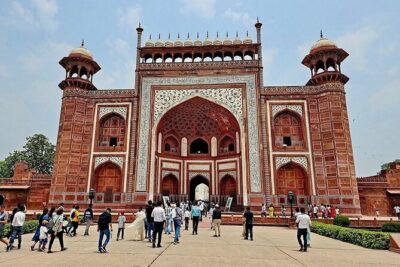
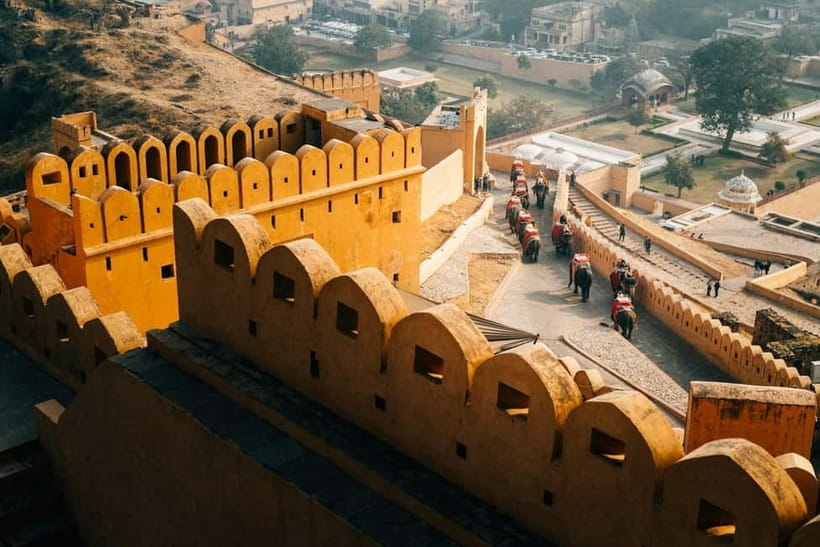
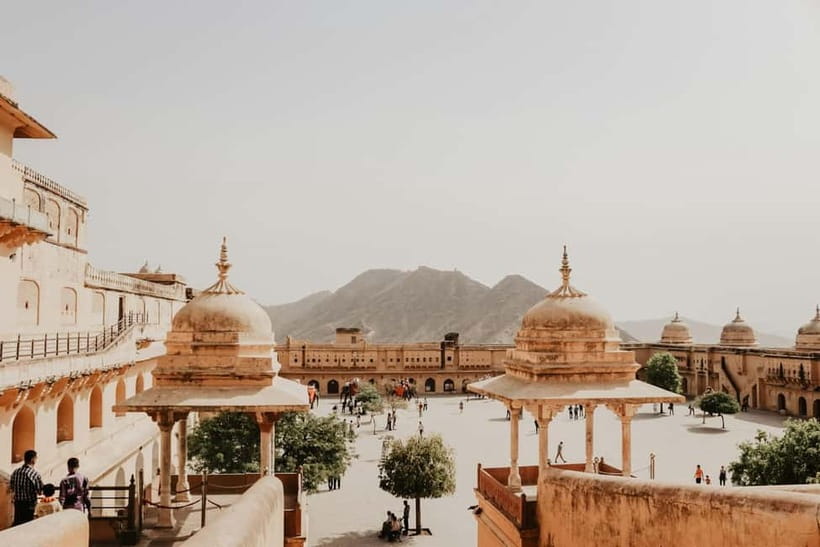
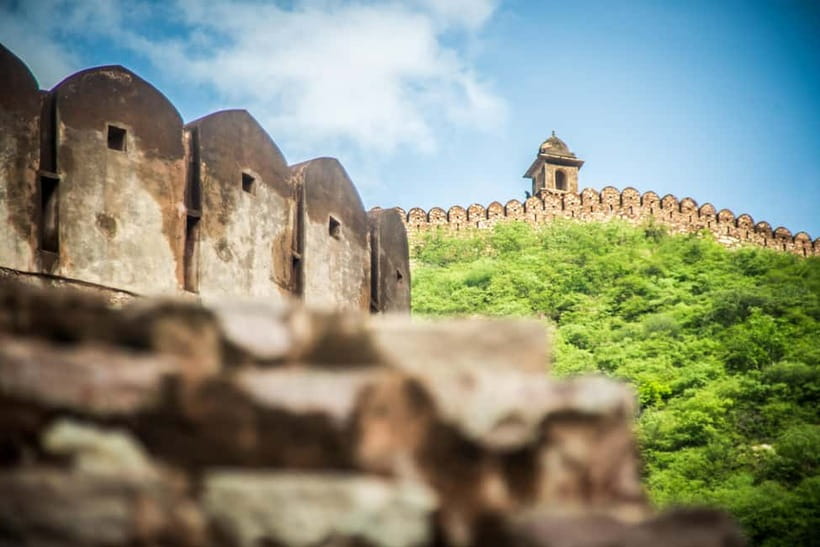
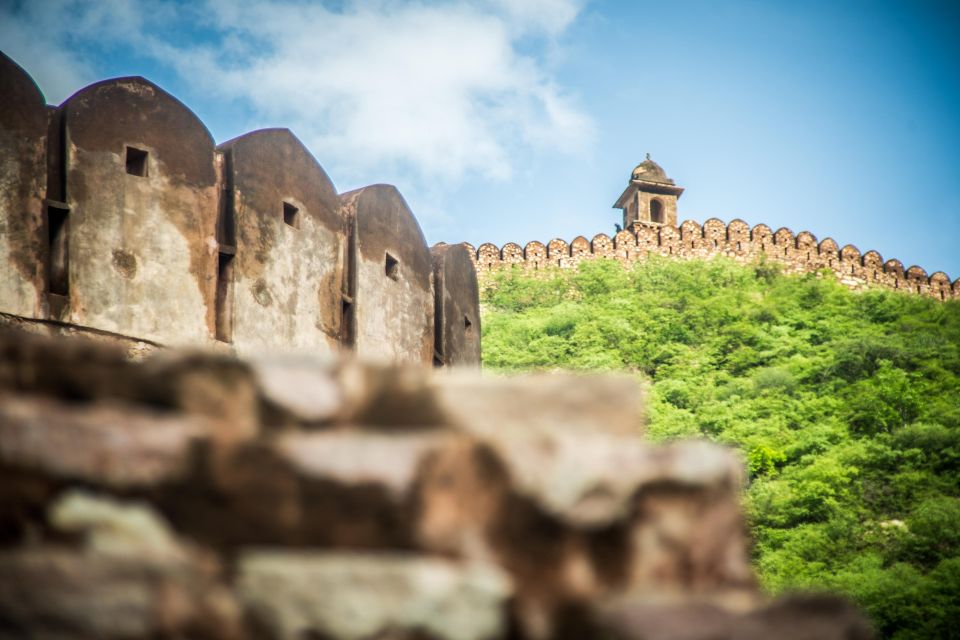
Amber Fort is the heavy hitter. You’ll get around two hours there, including a guided component and time to walk and explore. The fort’s look is built on red sandstone and marble, and the whole site feels like a layered city rather than one single monument.
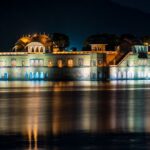
Jal Mahal is next. This palace sits partially submerged in water, and even with a short stop, the scene is striking because it breaks your expectations of how grand buildings usually sit. You’ll get photo time, a guided bit, and a chance to look around.
The pairing works well. Amber Fort gives you the fortified, ceremonial Jaipur vibe, while Jal Mahal adds a floating, reflective contrast. Together, they make it easier to see why Jaipur became so visually distinctive—people didn’t just build for defense or status, they shaped the whole atmosphere around the sites.
Tip: wear shoes you trust. Fort areas usually mean uneven ground and stairs, and the day is long at 9 hours, even with breaks built in.
Gaitor Ki Chhatriyan and City Palace: Royal Memorials You Can Actually Hear
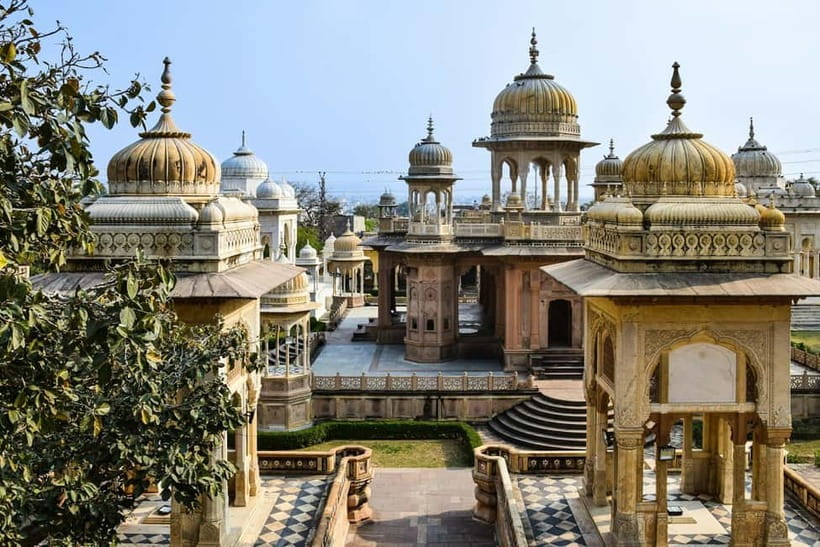
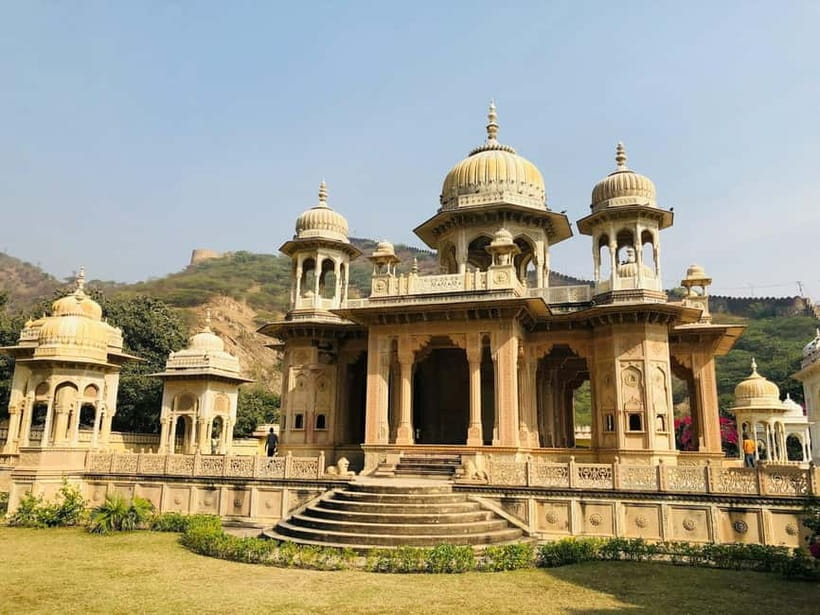
Royal Gaitor Tumbas (Gaitor Ki Chhatriyan) adds a quieter kind of grandeur. You visit the royal cenotaphs—memorial structures for Maharajas and their families—and the architectural scale makes it feel serious and peaceful rather than showy.
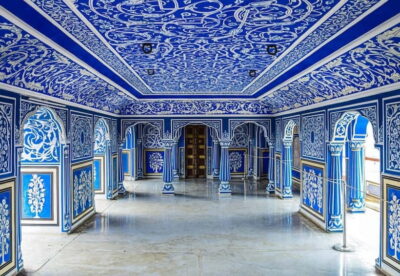
Then comes City Palace, which functions in two ways at once. Part of it has been turned into a museum, but much of it still remains a royal residence connected to the Kachwaha Rajput line. If you like when history is not frozen behind glass, this is the angle that makes City Palace interesting.
You’ll spend about two hours here with guided touring and self-guided time. That balance matters because palace courtyards and museum rooms tend to be dense with details; having a guide for the main story helps you understand what you’re looking at before you start wandering.
You can also read our reviews of more private tours in Jaipur




Jantar Mantar to Monkey Temple Kunds: Astronomy Meets Sun-God Myths
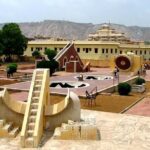
Jantar Mantar is where the day gets brainy—in a good way. You’ll visit the observatory and look at the intricate architectural instruments designed for astronomy. Even if you’re not a science person, it’s the sheer precision that grabs you: the shapes are practical, and the layout suggests people once used these tools with confidence.
After that, you’ll shift to the Monkey Temple complex, which is originally known as Galtaji. It’s commonly called the Temple of the Sun God or Monkey Temple, and the experience comes with that mix of sacred space and everyday local energy.
The standout feature is the multi-storied water tank system called kunds. These tank levels lead up toward the central temple, creating a stair-and-platform feel that’s very Rajasthan in its rounded roofs and pavilion style. You also get the partly abandoned atmosphere described for the complex, which makes it different from the most manicured tourist sites.
You’ll have about an hour here, including guidance and time to walk through the narrow streets within the area. It’s a solid finale because it’s memorable in a different category than forts or palaces: it’s about the way water systems and temples intertwine.
Jaipur Night Markets and Food Streets: Use the Day’s Energy for Snacks
One of the nicest perks in the highlights is that the day is built to include time to stroll Jaipur’s night markets and food streets. You’ll get a chance to browse goods from local vendors and soak up the street-level side of the city.
Because lunch is not included, this is also a practical way to plan your eating. You can keep the day flexible: snack when you want, try a couple of local bites in the evening, and avoid the feeling of having to find one perfect meal under time pressure.
If you enjoy shopping, this is the moment. If you don’t, treat the markets like a museum with moving parts: look, walk, and only buy if something genuinely catches your eye. A private route makes it easier to do this without getting dragged along.
Price and Value: What $13 Covers, What You Pay On Your Own
At $13 per person for a full-day private guided route, the price looks like a bargain—because you’re mostly paying for logistics and expert direction. You’re getting a private, air-conditioned car with a driver, bottled mineral water, and coverage of taxes, fees, fuel surcharge, and parking.
The tour also includes a private guide option and skip-the-ticket-line support, which can save real time at high-traffic monuments. Time in Jaipur is a resource, and fewer queues means you actually get to see more of the day’s highlights.
What’s not included is the real-world budget piece: monument entrance fees and lunch or dinner are on you. So the smart way to think about value is this: you’re buying comfort and a guided route, then you top up with entry fees and meals. If you go in expecting everything to be included, you might feel surprised later.
There’s also a “smart choice” factor in the lunch stop. The guide leads you to a restaurant for lunch, and based on how the day is planned, it’s likely chosen for convenience and a smooth experience rather than bargain hunting.
Pickup Options, Car Size, and Timing That Matter
This tour can start from Jaipur or Kukas. If you’re staying in Kukas, that’s convenient because you’re not spending the morning fighting traffic just to reach the central sights. If you’re in Jaipur proper, the pickup option keeps your day simple.
The tour is listed as 9 hours, so you’ll want to protect your energy. A full day like this is usually a mix of driving, walking, and short visits—so comfortable shoes and a quick water habit help a lot.
Car type is determined by group size, which is quietly important. A sedan can be fine for couples or solo travelers, while larger groups use a bigger AC vehicle. Either way, the promise is the same: AC comfort and a driver focused on getting you to the next stop on time.
Also keep in mind: a valid passport is required on the day of travel, and you’ll want to bring ID and cash.
Temple-Ready Packing: Smart Casual Means Smart Planning
You’ll be visiting sites that include temple areas, so the dress code is not optional. The guidance is smart casual, and short shorts or sleeveless tops are not recommended in temple settings. Plan clothing that works for both the palace parts of the day and the temple parts.
Bring comfortable clothes and shoes, plus a camera. The day runs on walking, photo stops, and guided sections, so your feet will notice if you show up in anything uncomfortable.
You’ll also want cash, since entrance fees and meals are not included. And if you’re thinking of bringing a pet or alcohol/drugs—don’t. Pets are not allowed, and alcohol and drugs are not permitted, including alcoholic drinks in the vehicle.
Who This Private Jaipur Tour Fits Best
This is a great match if you want structure without losing flexibility. A private car plus guided context helps first-timers understand what they’re looking at, and the route covers the major Jaipur “wow” areas: palace, fort, observatory, royal memorials, and the Monkey Temple complex.
It also suits solo travelers who prefer personalized pacing. With a private setup, you can ask questions, take photos without being rushed into a crowd, and keep your own rhythm more easily than on a shared-group tour.
One limitation to take seriously: it’s noted as not suitable for people with pre-existing medical conditions. That usually points to a long day with walking and travel, so if you have mobility or health concerns, check with the provider before booking.
Should You Book This Jaipur Monkey Temple Tour? (My Practical Take)
Book it if you want a private, guided, AC-comfort day that hits the key monuments and still ends with something different at Monkey Temple. The route makes sense: it moves from Hawa Mahal to stepwell calm, into the fort and water palace contrast, then onto royal sites, the observatory, and finally the kunds of Galtaji.
Don’t book it if you’re hoping for a fully all-inclusive day. Entrance fees and lunch aren’t included, and temple dress code rules mean you’ll want to plan clothing ahead.
If your main goal is to see Jaipur in one organized day without wasting time in queues, this is a strong option—especially if you’re traveling with limited patience for logistics.
FAQ
How long is the Jaipur guided tour with Monkey Temple?
The tour duration is 9 hours.
What is included in the tour price?
It includes transport by a private air-conditioned car with a driver, bottled mineral water in the car, all taxes and fees (including fuel surcharge and parking fee), and a private local guide option. Ticket line skipping is also included.
Are monument entrance fees included?
No, monument entrance fees are not included.
Is lunch included?
No, lunch or dinner is not included. The guide takes you to a restaurant for lunch.
Where do pickup and drop-off happen?
Pickup is available from Jaipur or Kukas, and drop-off is available in Kukas or Jaipur.
What languages are available for the guide or host?
The host or greeter is listed as available in English, German, French, Spanish, Italian.
What should I bring and wear for this tour?
Bring a passport or ID card, comfortable shoes, a camera, comfortable clothes, and cash. Dress code is smart casual, and short shorts or sleeveless tops are not recommended for temple areas.