REVIEW · 2-DAY EXPERIENCES
2 Day Jaipur Tour for First-Time Visitors
Book on Viator →Operated by Jaipur Taxi Cab · Bookable on Viator
Jaipur works best when you do it with a plan. This 2-day private car tour is built for first-time visitors who want the big sights, plus room to adjust. You’ll cover the classic stops like City Palace and Hawa Mahal, then add forts and viewpoints on Day 2.
I like the convenience: hotel pickup and drop-off plus an air-conditioned vehicle means you spend less time fighting traffic and more time seeing things. I also like the human part, because you’re traveling with a driver who can explain what you’re looking at and keep the day running smoothly.
One possible drawback: the schedule includes workshop/factory stops and several monuments where entry fees may not be included. If you’re watching your budget closely, double-check which admission tickets are included and keep an eye on how much time is spent on shops versus sights.
In This Review
- Key highlights that make this tour worth your time
- Price and logistics: what $27.97 buys you (and what to watch)
- Your Day 1 plan: Pink City classics from City Palace to Patrika Gate
- Day 1 reality check: pace, entry fees, and best use of your time
- Your Day 2 plan: Amer and the hill forts above Jaipur
- Day 2 finish: Monkey Temple and a crafts stop that can sway your opinion
- Who runs the show: drivers, English guidance, and safer-feeling traffic
- How much can you realistically do in two days?
- Should you book this 2-day Jaipur tour?
- FAQ
- How long is the Jaipur tour?
- Is pickup and drop-off included?
- Is this a private tour?
- Is the car air-conditioned?
- Do I need to pay admission tickets for the sights?
- Is lunch or dinner included?
- Is hotel accommodation included?
- Does the tour include bottled water?
Key highlights that make this tour worth your time

- Private AC car with hotel pickup so you’re not stuck guessing routes or waiting on other groups
- Top Jaipur hits in two packed days, from City Palace and Jantar Mantar to Amer and the hill forts
- Photo-stop friendly timing, including Patrika Gate plus viewpoints around Nahargarh and Jaigarh
- Workshop experience at Jaipur block printing, with a hands-on feel rather than just a photo stop
- Fort day views, where the ride to Amer, Jaigarh, Nahargarh, and Gaitor becomes part of the experience
- Driver and guide support in traffic, with many teams praised for punctual, careful driving and clear explanations
Price and logistics: what $27.97 buys you (and what to watch)
At $27.97 per person, this tour is priced like a value option, but the real question is what’s inside that price.
Here’s what you do get: private AC transportation, an English-speaking driver, and hotel or airport pickup and drop-off. You also get bottled water, plus fuel, parking, and taxes covered. That matters in Jaipur, where getting from one attraction to the next can eat up time fast.
Where costs can shift is entry fees. Some stops are marked admission ticket not included, and the included list says monuments entry tickets are covered only if you select that option. So you should think of this like: your transport and guide time are covered, but your monument spend depends on the ticket option you choose.
Also, remember this is a private tour, but it’s still a fixed-feeling route. You can customize with your driver, but you’re moving through a set sequence across two days. If you want slow wandering, you’ll have to intentionally reduce the workshop or factory time.
You can also read our reviews of more tours and experiences in Jaipur
Your Day 1 plan: Pink City classics from City Palace to Patrika Gate
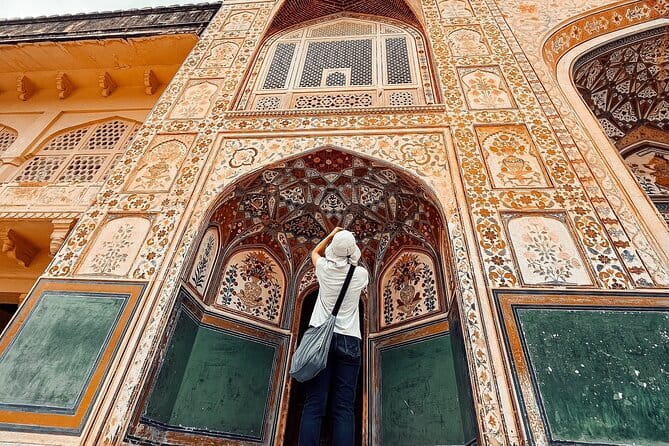
Day 1 is all about getting your bearings in Jaipur. The order is smart: start with the grand palace complex, then move into the skyline icons and the old observatory, before finishing with museums and photo-friendly gateways.
City Palace (about 2 hours)
This is Jaipur’s big political-and-architectural anchor. It’s a mix of Rajasthani and Mughal styles, built in the 18th century by Maharaja Sawai Jai Singh II. You’re not just looking at one building; you’re walking through a palace setting with courtyards and a sense of royal scale. Expect time here to be your foundation for the rest of the day—once you’ve seen the Palace, Hawa Mahal and the surrounding area make more visual sense.
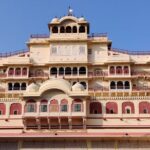
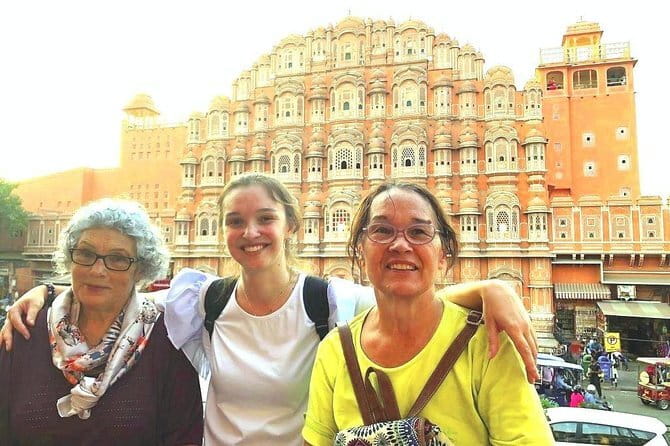
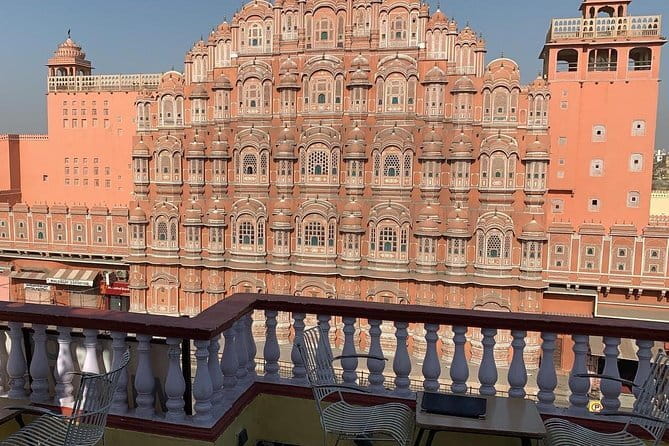
Hawa Mahal, Palace of Breeze (about 45 minutes)
Built in 1799 by Maharaja Sawai Pratap Singh, Hawa Mahal is famous for its 953 small windows (jharokhas). Even when you’re not going deep into the details, it’s a quick win for photos. The main value is seeing how the pink sandstone façade dominates the street view and how the building’s design ties to royal life.
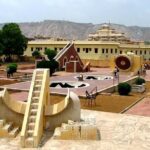
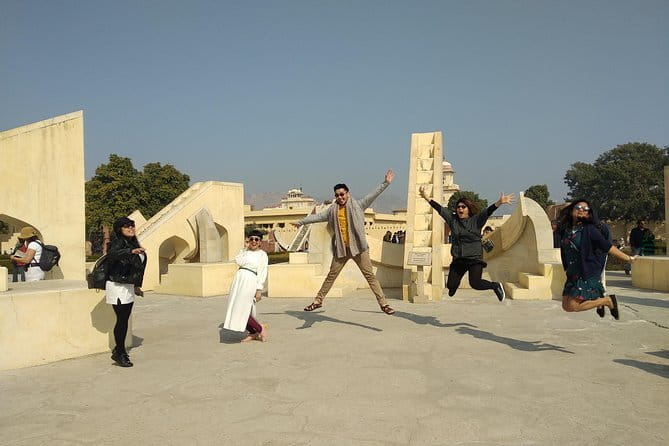
Jantar Mantar (Jaipur) (about 45 minutes)
This UNESCO-style astronomical observatory was built in 1734 by Maharaja Sawai Jai Singh II. It’s not a museum in the typical sense. The instruments are huge and unusual, built to measure time and help predict events like eclipses. If you like science history, you’ll enjoy the shift from palace architecture to early “precision” engineering.
Jaipur block printing workshop (about 30 minutes)
This is one of the better breaks in the schedule because it’s hands-on. Block printing in Jaipur is traditional craftsmanship, and this stop is designed to show you techniques rather than just point you at a product shelf. If you care about how souvenirs get made, this is a real inclusion.
Albert Hall Museum (about 1 hour)
Completed in 1887, it’s the oldest museum in Rajasthan. It has an Indo-Saracenic style, and it houses artifacts like sculptures and pottery. Think of it as a calmer, indoor reset after the outdoor icons.
Birla Mandir (about 30 minutes)
This is a modern white-marble Hindu temple dedicated to Lord Vishnu and Goddess Laxmi. The main draw here is the architectural cleanliness—especially if you’ve been looking at pink façades and dusty sandstone for hours.
Patrika Gate (about 30 minutes)
Located at Jawahar Circle, Patrika Gate is known for ornate hand-painted arches that reflect Rajasthan’s culture and heritage. It’s short, fun, and photo-friendly—good for ending the day with something colorful without dragging it out.
Day 1 reality check: pace, entry fees, and best use of your time
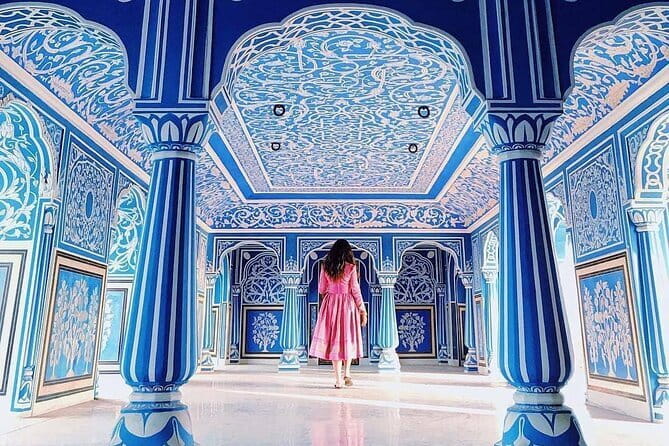
Day 1 is packed, but it’s packed in a logical way. You get a palace, a skyline landmark, an observatory, a workshop, and a museum, then you wrap up with two temple and gateway stops.
Your biggest “gotcha” isn’t the driving. It’s time and ticketing. Several of these monuments are marked with admission not included. If you haven’t selected the monuments entry ticket option, you’ll likely pay at sites. I recommend you decide in advance whether you want to simplify your day by bundling tickets (if that option is available when you book).
If you’re not into museums, you might use your customization to shorten Albert Hall Museum and add a few extra minutes somewhere visual like the Hawa Mahal area or Patrika Gate. With a private vehicle, you can usually negotiate the day’s balance in a way that’s harder on group tours.
Your Day 2 plan: Amer and the hill forts above Jaipur
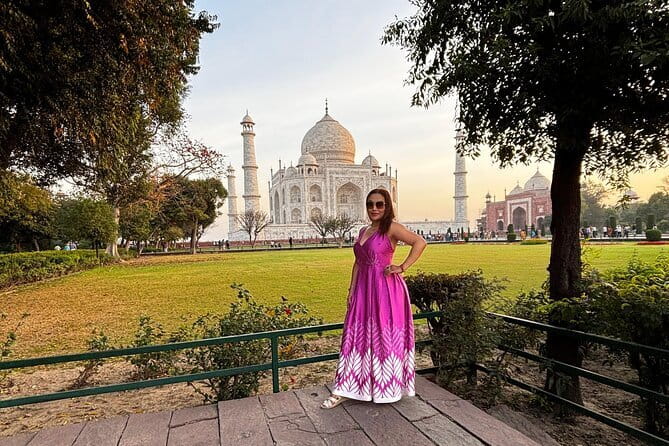
Day 2 shifts from the city center to the forts and viewpoints that make Jaipur feel bigger than it looks on a map. This day is where the city’s “surrounding landscape” becomes part of your story—by the end, you’ll understand why people build forts where they did.
Amer (about 2 hours, admission free)
Amer Town sits on the outskirts and is one of the most classic Jaipur experiences. It’s historic and scenic, with major buildings and a strong sense of Rajasthan’s regal past. Two hours is a fair amount if you want to see key structures without feeling like you’re sprinting.
Jaigarh Fort (about 1 hour, admission not included)
Jaigarh Fort was built in 1726 by Maharaja Jai Singh II. A big talking point is the Jaivana Cannon, described as the world’s largest on wheels. Even if you’re not a cannon enthusiast, the fort’s position and scale make it worth the visit.
Nahargarh Fort (about 2 hours, admission not included)
Nahargarh Fort was built in 1734 and is known for architecture and scenic views over Jaipur. This is your primary “look down at the city” leg of Day 2. If weather cooperates, plan to spend a little extra time just taking in the perspective.
Royal Gaitor Tumbas (about 45 minutes, admission not included)
These cenotaphs for Jaipur’s rulers sit at the foothills of Nahargarh. The highlight is the ornate tomb of Maharaja Sawai Jai Singh II, mixing Rajasthani and Mughal architecture. It’s a different mood than the forts—more detailed, more ceremonial, less about defense.
Jal Mahal (Water Palace) (about 15 minutes, admission free)
Jal Mahal sits in the middle of Man Sagar Lake. With only about 15 minutes here, this is mainly for quick photos and a short visual stop. It works well on a two-day schedule because it adds variety without taking over the day.
Day 2 finish: Monkey Temple and a crafts stop that can sway your opinion
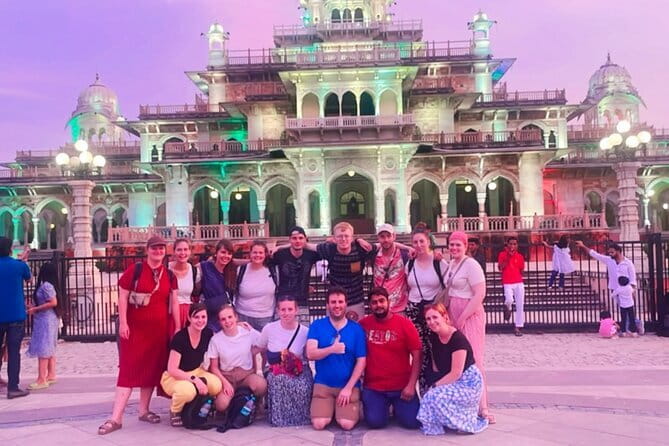
After the forts, Day 2 ends with a temple complex stop and then a workshop/factory visit.
Monkey Temple (Galta Ji complex) (about 1 hour, admission not included)
This is part of the Galta Ji pilgrimage area. It’s known for sacred water tanks (kunds) and temples. The key value for you is spiritual atmosphere plus a layout that feels like a place people actually visit, not just a viewpoint.
Ramgarhmode (silver jewelry and ornaments factory) (about 30 minutes, admission free)
This is the most “craft-and-sales adjacent” part of the day. The stop is described as seeing craftsmanship up close in a silver jewelry and ornaments factory. If you like watching how items are made, it’s a worthwhile contrast after forts. If you’d rather keep Day 2 purely sightseeing, you may want to keep this stop short or ask to focus on watching the process rather than extended browsing.
A note on expectations: the tour includes workshop and factory time by design. That’s not automatically bad—block printing is hands-on—but it can feel like a pressure point if you’re not interested in purchasing. You’ll get the best experience if you go in knowing these stops are part of the package.



Who runs the show: drivers, English guidance, and safer-feeling traffic
In Jaipur, good transport is not a small detail. You’re dealing with traffic, street congestion, and lots of people moving around. This tour’s big advantage is that you’re in a private AC vehicle with an English-speaking driver.
In the feedback, drivers like Jameel, Mukesh, and Mahindra stand out for safe, careful driving through traffic. And guides such as Asif, Chirag, and Hansraj are praised for keeping explanations engaging in English (and sometimes Hindi too). Another theme that repeats is punctuality and flexibility, including dropping people at an airport when plans required it.
For you, this translates to something practical: you can ask questions in real time, and you’re not stuck with a silent driver who just points. It also means you can push for minor timing adjustments if a site needs less or more attention.
One thing I’d do before you start: set your “must-sees” and your “skip list.” If you only want a quick museum stop, say that on Day 1. If you’d rather spend more time at Amer than at a workshop, say it early. Private touring works best when you steer.
How much can you realistically do in two days?
Two days in Jaipur is doable. It’s also easy to feel rushed if you treat it like a checklist with no breathing room.
The tour’s structure helps because it mixes types of stops:
- City center landmarks (City Palace, Hawa Mahal, Jantar Mantar)
- Cultural crafts (block printing)
- Museums and temples (Albert Hall, Birla Mandir)
- Forts and viewpoints (Amer, Jaigarh, Nahargarh, Gaitor)
- A couple quick visual variety stops (Jal Mahal, Patrika Gate)
If you’re the kind of traveler who wants photos, context, and a clear plan, two days will feel like a strong introduction. If you want unstructured time—long pauses for markets, resting, or slow wandering—this may feel tight. The good news is customization is mentioned, so you should use that flexibility to protect your favorite moments.
Should you book this 2-day Jaipur tour?
Book it if:
- You’re a first-timer and want Jaipur’s headline sights without planning logistics.
- You care about having a private AC car and someone who can explain what you’re seeing.
- You like a mix of monuments and crafts, especially the block printing experience.
Consider passing or editing your plan if:
- You strongly dislike shopping-adjacent stops. The day includes workshop/factory time, including block printing and a silver jewelry/ornament factory.
- You want only monument time and none of the crafts stops. You can likely shorten them, but you need to be clear from the start.
- You’re very budget-sensitive about entry fees. Some sites are marked admission not included, so confirm what’s covered with your booking option.
If you want a fast, well-rounded first visit where your transport is handled and your days are filled with the right anchors, this is a solid pick for Jaipur. Just go in with a plan for what you want more (fort views, temples, photo spots) and what you’re okay skipping. That’s the trick to making two days feel satisfying, not frantic.
FAQ
How long is the Jaipur tour?
It runs for about 2 days.
Is pickup and drop-off included?
Yes. Pickup and drop-off are offered from your hotel or any preferred location, and it’s also listed as including hotel/airport pickup and drop-off.
Is this a private tour?
Yes. It’s private, meaning only your group participates.
Is the car air-conditioned?
Yes. Transportation is provided in a private AC vehicle.
Do I need to pay admission tickets for the sights?
Some stops list admission as not included. The monuments entry ticket is included only if you select that option, while some specific stops are marked free.
Is lunch or dinner included?
No. Lunch and dinner are not included.
Is hotel accommodation included?
No. Hotel accommodation is not included.
Does the tour include bottled water?
Yes. Bottled water is included.