REVIEW · PHOTOGRAPHY & INSTAGRAM TOURS
Jaipur: Private Instagram Tour of Top Photography Spots
Book on GetYourGuide →Operated by Rajasthan India Tour Driver · Bookable on GetYourGuide
Jaipur’s best photo angles come fast and furious. This private Instagram photography tour strings together the city’s most camera-friendly sights with a guide who helps you frame shots and explains what you’re looking at as you go. I especially like the mix of headline landmarks and quieter backdrops like Gaitor Ki Chhatriyan, plus the way you move between stops efficiently instead of waiting around.
Two things I come back to: you get multiple classic stops like Hawa Mahal and City Palace, and you also get time at places that feel made for candid color photos, such as Patrika Gate. One thing to consider: monument entrance fees aren’t included, and the schedule includes a shopping walk at the end, so if you want a strictly photo-only day, you should be clear about it up front.
In This Review
- Key highlights worth your attention
- A 10-hour Jaipur photo plan that actually keeps momentum
- Transport choice: tuk-tuk charm vs private-car comfort
- Patrika Gate: corridors that work for portraits and color shots
- Jal Mahal: the Water Palace view and those postcard vibes
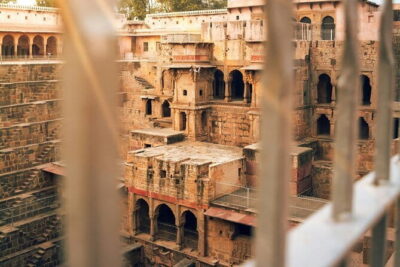
- Panna Meena ka Kund stepwell: geometry you can photograph
- Amber Fort: courtyards, Pols, and those heavy-doorway moments
- Gaitor Ki Chhatriyan: a quieter shooting pause near Amber
- Hawa Mahal: quick photo time at Jaipur’s icon
- City Palace and Chandra Mahal: scale plus blue-wall drama
- Jantar Mantar: oversized instruments and real-world angles
- Albert Hall Museum: museum architecture, especially when light turns soft
- Shopping and street-style time in Jaipur
- The guides and drivers: where the day really gets good
- What’s included, and what you should plan money for
- Who this tour suits best
- Should you book this Jaipur Instagram Tour?
- FAQ
- How long is the Jaipur private Instagram photography tour?
- Are entrance fees to the monuments included?
- Do I get picked up from my hotel, airport, or train station?
- Can I choose tuk-tuk or a private car?
- What languages are guides available in?
- Is the tour accessible for wheelchair users?
- What should I bring, and what’s not allowed?
Key highlights worth your attention
- Private guide + photo help so you’re not just following a route, you’re learning how to shoot it
- Tuk-tuk or private car options for getting around quickly and comfortably in Jaipur
- Patrika Gate for bright morning corridors that work for portraits and street-style angles
- Amber Fort + its doorways/courtyards for that dramatic fort look without wasting time
- Jantar Mantar for big, geometric science-meets-architecture visuals (and plenty of photo angles)
- Royal Gaitor (Gaitor Ki Chhatriyan) for a calmer shooting break near Amber
A 10-hour Jaipur photo plan that actually keeps momentum
Jaipur is spread out enough that a regular hop-on/hop-off approach can feel slow. This tour is built for one thing: getting you to the right places in the right order so you can shoot, look, and move on without turning the day into a parking-lot exercise.
With a total duration of 10 hours and hotel or airport/rail pickup included, you start with your bearings. The day is paced with short photo stops (often around 30 minutes) plus a few longer blocks where you’ll want more time—especially at Amber Fort and City Palace. That balance matters. You get quick hits for your feed, then you get real time for the spots where you’ll want to walk, swap lenses (if you use them), and try different angles.
You can also read our reviews of more private tours in Jaipur
Transport choice: tuk-tuk charm vs private-car comfort
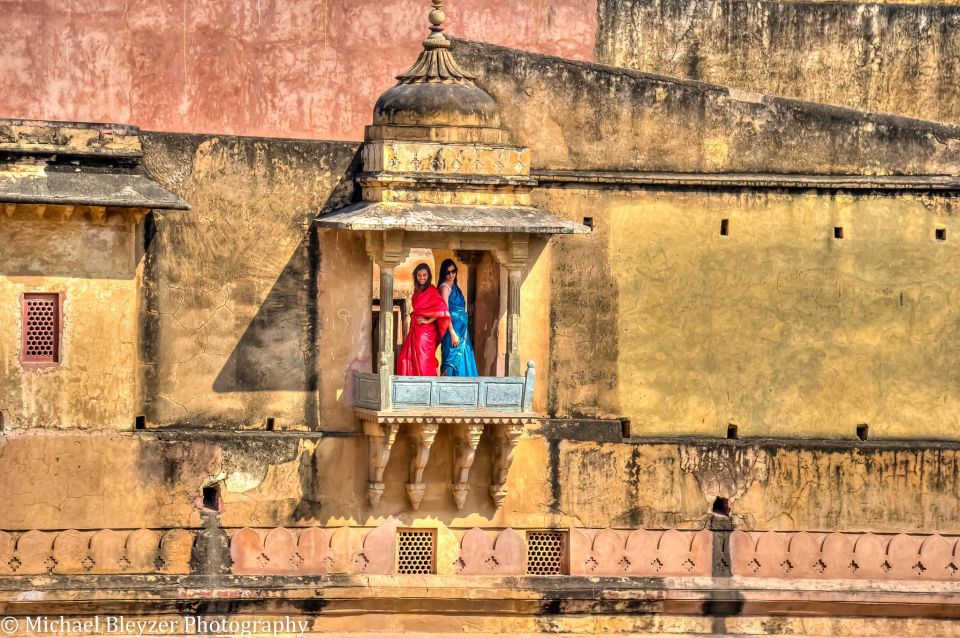
You can ride in a private tuk-tuk (auto-rickshaw style) or in a private car with a driver. For a city as photogenic as Jaipur, the tuk-tuk choice often feels more fun, and it’s part of the local experience. In practice, it also keeps the day lively because you’re moving through neighborhoods at a slower-feeling speed.
If you’re traveling as a small group or you want less jostle and easier camera handling, the private car can be the calmer option. Either way, the tour includes a driver, and the best part is that the day isn’t random; it’s driven around your photo stops.
From the on-the-ground accounts you can learn from here: drivers named Khalid and Mohsin were praised for safe, comfortable driving and staying on schedule, while guides like Khan and Avi were highlighted for choosing strong photo spots and taking the time to help with pictures.
Patrika Gate: corridors that work for portraits and color shots
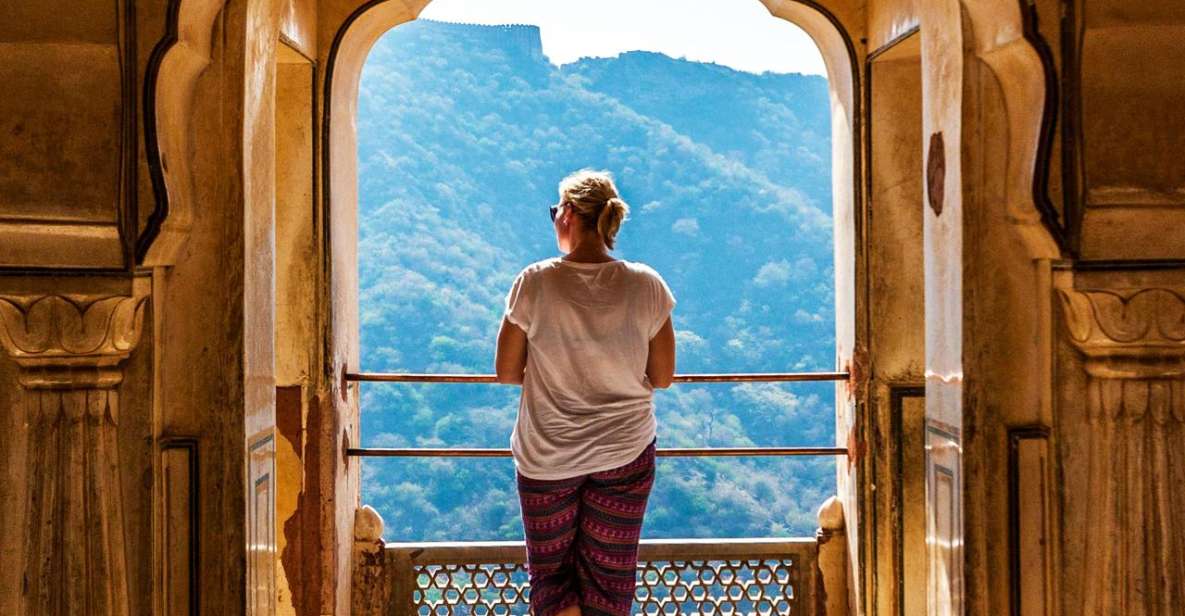
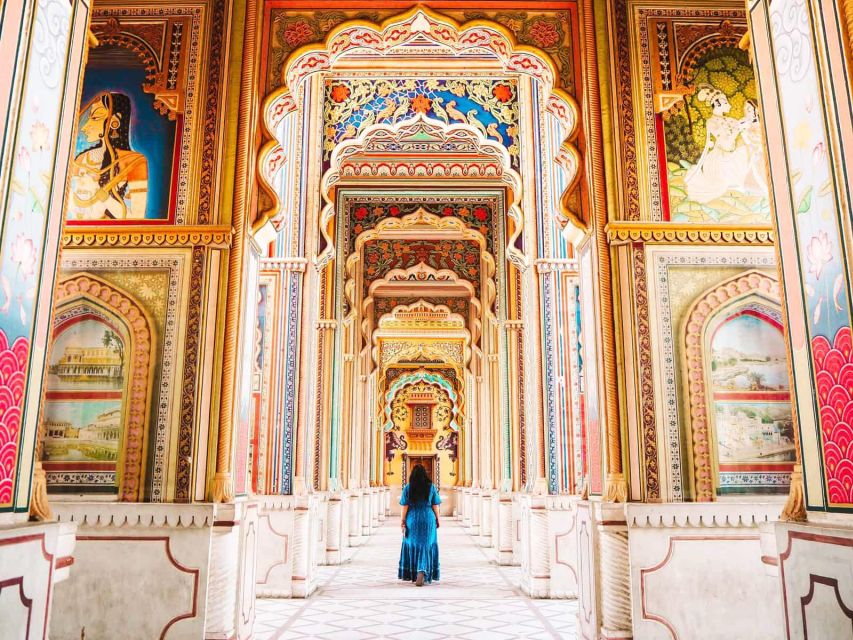
Patrika Gate is one of Jaipur’s best “open with a wow” locations. You’re getting a bright, Instagram-friendly scene built from colored corridors, which makes it easy to grab candid portraits and punchy street-style photos.
Timing helps. The tour specifically points to morning light, and that’s when this kind of color architecture usually photographs with better contrast and fewer harsh shadows. Expect a guided visit plus a photo stop that’s long enough to try a few angles—front-on frames, side shots, and shots where you let people walk through the corridor.
Practical tip: bring a camera strap or keep your phone secure. These corridor photos are fun, but they’re also crowded in many cities. Use the guide’s timing so you’re not stuck waiting for an empty moment.
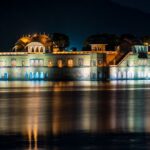
Jal Mahal: the Water Palace view and those postcard vibes
Jal Mahal (the Water Palace) is all about the view. Even if you don’t go inside, the exterior perspective over the water is what you’re here for.
The tour gives you a photo stop plus a guided visit. The water setting also means the light can look different depending on the angle and time of day, so it’s worth taking a few minutes to step around for the best reflections. If you’re the kind of photographer who likes a little context with your frame, the guide’s explanation helps you understand why this palace is so visually striking.
One more note: the tour mentions possible seasonal migratory bird sightings, which is a bonus if your timing aligns with bird season. Don’t count on it, but keep your eyes up when you’re shooting.
Panna Meena ka Kund stepwell: geometry you can photograph
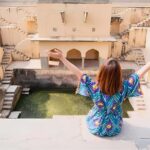
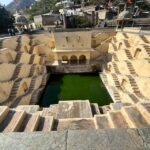
Panna Meena ka Kund is where architecture lovers and phone-photographers get the same payoff: intricate staircases and a geometric layout that looks great from multiple perspectives.
The tour schedules a focused photo stop here, then adds guided context. That’s useful because stepwells aren’t just Instagram sets. They’re engineering and social history wrapped into one structure. Even if you don’t go technical, having someone explain the layout gives your photos a story beyond aesthetics.
Practical tip: shoot from a couple levels if you can access viewpoints. Straight-on symmetry shots often look best, but angled shots can show depth in the stair geometry.
You can also read our reviews of more photography tours in Jaipur
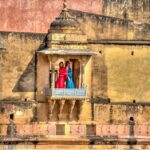
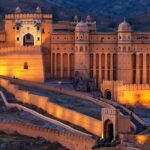
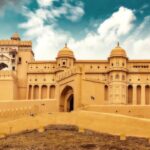
Amber Fort: courtyards, Pols, and those heavy-doorway moments
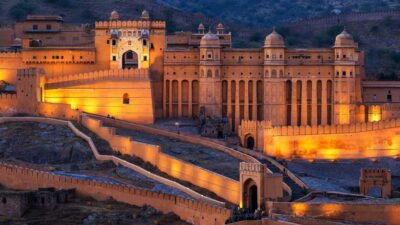
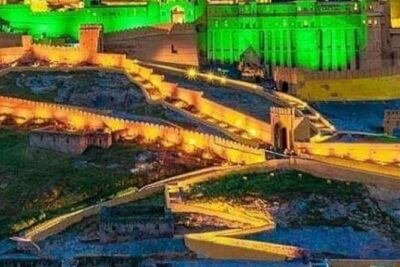
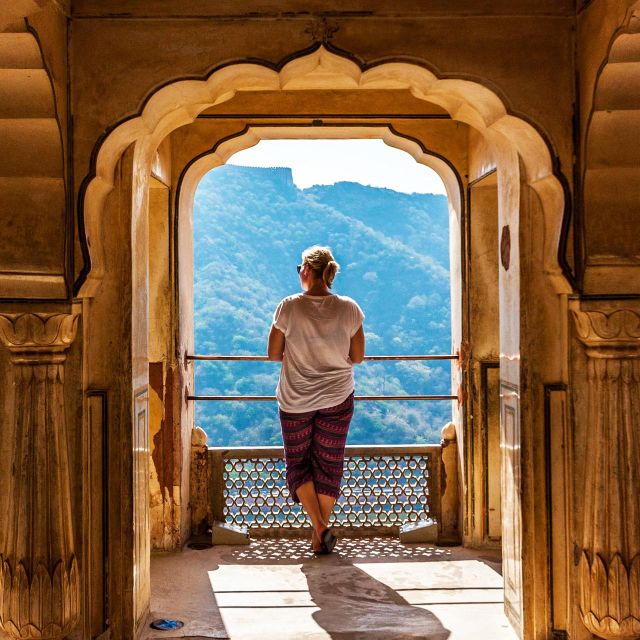
Amber Fort is the big one on the itinerary, with about 2 hours here—long enough to do more than just stand and snap. It’s also where Jaipur’s architecture starts feeling lived-in, because you’re walking through spaces that show how the fort worked and how people moved around inside it.
What makes it photographer-friendly: you’ll get time for photos around pols and courtyards, plus the kind of antique doors and gateways that make a frame look instantly historic. The stop includes a photo moment and guided visit, so you get help knowing where to stand for strong composition rather than wandering blindly.
Possible drawback: forts can be physically tiring. Wear comfortable shoes. There’s “a moderate amount of walking,” and you’ll want good footing for uneven surfaces and busy camera moments.
Gaitor Ki Chhatriyan: a quieter shooting pause near Amber
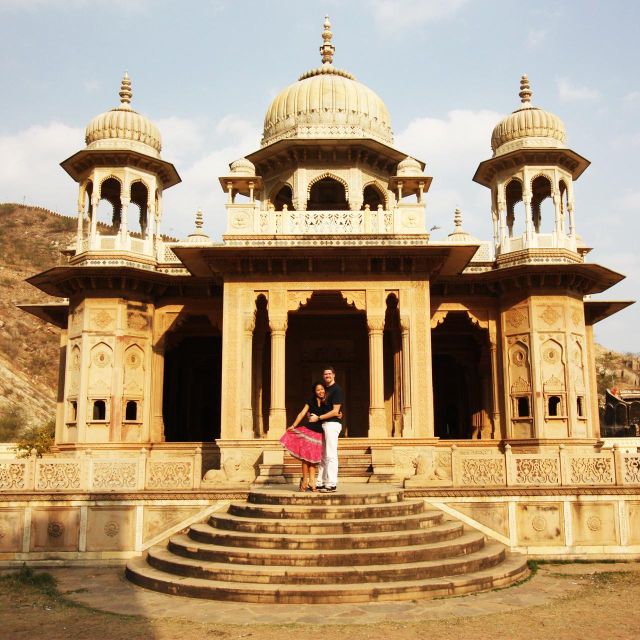
If you want a break from the crowds, Gaitor Ki Chhatriyan is a strong choice. It’s often described as peaceful and calmer than some other major stops, and that matters for photography: you can actually take your time with composition and avoid constantly moving people out of your frame.
The tour includes a photo stop plus guided sightseeing for about 30 minutes. That’s enough time to grab wide shots of the structure, then switch to tighter angles that highlight architecture details.
It’s also close to Amber, which keeps the day efficient. In other words, you’re not sacrificing your schedule to reach a quieter spot.
Hawa Mahal: quick photo time at Jaipur’s icon
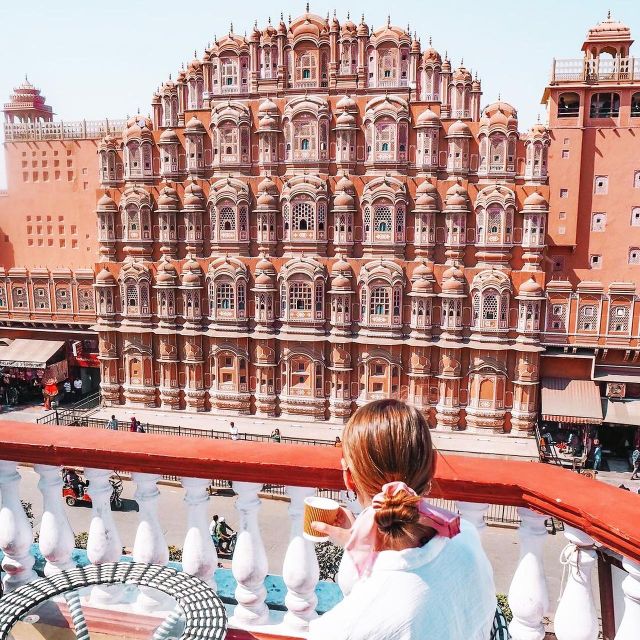
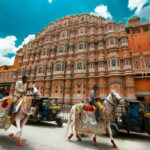
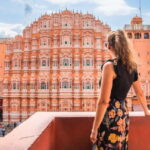
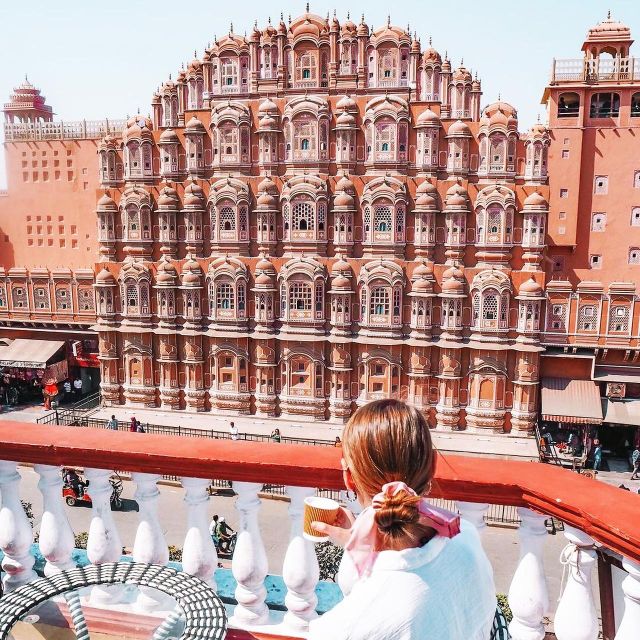
Hawa Mahal—the Palace of Winds—needs little selling. The façade is famous for a reason, and it’s one of those spots where even a basic phone camera can produce a classic result.
This itinerary gives you about 1 hour here with guided sightseeing and a photo stop. Your best bet is to treat it like an exterior photography session: plan your angles (front and slightly off-center), then keep an eye on light and shadow patterns from nearby walls.
Practical tip: this is one of those places where you can get excellent shots fast. If you linger too long, you risk spending time in lines or crowds instead of enjoying the day’s other strong stops.
City Palace and Chandra Mahal: scale plus blue-wall drama
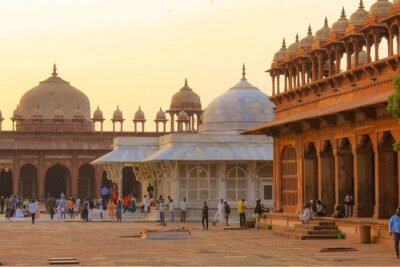
City Palace is one of Jaipur’s defining complexes, and the tour gives it real time—about 2 hours—including a photo stop, guided tour, and walking.
What you’re looking for:
- Grand rooms and spaces that help you understand Jaipur’s power and design
- Chandra Mahal, including its stunning blue-walled building, which is especially eye-catching for photos
This is the stop where your guide’s explanation pays off. When you know what you’re looking at—what different rooms were for, how the palace complex is laid out—it changes how you frame shots. You’ll start photographing details like windows, doorways, and symmetry instead of just shooting the biggest view.
Note: the tour doesn’t mention skipping every internal ticket issue, but it does say entrance fees aren’t included, so plan for that cost separately.
Jantar Mantar: oversized instruments and real-world angles
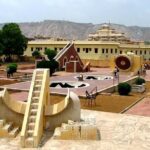
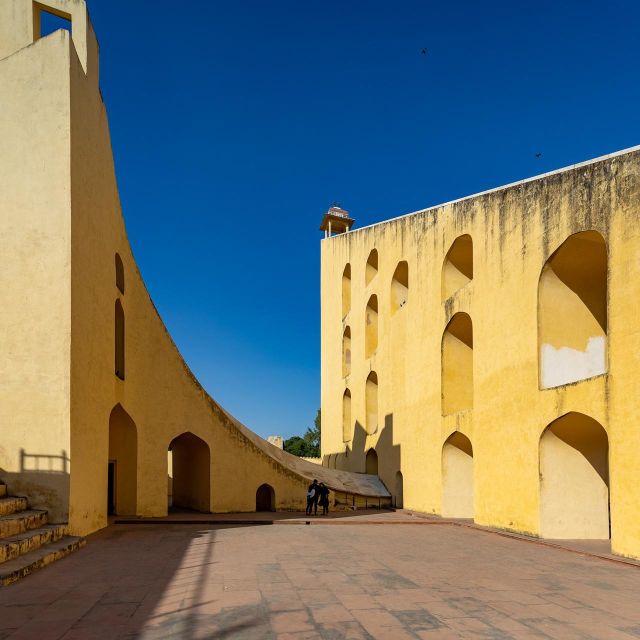
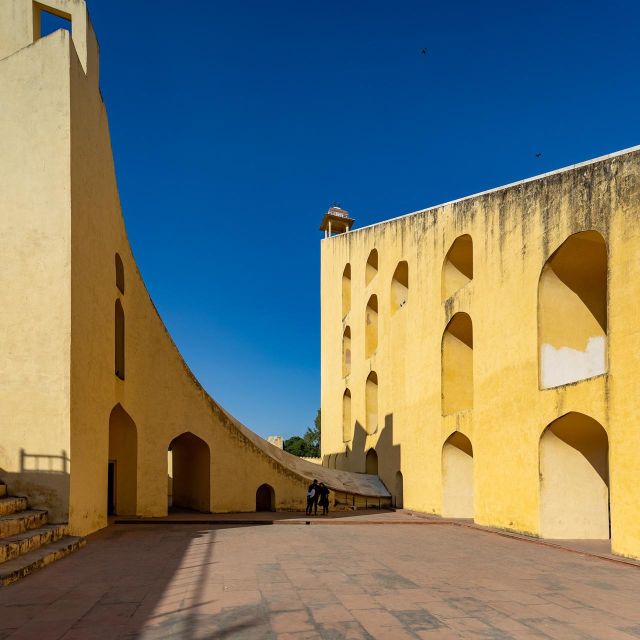
Jantar Mantar is a photographer’s playground because it’s part science museum, part architectural sculpture. The centerpiece idea is the world’s largest sundial, plus a set of giant astronomical instruments designed to measure the sky.
The tour allots about 1 hour here with a guided visit and photo stop. That’s enough time to get a few strong frames: wide shots showing the scale, then tighter shots on the instruments where you can catch patterns and textures.
The smart move here is to slow down for composition. These aren’t “stand here and zoom” subjects. They’re objects with geometry. You’ll get better shots by taking one step to the left, one step forward, and letting lines in the design guide the frame.
Albert Hall Museum: museum architecture, especially when light turns soft
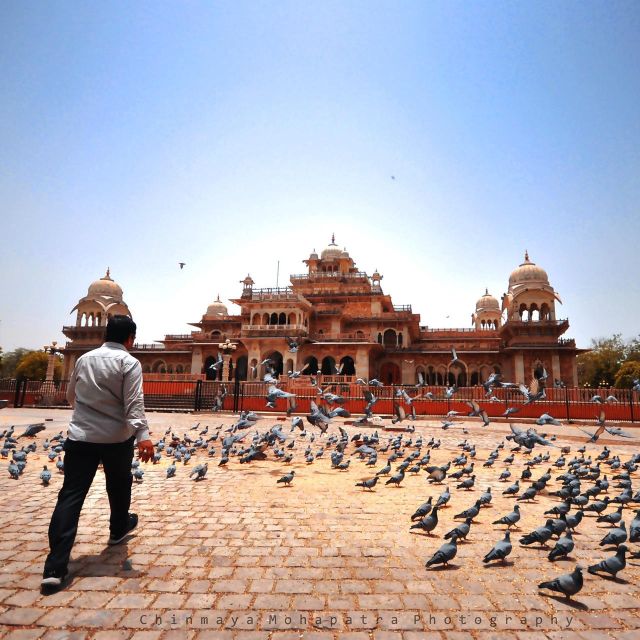
Albert Hall Museum is where Jaipur’s royal and cultural story shows up in stone and design. The tour gives it about 1 hour, with photo stop and guided sightseeing.
It’s also a place with lighting potential. One highlighted detail from experience here: the building looks particularly majestic at night when it’s illuminated with soft yellow light. Your tour time may not reach nighttime, but the idea is useful: if you’re still in the area after the tour, the museum is worth considering for an evening stroll and a different lighting mood.
Shopping and street-style time in Jaipur
The day ends with an additional hour in Jaipur that includes shopping and sightseeing. This is where you can shift from landmark photography to more casual, street-level shots: market scenes, textures, and everyday style.
The tour also keeps your guide close, so if you want to translate your camera energy into something more practical—like finding block print fabrics or small items—you can ask what’s worth your money and what’s more “tourist markup.” The only caution: shopping pressure can be intense in some places. One unhappy experience pointed to spending too long in shops like scarves and jewelry when the expectation was photo-focused time.
So here’s the practical fix: tell your guide you want a short, purposeful shopping block and more time for photography if you’re not buying.
The guides and drivers: where the day really gets good
This is where the private nature matters. A good guide doesn’t just point at sights; they help you shoot them and keep the day moving.
Different guide names came up as standouts, including:
- Khalid (friendly, professional driver; helped with hidden gems and adjusted to interests)
- Kk and Suresh (good knowledge plus help with memorable pictures)
- Avi (praised for history knowledge and excellent Spanish)
- Mohsin (great fun, enjoyable tuk-tuk driving)
- Khan (helped with off-the-beaten-path spots near Amber and kept younger travelers engaged)
- Manesh (kind driver who handled busy streets calmly and safely)
Even when the itinerary covers the same big locations, the difference is how you use your time at each stop.
What’s included, and what you should plan money for
You’re paying for a private guide, pickup and drop, and transportation by private tuk-tuk or car, plus mineral water and fuel/taxes. You also get guidance in the key photo areas and a setup that’s designed to keep you from wasting time figuring things out.
What’s not included:
- Entrance fees to the monuments
- Meals / lunch
Value check: at around $9 per person, the price makes the most sense if you’re using the day exactly for what it’s built for—photo stops plus guided access. If you also want to minimize extra costs, budget for entrance tickets yourself and plan a meal strategy (either bring snacks, or eat close to stops you can reach easily).
Who this tour suits best
This works best if:
- You’re visiting Jaipur for a short time and want a one-day photo hitting plan
- You want more than landmarks—you want a guide to explain what you’re shooting
- You like the idea of a private group where your interests can influence pacing
It may not be ideal if:
- You want zero shopping time and a strict photo-only schedule
- You’re traveling with very limited walking tolerance (there’s moderate walking involved)
Should you book this Jaipur Instagram Tour?
I’d book it if you want a fast, structured photo day with a guide who helps you find good angles and keeps the trip moving. The route hits the big names like Hawa Mahal, Amber Fort, City Palace, Jantar Mantar, and Albert Hall, and it also includes quieter-looking stops like Gaitor Ki Chhatriyan where you can actually take your time.
If you do book, send a clear message ahead of time that you want your hour of shopping to be short and photo-focused, not a long detour into sales stops. And remember: entrance fees and meals are on you, so plan those costs and bring comfy shoes for the walking.
FAQ
How long is the Jaipur private Instagram photography tour?
It lasts 10 hours, with availability varying by starting times.
Are entrance fees to the monuments included?
No. Entrance fees aren’t included for the monuments.
Do I get picked up from my hotel, airport, or train station?
Yes. Hotel, airport, and railway station pickup and drop-off are included, and pickup can be arranged from your preferred location in Jaipur.
Can I choose tuk-tuk or a private car?
Yes. Transport is available by private tuk-tuk or private car, depending on the option you select.
What languages are guides available in?
The host or greeter is listed as available in English, French, German, Italian, and Spanish.
Is the tour accessible for wheelchair users?
The tour is marked as wheelchair accessible.
What should I bring, and what’s not allowed?
Bring passport or ID, comfortable shoes, and a camera (plus comfortable clothes). Pets aren’t allowed, and large luggage is not allowed. Alcohol and drugs are not allowed.