REVIEW · PHOTOGRAPHY & INSTAGRAM TOURS
Jaipur: Instagram Tour of The Top Photography Spots
Book on GetYourGuide →Operated by Jaipur tour taxi cab · Bookable on GetYourGuide
Jaipur looks better when someone plans the angles. This private 8-hour outing strings together the city’s most camera-friendly icons, and you get pickup-and-drop plus an air-conditioned car with an English-speaking chauffeur. I like that the route is photo-first (you’re not just hopping between landmarks), and I also like the added cultural stops that make the pictures mean something, not just look pretty. One heads-up: it’s a full, walking-in-the-sun kind of day, so you’ll want comfy shoes and a realistic pace.
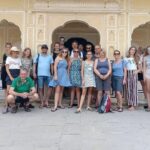
A big part of the value is how the day is handled in motion. In past groups, guides such as Neeraj, Khalid, and Baba have been praised for helpful photo suggestions and strong command of English, while the driver Salman has been noted for being extremely smooth and attentive. That kind of hands-on support matters in Jaipur, where the best shots often require stepping into the right spot fast.
In This Review
- Key highlights at a glance
- Why a private chauffeur makes Jaipur photography easier
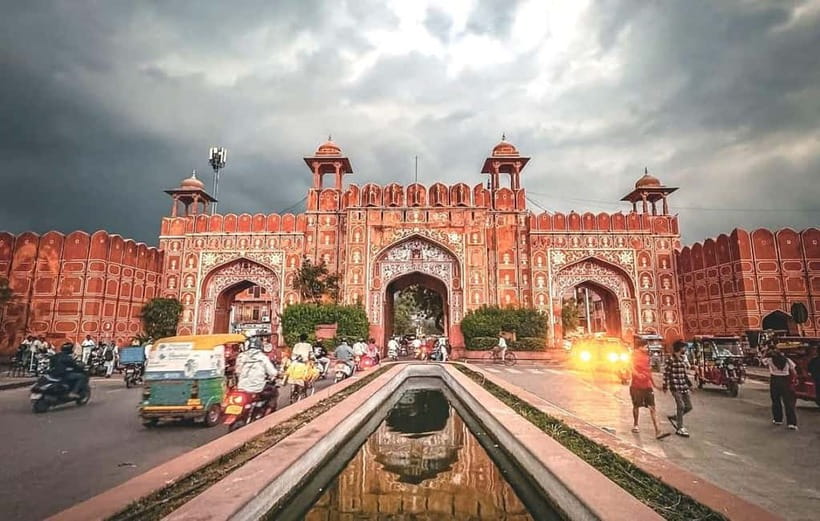
- Patrika Gate and Jawahar Circle Park: color, carvings, and quick momentum
- Birla Mandir and Albert Hall: temple calm meets Indo-Saracenic drama
- Hawa Mahal and the Pink City: the facade is the star
- Jantar Mantar and City Palace: architecture that works as a science photo set
- Shopping break in Jaipur: arts and crafts time without derailing the day
- Gaitor Ki Chhatriyan: cenotaphs that photograph like sculpture gardens
- Amber Fort and the stepwell: where your day turns epic
- Jal Mahal and Hathi Gaon: the road-view payoff and final photo energy
- Is the $30 price good value for 8 hours?
- Who should book this Jaipur photography tour?
- Should you book it?
- FAQ
- FAQ
- How long is the Jaipur photography tour?
- What’s included in the price?
- Are meals included?
- Do I need to pay entrance fees?
- What language will the driver or guide speak?
- Can the route be adjusted?
Key highlights at a glance
- Private photo-focused route that mixes classic icons with strong composition opportunities
- Air-conditioned car with chauffeur so you spend energy on photos, not traffic
- English-speaking driver and guided stops with practical picture-taking help
- Major Jaipur landmarks in one day including Hawa Mahal, Albert Hall, and Amber Fort
- Time for a market break if you want arts and crafts without turning the day into shopping-only
Why a private chauffeur makes Jaipur photography easier
Jaipur is big, and the best “Instagram angle” can be a short walk away from where you park. That’s why I think this tour works: you’re not timing your own transport or trying to negotiate multiple rickshaws. The private car is air-conditioned, and the chauffeur handles fuel, parking, tolls, and taxes—so you can focus on getting to each stop ready.
This setup also helps with pacing. Your day runs in an organized loop with scheduled photo stops, guided visits, and built-in breaks (including lunch time and a shopping window). Past bookings highlight how guides pay attention to what you want to do, from taking your photo to offering ideas for better framing. If you’re the type who wants one perfect facade shot and then to move on, this kind of structure keeps you from getting stuck.
There’s one more practical benefit: the tour includes pickup from your hotel, airport, or railway station, with the driver holding your name sign if you’re arriving. That reduces the “where do I meet?” stress that can eat up the first hour of a day.
You can also read our reviews of more photography tours in Jaipur
Patrika Gate and Jawahar Circle Park: color, carvings, and quick momentum
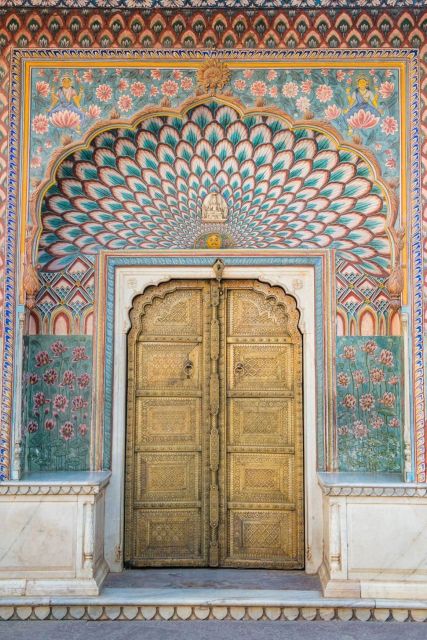
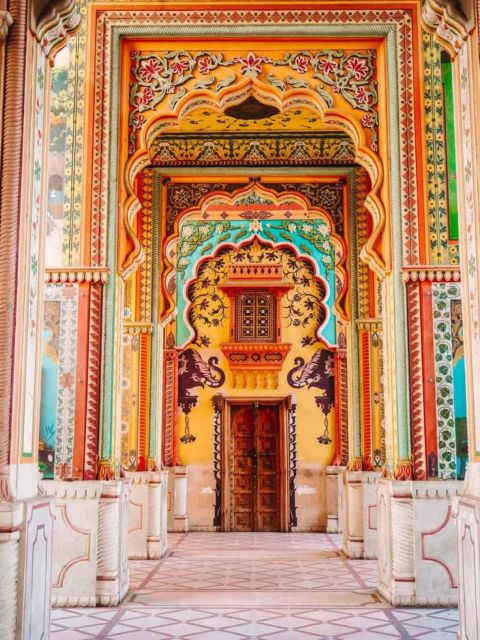
You start with Patrika Gate, the gateway to Jawahar Circle Park and one of Jaipur’s most photographed entrances. The draw here is visual texture: it’s known for colorful design and intricate carvings that point to Rajasthani culture. From a photography standpoint, that means lots of small details you can zoom in on—plus a bold, symmetrical feel that reads well even in a quick stop.
The practical win is that this first stop gives you an instant “yes” moment. Your eyes adjust to the city fast when the architecture is right there at the beginning. You also get an easy warm-up: there’s walking time, but it’s not the kind of walk that demands you plan your whole day around it.
If you’re hoping for photos that look crisp, treat this stop like your warm-up session. Get a couple of full-gate shots first, then slow down for close-ups. Then you’re ready for the more famous landmarks later, when you’ve already found your rhythm.
Birla Mandir and Albert Hall: temple calm meets Indo-Saracenic drama
Next comes Birla Mandir, located right in the heart of Jaipur’s Pink City. It’s the kind of stop where photos aren’t only about grand views; they’re also about balance—temple architecture against a busy city context. Even if you’re not super interested in temple details, the setting helps you understand why Jaipur looks the way it does: formal buildings, strong symmetry, and a clear sense of place.
After that, you’ll hit Albert Hall Museum, the oldest museum of the state and still a key cultural stop. The building is described as Indo-Saracenic, and it sits in Ram Niwas Garden outside the city wall, opposite New Gate. What that means for you: you’ll have a strong “backdrop” building plus garden space that gives you breathing room for photos.
I like that the tour explicitly makes time to relax in Ram Niwas Garden. That matters because museum-adjacent photo days can turn into a blur if you never get a pause. If your guide is the helpful type—as many have been, including Khalid and Baba—you may get suggestions on angles to get the museum facade cleanly without competing distractions.
Hawa Mahal and the Pink City: the facade is the star
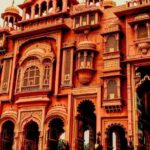
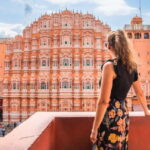
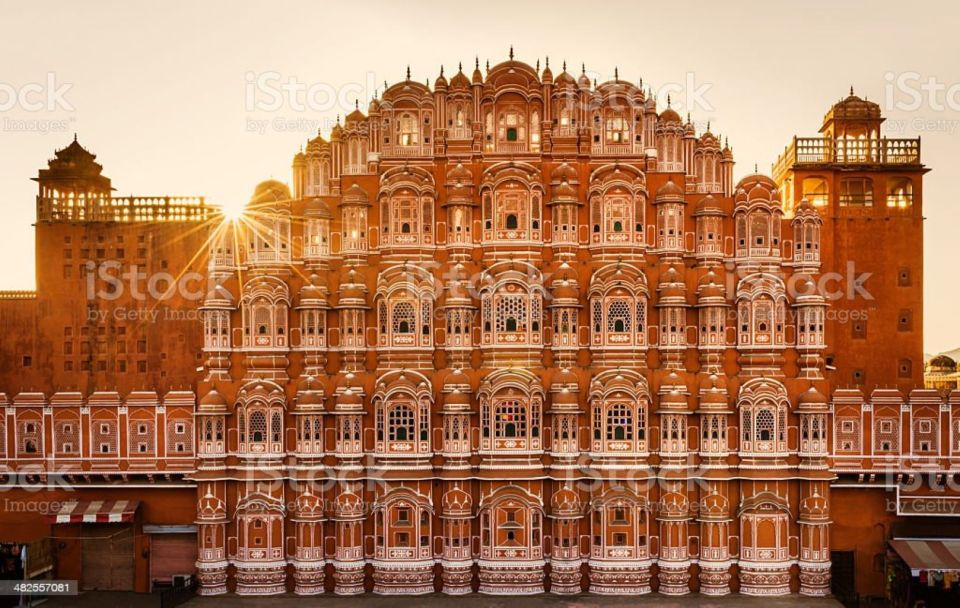
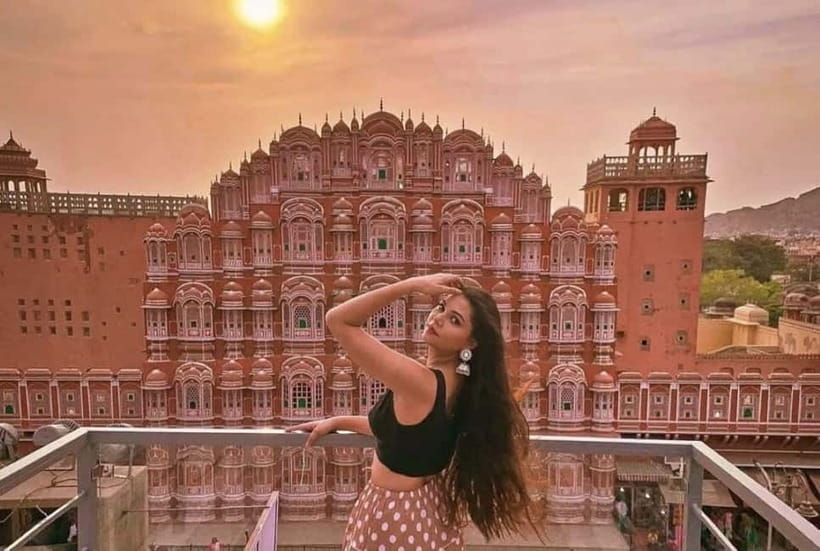
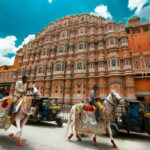
Hawa Mahal is one of Jaipur’s biggest photo magnets, and the tour treats it that way. Built in the 18th century by Rajput King Sawai Pratap Singh and known as the Palace of the Winds, it’s famous for its jharokhas, the window-like details that create repeating patterns. For a camera, that’s a gift: you can shoot straight-on for symmetry, or tilt and capture the layered look of the facade.
This stop also connects you to the visual identity of the Pink City. When you move through areas near Hawa Mahal and the older urban layout, Jaipur starts to feel like a designed stage rather than random streets.
A useful mindset here: Hawa Mahal is easiest when you focus on one thing at a time. Pick your subject—facade lines, window rows, or people/streets below for scale. Then take a few variations quickly. You don’t need to overthink it. The bigger win is getting the repetitive architecture in focus while you’re standing in the right spot.
Jantar Mantar and City Palace: architecture that works as a science photo set
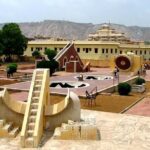
Jaipur’s story isn’t only walls and palaces. The tour includes Jantar Mantar, an astronomical observatory constructed by Maharaja Jai Singh of Jaipur in 1724. It’s a different kind of photography challenge. Instead of ornate surfaces, you’re photographing instruments and geometry. That means lines, angles, and negative space play a big role in how your photos turn out.
Then you’ll continue to the City Palace complex, which includes multiple buildings and courtyards and also houses museum trust spaces like galleries and offices. The photography advantage is that you’ll find layers: open courtyards, enclosed views, and architectural transitions. It helps you get more than one “type” of picture in the same general area.
One practical consideration: places like these can involve moving through areas with different light conditions. If you’ve got a smartphone, you’ll still do well, but be ready to adjust your exposure and avoid over-bright glare. Having a guide who understands where to stand saves time and stops you from guessing.


Shopping break in Jaipur: arts and crafts time without derailing the day
Not every photo stop needs to be another monument. The tour includes a free time window with a chance to visit an arts-and-crafts market. This is where I think the day stays balanced: you can buy something small, snack, or just wander with a lighter schedule before the forts and more intense landmarks.
Since the itinerary also includes a lunch break, you can treat this mid-day block as recovery time. If you’re heat-sensitive, use it to sit down and reset. If you’re a shopper, go for small items that fit well in a suitcase—textiles, simple handicrafts, and souvenirs are usually easier than bulky purchases.
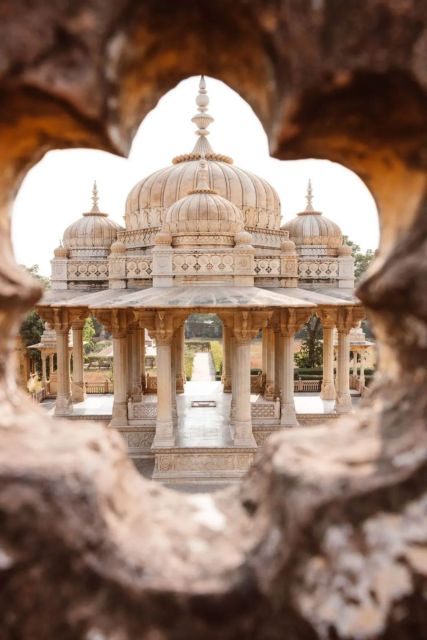
Gaitor Ki Chhatriyan: cenotaphs that photograph like sculpture gardens
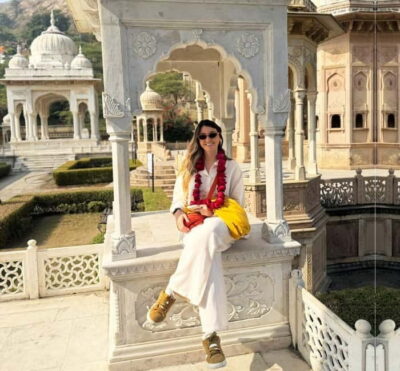
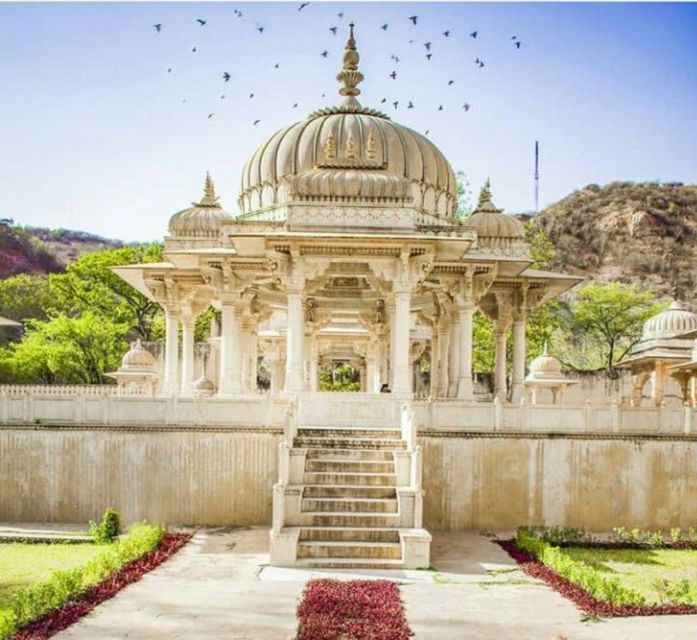
You’ll also stop at Gaitor Ki Chhatriyan for a photo stop and visit. These cenotaphs are a strong contrast to the palace architecture earlier in the day. Instead of repeating facade windows, you get multiple elevated structures with a more sculptural feel.
Photography-wise, it helps to look for patterns and repetition. When architecture spreads out across a site, your best shots often come from stepping back for a wider composition and then moving in for detail. If your guide has an eye for photos—which several guides have been praised for in past bookings—you’ll likely get quick, useful suggestions on where to position yourself.
Also, slow down here for a moment. Cenotaph sites can be visually busy, and it’s easy to rush through and end up with only average shots. Give yourself a minute to pick a focal structure, then build the rest of your photos around that.
Amber Fort and the stepwell: where your day turns epic
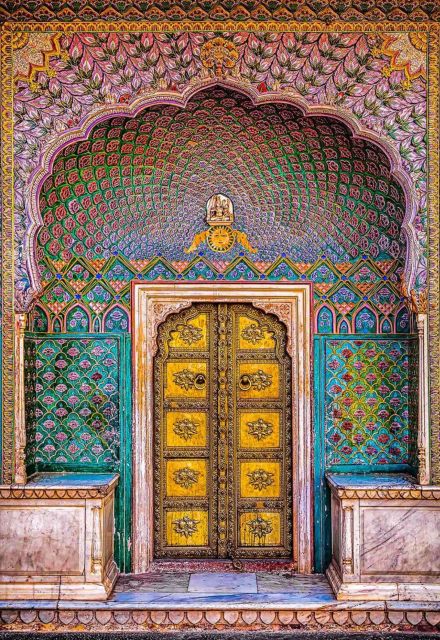
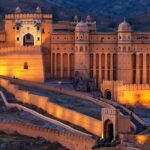
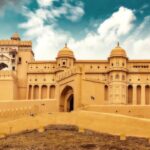
Later in the day, you’ll go to Amber Fort. This is the big one. The tour includes a photo stop, guided tour, sightseeing, and walking time here—so it’s the part of the day that demands the most energy.
The fort is visually complex, and that’s why it’s so rewarding to photograph. You’ll have walls, courtyards, and an overall sense of royal scale that’s hard to get with only quick, casual snapshots. If you want good photos, this is where your guide’s help can make a difference: in past groups, guides like Khalid and others have been noted for creative ideas and patience, meaning you’re not just pushed along.
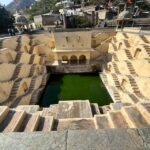
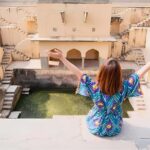
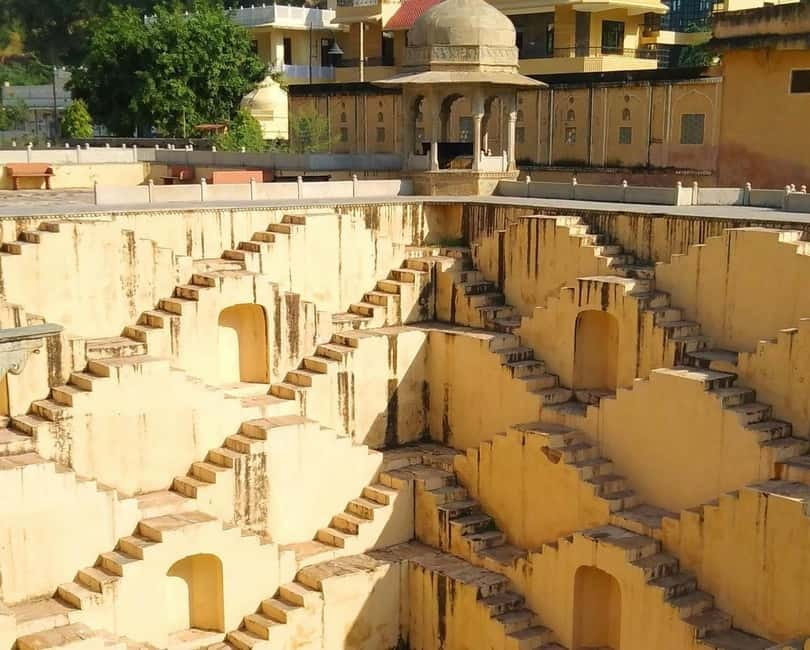
After Amber Fort, you’ll visit Panna Meena ka Kund, a stepwell. The shape and pattern of the structure gives you a different kind of frame—more lines and angles, less broad panorama. Stepwells also tend to be visually strong even in shorter time windows, which is exactly how this tour handles it: a focused stop where you can get a few signature shots without waiting around all day.
Jal Mahal and Hathi Gaon: the road-view payoff and final photo energy
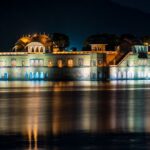
The tour finishes with Jal Mahal, the Water Palace located in the middle of Man Sagar Lake. A key detail for you as a photographer: you can take amazing pictures from the staying point at the side of the road, with the palace backdrop and nearby hills. That means you might not need to fight with long walks here—you can focus on composition and silhouette.
Finally, there’s Hathi Gaon, another photo stop and visit before you wrap up and return to Jaipur. This late-day portion is where you’ll appreciate having a chauffeur. After a day of walking and photo stops, it’s much nicer to have the transport waiting rather than figuring it out yourself.
A smart approach here: don’t try to shoot your entire portfolio at Jal Mahal. Choose a couple of strong compositions, then save some energy for Hathi Gaon. That’s how you avoid the all-day “over-sampling” problem where your photos start to look similar.
Is the $30 price good value for 8 hours?
At $30 per person for an 8-hour private tour, the value comes from what’s included, not just the number. You get pickup and drop-off, a private air-conditioned vehicle with chauffeur, and basic comforts like bottled water. The price also covers fuel, parking, tolls, and all government taxes including GST.
What’s not included is where you need to be careful: meals aren’t covered, and entrance fees at places not included may need to be paid separately. The tour does advertise a skip-the-ticket-line benefit, but you should still plan for the possibility of paying entry fees depending on the site.
So, who wins here? You’ll get good value if you want a structured day of major landmarks without coordinating transport, and if you benefit from having help framing and taking photos. If you already love navigating on your own and only want one or two sites, you might spend less elsewhere—but you’ll likely lose the convenience and the photo coaching.
Who should book this Jaipur photography tour?
Book this if you want:
- A private, car-based day across Jaipur’s top sights
- A guide who helps with photo ideas, not just history facts
- Less stress around logistics, because pickup and drop-off are handled
Skip it or consider another option if:
- You hate walking. The day includes multiple walking segments and a fort visit with more time on your feet.
- You need long museum-style downtime. This is a photo-heavy route, so most stops are focused.
This tour also fits well if you’re visiting Jaipur for a limited time and want a high hit-rate day. The structure makes it easier to see major icons without feeling like you’re rushing every five minutes.
Should you book it?
I’d book this if you want a well-paced, photo-first introduction to Jaipur, with the comfort of a chauffeur-driven car and a guide who can help you get better angles faster. The biggest selling point isn’t the label; it’s the practical support—pickup handled, water provided, and guides like Neeraj, Khalid, and Baba noted for using patience and good English to make photos come out better.
But go in with the right expectation: it’s a full day with walking, photo stops, and a lunch break—not a relaxed, wander-at-your-own-speed museum day.
FAQ
FAQ
How long is the Jaipur photography tour?
It lasts 8 hours.
What’s included in the price?
Pickup and drop-off, a private air-conditioned vehicle with a chauffeur, fuel and parking charges, bottled water, and government taxes including GST.
Are meals included?
No. Lunch or other meal expenses are not covered by the package.
Do I need to pay entrance fees?
Entrance fees are not included for places not included in the package, and you may need to pay separately depending on the stop.
What language will the driver or guide speak?
English is listed for the tour, including that the driver speaks English.
Can the route be adjusted?
Yes. Since it’s a private tour, you can tailor the tour according to your comfort.