REVIEW · PHOTOGRAPHY SESSIONS
Jaipur: Full Day Sightseeing with Professional Photographer
Book on GetYourGuide →Operated by Falcon Travels · Bookable on GetYourGuide
Jaipur can turn into a long photo scavenger hunt fast, unless someone plans it for you. This full-day outing is built for getting great shots while still covering the big sights, using a private guide and professional photographer with a car and clear stop-by-stop flow.
I really like two things here: the way the photographer helps you at the best angles (and even manages the crowd), and the fact that you’re not just sightseeing blind—you get guided context at the main monuments. One possible drawback: with only 6 hours, you’ll cover a lot, so you should expect some walking and quick transitions between stops.
In This Review
- Key things to know before you go
- How the private guide-and-photographer setup changes your Jaipur day
- Amber Fort and Panna Meena Ka Kund: the photo-heavy hilltop zone
- Hawa Mahal photo stops and Jantar Mantar: architecture plus science
- Hawa Mahal: why the windows matter
- Jantar Mantar: the stone instruments you can actually picture
- City Palace: Maharaja Jai Singh’s power center, seen close up
- Jal Mahal: the calm break at Man Sagar Lake
- Travel logistics that actually affect your photos (and your energy)
- Price and value: what $7 per person really means
- Who this Jaipur photographer tour fits best
- Should you book this Jaipur full-day sightseeing with a professional photographer?
- FAQ
- How long is the Jaipur sightseeing tour with a photographer?
- Where do they pick you up in Jaipur?
- Is this tour private or shared?
- Which main attractions are included in the plan?
- Is lunch included?
- Are entrance tickets included?
- What languages can the guide speak?
- Is the tour wheelchair accessible?
- Is free cancellation available?
Key things to know before you go
- Photographer coaching, not just pointing: You get pose ideas and hands-on help for the hard-to-photograph spots.
- Big hilltop stop first: Amber Fort is paired with a striking nearby stepwell, so you get variety without extra travel.
- Iconic Jaipur in tight order: Hawa Mahal, Jantar Mantar, City Palace, and Jal Mahal all fit into one day.
- Optional add-ons matter: Tickets and lunch depend on the option you select, even though the structure stays the same.
- Private car, private group: You’re not stuck waiting on a larger crowd schedule.
How the private guide-and-photographer setup changes your Jaipur day
This tour is designed around comfort and control. You’re picked up from your chosen spot in Jaipur by private AC car, then you travel with a guide and a photographer for the day. That matters because Jaipur’s major sights can be busy, and the difference between a good photo and a frustrating one is often timing, position, and crowd management.
The guide role is practical. You don’t just stand and look. You get explanations tied to what you’re seeing—Amber Fort’s design choices, why Hawa Mahal’s openings were built, and what the stone instruments at Jantar Mantar were meant to measure. English is standard, and you can also have the tour in Italian, Spanish, or French, which helps a lot if you want more than basic narration.
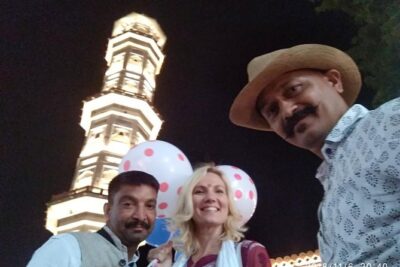
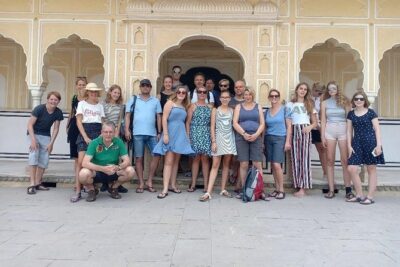
The photographer part is where this tour feels different from a standard sightseeing circuit. From the service style described by past guests, the photographer doesn’t only capture moments; they help you look like you belong in the scene. People mention how photographers suggested poses and kept things smooth even when there were other photographers around. And since your group stays private, you’re less likely to lose your angle waiting for someone else’s turn.
You can also read our reviews of more photography tours in Jaipur


Amber Fort and Panna Meena Ka Kund: the photo-heavy hilltop zone
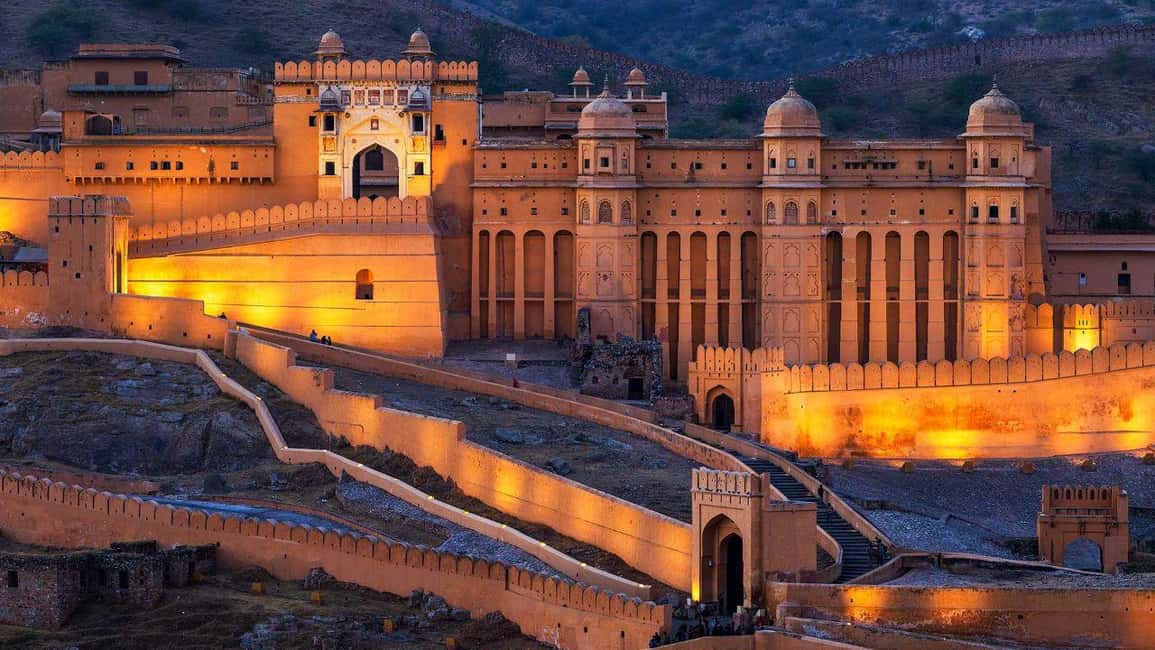
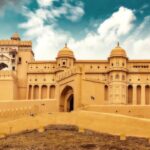
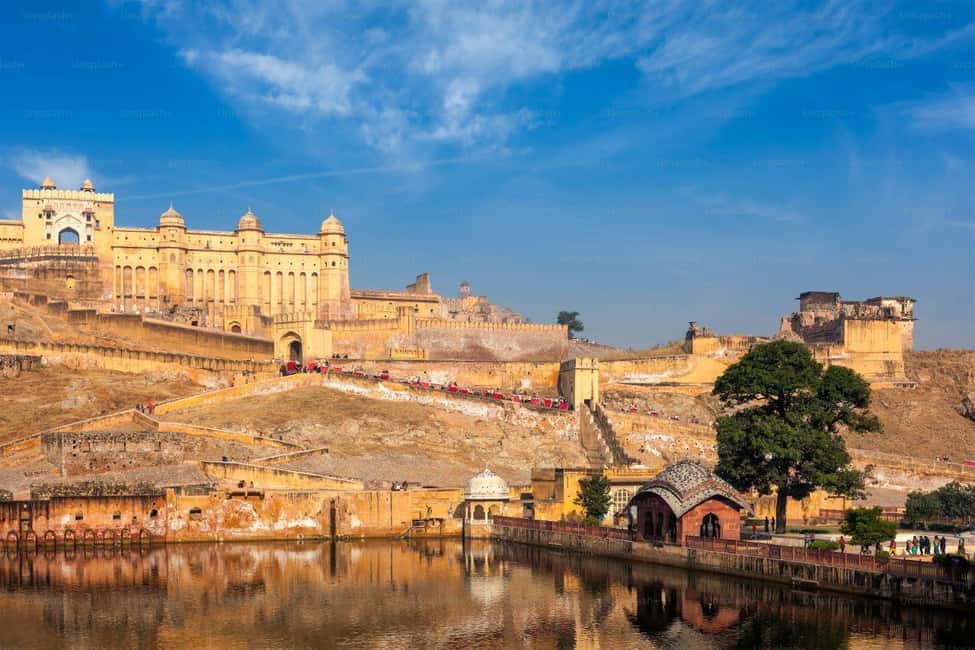
Amber Fort is the kind of place that can swallow a morning if you’re underprepared. Here, you get a photo stop, a guided visit, and a guided tour. That’s smart because Amber Fort isn’t one single view—it’s a layered experience of courtyards, architectural details, and defensive design that shifts as you move.
What makes this stop especially worth your time is the architecture mix: it’s known for a blend of Hindu and Muslim styles. You also get the practical advantage of learning what you’re looking at while you’re there, rather than trying to piece it together later with a guidebook.
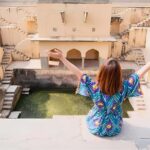
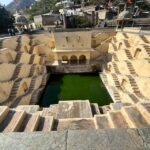
Just near this fort area, you’ll also visit Panna Meena Ka Kund, a historic stepwell famous for its symmetrical stairways and its role in catching rainwater. The contrast is great: Amber Fort gives you power and height, and Panna Meena Ka Kund gives you geometry and function. If you’re into photography, stepwells often turn into instant “wow” frames because the structure naturally leads your eye.
One real consideration: you may be moving between viewpoints and across uneven surfaces. Wear comfortable shoes. If you’re sensitive to stairs, tell your guide early so they can plan a route that keeps the day enjoyable instead of exhausting.
Hawa Mahal photo stops and Jantar Mantar: architecture plus science
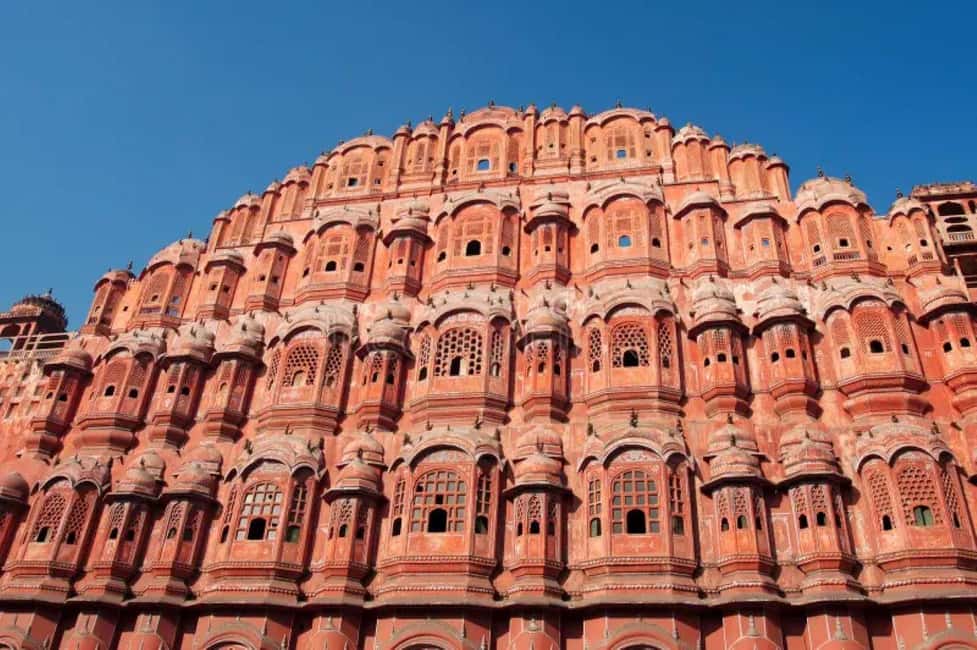
After the hilltop area, the day shifts into two of Jaipur’s most recognizable “wow” stops: Hawa Mahal and Jantar Mantar.
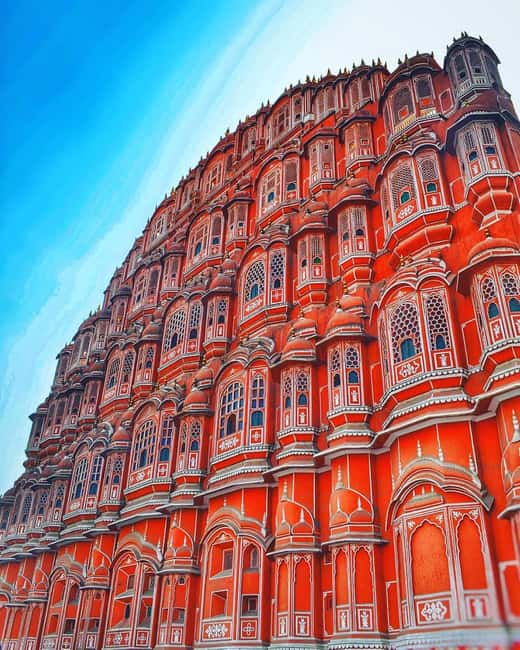
Hawa Mahal: why the windows matter
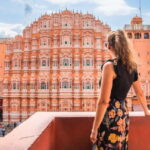
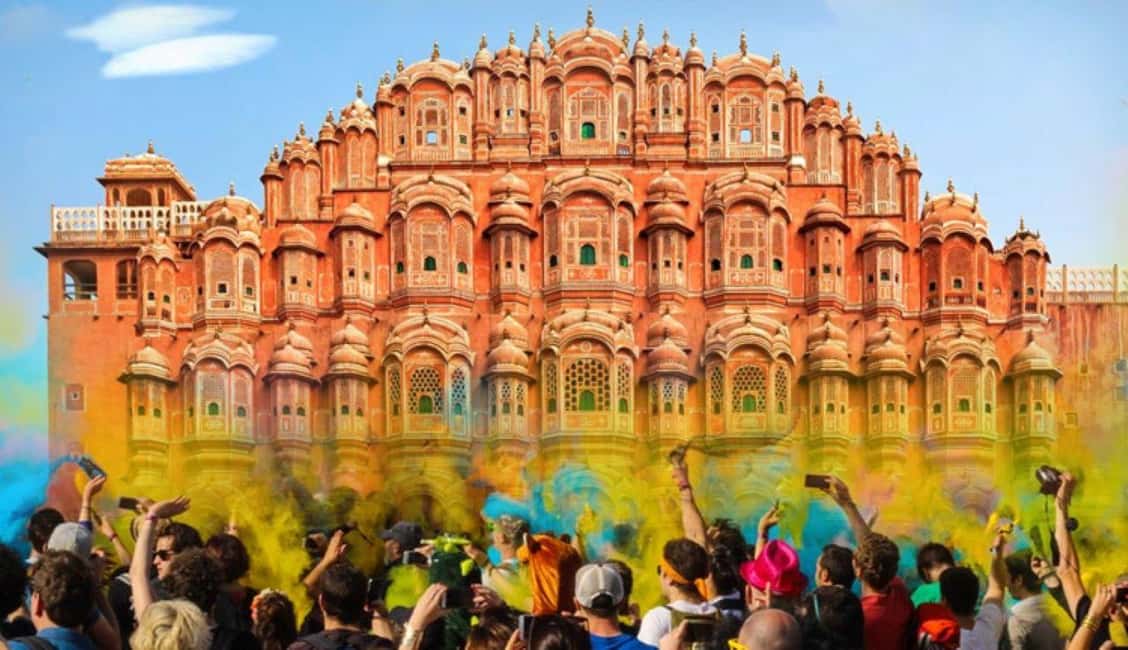
Hawa Mahal, or Palace of Winds, is famous for its tiered arches and latticework screens. The key detail is the original purpose: it was designed to give glimpses into daily life in the city. That helps you understand why you’re seeing so many openings, not just because it looks pretty from the outside.
In a photography-focused format, you’ll usually get a dedicated photo stop here plus time for visit and guided explanation. A good photographer helps you pick the vantage that shows the lattice pattern clearly and still keeps your face visible. If you’ve ever tried to photograph Hawa Mahal on your own, you know how hard crowds can be. With a private setup, you spend less time stuck and more time shooting.
Jantar Mantar: the stone instruments you can actually picture
Then comes Jantar Mantar, a UNESCO World Heritage site known for nineteen astronomical instruments built by Rajput king Sawai Jai Singh. The headline reason people come: the world’s largest stone sundial. But what makes it more than a “check-the-box” stop is how the guide frames it. You’re not just seeing stones and markings—you’re learning that each instrument had a role in ancient sky measurement.
If you like moments where buildings teach you something, this is one of those. And it’s a strong pairing with Hawa Mahal: one place shows design made for everyday viewing, and the other shows design made to track the sky.
A practical note: bring patience for photography. Instrument markings can be detailed, and you’ll want clear angles. Your guide and photographer will help with positioning, but it’s still a busy landmark, so expect some waiting at the busiest spots.
You can also read our reviews of more tours and experiences in Jaipur



City Palace: Maharaja Jai Singh’s power center, seen close up
City Palace is where you slow down a bit and understand that Jaipur’s monuments aren’t only about aesthetics. It’s the Maharaja’s palace complex, built by Maharaja Jai Singh, and it connects you to the former royal family’s life.
For this stop, you get a photo stop plus visit and guided tour time. That combination is important. From the outside, City Palace can look like a single “big palace.” Up close, it’s more detailed—courtyards, royal spaces, and a layout that explains how authority was organized. A guide helps you connect what you’re seeing with why it was built that way.
Photography here tends to be more controlled than on the street, but it still benefits from a photographer who knows how to frame architectural lines. If you’ve got limited time, City Palace is one of those stops where guided pacing makes your photos and your understanding both better.
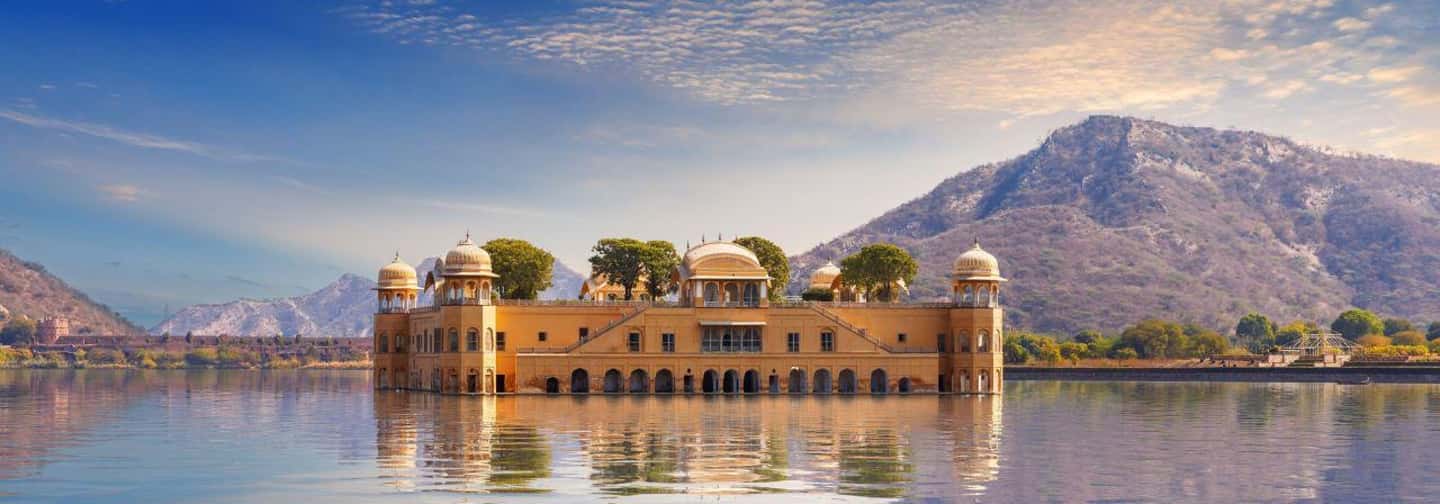
Jal Mahal: the calm break at Man Sagar Lake
Jal Mahal is the water palace set in Man Sagar Lake, and it’s a nice emotional reset after the busier monuments. The structure dates back to the 18th century and it’s built from striking red sandstone, so even when you’re not capturing a “crowd scene,” you can still get strong compositions with reflections and architectural lines.
In a full-day tour, Jal Mahal can be easy to rush. The advantage here is that it’s planned as a distinct photo stop and visit, not a quick drive-by. You get time to step back, watch the water setting, and then reposition for photos without feeling like you’re constantly sprinting.
The only consideration is that this stop works best if you’re comfortable taking a slower moment. If you only want the flashiest architectural interiors, Jal Mahal may feel calmer than the other stops. But if you want one peaceful anchor in the middle of the day, it’s a great one.
Travel logistics that actually affect your photos (and your energy)
This is a private group tour, and the private car helps more than you might think. Jaipur traffic and distances can eat time, and a dedicated driver keeps you from losing your rhythm. Past guests specifically praised punctual drivers (including names like Nadeem, Dilip, and Anish) and guides who managed the day with flexibility.
You’ll also have bottled water included. That sounds basic, but in Rajasthan heat, it’s the difference between “I’m good for one more stop” and “I’m done.” Even if your day feels smooth, hydration keeps you steady enough to enjoy the monuments instead of just surviving them.
Another practical win: there’s a skip-the-line separate entrance feature. That helps at major sites because lines can form quickly. For anyone doing this in a short time window, it’s the kind of small detail that can save you 20 minutes or more and turn your day from rushed to relaxed.
Price and value: what $7 per person really means
At about $7 per person for a 6-hour private sightseeing day with guide, photographer, and AC car, the value is the headline. The included items make the math make sense on paper: hotel pickup and drop-off, transportation in an AC car, professional tour guide, professional photographer, and bottled water, plus all taxes.
But here’s the only part I’d be careful about: entrance tickets and lunch are only included if you select those options. So if you’re comparing prices, look closely at what’s bundled. If you choose tickets and lunch, you’re effectively paying for a structured day where you don’t have to manage cash for each site on top of the sightseeing.
Lunch is planned as an authentic Indian meal at a good spot in Jaipur. In a day packed with iconic stops, choosing a single reliable lunch plan is a real convenience. It’s also one of those moments where a guide can help you avoid guessing what’s best.
So for value: this is strongest if you want guided interpretation plus photography help in one day. If you’re an ultra-confident independent traveler who already knows exactly where you want photos and you don’t care about coaching, you might spend less on a basic driver. But for most people, the combination of guide + photographer in a single package makes the time feel worth it.
Who this Jaipur photographer tour fits best
This tour is a smart match for:
- Couples and small groups who want great photos without spending hours researching angles.
- Travelers who love architecture and want explanations, not just pictures.
- Anyone short on time in Jaipur who still wants to see Amber Fort, Hawa Mahal, Jantar Mantar, City Palace, and Jal Mahal.
- People who want the comfort of a private AC car and a coordinated plan.
It can be less ideal if you:
- Prefer a slow, unstructured day with lots of independent roaming.
- Don’t like walking between photo points or around historic sites.
- Are traveling with a strict schedule that can’t flex, because a monument day can run slightly late if a stop is crowded or if you spend more time at a viewpoint.
Should you book this Jaipur full-day sightseeing with a professional photographer?
I’d book it if you want Jaipur to feel organized and photo-ready. The strongest reason is the pairing of a guide who explains what you’re seeing with a photographer who helps you stand in the right place. Past experiences shared by guests highlight punctual drivers like Nadeem, Dilip, and Anish, plus guides such as Arwind, Ravindra, and Abdul who provided explanations and cared about getting the best photo spots. One guest even highlighted a photographer named Kabir for being quick, professional, and good at managing the crowd.
Book it with one planning mindset: confirm whether you want entrance tickets and lunch included, and wear shoes you can walk in. If you do those two things, you’ll get a tightly packed day that doesn’t feel chaotic—exactly what you want when you’re trying to cover Jaipur’s biggest icons in only 6 hours.
FAQ
How long is the Jaipur sightseeing tour with a photographer?
The duration is 6 hours.
Where do they pick you up in Jaipur?
They pick you up from your desired location in Jaipur.
Is this tour private or shared?
It’s a private group.
Which main attractions are included in the plan?
You’ll visit Amber Fort, Hawa Mahal, Jantar Mantar, City Palace, and Jal Mahal. You’ll also visit Panna Meena Ka Kund near the Amber Fort area.
Is lunch included?
Lunch is included if you select the option for lunch.
Are entrance tickets included?
Entrance tickets are included if you select the option for entrance tickets.
What languages can the guide speak?
The guide is available in English, Italian, Spanish, and French.
Is the tour wheelchair accessible?
Yes, the tour is wheelchair accessible.
Is free cancellation available?
Yes, you can cancel up to 24 hours in advance for a full refund.