REVIEW · RANTHAMBORE TIGER SAFARI DAY TRIPS
From Jaipur: Ranthambore Private Day Trip with Tiger Safari
Book on GetYourGuide →Operated by Jaipur Trips · Bookable on GetYourGuide
Ranthambore turns a road trip into a wildlife gamble. I like the private air-conditioned transfers from Jaipur, and I like that entry fees, the naturalist guide, canter safari, and bottled water are wrapped into the price. The one drawback to plan around is that tiger sightings are never guaranteed, and the timing of how much of the day is spent on safari versus other park stops can feel different from what you expect.
If you’re doing this in the afternoon, you’ll usually start around 1 PM in the Ranthambore area, then your safari block begins about 2 PM. This is also a seasonal reserve: Ranthambore closes during the monsoon months (July–September), so you’ll want to line up dates before you commit.
In This Review
- Key Points Worth Your Time
- Road Trip Reality: Jaipur to Sawai Madhopur (Then Back Again)
- Timing Inside the Park: How the Afternoon Safari Usually Works
- What you’ll be doing in the canter
- First Stop Feel: The Royal Fort and Temple Area (Yes, Monkeys Too)
- Tiger Country: What You Can Control (and What You Can’t)
- Guides and the Canter: Small Group Advantage, Shared Seat Reality
- Price and Value: Is $87 a Good Deal?
- What the Full Day Looks Like, Step by Step
- Pickup in Jaipur
- Drive to Sawai Madhopur
- Arrive around 1 PM
- Afternoon safari block starting around 2 PM
- Return to Jaipur after 6:30 PM
- What to Bring, What Not to Do, and Who Should Skip
- Season and Closures: Don’t Get Caught by Monsoon Dates
- Who This Trip Fits Best (and Who It Doesn’t)
- Should You Book This Jaipur to Ranthambore Day Trip?
Key Points Worth Your Time
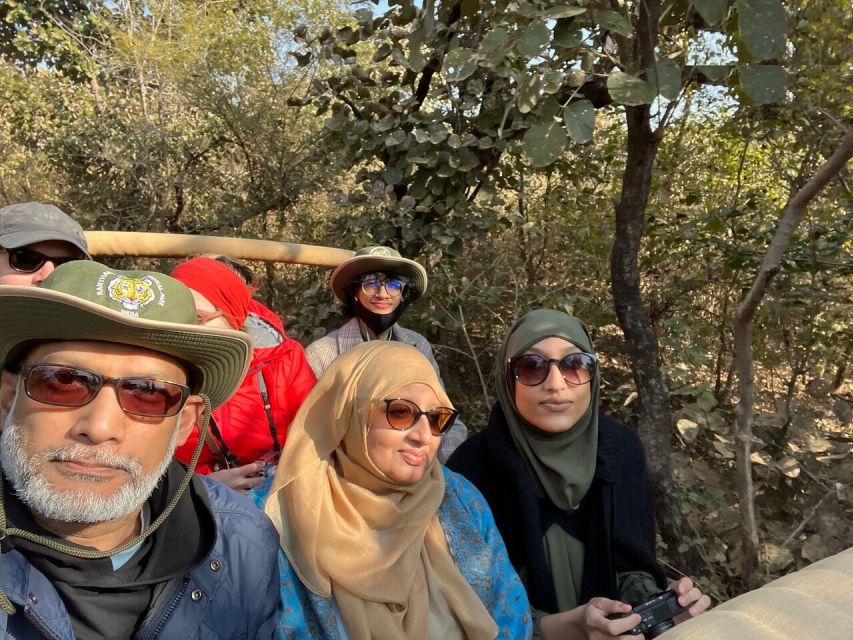
- Private car from Jaipur, open canter in the park: Comfort getting there, shared safari vehicle once inside.
- Afternoon safari timing can shift: Plan for a range based on season and sunset rules.
- Royal Fort and temples are part of the day: You may spend more time here than you expect, along with monkeys.
- Tiger sightings are possible, not promised: You’re going for a chance, not certainty.
- Bring an ID and skip alcohol: Passport or ID card needed; alcohol and drugs aren’t allowed.
- A driver can make a messy day work: One booking hiccup was handled same-day by the driver.
Road Trip Reality: Jaipur to Sawai Madhopur (Then Back Again)
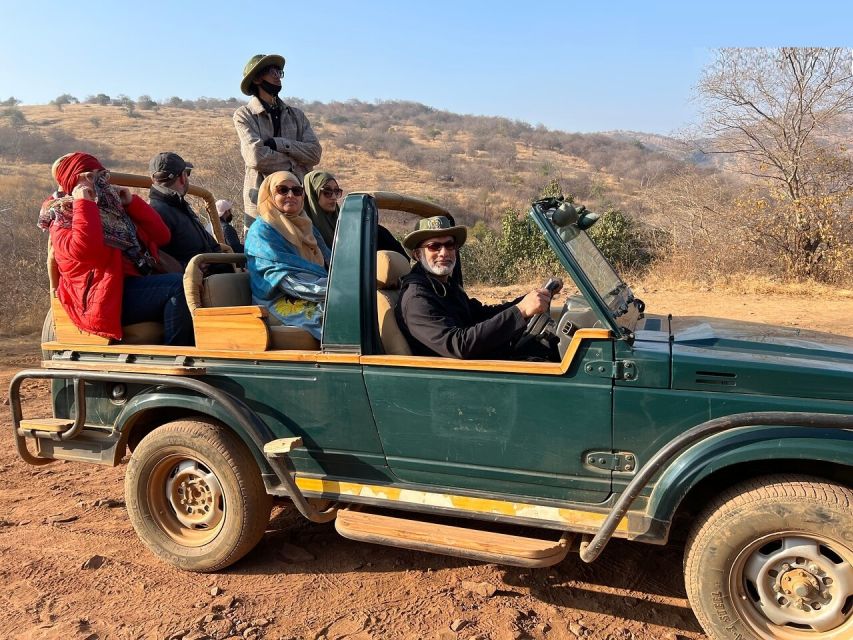
This is a classic long-day format. You leave Jaipur early, then spend roughly 3 to 4 hours driving toward Sawai Madhopur, the gateway town for Ranthambore National Park. It’s the kind of route where the comfort of a private car matters, because you’re going to need your energy later for the safari and waiting time.
What I like here is that the transfers aren’t some bare-bones shuttle. You’re traveling in a private air-conditioned car, and the plan includes a planned return transfer after your safari. That means less stress about routes, timing, and who’s paying attention when schedules shift a bit.
The practical catch: it’s still a full-day commitment. With a 12 to 15 hour total timeline, you’re not strolling at your own pace in Jaipur before pickup, and you’re likely not going to want a big dinner afterward unless you’ve planned for it. If you want a lighter day in Rajasthan, this isn’t the one.
You can also read our reviews of more private tours in Jaipur


Timing Inside the Park: How the Afternoon Safari Usually Works
Ranthambore runs on safari slots tied to daylight, and your trip is built around the afternoon window. The plan is generally to reach the park area by about 1 PM, then start your safari activity around 2 PM. After that, the overall safari block runs until roughly 6:30 PM, when the driver heads you back to Jaipur.
On paper, the safari portion is described as a 2 to 3 hour wildlife experience. In practice, the whole block can feel longer because the day can include more than just time in the canter. One traveler experienced about 40 minutes in the safari vehicle and then a larger chunk of time at the fort area with monkeys. Another trip reported being in the park around 2 to 2.5 hours total, with a 15-minute bathroom break.
So here’s the honest planning advice: treat the safari time as a target, not a promise. You’re buying a park experience led by a naturalist guide, but the reserve’s realities—animal movement, where the canter is allowed to go, and operational pacing—can shift the day.
What you’ll be doing in the canter
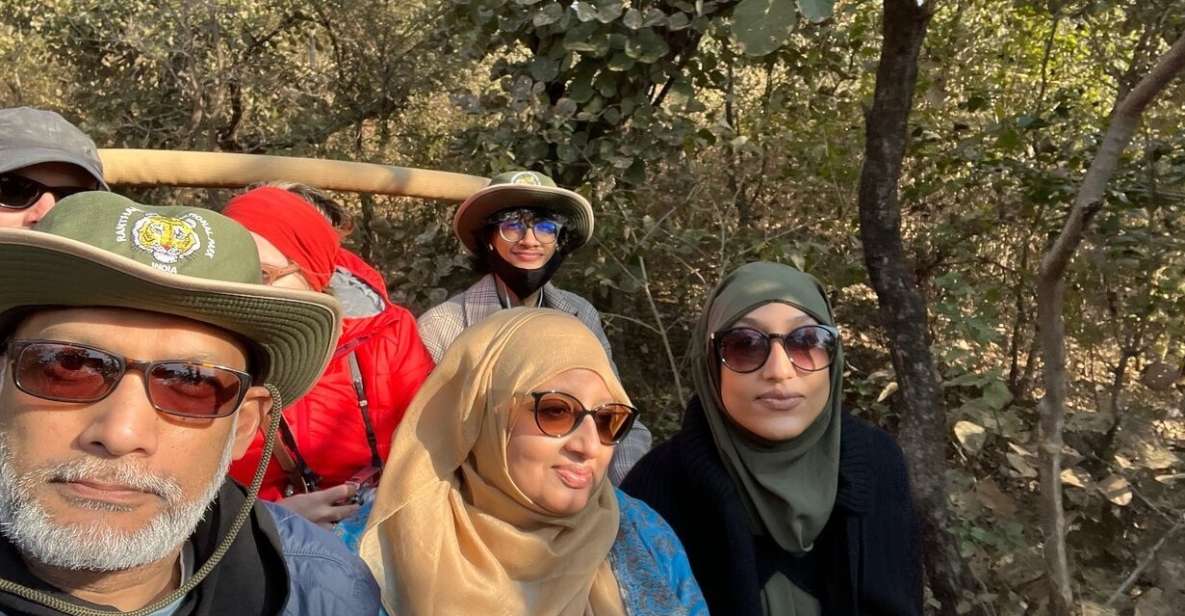
Your wildlife viewing happens from an open 20-seater canter with a government-approved naturalist guide. This format is important: you get the chance to spot wildlife from closer range than you’d with distant viewing, and the guide is there to help you notice what you might miss.
Also, because it’s open and you’re sitting for long-ish stretches, it’s smart to dress for wind and sun. Even in winter evenings, a canter ride can feel cooler once you’re out there watching and waiting.
First Stop Feel: The Royal Fort and Temple Area (Yes, Monkeys Too)
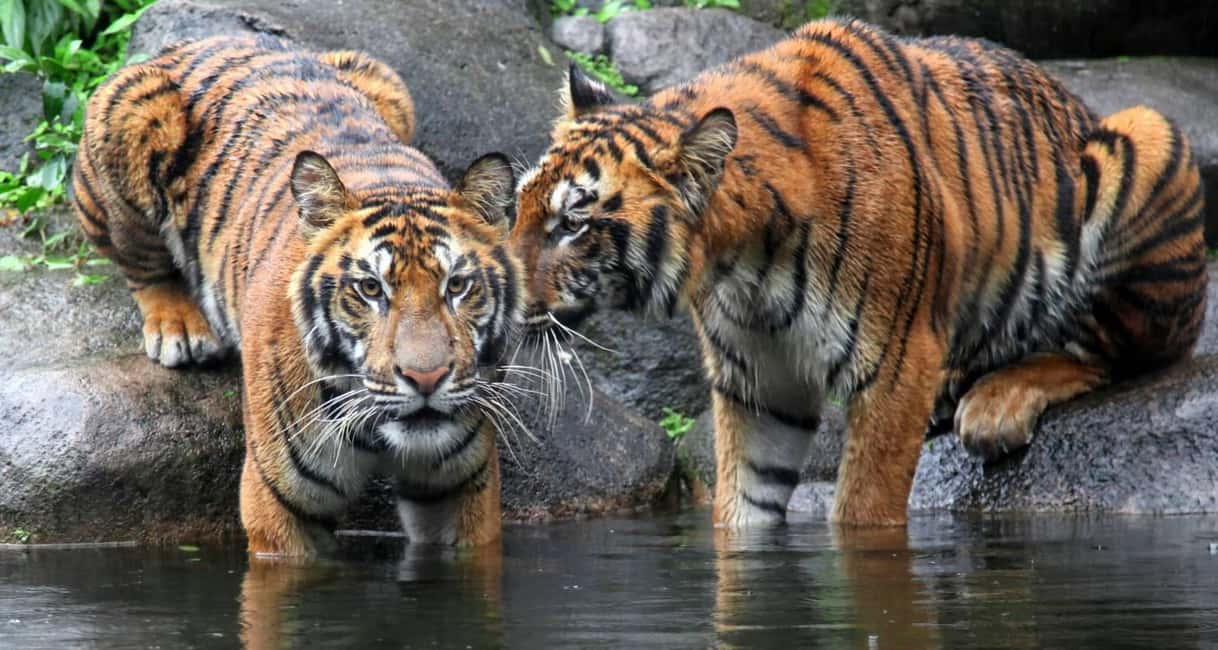
Ranthambore isn’t only about tigers. The park sits around an older human layer too. It was once a royal hunting ground, and the area still includes the Royal Fort and ancient temples. That matters because it adds a second type of sightseeing: history and viewpoints mixed into the same day as wildlife.
This is where expectations can wobble. Some people picture almost all-time in the safari vehicle. In reality, you may spend a noticeable stretch at the fort/temple area. And yes—monkeys can be part of the scene. One traveler said the trip felt less like a pure safari and more like fort time, with monkeys taking up a big chunk of the day after the canter segment.
Is that bad? Not automatically. If you’re okay mixing wildlife with a historical viewpoint and you don’t mind short-term crowds and animal-on-the-ground chaos, it can be a more varied day. If your only goal is tigers from the seat of the canter, plan mentally that you might not get the ratio you imagined.
Tiger Country: What You Can Control (and What You Can’t)
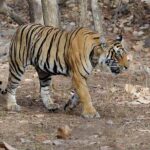
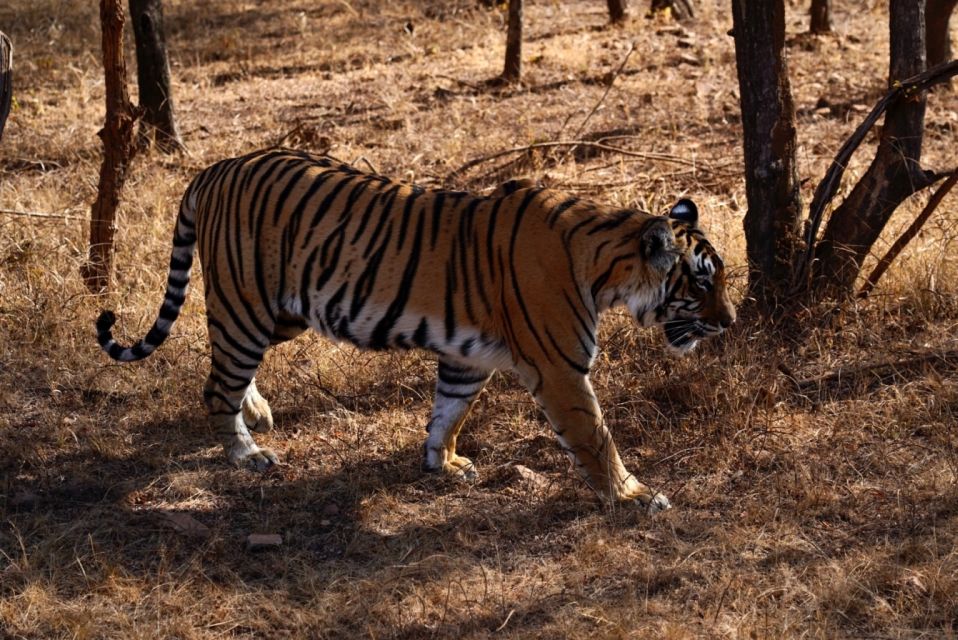
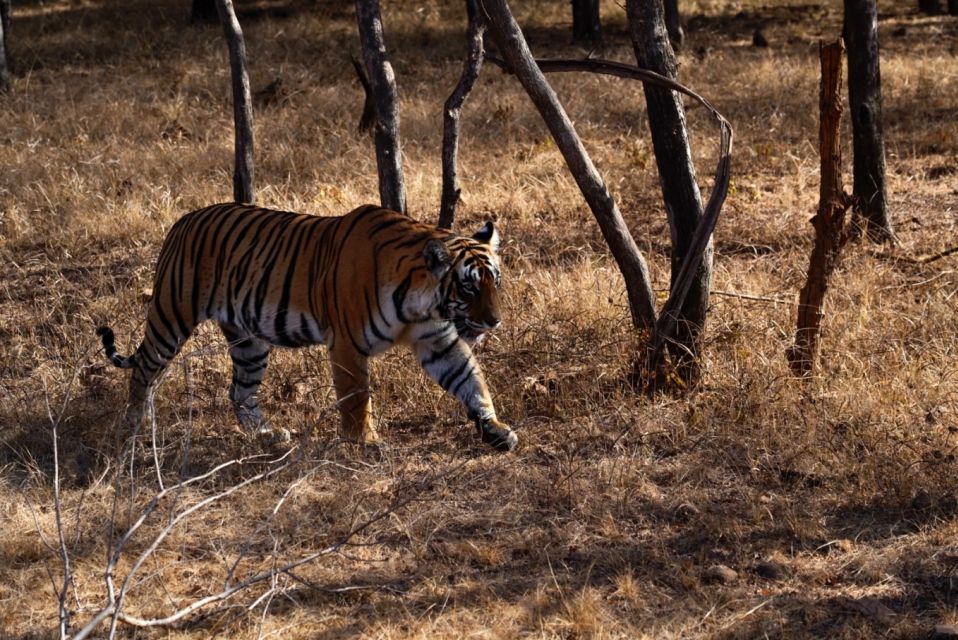
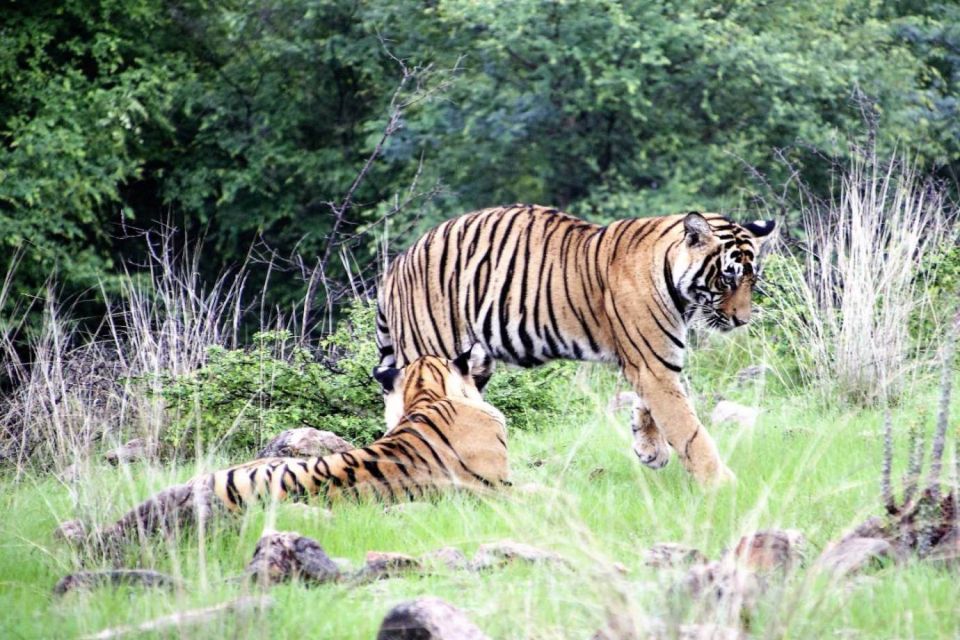
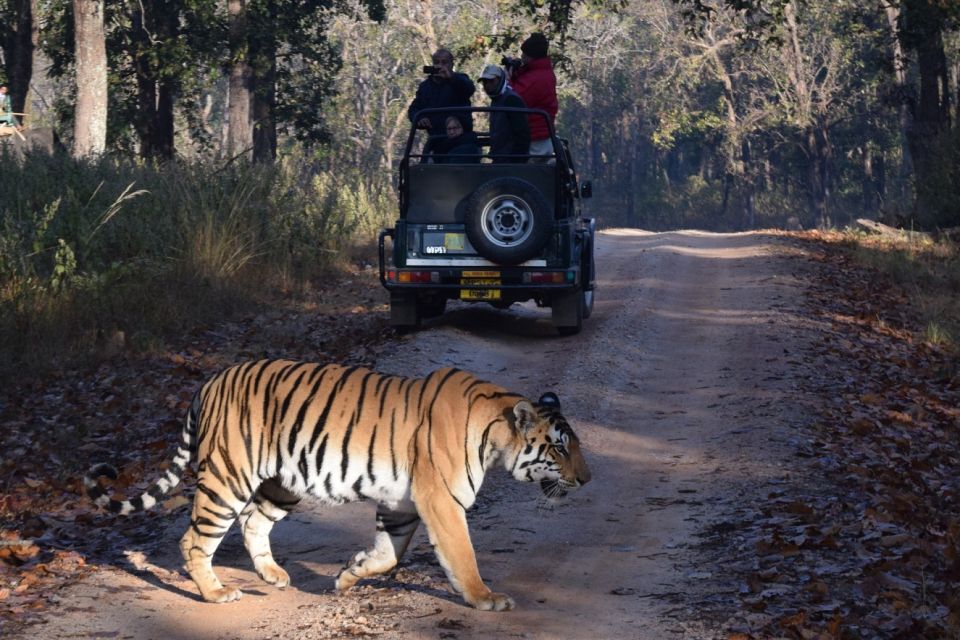
Let’s talk about the big reason people come: Bengal tigers. Ranthambore is known for them, along with other residents like mugger crocodiles, Indian leopards, sloth bears, and hundreds of bird species.
But the key fact is also the key limitation: Ranthambore is a reserve, not a zoo. The experience is managed by the Government Forest Department, and sightings are not guaranteed. That’s not a small footnote—it’s the heart of value here.
So what can you control?
- You can arrive on time and stay flexible with the safari slot.
- You can pay attention to the naturalist guide’s calls and where the canter is positioned.
- You can bring the right expectations: you’re looking for signs, movement, and moments—not a scheduled tiger parade.
The tiger-watching reality is why I still think this trip can be worth it, even with uncertainty. When tigers do show up, it’s not just seeing an animal—it’s seeing a whole ecosystem suddenly click into place. But you should be honest with yourself: if you need a guaranteed tiger sighting, this isn’t built for that.
You can also read our reviews of more tours and experiences in Jaipur





Guides and the Canter: Small Group Advantage, Shared Seat Reality
One of the best parts of this tour design is the emphasis on a smaller group setup aimed at maximizing animal sightings. That matters because wildlife viewing is more about attention than about crowds.
Still, once you’re in the park, you’ll be in an open 20-seater canter. That’s not private, but it is designed for wildlife spotting. Your guide is there as a government-approved naturalist in English, which helps a lot when you’re trying to understand what you’re seeing—especially when animals are small, still, or hidden.
The quality of the guide can make a big difference. One account described a guide as unmotivated with minimal explanations and weaker English comprehension, and the experience felt too short and disappointing. Another driver (Ali) was praised as a true professional and helped make the day smooth, with roadside stops along the way.
So here’s my balanced take: the core structure is good, and the naturalist guide is part of what you’re paying for. But if you’re the type who needs detailed narration the whole time, accept that guide style can vary.
Price and Value: Is $87 a Good Deal?
At $87 per person for a day trip, the value comes from what’s included. You’re getting:
- Round-trip transfer between Jaipur and Ranthambore
- Private air-conditioned car
- Bottled water
- Entrance fee
- Canter safari
- Naturalist guide
That list matters because it prevents the common tourist trap of paying for the car, then realizing you still have to buy entrance and safari tickets separately. Here, the big costs are already handled.
The reason value still depends on you is the one thing you can’t invoice: tiger sightings. When you get a strong wildlife day, this price feels fair to excellent. When you end up with little time in the canter segment or a slow animal day, the same price can feel steep—especially if you were expecting a longer safari vehicle time.
My advice: treat this as a probability purchase. If you can handle uncertainty and you’re genuinely excited by seeing what lives in the reserve, the included structure makes the cost easier to swallow.
What the Full Day Looks Like, Step by Step
Here’s the flow you should expect, with the parts that can shift called out.
Pickup in Jaipur
Pickup is available from your hotel, airport, railway station, or another location in Jaipur. Your day starts when your driver collects you, and then you head toward Ranthambore’s area.
Why this matters: you don’t have to figure out intercity transport, and you don’t have to coordinate entry times on your own.
Drive to Sawai Madhopur
You’ll ride for about 3 to 4 hours. This is mostly road time, and it sets up the afternoon wildlife schedule.
Potential drawback: it’s a long sit, so bring water and keep your phone charged. You may also want to dress in layers.
Arrive around 1 PM
The plan is to arrive around 1 PM, giving time before the afternoon safari begins.
Why this matters: it helps you avoid that scramble where you reach late, miss instructions, and stress out.
Afternoon safari block starting around 2 PM
Around 2 PM, your safari begins, and you travel through the forest zone in the open canter with your naturalist guide. The guide helps you scan for flora and fauna, and you’re out there for the main wildlife viewing.
What can surprise you: the ratio of canter time versus fort/temple time. Some days feel safari-heavy. Other days lean more into the fort area.
Return to Jaipur after 6:30 PM
After your safari ends around 6:30 PM, your driver takes you back to Jaipur. You can request a dinner break on the way back, which is a thoughtful option because it keeps you from landing hungry and cranky.
Why this matters: after a full day, you don’t want to improvise food logistics at the worst possible time.
What to Bring, What Not to Do, and Who Should Skip
This tour has a few clear rules.
Bring:
- Passport or an ID card
Not allowed:
- Alcohol and drugs
Also:
- The trip isn’t suitable for pregnant women.
These might sound basic, but they’re the difference between a smooth entry and awkward last-minute fixes. If you’re traveling with just a photo of your passport, don’t. Carry the actual ID document.
Season and Closures: Don’t Get Caught by Monsoon Dates
Ranthambore National Park closes to visitors during the monsoon season: July to September. That’s a hard stop, so you should check your calendar early.
Safari timing also shifts by season. General ranges include:
- 1 July to 16 September: roughly 3:00 PM to 6:30 PM
- 17 October to 30 December: roughly 3:30 PM to 7:00 PM
So yes, you’re coming for a set day trip. But your exact safari start can shift based on dates and reserve operations.
Who This Trip Fits Best (and Who It Doesn’t)
This is a good fit if:
- You’re excited by wildlife and bird life, not only tigers
- You want organized transport and guidance without the hassle
- You’re comfortable with a long day in exchange for a chance at a memorable reserve visit
- You like seeing how a park works, including its fort/temple context
It’s less ideal if:
- You need a long, guaranteed wildlife-vehicle-only experience
- You’re the type who plans around a strict schedule and will be upset if the day’s pacing changes
- You can’t handle the uncertainty of tiger sightings
The best mindset is flexible. Even on great days, wildlife is unpredictable. Your job is to notice what’s there and enjoy the ecosystem you came to see.
Should You Book This Jaipur to Ranthambore Day Trip?
If you want the convenience of a private transfer, the included guide and safari logistics, and you’re okay with the reality that tiger sightings can’t be guaranteed, then this tour is a solid way to do Ranthambore from Jaipur without overplanning.
My “yes” checklist for you:
- You can handle a 12–15 hour day
- You’re excited by the reserve experience, not just one animal
- You’re willing to accept that safari time and fort time can vary
- You’ll bring your ID and dress for outdoor time in an open canter
My “think twice” checklist:
- Your expectation is a long, safari-only vehicle experience every minute
- You’re traveling in July–September (when the park is closed)
- You’re not comfortable with the uncertainty built into wildlife reserves
Book it when your goal is a real safari day structure from Jaipur, with a serious chance at seeing India’s wildlife up close—and when you’re ready for Ranthambore to do what Ranthambore does best: surprise you, or at least impress you in other ways.