REVIEW · COOKING CLASSES
Best cooking class with family in Jaipur – Activity in jaipur
Book on Viator →Operated by Manju Cooking Classes · Bookable on Viator
Saffron and family welcome in Jaipur. This 3-hour home cooking class with Manju Cooking Classes mixes Indian food lessons with real Rajasthani hospitality. You’ll choose what you want to cook, learn with a tutor and the family, eat together, and even join a Rajasthani dance moment at the end.
I like two things most: first, how the hosts (including Manju and Ekta) teach with clear, hands-on guidance so you can actually follow along. Second, the focus on fresh produce and spices—the kinds of ingredients you want to taste, not just read about.
One consideration: since this is a home-style setup, the pace and exact dishes can vary based on your menu choices and what’s ready that day. If you want a strict, restaurant-like schedule, you might find it a bit more relaxed.
In This Review
- Key things that make this Jaipur class worth your time
- Entering a Jaipur home: the welcome is part of the lesson
- Price and logistics: what $22.70 gets you in real terms
- Pick your dishes: why the menu choice is the secret weapon
- How the teaching works in the kitchen (and what you should watch for)
- The meal afterward: why you should plan to enjoy, not rush
- Rajasthani dance time: a cultural bonus that actually fits the day
- Family-run hospitality: what “local” feels like here
- Who this is best for (and who might want a different style)
- Should you book Manju Cooking Classes?
- FAQ
- How long is the cooking class in Jaipur?
- What does the class cost?
- Is pickup available?
- Do I get to choose what I cook?
- Does the experience include cultural activities beyond cooking?
- What is the group size limit?
- Is there free cancellation?
Key things that make this Jaipur class worth your time
- Indian welcome first: a traditional greeting sets the mood before you touch a spoon.
- Dress included based on gender: you’ll be given Indian clothing to wear during the experience.
- Pick-your-menu cooking: you get to choose what you cook rather than following a fixed script.
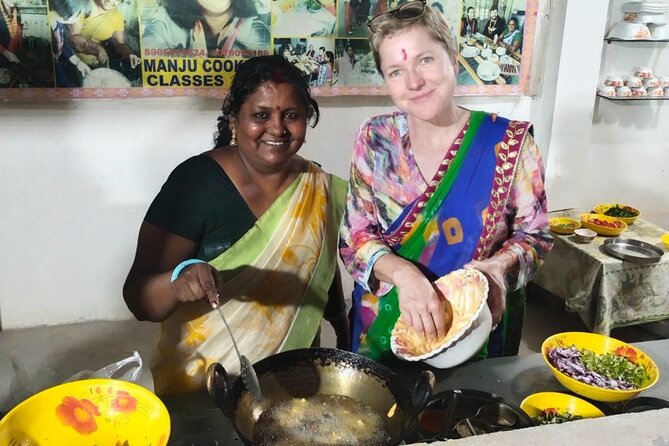
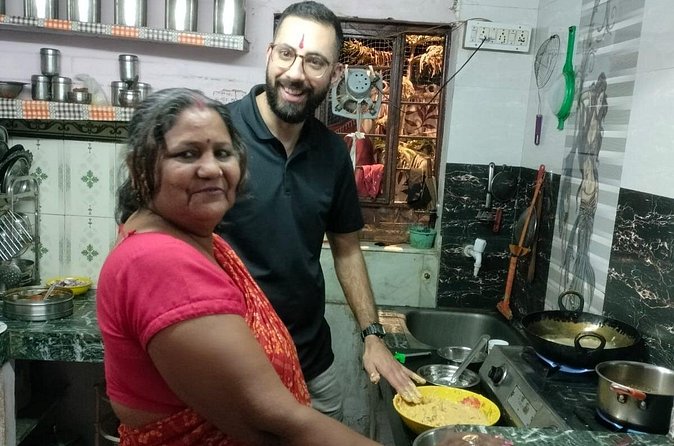
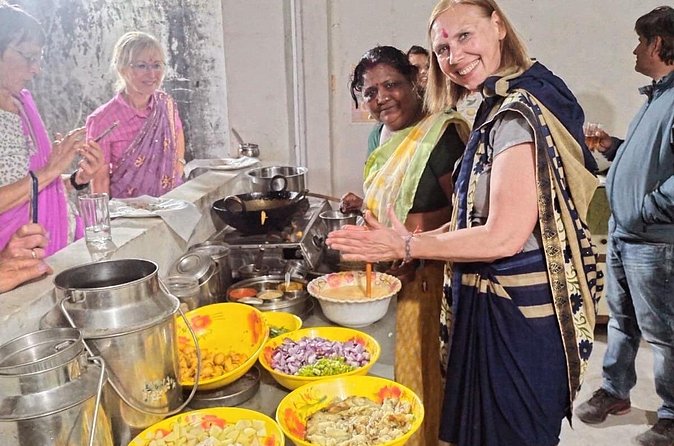
- Family-led instruction: Manju and Ekta are joined by other family members in the kitchen and dining area.
- You eat what you make: the class isn’t just demo-time; you sit down together and enjoy the meal.
- Rajasthani dance space: the cultural add-on is built into the experience, not tacked on elsewhere.
Entering a Jaipur home: the welcome is part of the lesson
The best part of a cooking class in India isn’t only the recipes. It’s how you get pulled into daily life—how you’re treated, what you’re offered, and how the kitchen becomes a living classroom.
Here, it starts with an Indian tradition welcome. Then, depending on your gender, you’re provided Indian dress to wear. It’s a small detail, but it changes your whole experience. You stop thinking like a tourist hovering at the edge of a kitchen, and you start acting like part of the household for the evening.
Before the cooking begins, you’ll also get refreshments. That matters because cooking is physical. Even a short class gets warm near stoves, spice bowls, and prep stations. You’ll feel ready instead of rushed.
You can also read our reviews of more cooking classes in Jaipur

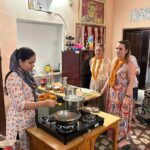
Price and logistics: what $22.70 gets you in real terms
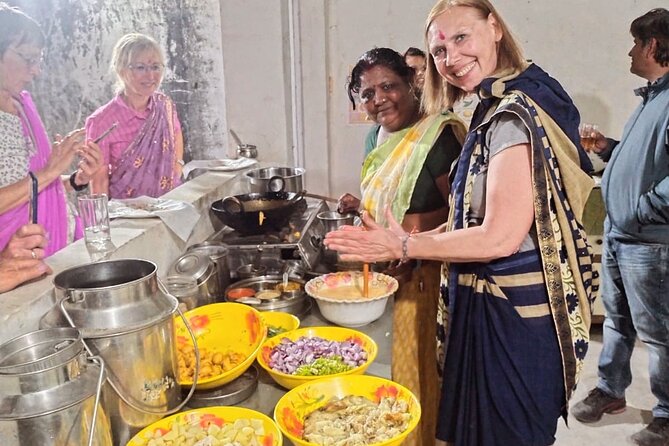
At about $22.70 per person for roughly 3 hours, this is priced more like a local family activity than a big-ticket “tourist cooking show.” You get a lot for the money: pickup is offered, you’ll have a mobile ticket, the group is capped at 20 travelers, and the experience includes both cooking and a cultural performance.
More important than the sticker price is what’s included in the time. You’re not only learning techniques; you’re also choosing your dishes and eating them afterward. For many people, that’s the real value—having dinner made for you while you learn how to recreate it.
The class is also designed for different comfort levels. The setup is friendly for beginners, but experienced cooks can still benefit from spice handling, pacing, and how Indian dishes come together step-by-step.
Pick your dishes: why the menu choice is the secret weapon
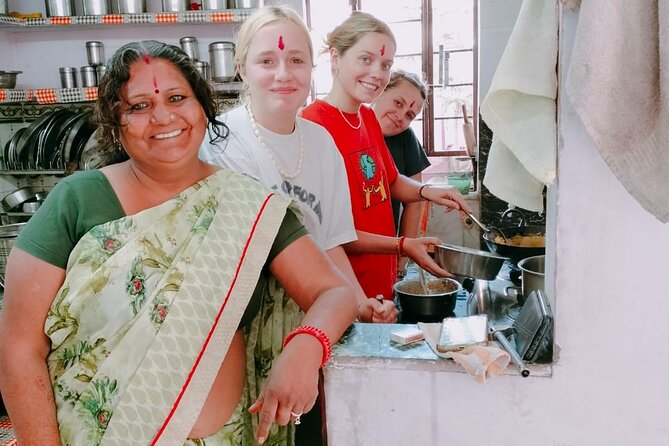
Most cooking classes in Jaipur give you a fixed set of recipes. This one flips that. You get a menu, and you decide what you want to cook.
That choice makes the class feel personal. If you’re craving something creamy and rich, you can lean toward dishes like paneer butter masala. If you want something comforting and foundational, you can pick dal styles, or go for breads like chapati. One review also mentioned dishes such as Paneer Chidda and Mix Dal, which shows there’s variety beyond the same two staples.
Here’s why that matters for value: you’ll cook with motivation. You’re more likely to remember instructions when you’re making something you actually want to eat. It also helps picky eaters and families with mixed tastes—someone can choose a dish they’ll genuinely enjoy eating at the end.
How the teaching works in the kitchen (and what you should watch for)
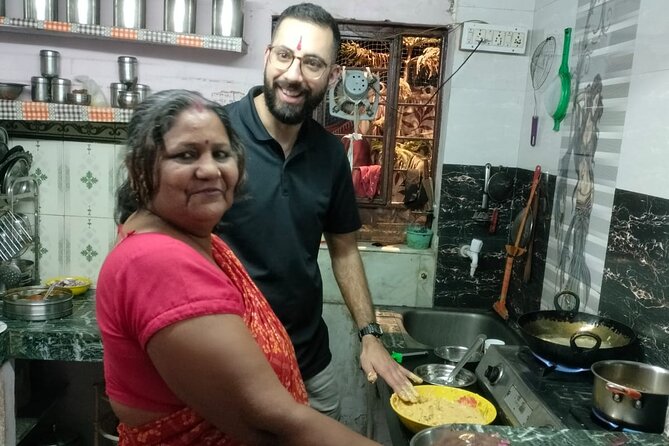
You’ll get guided cooking instruction on making Indian food. The class is built around doing, not just listening. In a family-led kitchen, that typically means you’ll see the method multiple times: how spices are handled, how ingredients are added in sequence, and how textures are checked while cooking.
From what you’ll likely cook, pay close attention to three practical skills:
- Spice timing: Indian cooking often depends on when you add spices, not just which spices you use.
- Consistency: dal and sauces change as they simmer—watch thickness and adjust with careful additions.
- Bread technique: for chapati, small differences in dough and rolling affect how it puffs and cooks.
One review called out how hosts helped make the experience smooth and easy to follow, especially for first-timers. Another described the dal as a standout. That lines up with the way Indian home cooking teaches: you don’t just get a recipe; you get the rhythm.
Also, since the class involves the family, you may get extra pointers from different people. That can be a plus. You hear the same idea explained from multiple angles, which makes it easier to lock in what to do next.
The meal afterward: why you should plan to enjoy, not rush
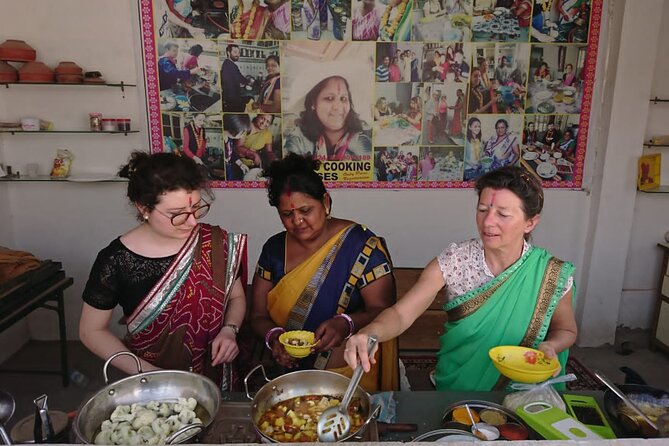
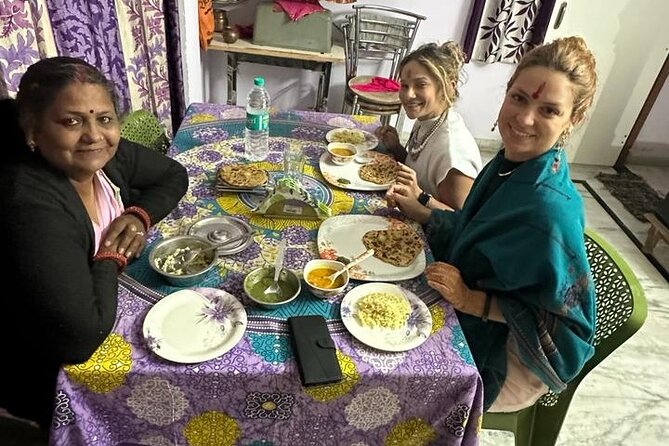
After you cook, you all enjoy the food together. This is where the class turns from instruction into a full social meal.
Several people mention the family-style dinner and chatting afterward. That’s not just polite after-dinner conversation. It’s useful. If you ask simple questions—what spice blend this is, how they manage heat levels, what they do when something is too thick—you’ll often get answers in plain language. You’ll leave with a better sense of how Indians cook at home, not just how they cook for visitors.
You should also expect quality ingredients. Reviews specifically highlight fresh produce and spices. Even if you’ve cooked Indian food before, fresh ingredients change flavors in a way that’s hard to fake. It can help you understand why certain dishes taste the way they do in India.
And yes, you’ll eat what you made. That’s a big deal for confidence. If the dal came out thick, creamy, and flavorful, you’ll know your technique worked. If something needed adjusting, you’ll understand what to change next time.
You can also read our reviews of more tours and experiences in Jaipur



Rajasthani dance time: a cultural bonus that actually fits the day
After the meal, you’ll join a Rajasthani dance space arranged for the group. This is a built-in cultural moment, not something you have to plan around separately.
From a practical angle, this timing works well. You’ve already settled into the home, eaten, and chatted. Then the dance gives you a relaxed, upbeat transition out of the kitchen setting. It also makes the experience feel complete—food and culture together.
If you’re traveling with family, this part tends to land well. Kids and adults both usually enjoy watching something energetic after a hands-on activity. If you prefer quieter cultural moments, just note that this is a performance element, so your evening won’t be completely low-key.
Family-run hospitality: what “local” feels like here
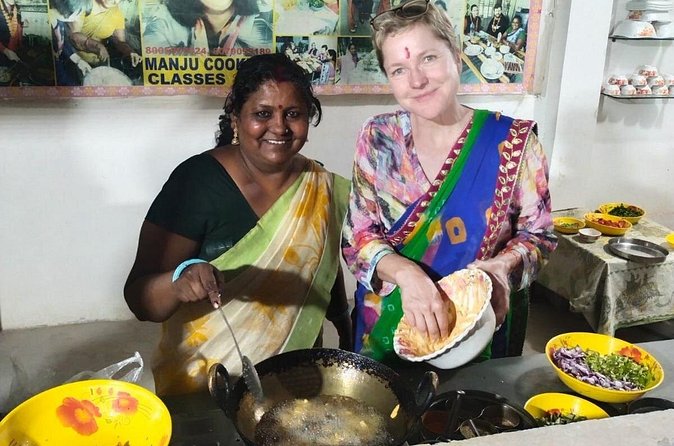
A Jaipur cooking class can feel “local” in marketing, but here the reality seems different. The hosts and their family are involved throughout, and the welcome feels personal—sari or dress and friendly guidance included right from the start.
The name that shows up again and again is Manju, with Ekta mentioned as a great host as well. The overall impression is warmth without stiffness. You’re treated like someone being welcomed into a home, which is the biggest reason people recommend it so strongly.
That doesn’t mean it’s chaotic. Reviews also point to clear explanations and smooth communication. In practice, that means you’re not left guessing what comes next. You’ll understand the steps as you go, and the group stays manageable with a maximum of 20 travelers.
Who this is best for (and who might want a different style)
This class is a great fit if you want:
- a family-run cooking experience in Jaipur
- hands-on instruction with a friendly pace
- to cook dishes you actually choose from a menu
- an afternoon/evening plan that ends with both dinner and culture
It’s also a good choice for beginners. The teaching approach is described as easy to follow, even for people who aren’t confident cooks yet.
If you’re the type who wants a fully structured, professional studio style class with a strict curriculum and no cultural extras, you might find the home setting less formal than you’d like. But if you’re coming to Jaipur to experience real life, that informality is often the point.
One more practical note: service animals are allowed, and the experience is near public transportation. That can help if you’re not planning to rely entirely on private taxis.
Should you book Manju Cooking Classes?
I’d book this class if you want a warm, family-led Jaipur evening where your cooking results in a real meal, and the cultural side is handled for you. The value is strong at about $22.70 for a roughly 3-hour experience that includes pickup (offered), a pick-your-dish menu, shared eating, and a Rajasthani dance moment.
I’d think twice only if you need a tightly scheduled, no-surprises program. Because this is a home kitchen with a menu-based choice, details like what you cook can shift with the day and your selections.
If that sounds like your kind of travel—hands-on, human, and delicious—this is a smart booking in Jaipur.
FAQ
How long is the cooking class in Jaipur?
It lasts about 3 hours (approximately).
What does the class cost?
The price is listed at $22.70 per person.
Is pickup available?
Pickup is offered.
Do I get to choose what I cook?
Yes. You’re given a menu and can decide what you want to cook.
Does the experience include cultural activities beyond cooking?
Yes. After the cooking and meal, there is a Rajasthani dance space and you can enjoy the dance with the hosts.
What is the group size limit?
The activity has a maximum of 20 travelers.
Is there free cancellation?
Yes. You can cancel for a full refund up to 24 hours in advance of the experience start time. After that, no refund is given.