REVIEW · COOKING CLASSES
Cooking class & meal (Indian Food) with local family in Jaipur.
Book on Viator →Operated by Sunshine India Tours · Bookable on Viator
A home kitchen in Jaipur beats any restaurant. You’ll cook North Indian vegetarian favorites with a local family, then sit down to eat what you made. I like the small-group setup (max 10), because it keeps the cooking hands-on, not watch-and-hope. I also like that you learn practical spice and chapatti basics from household chefs, not generic “tour talk.”
There’s one trade-off to consider: this is focused on Indian home cooking (especially North Indian vegetarian dishes). If you’re craving a cooking show style with lots of variety outside that lane, you may want to look at other food experiences.
In This Review
- Key Highlights to Look For
- A Jaipur Home Kitchen, Not a Performance
- Where You Meet and How the Timing Works
- What You’ll Cook: North Indian Favorites in Real Home Style
- Spice Secrets You Can Actually Use
- Chai, Chapattis, and the Flow of a Two-Hour Lesson
- Inside the Family Conversation
- Dining on Your Creations: The Best Part for Many People
- Price and Value: What $23 Buys You in Jaipur
- Who This Cooking Class Is Best For
- Quick Practical Tips Before You Go
- Should You Book This Jaipur Cooking Class?
- FAQ
- How long is the cooking class in Jaipur?
- What does the $23 price include?
- Is pickup available?
- How many people are in the group?
- What kind of food will I learn to cook?
- Do I eat the food I cook?
- Where do I meet for the activity?
- Is there a mobile ticket?
- Can I cancel for a refund?
Key Highlights to Look For
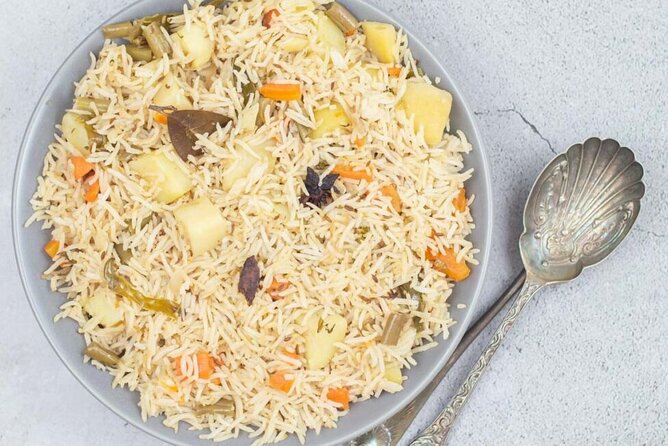
- Small group size (up to 10): You get real attention while cooking and asking questions.
- Cook, then eat your own meal: The class ends with dining on what you made.
- North Indian vegetarian dishes: Expect classics like dal and aloo gobi, plus chapatti and chai.
- Spice know-how from the household: Learn how spices are handled and used in everyday cooking.
- Family-life conversation: You’ll talk traditions, weddings, Gods, and daily routines.
- Pickup available on request: If your hotel is in their pickup range, it makes the day easier.
A Jaipur Home Kitchen, Not a Performance
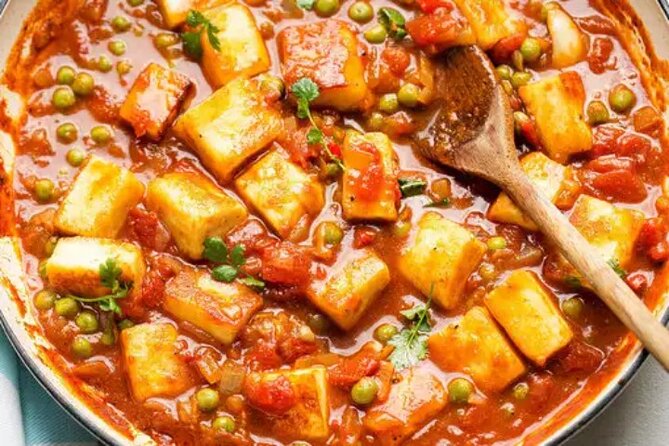
This cooking class is built around a simple idea: Indian food is a family skill, not a stage trick. You’ll be welcomed into a local home, then guided through making a meal that feels like you’re part of the household day for a couple hours.
The tone stays relaxed. There’s a motto shared around the class that basically translates to no worries, always curries—good energy when you’re learning spices that smell bold and flavor that hits fast. And because the group is small, you’re not stuck waiting while someone else gets help first.
In practical terms, you’re also getting a more grounded view of Jaipur life than you’d get from a quick stop at a market. Food here is tied to routine: cooking rhythms, ingredients, and the way families pass on knowledge.
You can also read our reviews of more food & drink experiences in Jaipur



Where You Meet and How the Timing Works
You’ll start at Smart N Shiny | Best Salon in Vaishali Nagar, at 6-A, 401 Star Apartment near SBBJ Bank, Chitrakoot, Akruti Apartments, Vaishali Nagar, Jaipur. The activity ends back at the meeting point.
If you want pickup, it’s available from select hotels on request. That matters in Jaipur, where getting across town can be a time puzzle. If you’re staying near the pickup zone, it can save you a chunk of stress and help you arrive ready to cook instead of figuring out directions.
The lesson runs about 2 hours. It’s short enough to fit easily between other sights, but long enough to actually make food—not just sample a few bites and call it a day. You’ll leave with recipes too, so the time doesn’t vanish after the cooking smells fade.
What You’ll Cook: North Indian Favorites in Real Home Style
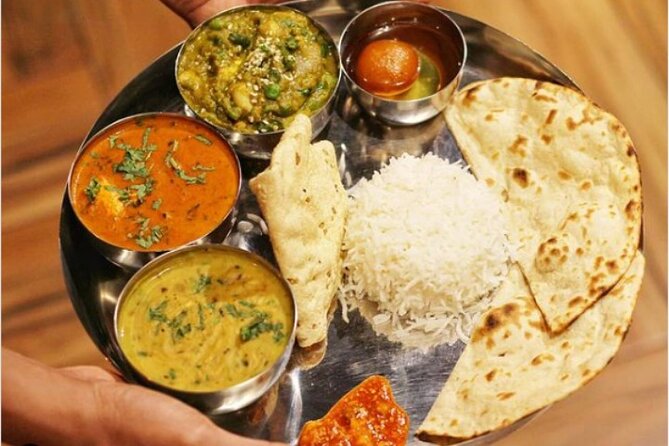
This class centers on North Indian vegetarian cooking. The dishes mentioned include dal and aloo gobi, plus other curries you’ll prepare during the lesson. You can also expect the chapatti workflow—rolling and cooking—along with making chai.
Here’s how that helps you as a cook at home:
- Dal (lentils): A great “foundation” dish. Once you understand the spice rhythm and thickness level, you can adapt it for lots of meals.
- Aloo gobi (potato and cauliflower): A classic that teaches how tempering and spice coating work with vegetables.
- Curries (more than one): You’ll see how spice flavors shift depending on the base and texture you aim for.
- Chai: You’ll learn the household way of making it, which often differs from what you see in cafes.
- Chapattis: Rolling and cooking them well is half technique and half feel. You’ll get the coaching that makes it less intimidating.
The big value isn’t that the dishes exist. Plenty of places serve dal and aloo gobi. The value is you’re learning what household cooks do: how they handle spices, how they adjust while cooking, and how they build flavor step by step.
Spice Secrets You Can Actually Use
The class promises direct teaching on spices from household chefs. That’s the part I’d prioritize if you care about flavor you can recreate later.
In a lot of cooking classes, spices get explained in broad strokes. Here, the focus is on the real mechanics—how spices are used to create curry character and how the same ingredients can produce different results depending on timing and heat. The goal is for you to walk away with a working sense of why something tastes the way it does, not just a list of ingredients.
You’ll also get recipes. That’s crucial. When you’re back home, you won’t remember every “small” adjustment you made during cooking. Recipes help you reproduce the dish and then tweak it confidently.
And yes, the class is built around curries—so if you love that warm spice comfort, you’re in the right place.
Chai, Chapattis, and the Flow of a Two-Hour Lesson
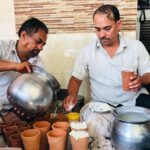
The lesson is paced so you’re doing something most of the time. You start with getting settled and tasting chai, then move into cooking batches of dishes and working through the key items—curries, chapattis, and the meal itself.
You’ll also have time for conversation with your host family. That might sound like a side thing, but in a home setting it’s part of the lesson. Food in India is rarely isolated from stories: family structure, wedding traditions, religious practice, and daily routines show up naturally around the kitchen table.
By the end, you’re not just watching. You’re eating what you cooked—so you can immediately tell if your spice balance and texture choices landed the way you wanted. It’s the fastest feedback loop you’ll get in a cooking class.
You can also read our reviews of more tours and experiences in Jaipur




Inside the Family Conversation
One of the most praised parts of this experience is the warm welcome and the sense of being truly hosted. In the homes you’ll visit, interaction is part of the deal: you’ll chat about traditions, weddings, Gods, and everyday life, including details about how joint family routines work.
From the names mentioned in the experience, Ravi is tied to pickup and getting you settled, while Suman is the household host mentioned in the cooking portion. There’s also reference to time spent talking with the grandfather before cooking ramps up. That gives you an idea of the vibe: people, conversation, and a kitchen that feels lived in.
For you, that means you’re not only learning recipes. You’re learning context. You get a sense of what food means in that family—how meals fit into their day and what each dish signals.
Dining on Your Creations: The Best Part for Many People

This is not a class that sends you off after a few tastes. You dine on your creations at the end. The meal is described as delicious and filling, and it’s an “eat an unlimited meal with a local family” kind of setup.
That matters because the real test of a cooking class is whether the food you made actually satisfies. When you eat it together, you get to enjoy the fruits of your effort and share the table with the people teaching you.
It also makes the class feel more like an exchange than a transaction. You’re putting in work, and they’re sharing a meal that closes the loop.
Price and Value: What $23 Buys You in Jaipur
At about $23 for roughly 2 hours, this class is priced for a full cultural meal experience, not just a short demonstration.
Here’s the value breakdown that matters:
- You learn multiple skills: curries, chai, chapatti, plus spice handling.
- You eat a real home-cooked meal at the end.
- Small group size improves instructor access.
- Recipes are provided, which turns the experience into something you can repeat.
If you compare it to paying for dinner plus a generic cooking demo, the home-hosted format is the differentiator. You’re paying for time with the kitchen and the people who own it.
Who This Cooking Class Is Best For
This experience fits best if you want:
- A hands-on food lesson with vegetarian North Indian dishes
- Real interaction with a local family
- A cooking session that ends with a full meal, not a snack
- A small-group setup (max 10) where questions are practical
You might especially enjoy it if you’re the type who likes to ask why something tastes the way it does. The spice focus and family conversation reward curiosity.
If your priority is non-vegetarian cooking, you may want to consider whether this particular menu focus matches your expectations.
Quick Practical Tips Before You Go
Because this is in a local home, treat it like visiting a kitchen, not touring a showroom.
- Wear comfortable clothes you can move in, since chapatti-making can involve a bit of leaning and rolling.
- Be ready for strong spice aromas right away. That’s normal and part of learning.
- If you have specific food constraints, it’s smart to clarify before booking, since the class is centered on North Indian vegetarian dishes.
Should You Book This Jaipur Cooking Class?
Yes, you should book it if you want a genuine home-style cooking experience in Jaipur with small-group attention and a full meal at the end. The best reasons to go are simple: you’ll cook dishes like dal and aloo gobi, learn chai and chapatti basics, and get spice guidance from household cooks—then eat what you made with the family.
Don’t book it if your ideal class is heavy on variety outside North Indian vegetarian cooking, or if you only want a casual taste without cooking. But if you want something practical, warm, and rooted in daily life, this one makes a lot of sense for the time and price.
FAQ
How long is the cooking class in Jaipur?
The class is about 2 hours.
What does the $23 price include?
You cook Indian food in a local home and then dine on your creations at the end of the lesson. Recipes are also included.
Is pickup available?
Pickup is available from select hotels on request.
How many people are in the group?
The activity has a maximum of 10 travelers.
What kind of food will I learn to cook?
You’ll learn North Indian vegetarian dishes, including items like dal and aloo gobi, as well as making chai and rolling chapattis.
Do I eat the food I cook?
Yes. The experience ends with you dining on the dishes you prepared.
Where do I meet for the activity?
You meet at Smart N Shiny | Best Salon in Vaishali Nagar (6-A, 401 Star Apartment near SBBJ Bank, Chitrakoot, Akruti Apartments, Vaishali Nagar, Jaipur).
Is there a mobile ticket?
Yes, you’ll receive a mobile ticket.
Can I cancel for a refund?
Free cancellation is available. You can cancel up to 24 hours in advance for a full refund.