REVIEW · BLOCK PRINTING WORKSHOPS
Hands-on Block Printing Workshop
Book on GetYourGuide →Operated by Creatis · Bookable on GetYourGuide
Wooden stamps, warm pigments, and calm focus in Rajasthan. This hands-on block printing class teaches you how designs move from carved wood to fabric, so you walk out with a wearable piece of art.
I like two things most. First, you get a clear path to the craft fast, with the design logic split into Gad (ground), Rekh (outline), and Datte (filler). Second, the class stays practical: you pick your pattern and colors, then keep printing and adjusting until it clicks.
One drawback to plan around: this is a short, studio-centered activity. If you’re hoping for a big day of sightseeing and wandering, you’ll still want to add something else before or after.
In This Review
- Key things to know before you go
- A Rajasthan Workshop Where You Print, Not Just Watch
- The Block Printing Basics: Gad, Rekh, and Datte
- How Layering and Water-Based Pigments Change Everything
- Choosing Sanganeri-Inspired Designs (and Making It Yours)
- From Wooden Block to Pico Stitch Scarf or Sarong
- Meet the Studio Team and Learn What Guidance Really Looks Like
- Time, Group Size, and What the 2 Hours Feels Like
- Price and Value: Why $24 Works Here
- Who Should Book This Block Printing Workshop
- Should You Book This Rajasthan Block Printing Class?
- FAQ
- How long is the hands-on block printing workshop?
- How much does it cost?
- What do I make and take home?
- Is the workshop offered in English?
- How big is the group?
- What should I wear or bring?
- Is there free cancellation?
Key things to know before you go
- Gad, Rekh, Datte design logic: you learn the roles of ground, outline, and filler, not just random patterns
- Small group size (up to 10): guidance stays personal when your block placement needs a tweak
- Sanganeri-inspired choices: your designs come from intricate patterns that feel traditional yet flexible
- Layering with water-based pigments: you’ll experiment with how color builds across the print
- Pico stitch scarf or sarong included: your finished piece is wearable from day one
A Rajasthan Workshop Where You Print, Not Just Watch
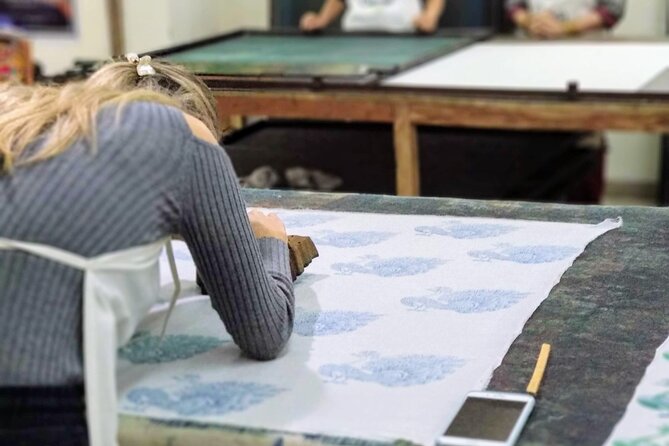
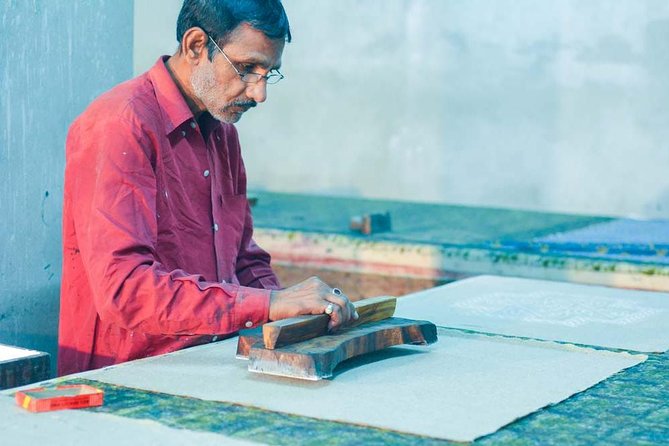
In Rajasthan, block printing is more than decoration. It’s a repeatable system—carve, ink, press, repeat—that can look very precise or very expressive depending on your choices. This workshop keeps you on the making side, not the watching side, with a hands-on workflow that takes you from tools to finished fabric in about two hours.
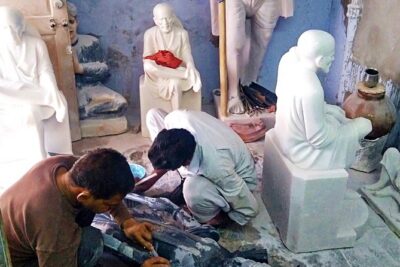
The studio setup also helps you connect craft to people. One of the nicest touches is that you can be right next to a small factory area where you see professionals at work while you’re learning your own steps. It makes the whole process feel real, not like a staged demo.
You should know the tone of the class is calm and skill-focused. You’ll be concentrating on alignment, color decisions, and layering, so it won’t feel like a high-energy tour. That’s a bonus if you want something satisfying and slightly meditative.
You can also read our reviews of more tours and experiences in Jaipur

The Block Printing Basics: Gad, Rekh, and Datte
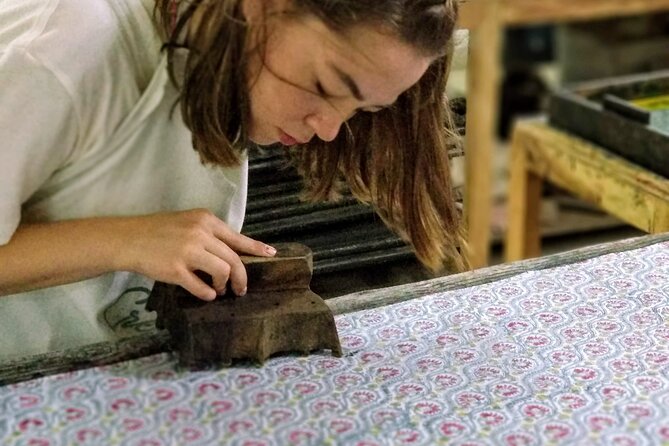
The fastest way to understand block printing is to treat it like design choreography. This class does that for you by breaking patterns into three roles: Gad (Ground), Rekh (Outline), and Datte (Filler). Even if you’ve never touched a block before, this structure helps you predict what each stamp will do on fabric.
Here’s what this means in plain terms:
- Gad (ground) sets the overall field or background rhythm
- Rekh (outline) defines the key shapes so the pattern reads clearly
- Datte (filler) adds detail and texture so the print doesn’t look flat
When a workshop teaches only the final look, you can end up copying without understanding. With this approach, you’ll start thinking like a printer. You can make decisions like: Do I want stronger outlines? Should the filler pattern be lighter so it sits behind the main shapes? That kind of thinking is what turns a craft lesson into something creative.
How Layering and Water-Based Pigments Change Everything
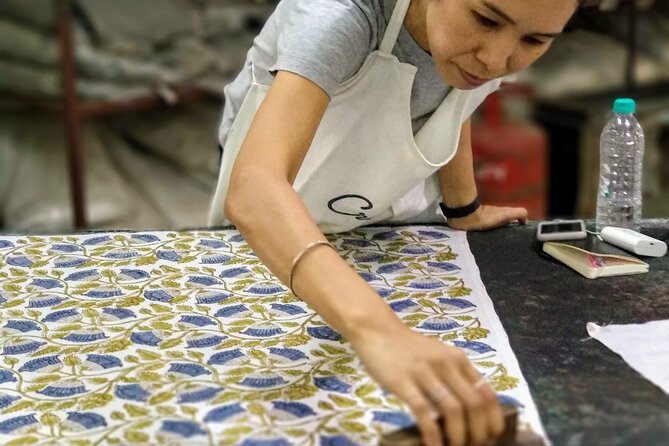
In block printing, one stamp is just a moment. The magic happens when you stack moments—layer by layer—until the design has depth. This workshop focuses on that with water-based pigments and practical layering practice.
You’ll work with the idea of layering a motive design (a specific pattern) or using an all-over design approach. The goal isn’t perfection on your first attempt. The real learning is seeing how prints shift when you:
- change the color sequence
- adjust how heavily you ink the block
- align the block slightly differently each press
- build filler details after the ground and outline
Color mixing is also part of the experience. You’ll experiment with combinations and layering so you can create something that looks like it came from you, not a photocopy of someone else’s scarf. Even if your first color test isn’t your final favorite, it teaches you how the pigments behave on fabric.
And yes, it can feel repetitive—in the best way. The repetition is what helps your hands learn the rhythm and what helps your eye notice small improvements.
Choosing Sanganeri-Inspired Designs (and Making It Yours)
A big part of why this class feels worth the time is that you don’t start from scratch with blank paper. You get choices drawn from intricate styles inspired by Sanganeri prints, which are known for detailed, ornamental patterning.
When you choose a design, you’re essentially choosing a personality for your final scarf or sarong. Some patterns look best with high-contrast palettes (strong outlines, lighter filler). Others look beautiful when you keep colors softer so the detail becomes the main feature.
You also get access to designs from a signature fabric collection (listed as available with Elevate). That matters because fabric choice can change the final effect. Even when two people pick the same pattern, different fabric and color preferences can lead to a different mood.
A practical tip: choose something that matches your comfort level. If you’re new to printing, start with a pattern that has clear components—ground, outline, and filler that you can track visually. Then you can take risks with color without getting lost in the structure.
From Wooden Block to Pico Stitch Scarf or Sarong
The workshop’s payoff is tangible. You’re not leaving with a sketch or a souvenir postcard. You’re leaving with a Pico stitch scarf or sarong (included) that you can actually wear or gift right away.
Your path to that finished item looks like this:
- You’re introduced to tools, materials, and the basics of the craft and its cultural significance
- You learn the design roles of ground, outline, and filler
- You practice printing with wooden blocks using water-based pigments
- You test color combinations and layering
- You transfer your selected design onto your fabric, then finish it into the included scarf or sarong
One thing I appreciate about this format is that it doesn’t pretend block printing is easy. It shows you the craftsmanship side. The block carving, the pigment handling, and the pressure/placement all matter. That respect for the process is part of the reward.
Also, the class is designed for results within two hours. That means you won’t be stuck on cleanup or administrative tasks. You’ll spend your time on the actual printing work—exactly where the value is.





Meet the Studio Team and Learn What Guidance Really Looks Like
What makes a craft workshop comfortable is the kind of help you get when you’re unsure. The class is taught by an instructor who works in English and Hindi, and the on-site team offers hands-on support throughout.
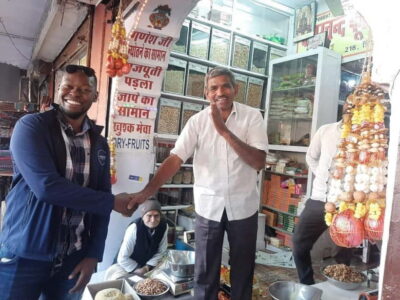
From the experience notes, names you might hear include Mohit, Vivek, and Aftab. People specifically mention Mohit’s encouragement and guidance, Vivek’s expert support, and Aftab’s patience when mistakes happen. That’s a big deal because block printing mistakes are normal—ink too thick, alignment off by a bit, color not reading the way you hoped.
The studio environment also helps. You’ll have time to watch professionals at work nearby, which makes the connection between your block presses and the broader artisan workflow feel direct. That observation can change how you print: you start copying what works, not guessing.
If you’re traveling solo, this is also a friendly setup. A small group makes it easier to talk, compare color ideas, and get reassurance without feeling self-conscious.
Time, Group Size, and What the 2 Hours Feels Like
This is a 2-hour workshop with a small group limited to 10 participants. That timing matters because block printing is hands-on and skills-based. You need enough time to print, adjust, and still finish something you’ll be proud of.
The class structure is designed to move quickly but not carelessly. You start with an introduction to block printing’s history and cultural significance, plus a rundown of the tools and materials. Then you shift into practical printing steps: choosing a pattern, experimenting with pigments, and layering your design on fabric.
Because the group is small, you’re likely to get targeted help when you need it. That can be the difference between frustration and fun. If you’re the type who learns best with coaching and quick feedback, this format is a strong match.
Also, since the workshop is studio-based, your planning should be simple: wear comfortable clothing that you don’t mind getting pigment on. Bring nothing complicated. The workshop provides the materials, including wooden blocks, pigments, and fabrics.
Price and Value: Why $24 Works Here
The price is $24 per person for a 2-hour hands-on class, and the value comes from what’s included and what you actually leave with. You’re not paying just for instruction. You’re paying for materials (wooden blocks, pigments, fabrics), time with guidance, and a finished product: the Pico stitch scarf or sarong.
In craft terms, that matters. Many workshops charge more when they either:
- don’t provide materials
- require extra payments for the finished item
- give you a short “try it once” experience
Here, the workshop is set up so the making is the main event, and the finished scarf/sarong is part of the deal. Add in the small group size and the chance to learn design logic (Gad, Rekh, Datte), and the cost starts to feel very reasonable for the skill you pick up and the item you take home.
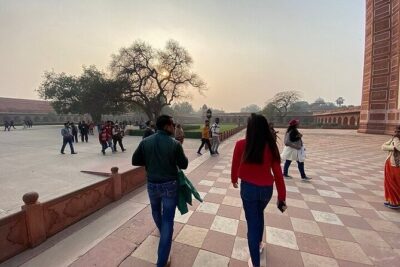
For budget planning, this is also the kind of activity you can fit between other Rajasthan plans without needing a full day commitment. Two hours is manageable, even if your itinerary is packed.
Who Should Book This Block Printing Workshop
This workshop is a good fit if you want one of those rare travel activities where your hands do the work and your brain stays calm. It’s also great if you enjoy pattern, color, and repetitive craft motion—especially when the final result is wearable.
I’d especially recommend it for:
- solo travelers who want a social studio experience without large crowds
- people who like authentic crafts and want to understand the technique, not just take a photo
- anyone who likes the idea of making a gift that feels personal
If you’re expecting lots of walking around or big outdoor views, adjust your expectations. This is a craft session. Your “view” is the table, the blocks, and your evolving fabric design.
If you’re worried about skill level, don’t be. The workshop is set up with guided steps, and mistakes are part of the learning curve. The support is part of the value.
Should You Book This Rajasthan Block Printing Class?
Yes, you should book it if you want a hands-on craft experience that leads to a finished scarf or sarong in just two hours. The small group size, the design framework (Gad, Rekh, Datte), and the focus on layering with water-based pigments make it more than a basic try-it class.
Book it particularly if you care about process and want to leave with something you can wear. If you only want sightseeing or you’re short on time, choose a different kind of tour. But if you want a creative, satisfying couple of hours in Rajasthan, this one is a solid match.
FAQ
How long is the hands-on block printing workshop?
The workshop lasts 2 hours.
How much does it cost?
It costs $24 per person.
What do I make and take home?
You’ll take home a Pico stitch scarf or sarong (included).
Is the workshop offered in English?
Yes. The instructor supports English and Hindi.
How big is the group?
It’s a small group limited to 10 participants.
What should I wear or bring?
Wear comfortable clothing suitable for a hands-on workshop.
Is there free cancellation?
Yes. You can cancel up to 24 hours in advance for a full refund.