REVIEW · FOOD & DRINK
Jaipur: Spice Market and Street Food Walking Tour
Book on GetYourGuide →Operated by Ultimate Urban Adventures Pvt. Ltd. · Bookable on GetYourGuide
Start your senses in overdrive. This tour trades quiet sights for spice-market energy, plus a guided street-food tastings run that helps you understand what you’re eating. The morning begins at Shri Chandpole Hanuman Ji Temple, then you’ll walk through Jaipur’s oldest-and-biggest spice scene where you can see spices being ground by locals. One possible drawback: it’s a crowded, stop-and-go walk, so you’ll want comfortable shoes and patience for tight lanes.
The second best part is the human touch. Guides like Lacey, Harshit, and Harshita bring real context, from how spices are used in cooking to the health ideas tied to Ayurveda. Still, if you’re expecting a hands-off sightseeing stroll, the market portion can feel intense at first.
In This Review
- Key highlights at a glance
- Spice-market energy starts at Shri Chandpole Hanuman Ji Temple
- Jaipur’s oldest and biggest spice market: watch spices get made
- The historic sights you pass on the way (without a long detour)
- Two short tuk-tuk rides: a quick reset in the pink city
- Street-food stops in Old Jaipur: chai, snacks, and real vegetarian choices
- Photography and etiquette: how to get the shot without making it awkward
- Price and timing: is $21 worth it?
- Who this tour suits best (and who should skip it)
- My decision guide: should you book this spice market walking tour?
- FAQ
- Where is the meeting point for the tour?
- How long is the Jaipur spice market and street food walking tour?
- What does the tour cost?
- What’s included in the experience?
- Is the street food on the tour vegetarian?
- What language is the tour guide?
- Can I get a refund if my plans change?
- Is this tour suitable for wheelchair users or people with mobility impairments?
Key highlights at a glance
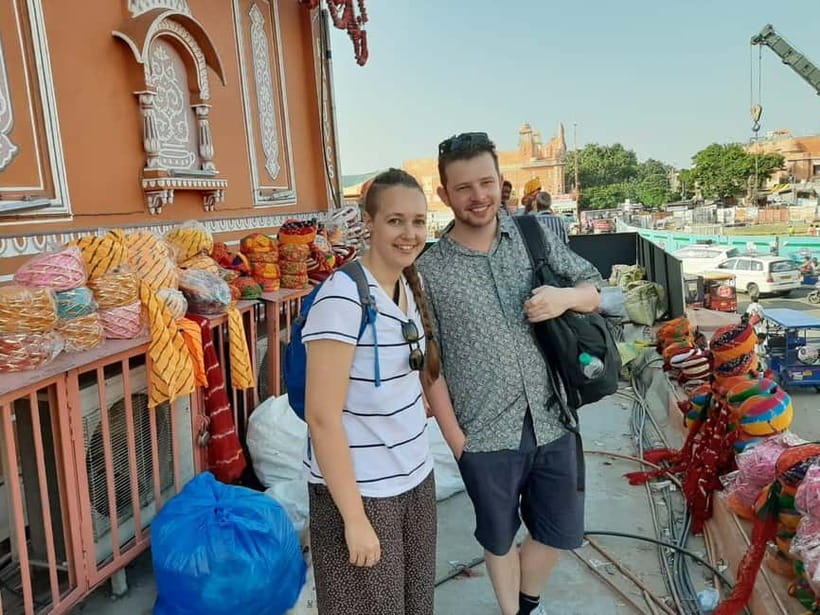
- Shri Chandpole Hanuman Ji Temple as a lively, easy-to-find starting point outside the temple gates
- Jaipur’s main spice market walk, including local spice grinding you can watch up close
- Short tuk-tuk rides that break up the walking without turning the tour into a drive-by
- 5 to 6 authentic food stops with a focus on vegetarian Jaipur street food
- Chaura Rasta Street near Tripolia Gate for chai and snacks to finish while you still have energy
Spice-market energy starts at Shri Chandpole Hanuman Ji Temple
Your tour begins just outside Shri Chandpole Hanuman Ji Temple in Jaipur’s pink city. It’s a smart choice for a meeting point because it’s a real place locals use, not a generic plaza. From the first minutes, you get the sound-and-smell reality of old Jaipur: people moving, vendors calling, and that mix of spices that hits your nose before you even catch the first stall.
I like that the tour doesn’t waste time. You’re not waiting around for the group to settle in and then starting after the best part has passed. Within a short stretch, you’re walking toward the market with a guide steering you through the chaos so you don’t get lost in it.
One thing to know: this isn’t a slow, quiet route. Even if you love cities, this one is sensory-heavy. If you’re the type who gets overwhelmed by crowds, take it step by step. The guide’s job is to keep things flowing while you learn what you’re seeing.
You can also read our reviews of more walking tours in Jaipur

Jaipur’s oldest and biggest spice market: watch spices get made
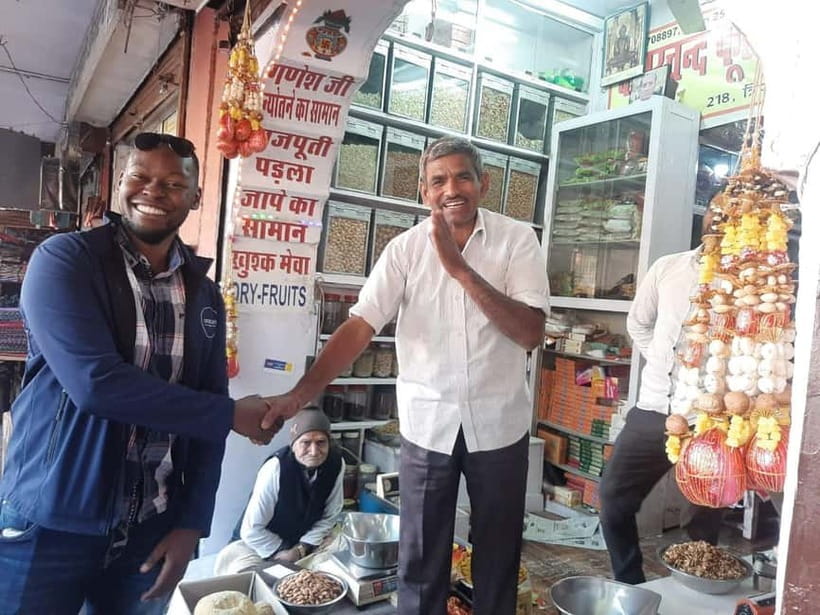
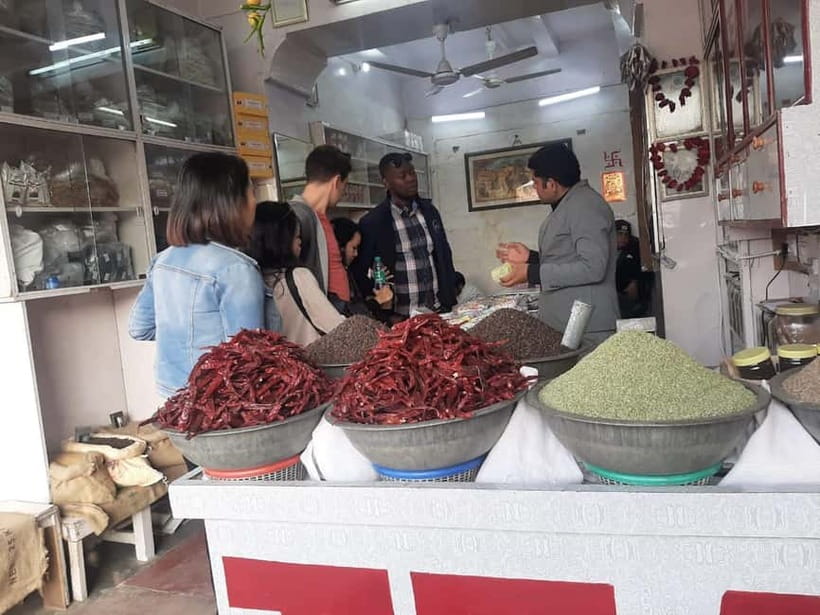
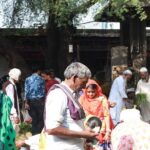
The center of the tour is a walk through Jaipur’s oldest and biggest spice market, and the main reason it’s so memorable is simple: you can actually see the process. Instead of just buying packets, you watch spices being ground by locals. That’s the difference between tasting a dish and understanding why the flavor hits the way it does.
You’ll notice the market isn’t one aisle—it’s a whole system. Color shows up everywhere: piles of powders, sacks, jars, and metal containers. Smells do the same job. Some aromas are sharp and immediate, others feel warming and earthy. And the guide helps you translate those cues into cooking language, like what tends to be used for aroma versus what shows up for heat.
A standout detail from guide experiences is how they explain more than flavor. Guides such as Harshit and Harshita have discussed how different spices connect to cooking and also to health ideas from Ayurveda. Even if you don’t follow Ayurveda, it’s useful because it gives you a framework: you start to ask why a spice might be used in certain foods, not just how it tastes.
Practical consideration: the lanes can be tight and busy. You’ll want to keep your phone steady if you’re filming, because stopping abruptly for a photo can slow everyone. The goal is to capture, not block.
The historic sights you pass on the way (without a long detour)
One of the sneaky values of a walking tour is what happens while you’re moving. As you cross from the temple area toward the spice market zone and beyond, you pass famous historic sites. The guide points them out as landmarks, but the tour stays focused on the living marketplace rather than turning into a lecture hall.
This matters because you don’t just learn where things are—you learn how the city works around them. In a place like Jaipur, you quickly realize the old structures aren’t isolated from daily life. People trade, cook, pray, and celebrate next to the same kind of streets you see in photos and travel books.
Also, photography is encouraged, which is a big deal here. The market gives you textures and color that you won’t get from most viewpoint stops. The key is to stay respectful. If someone is working, treat the moment like it’s their job, not your set.
Two short tuk-tuk rides: a quick reset in the pink city
After the spice market walk, you get a breather with a couple of short tuk-tuk rides. One of those hops takes you to Tripolia Gate, and it helps break the day into sections you can actually enjoy. Walking a dense market for long stretches can blur together, so the ride acts like a palate cleanser for your senses.
It’s not a sightseeing tour by vehicle. The tuk-tuk time is short on purpose. You’re using it to move between areas and to keep the rhythm of the day. That’s why it feels like a fun detail rather than a cost-cutting shortcut.
If you like street-level travel—the kind where you watch daily life close up—this structure works. You get movement, but you don’t lose the market vibe.
Street-food stops in Old Jaipur: chai, snacks, and real vegetarian choices
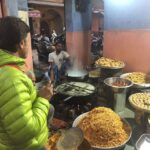
Then comes the part that makes this tour easy to justify even for food lovers who already ate in Jaipur. The tour includes food tasting at 5 to 6 authentic food stalls, with a focus on vegetarian street food. Your guide brings you to places that are both established enough to trust and local enough that you likely wouldn’t spot them on your own.
Before you even start eating, pay attention to the guide’s pacing. They’re not rushing you like a food line. You get time to order, taste, and understand what you’re trying. That’s why the chai stop feels like more than a sugary break.
Chai and snacks come near the end, at a well-known street-food area around Chaura Rasta Street near Tripolia Gate. This is a great place to slow down for a few minutes. You can talk with your guide while you eat, and you’ll feel the difference between a rushed bite and a meal moment.
One practical thought: street food can be surprising if you usually stick to mild flavors. You’ll likely run into spice profiles you don’t recognize yet—some are more fragrant than hot. The guide helps you connect the taste to the spice logic you learned earlier.
Also, safety and comfort matter. People have shared that their guides made them feel very safe, even while navigating crowds and busy stalls. That reassurance is valuable on any market tour.
You can also read our reviews of more food & drink experiences in Jaipur





Photography and etiquette: how to get the shot without making it awkward
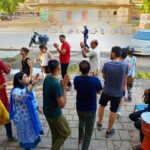
If you’re bringing a camera or filming, this tour is a dream. You’ll catch spice colors, vendor faces, textures of powders, and the flow of shoppers moving like a living river. The market offers constant visual material.
Here’s how to keep it respectful and practical:
- Keep distance when someone is actively grinding or preparing spices.
- Ask permission when you want a close-up of a person, not just their hands.
- Don’t stop in doorways or tight lanes; step aside first, shoot second.
- Drink water and take breaks. Crowds can get tiring fast.
A bonus: because your guide is managing the route, you’re less likely to wander into a place where you don’t belong. That alone can make your photos better, since you’re calmer and more aware of what’s around you.
Price and timing: is $21 worth it?
For about 2.5 hours and roughly $21 per person, this is one of those tours that makes sense because you get two experiences in one. First you get a guided walk that explains spices beyond storefront shopping. Then you get structured access to multiple street-food stops, not just one random snack.
The value comes from the guide’s role. Left to your own devices, you might find food, but you might miss the meaning behind the spices and the right places to eat without guessing. The tour solves that problem with pacing and local context.
You also get small practical extras that add comfort. There’s a water bottle included, and the route is designed around short transitions: walking to see, then quick tuk-tuk movement, then eating to wrap up.
Two timing notes:
- This is a walking-first tour, so you should plan to keep your energy up for about two hours of motion.
- You’ll likely enjoy it more if you arrive ready to taste—take it as a sensory activity, not a sightseeing checkbox.
Who this tour suits best (and who should skip it)
This tour fits you if you like street-level travel and you care about food with context. It’s especially good for food lovers, photographers, and people who want to understand how spices show up in real cooking, not just in packaged souvenirs.
If you’re the type who gets bored by long museum stops, this works because it keeps changing. Market to tuk-tuk to gate area to chai and snack stalls gives you variety without a full-day commitment.
On the other hand, it’s not suitable for people with mobility impairments or wheelchair users. The route involves crowded walking and tight spaces, so it won’t be comfortable or safe.
My decision guide: should you book this spice market walking tour?
Book it if you want an authentic slice of Jaipur where you learn while you eat. The biggest reasons to go are the spice-market visuals (including grinding by locals) and the structured vegetarian street-food tastings with a guide who can explain what you’re tasting. If you also care about avoiding the most touristy patterns and want a route that feels local, this tour’s design supports that.
Skip it if you want quiet, wide-open sightseeing or if you need an easy walk with low crowd density. Also skip if you’re sensitive to strong smells and busy lanes—this experience is built around them.
If you’re undecided, think of it like this: for roughly $21 and a couple of hours, you’re buying access to a guided sensory circuit. In Jaipur, that can beat another look-from-the-outside viewpoint.
FAQ
Where is the meeting point for the tour?
Meet your guide just outside Shri Chandpol Hanuman Ji Temple.
How long is the Jaipur spice market and street food walking tour?
The duration is 2.5 hours.
What does the tour cost?
The price is $21 per person.
What’s included in the experience?
It includes a guided walking tour of the spice market, food tasting at 5 to 6 authentic stalls, 2 short tuk-tuk rides, and a water bottle.
Is the street food on the tour vegetarian?
Yes. The food tastings focus on vegetarian street food in the old city.
What language is the tour guide?
The tour is in English.
Can I get a refund if my plans change?
Yes. You can cancel up to 24 hours in advance for a full refund.
Is this tour suitable for wheelchair users or people with mobility impairments?
No. It is not suitable for people with mobility impairments or wheelchair users.