REVIEW · 2-HOUR EXPERIENCES
Jaipur: 2-Hour Cultural Walking Tour
Book on GetYourGuide →Operated by Yo Tours · Bookable on GetYourGuide
Jaipur can feel like a postcard until you walk the lanes. This 2-hour cultural walking tour helps you connect the dots in the Pink City, with guided storytelling that turns landmarks like Hawa Mahal into something you actually understand. I like how it mixes big-name sights with working, everyday heritage: a traditional sword shop and a 150-year-old working camera show you Jaipur is still living, not just preserved.
The tour is also thoughtfully paced for a walking experience through older neighborhoods, but there’s one caution: it’s moderate walking in hot weather, and entrance fees aren’t included. If you hate walking or you’re unsure about sun exposure, bring water and plan for some outside-only viewing.
In This Review
- Key highlights worth planning around
- Meet at Wind View Cafe, then let the city make sense
- Hawa Mahal: a famous facade with a reason behind it
- The old lanes: temples, heritage buildings, and the people behind them
- A traditional sword shop and a 150-year-old working camera
- Sawai Man Singh Town Hall: ornate, but also purposeful
- Jantar Mantar: UNESCO-listed sights you can actually understand
- Shiva Temple and Krishna Temple: a living priest tradition
- Where the tour ends: Golcha Cinema and your next move
- Price and value: why $14 can be a smart use of your time
- Logistics that actually matter on a walking tour
- Should you book this Jaipur cultural walking tour?
- FAQ
- Where does the tour start?
- How long is the walking tour?
- What’s the price per person?
- What languages is the guide available in?
- What kind of walking is involved?
- Are entrance fees included?
- Is water provided?
- Will we see monuments from the inside?
- Where does the tour end?
Key highlights worth planning around
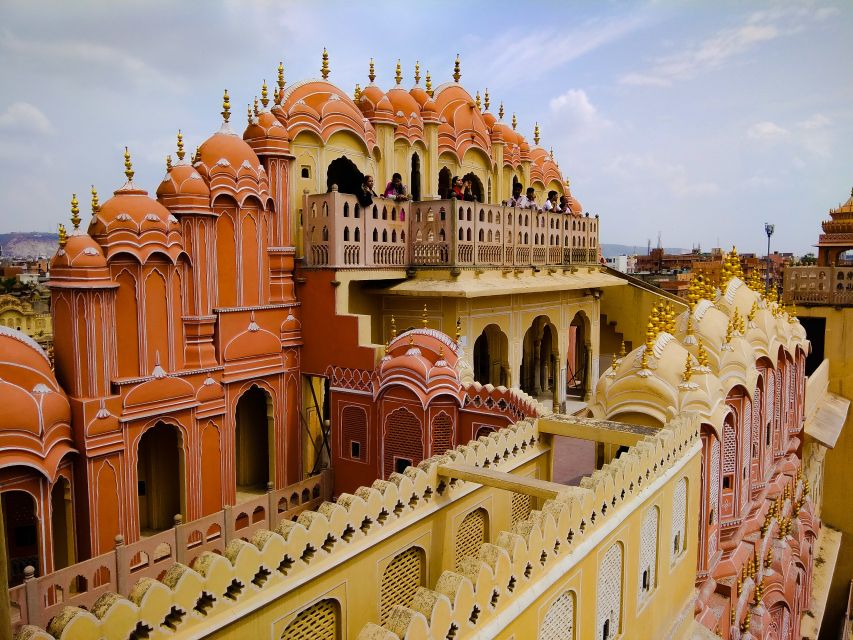
- Wind View Cafe start: You begin right by Hawa Mahal for easy orientation.
- Hawa Mahal, explained: Learn what makes its architecture more than a famous facade.
- Heritage you can see working: A traditional sword shop plus a 150-year-old working camera.
- Temples with priestly continuity: A Shiva Temple and Krishna Temple maintained by an eighth-generation family.
- Jantar Mantar on the route: You visit the UNESCO-listed area to see why Jaipur’s thinkers mattered.
- Local tips for after the walk: The guide ends by pointing you toward what to do next.
Meet at Wind View Cafe, then let the city make sense
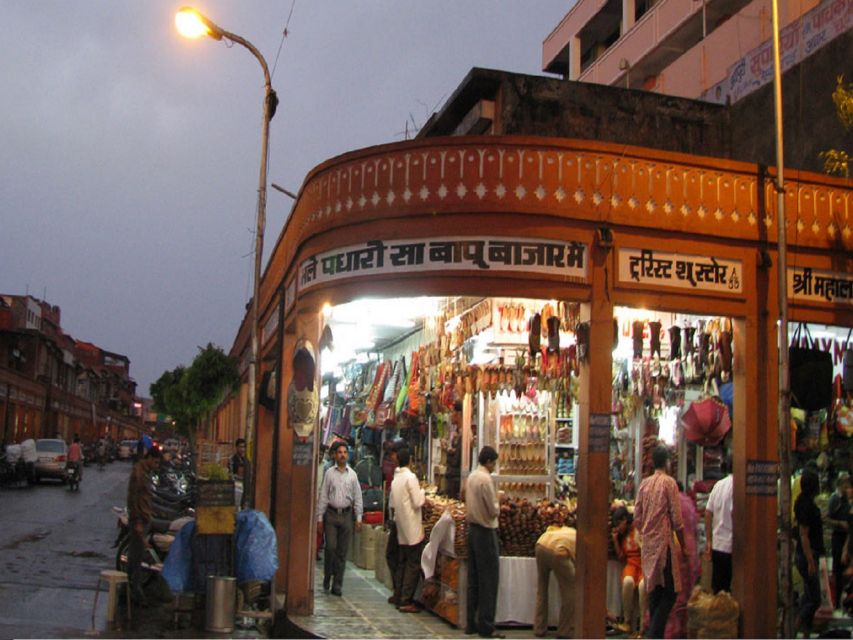
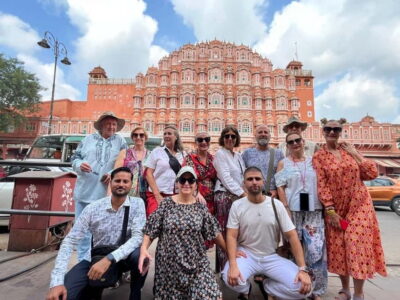
Most Jaipur tours start with a checklist. This one starts with a viewpoint—Wind View Cafe in front of Hawa Mahal—so your brain gets bearings quickly. When you’re near Hawa Mahal before you start walking, you can actually track what you’ll see later: how the building sits in the old city and how the surrounding streets connect.
I like that the experience is built around short, story-driven stops rather than long stretches of “just walking.” The guide (English and Hindi) uses that first moment to set expectations, so you know you’re not only chasing sights—you’re learning how the old town worked for the people who lived there.
What to watch for: your comfort will depend a lot on weather. You’ll be moving through old-city streets, so wear comfortable shoes and carry what you need. Water is on you—this tour doesn’t include it.
You can also read our reviews of more walking tours in Jaipur



Hawa Mahal: a famous facade with a reason behind it
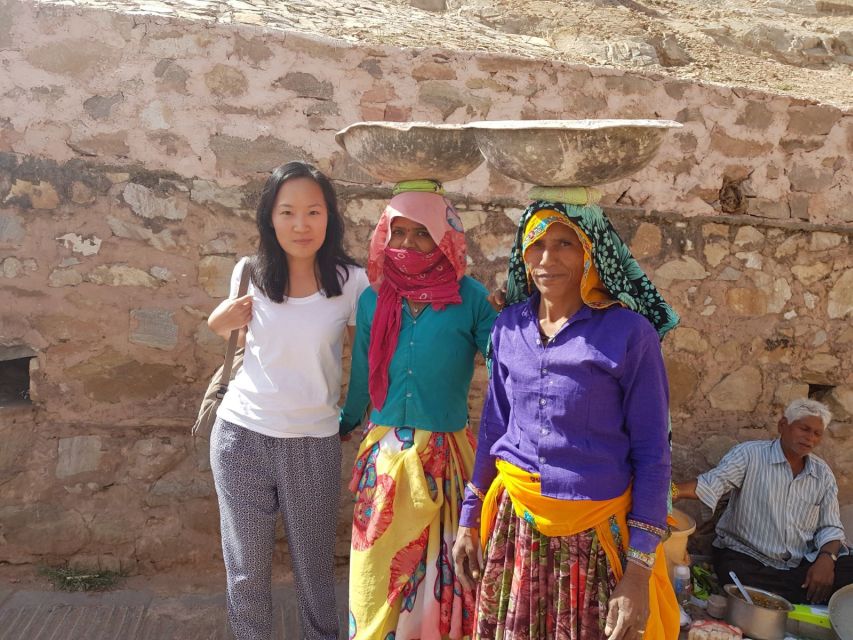
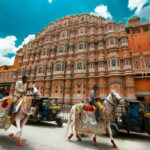
Hawa Mahal gets described like a headline, but the interesting part is why it looks the way it does. On this walk, you don’t just see it—you learn about its architectural significance. That matters because Hawa Mahal isn’t famous because it’s tall. It’s famous because it’s designed to do something: its structure creates a distinctive pattern and function that connect to court life.
This is also a smart stop for first-time visitors to Jaipur. From a distance, Hawa Mahal can look like a single dramatic object. With a guide’s explanation and the walk that follows, it becomes part of a larger story: power, tradition, and the way Jaipur’s elite and specialists lived side by side with the city’s daily flow.
One practical note: you’ll likely view some monuments from outside only. That’s normal for a walking route in crowded historic areas, but it’s good to calibrate your expectations early.
The old lanes: temples, heritage buildings, and the people behind them

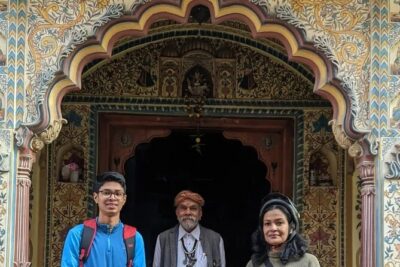
After the big landmark, the walk shifts into historic lanes and older neighborhoods. This is where the tour earns its name as cultural rather than sightseeing-only. You’re guided through paths that were once used by royal priests, which gives context to what you see next. Instead of treating temples as standalone stops, you start to understand how religious life and court life overlapped.
I really like that the tour includes centuries-old buildings tied to where people once lived. That kind of detail is the difference between seeing old stone and understanding a place. When the guide explains how these areas served specific roles, you feel less like a spectator and more like you’re passing through a real city.
Possible drawback to consider: the route is built for walking. If you have low tolerance for heat or uneven pavement, you’ll want to go into this with realistic energy. The tour is listed as moderate walking through old city areas.
A traditional sword shop and a 150-year-old working camera
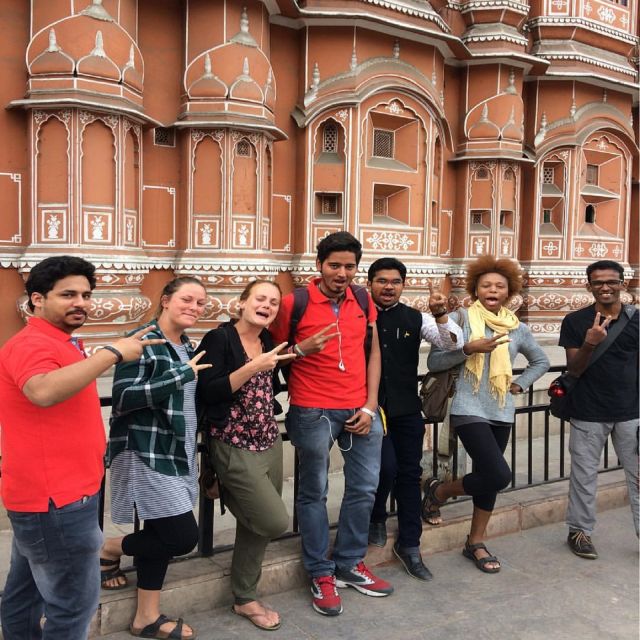
Two stops can turn a walking tour from good to memorable: something unexpected, and something you can still picture as a daily trade. Here, you get both.
You’ll visit a traditional sword shop, where the tour shifts from architecture into craft and commerce—how skills lived in the old town. Then comes one of the most distinctive details on the route: a 150-year-old working camera. That’s not just a museum-type object. The fact that it’s working gives the stop a sense of continuity. Jaipur didn’t just inherit tools and traditions; it kept using them.
If you like travel that includes small, specific artifacts—things you can describe later—this is one of the best parts of the tour.
Sawai Man Singh Town Hall: ornate, but also purposeful
You’ll also see the Sawai Man Singh Town Hall, described as ornate. The value of this stop isn’t that it’s pretty from one angle. It’s that it helps you understand Jaipur’s mix of styles and public life.
Many visitors jump from temple to temple and never stop to consider where civic identity showed up in buildings. A town hall is exactly that: a statement that Jaipur wasn’t only built for royals and ritual, but also for public gatherings and the city’s organized life.
You’ll likely take in the exterior view as you move along. That still works, because the guide’s storytelling connects what you see to why the building matters in the larger picture.
You can also read our reviews of more tours and experiences in Jaipur

Jantar Mantar: UNESCO-listed sights you can actually understand
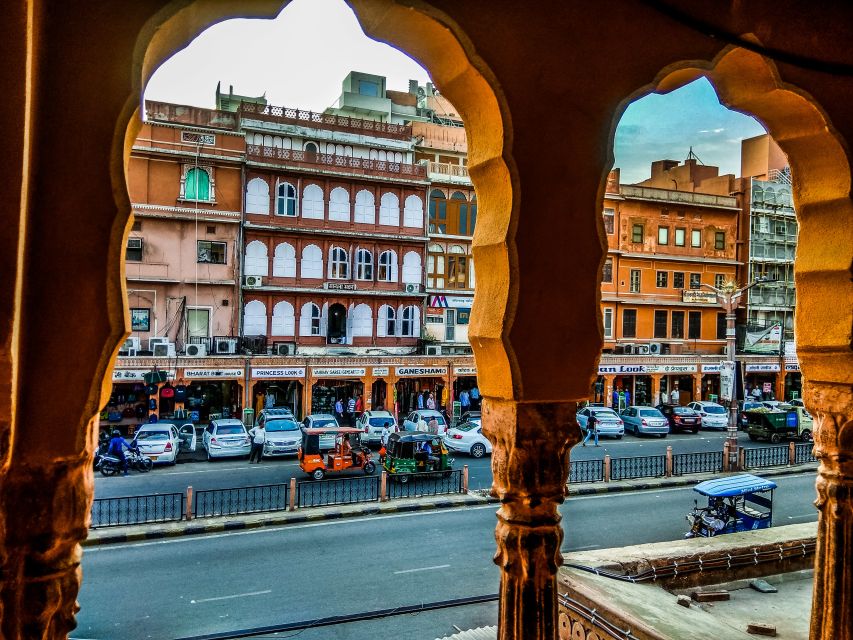
Jantar Mantar is UNESCO-listed, and it deserves the attention. But what makes this tour useful is that you don’t approach it like a generic “check the UNESCO box” moment.
You’ll visit the Jantar Mantar UNESCO World Heritage Site, and the walk framework helps you see it in relation to Jaipur’s identity as a city of planning and specialized knowledge. Even if you’ve never studied astronomy, the guide’s context makes it easier to connect the instruments and spaces to the purpose behind the site.
Expectation reality: entrance fees aren’t included, so if a fee is required for the portions you want to see, you’ll need to cover it separately.
Shiva Temple and Krishna Temple: a living priest tradition
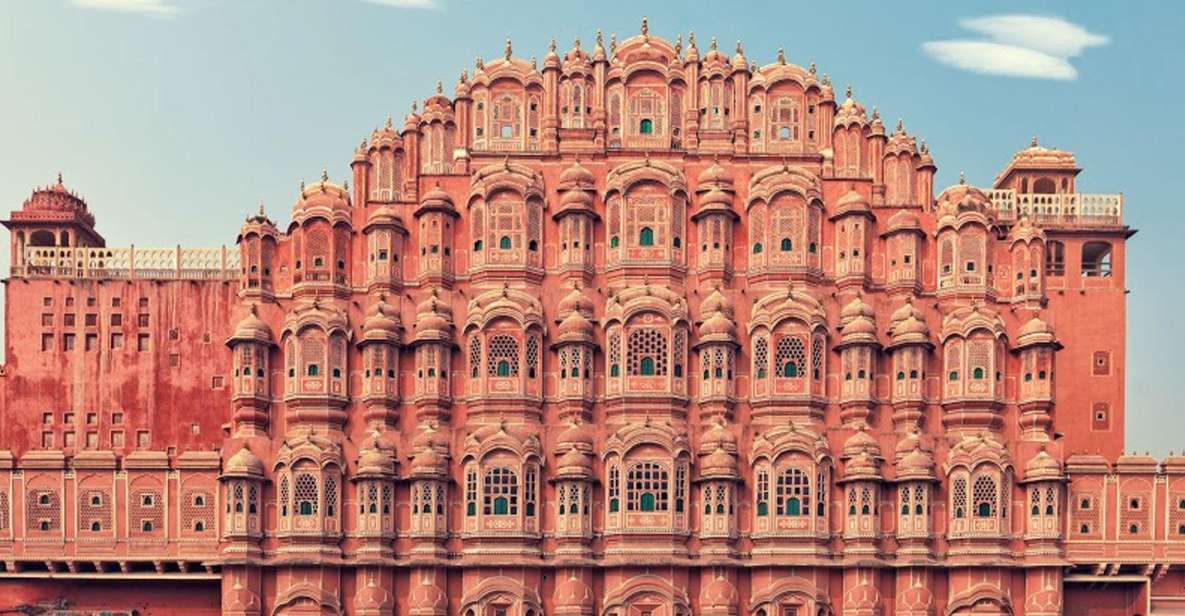
The tour continues into a spiritual stretch with both a historic Shiva Temple and a Krishna Temple. What makes these stops special on this route is the continuity of caretaking: they’re maintained by a family of priests in their eighth generation.
That’s not just a trivia point. It changes how you experience the temple buildings. Instead of treating them like quiet backdrops, you see them as active spaces shaped by generations of practice and maintenance. The guide’s local insight helps you understand how tradition stays consistent even as the city around it keeps changing.
If you’re the kind of traveler who enjoys respectful, low-pressure cultural moments—places where you can observe without needing to buy a ticket—this segment delivers.
Where the tour ends: Golcha Cinema and your next move
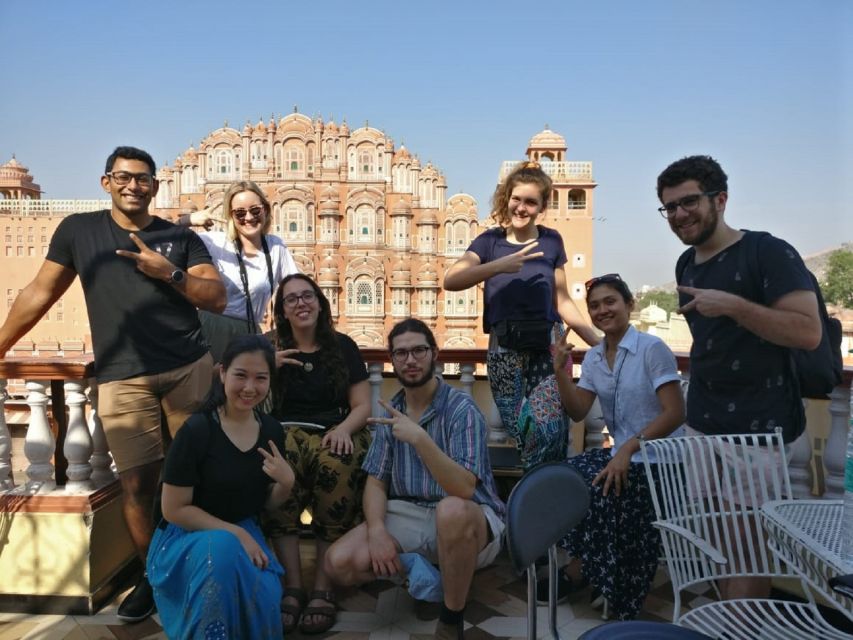
The walk finishes at Golcha Cinema. That’s a handy end point because it drops you back into an area where you can keep moving through Jaipur without feeling stuck far from everything.
After a tour like this, your best next step is to use what the guide gave you: local tips and recommendations for exploring further. Ask questions while things are fresh in your mind—especially about which streets to walk next, and when to visit key areas for a calmer experience.
Also, consider building a simple plan for the rest of the day:
- If you want more monuments, check which ones require separate entrance fees.
- If you want more local life, use the lanes you learned about during the walk as your roadmap.
Price and value: why $14 can be a smart use of your time
At $14 per person for a 2-hour guided walk, the pricing makes sense if your goal is understanding—not just photographing. You’re paying for:
- an English/Hindi guide who connects architecture, religion, and old-city life,
- access to hidden lanes and lesser-known places you’d probably skip on your own,
- time saved compared to figuring out what matters and why.
This is especially good value when you’re short on time and you want the city to make sense before you spread out on your own. Jaipur rewards travelers who slow down and learn how neighborhoods work, and this format nudges you in that direction without demanding a full day.
One cost-to-note: entrance fees to monuments are not included, and water isn’t included either. So you’ll likely spend a bit more depending on what you choose to enter after the walk.
Logistics that actually matter on a walking tour
This kind of walking route has a few practical considerations you should treat as serious.
First: bring sunglasses and a sun hat, and plan around warmth. Old city streets can feel intense in the middle of the day, even if distances are manageable.
Second: expect moderate walking and some outside-only viewing. That doesn’t make it less worthwhile. It just means you should treat the experience like a guided walk-through with viewpoints, not a nonstop indoor attraction circuit.
Third: confirm the meeting area. The tour’s meeting point is Wind View Cafe in front of Hawa Mahal, and that’s the best place to start because you get the view immediately. That said, it’s smart to message and double-check the exact spot on the day of your tour in case arrangements shift.
Finally: guides can make a big difference. One guide named Gajendra is described as very friendly, with 100% English, and attentive about timing. Another guide mentioned as Yash/Yosh was described as enthusiastic but had issues around meeting place timing for one booking. The takeaway for you: be there a little early, and communicate if you’re running late.
Should you book this Jaipur cultural walking tour?
I’d book it if you want Jaipur to feel like a lived-in place, not a sticker set of landmarks. It’s a strong fit for first-timers and anyone who likes context—architecture, temple traditions, and the small crafts that show up only if someone points them out.
Skip it or rethink it if you:
- have limited ability to walk in warm weather,
- expect all monuments to be fully entered with no extra fees,
- want a tour that is entirely indoor or ticket-heavy.
If you’re flexible, wear good shoes, and show up ready to listen, this is one of the easiest ways to get street-level understanding of the Pink City in just two hours.
FAQ
Where does the tour start?
You meet your guide at Wind View Cafe in front of Hawa Mahal.
How long is the walking tour?
The tour is listed as 2 hours.
What’s the price per person?
The price is $14 per person.
What languages is the guide available in?
The guide provides a live tour in English and Hindi.
What kind of walking is involved?
It’s a moderate walking tour through old city areas, so comfortable shoes matter.
Are entrance fees included?
No. Entrance fees to monuments are not included.
Is water provided?
No. Water bottle is not included, so bring your own.
Will we see monuments from the inside?
Some attractions are viewed from outside only, depending on the stop.
Where does the tour end?
The tour ends at Golcha Cinema.