REVIEW · PRIVATE CITY SIGHTSEEING TOURS
Jaipur: Half or Full-Day Sightseeing Tour with Flower Market
Book on GetYourGuide →Operated by Jaipur tour taxi cab · Bookable on GetYourGuide
Jaipur smells like flowers and history before noon. This half or full-day tour turns your morning into a front-row seat for the city awakening, starting at Jaipur’s flower market. I also liked how it strings together major sights with a few calmer stops, so your photos don’t all look like the same postcard.
My favorite part was the mix of big-palace drama and hands-on craft. You get time for Amber Fort plus a traditional block printing workshop where artisans show (and may let you try) the process. It’s not just looking; it’s watching how a local art form actually works.
One drawback to plan for: your day is packed with several photo stops and guided walks, so it moves faster than you might expect. Also, entrance fees and meals aren’t included in the package cost, so budget a little extra if you’re adding lunches or tickets.
In This Review
- Key highlights worth your attention
- The flower market morning: why it sets the whole day’s mood
- Gaitor Ki Chhatriyan and the art of slowing down
- Hawa Mahal at a photo-stop pace (and what to look for)
- Panna Meena ka Kund: the geometry stop most people skip
- Amber Fort: where the royal story gets real
- Jal Mahal and the Man Sagar Lake pause for photos
- Block printing workshop: a real skill, not a souvenir trap
- City Palace and Jantar Mantar: two kinds of power in one day
- Shopping time in the walled city: what to do with it
- Monkey Temple option: start or end with hilltop views
- Drivers and guides: what the best reviews focused on
- Price and what you really pay for in practice
- Who this tour fits best (and who should choose differently)
- Should you book this Jaipur flower market tour?
- FAQ
- FAQ
- How long is the Jaipur sightseeing tour?
- Where does the tour start?
- Is transportation included?
- Do I get a tour guide?
- What’s included in the price besides sightseeing?
- Are attraction tickets included?
- Will I stop for food during the day?
- What language options are available for the guide?
- Can I cancel for a refund?
Key highlights worth your attention
- Flower market in the morning: vendors unloading marigolds, roses, and jasmine, and locals gathering flowers for ceremonies
- A quieter break at Gaitor Ki Chhatriyan: cenotaphs with intricate carvings dedicated to the Kachwaha rulers
- Iconic Jaipur in short bursts: Hawa Mahal, City Palace, and Jantar Mantar appear with photo stops and guided context
- Block printing workshop: see the centuries-old process and try block printing
- Safety-first driving: guides and drivers named Abdul, Khalid, and Ravi are praised for helpful, responsible transport
- Flexible timing: 5 to 8 hours with options that can include or start/end at the Monkey Temple hilltop
The flower market morning: why it sets the whole day’s mood
If you do one thing right in Jaipur, do it early. The day starts in the flower market area as the sun rises, when narrow lanes fill with the sounds of vendors moving and buyers collecting garlands. Expect a sensory overload in the best way: fragrance, bright colors, and that steady bustle that makes the rest of your sightseeing feel alive.
This start matters because it gives you context. You’re not just visiting monuments; you’re seeing what people in Jaipur are doing before the crowds fully arrive. After an hour of photo stops and a guided walk, you’re ready for the calmer, more ceremonial parts of the city.
You can also read our reviews of more shopping tours in Jaipur


Gaitor Ki Chhatriyan and the art of slowing down
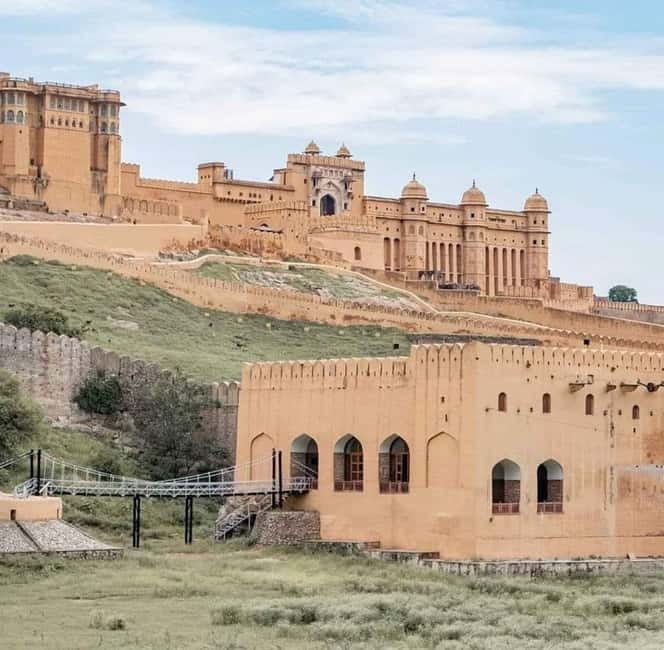
After the flower market noise, you head toward a quieter place: Royal Gaitore Ki Chhatriyan. This stop is dedicated to Jaipur’s Kachwaha rulers and is known for cenotaphs with intricate stone carvings. The contrast is the point. One moment you’re in flower heaps; the next you’re in a setting where stone details do most of the talking.
I like this kind of pause because it breaks the “only big monuments” rhythm. Plus, it’s one of the locations that tends to feel less rushed. You’re getting a different angle on Jaipur’s royal past without the same level of visual competition as the main landmarks.
Hawa Mahal at a photo-stop pace (and what to look for)
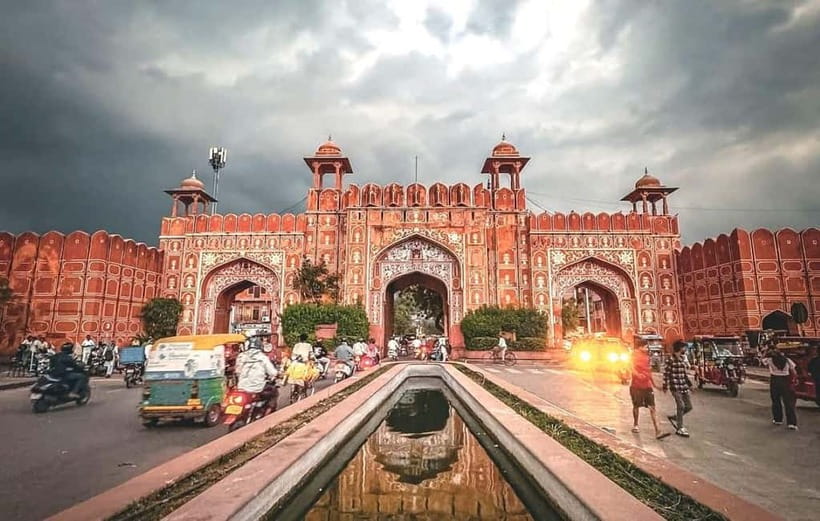
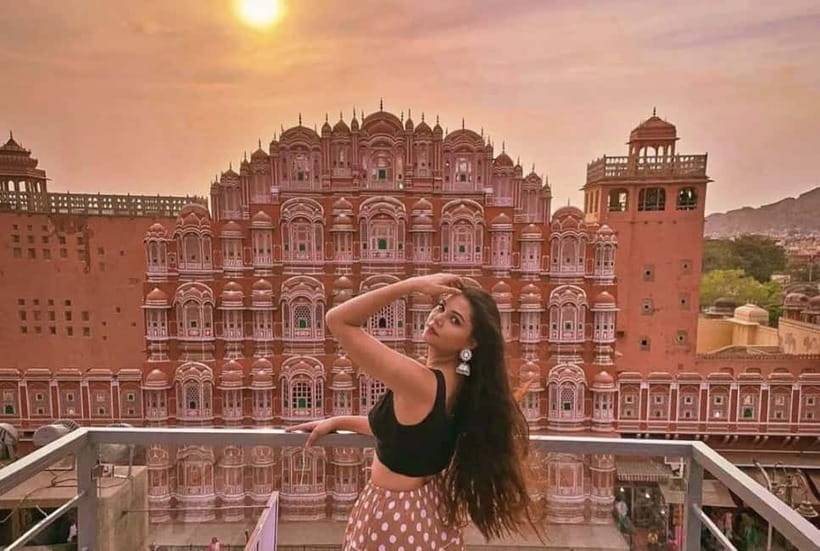
Next comes Hawa Mahal, the Palace of Winds. You’ll have time for a photo stop and a short guided visit, then you move on. The standout here is the honeycombed windows designed for royal women to watch street processions unseen—simple to photograph, but much more interesting once you understand the design purpose.
Because this is a shorter stop, the best move is to treat it like a framing exercise. Look for the layers and the window pattern from the right angle, then save your full attention for what your guide explains. If you only rush past it, you’ll miss why the building exists.
Panna Meena ka Kund: the geometry stop most people skip
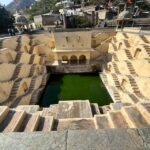
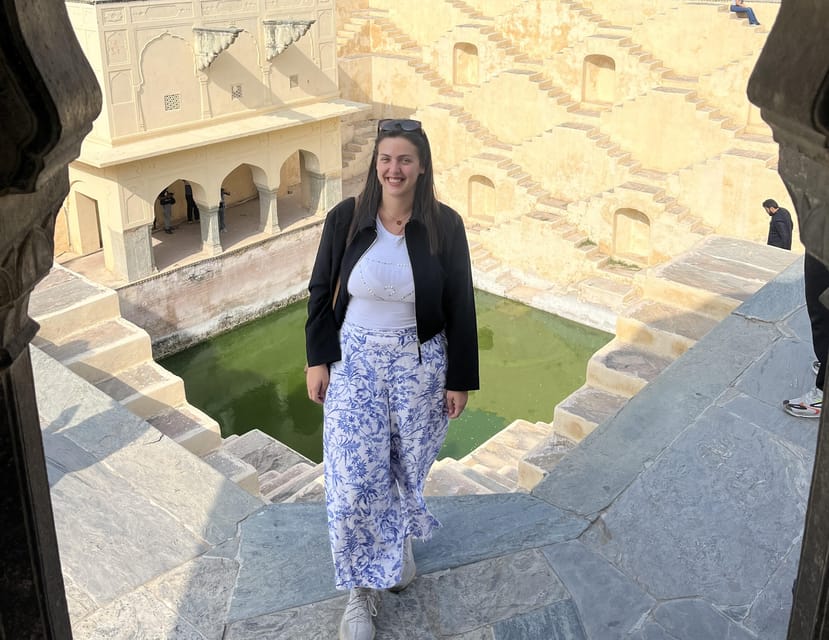
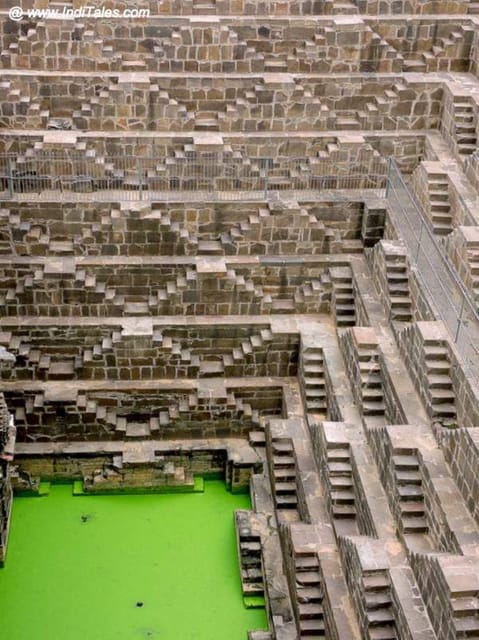
Then you hit Panna Meena ka Kund, the stepwell built as a symmetrical engineering-and-geometry marvel. It’s short on time, with a brief photo stop and guided attention, but it’s a great example of how this tour balances headline sites with places that feel calm.
Even in a quick visit, a stepwell can change how you see a city. You start paying attention to design and proportion instead of only names and dates. This is exactly the kind of stop that makes a half-day itinerary feel more “you were there” and less “checklist complete.”
Amber Fort: where the royal story gets real
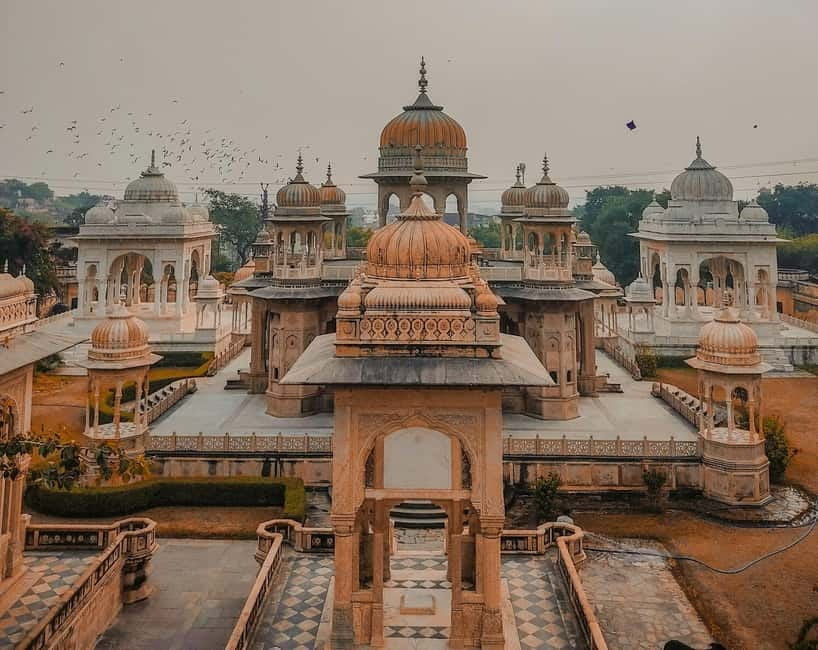
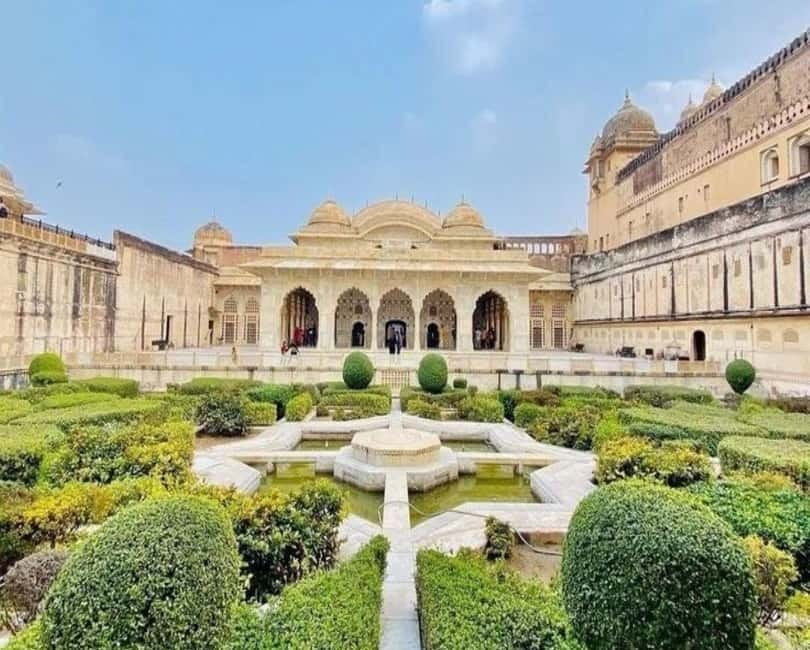
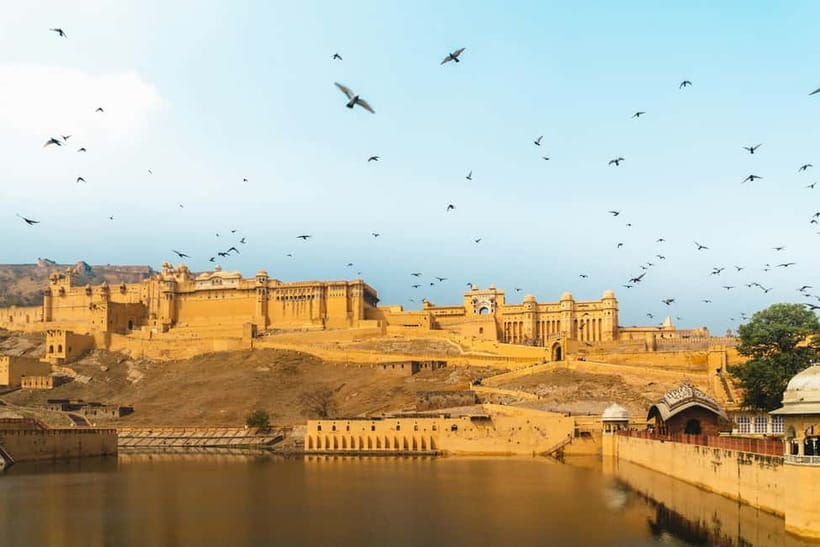
Amber Fort is the big, necessary moment in the day. You’ll visit with photo stops and guided time to explore ornate palaces, mirrored halls, and ancient courtyards. This is where the tour’s title promise—royal grandeur—actually shows up in full scale.
What I like is the storytelling approach. Your guide explains royal life and defense strategies, so the fort stops being just pretty walls. Even if you only have part of the day, you come away understanding why the place was built the way it was.
Practical note: since it’s a major site, it’s also easy to get overwhelmed. The time you’re given matters, so if you want the most out of it, focus on a few rooms/areas your guide points out instead of trying to see everything.
You can also read our reviews of more tours and experiences in Jaipur



Jal Mahal and the Man Sagar Lake pause for photos
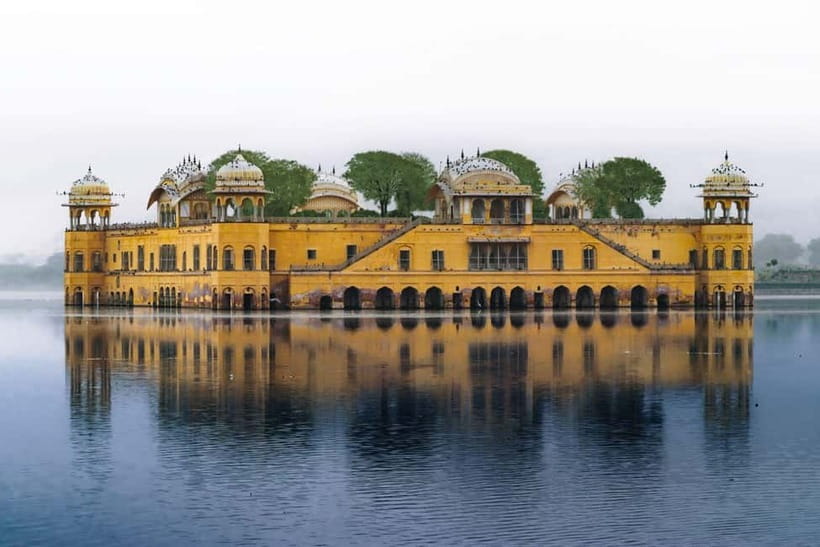
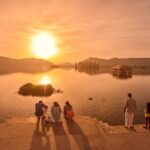
On the way toward Amber, there’s a photography moment at Jal Mahal—the palace floating quietly in Man Sagar Lake. The view is described as framed by hills and water, which is exactly why this stop works even when you’re short on time.
I treat this like a breather. It’s a clean visual reset before the fort, and it tends to produce photos that look different from the usual fort-and-people shots. If you like landscapes, water reflections, or just a moment of calm, this is the stop to pay attention to.
Block printing workshop: a real skill, not a souvenir trap
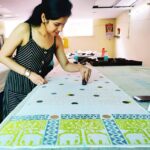
One of the best reasons to pick this tour is the traditional block printing studio stop. You’ll watch skilled artisans use centuries-old techniques to create prints on fabric. Then you have the chance to try block printing yourself, which is where the experience becomes personal.
This is not just entertainment. It helps you understand why certain patterns show up repeatedly in Jaipur’s crafts and textiles. After watching the process, shopping for prints stops feeling random and starts feeling intentional.
It also gives you something to take home beyond photos. Even if you buy something later, you’ll know what you’re looking at: carved blocks, careful alignment, and the slow craft behind the final pattern.
City Palace and Jantar Mantar: two kinds of power in one day
As you return toward the Old Walled City, the tour hits two heavyweights: City Palace and Jantar Mantar.
City Palace is partly home to the former royal family, and the guided visit focuses on courtyards, galleries, and armories that reflect regal splendor. The value here is that it’s not only a monument; it’s a living complex. You see how royal architecture is organized around spaces people can actually use.
Then comes Jantar Mantar, where massive astronomical instruments built in the 18th century track celestial events. The tour keeps it guide-led, so you’re not stuck guessing what the instruments are for. You come away seeing Jaipur’s science and design side, not only its royal glamour.
If you like variety, this sequence works. You go from royal spaces to instruments that measure the sky. It’s a good reminder that Jaipur isn’t one theme—it’s a whole toolkit of ideas.
Shopping time in the walled city: what to do with it
You also get time for shopping and an arts-and-crafts market visit. This is useful because it gives you a low-pressure moment to buy something small, compare materials, or just test your haggling style without the fear of missing a must-see site.
My advice: shop with the block printing workshop in mind. If you saw how patterns are made, you’ll spot quality and technique more easily. Also, don’t wait until the very last moment; it’s easier to pick gifts when you’re not rushing out the door.
Monkey Temple option: start or end with hilltop views
The tour highlights include a Monkey Temple option, either at the beginning or end of your day. You’ll get hilltop views and playful monkeys, which is a fun change from forts and palaces.
Because it can be placed at either end, think about your own energy level. If you’re an early-riser type, add it to the start so you begin with a high view and end with monuments while your feet are already warmed up. If you prefer to save the lively moment for later, use it as a closer.
Drivers and guides: what the best reviews focused on
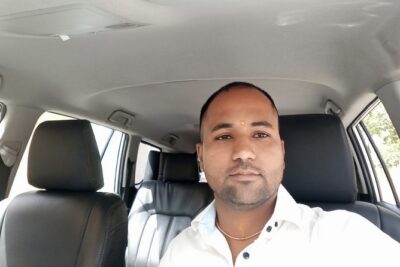
The standout praise in the reviews wasn’t about monuments—it was about people. Drivers and guides are repeatedly described as responsible, helpful, and focused on safety, even during intense traffic. One duo named Khalid (guide who knows a lot about the monuments and Jaipur as a city) and Ravi (safe driver with a new car and good AC, always kind) gets direct credit for making people feel comfortable.
Another guide named Abdul is called out as a great person who helps you experience Jaipur in the best way. That kind of guidance matters on a tour like this, because you’re moving between very different kinds of places. A good guide turns quick stops into meaningful moments.
Price and what you really pay for in practice
The listed price is $4.39 per person, and the value comes from the core structure: pickup and drop-off, a private group format, bottled sealed water, and transport with a driver (either an air-conditioned car or a tuk-tuk, depending on the option). You also get tea or coffee with snacks, plus a certified tour guide when that option is selected.
The catch is what’s not included: attraction entrance fees and meals. So your all-in budget depends on what you choose inside each stop. If you’re planning a full day, confirm what your lunch option includes because the tour description mentions a Rajasthani lunch, while meals are listed as not included. Either way, build in a little extra for food and any ticketed entry.
Who this tour fits best (and who should choose differently)
This works well if you want Jaipur’s highlights without the hassle of piecing together transport and routes. It’s also a good match for first-timers because the sequence moves from local life (flowers) to royal architecture (forts and palaces) to design and science (Jantar Mantar).
If you’re the type who hates timed photo stops, you might feel the pace. This is a “cover the essentials with guided context” tour, not a slow wander where you linger until everything else disappears.
It’s also a strong choice for small groups who want comfort. Private group format means fewer compromises with meeting points and timing.
Should you book this Jaipur flower market tour?
Book it if you want an easy, guide-led day that mixes Jaipur’s most famous sights with local culture you can actually see. The flower market opening, the block printing workshop, and the royal-to-science variety are the reasons this day feels complete instead of repetitive.
Skip it (or adjust expectations) if you’re hoping for a relaxed, unhurried sightseeing stroll. You’ll hit multiple landmarks in a single stretch, so come with comfortable shoes, a water bottle (you’ll get sealed water, but it’s still smart), and a plan to focus on what your guide points out.
FAQ
FAQ
How long is the Jaipur sightseeing tour?
It runs for about 5 to 8 hours, depending on which version you choose and the starting time available.
Where does the tour start?
Pickup is included in Jaipur. You can arrange pickup from places like the airport, railway station, hotel, or another preferred location.
Is transportation included?
Yes. Depending on the option you select, you’ll travel in a private air-conditioned car with a driver, or a private tuk-tuk with a driver.
Do I get a tour guide?
A certified tour guide is included if you choose the guided option. The tour is offered with a live guide in multiple languages.
What’s included in the price besides sightseeing?
The tour includes hotel or airport pickup and drop-off, bottled sealed water, fuel surcharge, taxes, parking fees, and tea or coffee with snacks. Attraction entrance fees and meals are not included.
Are attraction tickets included?
No. Attraction entry fees are not included in the tour price.
Will I stop for food during the day?
Meals are not listed as included, but the tour description notes a lunch option for the full-day experience. Plan to budget for food or confirm what’s covered in your selected option.
What language options are available for the guide?
English, Italian, Spanish, French, and German are offered.
Can I cancel for a refund?
Yes. Free cancellation is available up to 24 hours in advance for a full refund.
If you tell me whether you’re doing half-day or full-day (and what time of day you prefer), I can help you pick the most sensible order for your priorities, especially if you want the Monkey Temple included.