REVIEW · SHOPPING & MARKET TOURS
Jaipur Women Crafts and Shopping Tour
Book on Viator →Operated by Jaipur Day Tours · Bookable on Viator
Jaipur’s craft shops can feel like a maze. This tour turns that maze into a plan, with stops tied to how goods are actually made, led by guides who help you shop with confidence. I love the women-craft focus and the chance to see production firsthand at places like Jaipur block printing.
The main thing to think about is shopping pressure. Several stops are factory showrooms, so if you’re not in the mood to compare textiles, rugs, jewelry, and pottery, you might feel like you’re “being pitched” for a purchase—though you can always choose to just browse.
In This Review
- Quick hits before you go
- Why a women-craft shopping tour in Jaipur makes sense
- Price and time: what $11.35 for up to 2 people really means
- Stop 1: Jaipur block printing—seeing the pattern before you buy
- Stop 2: Channi Carpets & Textiles—hand-knotted rugs, explained in plain terms
- Stop 3: Ratnavali Arts—jewelry and stones with a manufacturer mindset
- Stop 4: Akee International—cashmere, silk, yak, and wool shawls
- Stop 5: Blue pottery Jaipur—cobalt-blue and craft roots
- Guides and shopping intelligence: what makes this tour feel worth it
- How to shop smart in Jaipur crafts without getting lost
- Who should book this Jaipur Women Crafts and Shopping Tour
- Should you book it? My take
- FAQ
- What is the duration of the Jaipur Women Crafts and Shopping Tour?
- How much does the tour cost, and how many people are included?
- Do I get hotel pickup and drop-off?
- What transport is used during the tour?
- Which stops are included in the itinerary?
- Is admission included for the stops?
- Are meals included?
- Does the tour include bottled water?
- Can I cancel and get a refund?
Quick hits before you go
- Women-led craft focus: the tour is built around artisan work, not just store hopping.
- Factory showrooms with free entry: all stops include admission so you can spend time looking, not paying extra.
- Watch block printing in action: you’ll see how stamps and patterns become cloth.
- Rugs, stones, and shawls in one circuit: a smart way to compare materials and pricing.
- Blue pottery with a clear story: cobalt-blue coloring and the Central Asia origin come up during the stop.
- Guides praised for real shopping help: names you may hear include Asif and Raoul, noted for transport and shopping tips.
Why a women-craft shopping tour in Jaipur makes sense
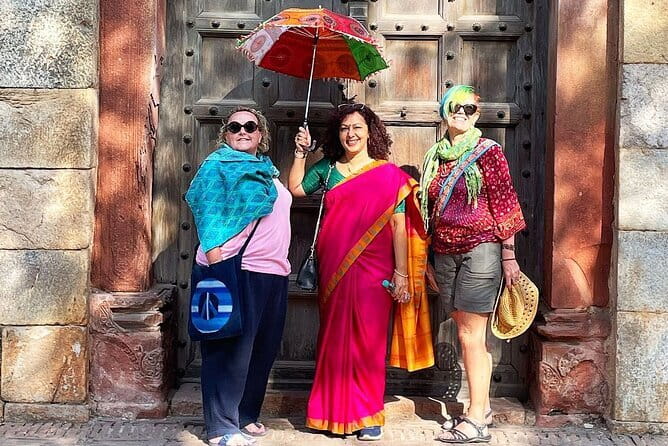
This isn’t a “walk past shops and hope for the best” kind of outing. The flow is designed around major craft categories you’ll actually find in Jaipur: printed textiles, carpets and rugs, jewelry and gemstones, premium shawls, and blue pottery.
What I like for your trip planning is how practical it is. You get a structured route across different crafts, usually in about five hours, with pickup and drop-off handled for you. That matters in Jaipur because travel time between neighborhoods can eat up your day fast.
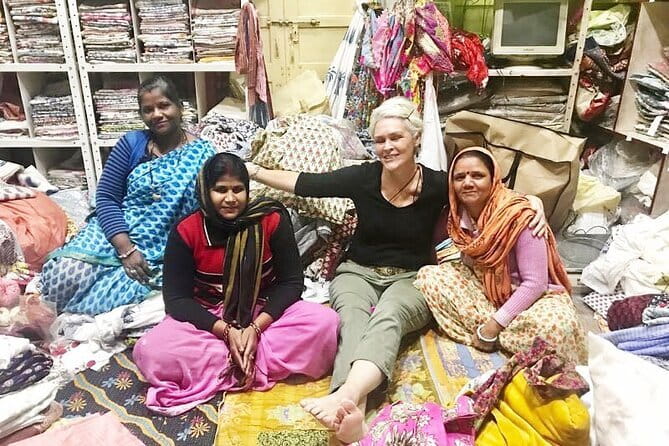
Also, the women-artisan angle isn’t just a slogan here. The tour theme is centered on Jaipur craftsmanship passed through generations, and the stops are set up where you can meet makers and see how products are produced rather than only seeing finished items behind glass.
You can also read our reviews of more shopping tours in Jaipur


Price and time: what $11.35 for up to 2 people really means
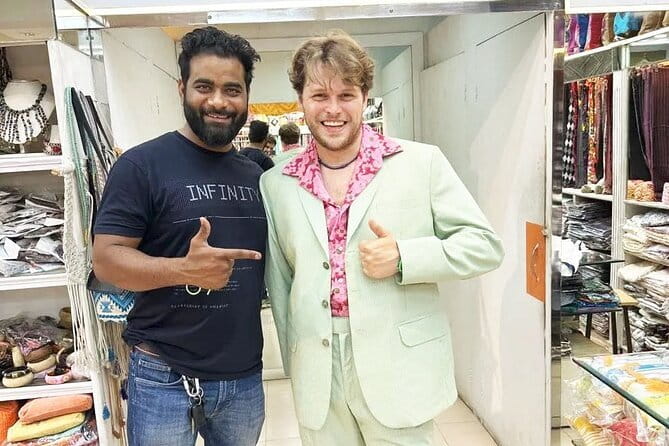
At $11.35 per group (up to 2), this is one of those rare deals where the transport + structured stops are the value, not just the shops. You’re getting hotel pickup and drop-off, private transport by tuk-tuk or car, bottled water, and all fees and taxes included.
The timing is the other big value piece. The tour runs about 5 hours, and each main stop is roughly one hour (block printing is shorter), so you don’t spend your whole afternoon traveling and waiting. It’s long enough to compare a few categories, but short enough that you won’t feel trapped.
One practical trade-off: food and drinks aren’t included. Since you’ll likely spend time inside showrooms and production areas, I’d plan a light snack before pickup or carry something small to keep your energy steady.
Stop 1: Jaipur block printing—seeing the pattern before you buy
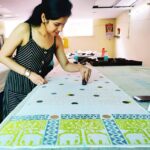
Block printing is the kind of craft that looks simple until you see the process. In this stop, you’re picked up from your hotel and taken to a workshop where artisans demonstrate how traditional printing works using carved blocks.
The tour time here is about 30 minutes, and admission is free. That’s a good length for most people: you get a real feel for the craft without turning it into a full course.
What to watch for while you’re there:
- Pattern alignment and finishing: look closely at how designs repeat cleanly.
- Fabric type and feel: printed cotton and heavier textiles behave differently.
- Style names and uses: ask what pieces are best for shirts, scarves, or home textiles.
A drawback to keep in mind: since this is a short stop, it’s not the place to negotiate every detail. Think of it as your “education moment,” then use what you learn later when comparing fabrics.
Stop 2: Channi Carpets & Textiles—hand-knotted rugs, explained in plain terms

Next comes Channi Carpets & Textiles, described as one of the oldest and most renowned Jaipur-based factories/showrooms. This is the stop for rugs, carpets, and textile quality.
You’ll spend about 1 hour here, and admission is free. Since it’s a factory showroom setting, you should expect to be shown a range of wool, silk, and blended options. The key value for you is that you’re not shopping blindly from one random stall—this is built around comparing categories.
When you’re looking at rugs, don’t just focus on the color. Ask practical questions like:
- Is it wool, silk, or blended?
- Do you know how it was made (hand-knotted is mentioned for their rugs)?
- Which sizes are available and how pricing scales by size and material?
One consideration: rugs can be heavy and bulky to carry. If you’re flying home, ask about shipping options before you fall in love with something big.
Stop 3: Ratnavali Arts—jewelry and stones with a manufacturer mindset
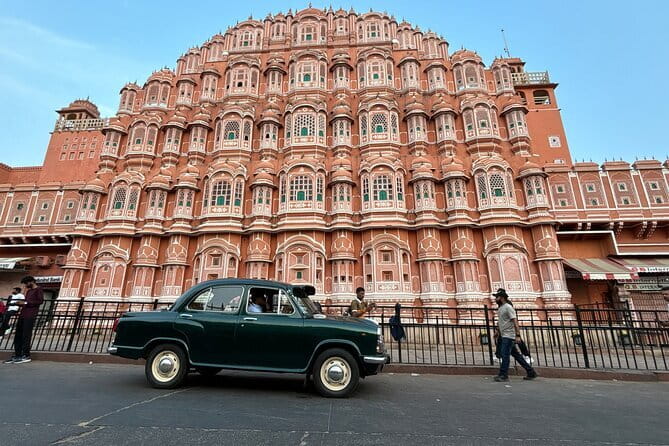
At Ratnavali Arts, the focus shifts to precious and semi-precious stones plus silver and gold jewelry. The stop is framed as a manufacturer and exporter, which usually means you’ll get more direct explanations about materials and product sourcing than you would in a random retail shop.
This is also about 1 hour and admission is free. If you’re shopping for gifts, jewelry is often the easiest category to buy on a schedule like this because you can compare quickly and decide without needing shipping calculations right away.
Practical tips that help you get better value:
- Ask what stone is being used (they specialize in precious and semi-precious stones).
- If you’re choosing silver or gold pieces, check what the shop offers in different metal styles.
- Take a photo of a few designs so you can compare later, especially if your guide points out different quality levels.
A caution, but not a dealbreaker: jewelry shops can move fast. If you want slow, careful comparison, tell your guide early so the pace matches how you shop.






Stop 4: Akee International—cashmere, silk, yak, and wool shawls
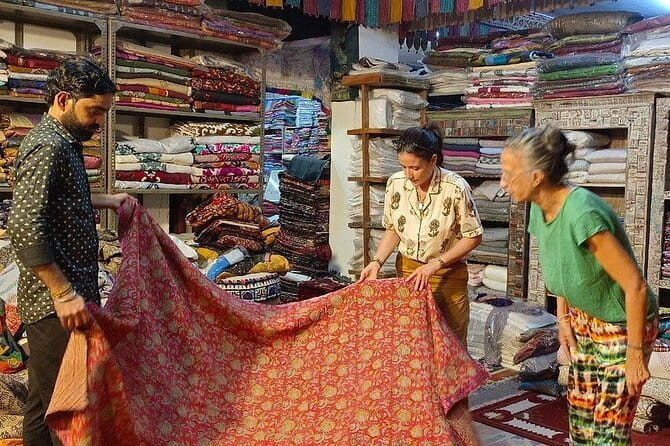
Then you’ll head to Akee International, presented as a premium textiles manufacturing leader specializing in cashmere, silk, yak, and wool. This stop is the one most people connect with if they’re looking for shawls and higher-end textile gifts.
You’ll have about 1 hour here, and again admission is free. The time is enough to compare a few materials and understand what you like—softness, warmth, weight, and how a shawl drapes are all things you can feel in person.
What I recommend you do at this stop:
- Compare at least two materials (cashmere vs. wool, or silk vs. wool) so you have a baseline.
- Ask what makes a shawl premium in that shop’s terms—material quality, weaving, or finishing.
- If you’re buying for someone specific (cold-weather use, formal wear, daily comfort), tell your guide and ask what fits that use case.
One practical consideration: shawls can look similar from a distance. Inspect edges and stitching quality, and don’t rush the feel-test.
Stop 5: Blue pottery Jaipur—cobalt-blue and craft roots

The final stop is Blue Pottery Jaipur, a traditional craft with origins from Central Asia. The name comes from the cobalt blue dye used to color the pottery, which gives you a clear explanation as to why everything looks the way it does.
You’ll spend about 1 hour here, and admission is free. This stop is a nice finishing touch because pottery is both visual and functional: it’s easier to imagine in your home than, say, a complex rug pattern.
What to look for:
- Color consistency (especially the cobalt tone).
- Decorative style and whether pieces are everyday-use friendly.
- How the shop describes the origin and technique—this stop is more explanatory than purely transactional.
A trade-off: pottery pieces can be fragile. If you’re buying something breakable, plan on careful packing and safe transport.
Guides and shopping intelligence: what makes this tour feel worth it
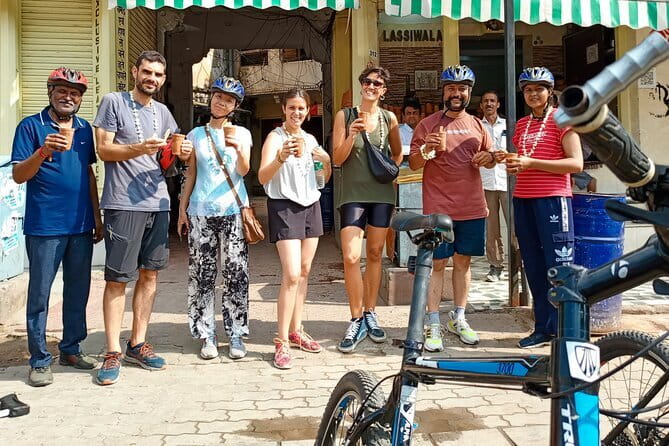
A big part of why this tour gets strong ratings is the role of the guide. Names that show up in feedback include Asif and Raoul, and both are described as professional and helpful, with lots of practical tips about shopping and getting around.
In one case, a guide tailored the day to what someone wanted to see, then took them to factory-based craft production spots and helped them buy items they liked. Another write-up mentions tips spanning activities, temples, palaces, food, shopping, and transport—basically, turning a craft day into a mini guidebook you can ask questions during.
Here’s how you can use that strength to your advantage:
- Start with a simple goal: gifts, home textiles, jewelry, or personal wardrobe pieces.
- Ask your guide what’s best value within that category (not just what they recommend).
- Be honest if you don’t want to buy. A good guide will shift from selling to explaining.
Also, keep an eye out for flexible tailoring or quick garment delivery options. One write-up mentions tailor-made clothes delivered to a hotel within 12 hours, which suggests the tour setup can sometimes support same-day-to-soon tailoring needs. Don’t assume it’s guaranteed, but it’s worth asking if that’s your plan.
How to shop smart in Jaipur crafts without getting lost
Factory showrooms are great for comparison, but you still need a strategy. Here’s a simple one that keeps you in control:
Decide your budget range first. If you set a ceiling before you step inside, you won’t get swept up in “just one more” choices.
Touch-test fabrics, inspect construction. For textiles and shawls, feel matters. For rugs, pay attention to how the shop explains materials like wool, silk, and blends, and whether you’re being shown hand-knotted examples.
Ask “what it’s made of” before “what it costs.” At Ratnavali Arts, stone types and metal choices matter. At Akee International, material choice is the whole game.
Take photos of product details. Especially for jewelry and pottery patterns, photos help you compare later when you’re tired.
Use your time well. The tour is about five hours total, so you’ll see multiple categories. If jewelry is your priority, spend time there; if blue pottery is your focus, don’t treat it like an afterthought.
Who should book this Jaipur Women Crafts and Shopping Tour
This tour fits best if you:
- Want a structured, time-efficient shopping route in Jaipur.
- Like crafts where you can see production or learn how items are made.
- Care about women artisan-centered craftsmanship and want that theme reflected in the stops.
- Are shopping across multiple categories—textiles, rugs, jewelry, shawls, and pottery—without running around town on your own.
It might be less satisfying if you:
- Only want big-name sights and don’t want shopping stops.
- Hate factory/showroom-style outings where you’re frequently shown products.
- Don’t plan to buy anything and prefer purely cultural sightseeing.
If you’re somewhere in the middle, you’ll still probably enjoy it—you can browse, learn, and then buy only what truly fits your taste.
Should you book it? My take
I’d book this tour if you want craft value: multiple categories, free admission at each stop, and private pickup so you don’t burn time on logistics. The price is low enough that the real decision is whether you want to spend your afternoon comparing textiles, rugs, jewelry, shawls, and pottery with a guide.
I’d think twice if you’re not interested in shopping at all or if you only want sightseeing. Since the day is structured around craft purchases and showrooms, it’s built for people who like to look, learn, and (at least sometimes) take something home.
If you go, come with a small plan: one gift you’re hunting, one material you want to compare, and one question you want answered at each stop. That turns a shopping tour into a craft education you can actually use.
FAQ
What is the duration of the Jaipur Women Crafts and Shopping Tour?
The tour lasts about 5 hours (approximately).
How much does the tour cost, and how many people are included?
It’s listed at $11.35 per group for up to 2 people.
Do I get hotel pickup and drop-off?
Yes. Hotel pickup and drop-off are included.
What transport is used during the tour?
The tour includes private transport by tuk-tuk or car.
Which stops are included in the itinerary?
The tour includes Jaipur block printing, Channi Carpets & Textiles, Ratnavali Arts, Akee International, and Blue Pottery Jaipur.
Is admission included for the stops?
Yes. All fees and taxes are included, and each listed stop shows admission ticket free.
Are meals included?
No. Food and drinks are not included.
Does the tour include bottled water?
Yes. Bottled water is included.
Can I cancel and get a refund?
Free cancellation is available. You must cancel at least 24 hours in advance for a full refund.