REVIEW · CITY TOURS
Pink City Street Food and Local Market Tour
Book on Viator →Operated by Pink City Guide · Bookable on Viator
Street food at night hits different. This Pink City tour strings together local bazaars and hands-on craft work without you getting lost. I especially like the mix of street snacks plus views of artisans at work, like bangle and clay pot makers. One drawback: the route runs through older lanes, so expect lots of walking and a bit of pace-control by the guide.
You’ll start in Chandi Ki Taksal and head into the old-city market web: flower, bridal, incense and spice, fruit and veg, and other small bazaars where daily life happens. The guide also shares context that goes beyond shopping, including how Jaipur’s social structure is organized. If you’re mainly here for big-ticket monuments, this isn’t built around monument tickets (those entry fees aren’t included).
In This Review
- Key things that make this tour worth your time
- Pink City After 5 PM: why this timing works
- Starting Point in Chandi Ki Taksal: where you meet and how you move
- Bazaars You’ll Walk Through: bridal, flowers, incense, and spice
- Street Food Stops: chai, lassi, sweets, and how to eat smart
- Watching Craft in Action: bangles, sweets, turban making, sculpting, pottery
- Local Life and Culture: interacting with people and what the guide explains
- Price and value: what $10 buys you (and what it doesn’t)
- Shopping reality check: textiles, custom orders, and bringing space
- Logistics that actually affect your day
- Should you book this Pink City street food and market tour?
- FAQ
- How long is the Pink City Street Food and Local Market Tour?
- What does the tour cost?
- What’s included in the price?
- Are monument entry fees included?
- Where does the tour start?
- Can I cancel if plans change?
Key things that make this tour worth your time
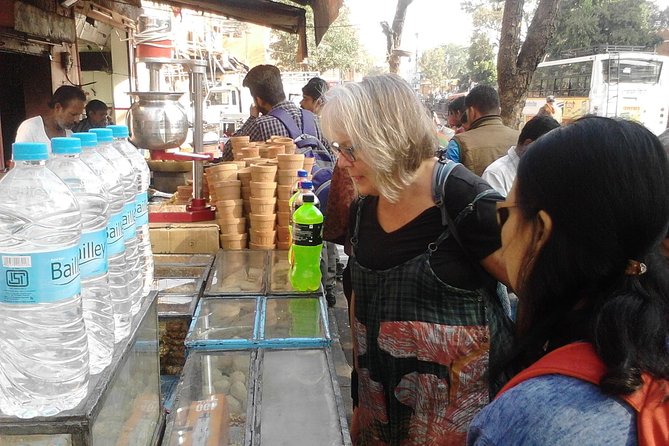
- Chandi Ki Taksal tea stop that anchors the experience in a real market area
- Rickshaw rides for longer stretches, so you don’t wear yourself out
- Market variety across bridal, flowers, incense/spices, and produce lanes
- Food you can actually eat as you walk, including chai/tea, lassi, and sweets
- Artisan workshops in action, from bangles to sculpting and pottery
- A textiles bonus feel, with a strong shopping and block-printing vibe
Pink City After 5 PM: why this timing works
Evening markets in Jaipur feel less like a shopping chore and more like a living street scene. The sights are still active, but the heat has eased, so it’s easier to focus on what you’re seeing: shopfronts, stall layouts, families moving through lanes, and artisans returning to their rhythm after the daytime rush.
This tour runs about 3 to 4 hours, starting at 5 PM, which is a sweet spot. You’re not arriving in the middle of the morning setup, and you’re not closing time either. That matters because street food tastes best when people are actively cooking and serving, not when the stalls are winding down.
You can also read our reviews of more food & drink experiences in Jaipur

Starting Point in Chandi Ki Taksal: where you meet and how you move
You’ll meet at 110, Hawa Mahal Rd, Chandi Ki Taksal, J.D.A. Market, Sirahdeori Bazar, Jaipur. The good news is that this is in the older market zone, not way out in a modern strip. You get going fast and the tour doesn’t waste time with a long “wait and see” phase.
From there, the guide leads the walking parts through tight lanes, then uses rickshaw rides for longer distances. That combo is practical. You get the close-up market feel when you’re on foot, and you avoid being completely drained by transit in an area that can be confusing if you’re navigating alone.
The group stays small (up to 15). That’s important in places like these, where crowd flow can get tricky. Smaller groups make it easier to stop, taste, and ask questions without one person getting lost behind the souvenir stampede.
Bazaars You’ll Walk Through: bridal, flowers, incense, and spice
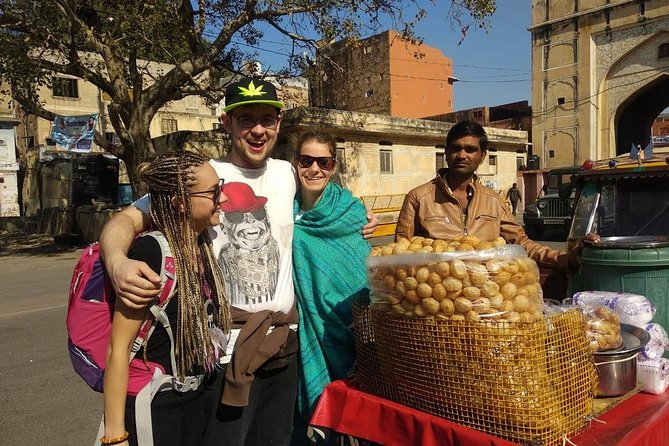
This tour doesn’t take you to just one market. It strings together several distinct lanes and specialities, so you start to see Jaipur’s trading logic.
Here’s what you can expect to pass through:
- Bridal market: You’ll see the wedding-focused side of Jaipur shopping—items and stalls built around celebrations, fabrics, accessories, and the kind of details people plan months in advance. Even if you’re not buying, it gives you a strong sense of what the city values.
- Flower market: Scents come through quickly here, and the flower trade has its own visual language—color, arrangement styles, and quick-moving buyers.
- Incense and spice market: This is where Jaipur’s “smell map” starts. You’ll notice how spices are displayed and handled differently than packaged goods, and incense shops feel like their own mini world.
- Vegetable and fruit market: It keeps things grounded. After specialty shopping streets, produce stalls remind you this is everyday commerce, not just tourist theater.
You also weave through other bazaars along the way. That movement is the point. Jaipur’s old city is a patchwork of small economies, and the guide’s job is to connect them into a route that makes sense.
Street Food Stops: chai, lassi, sweets, and how to eat smart
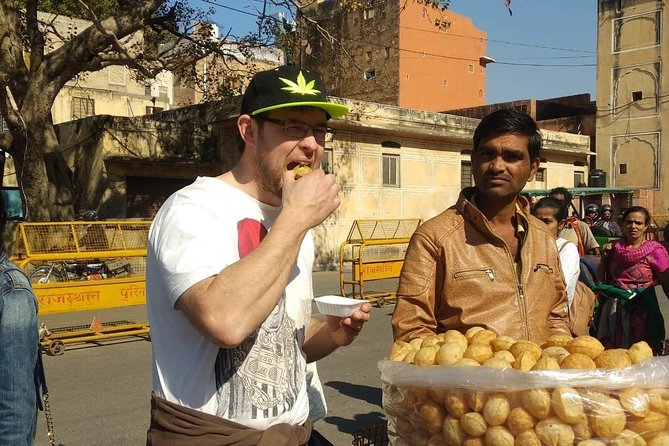
The tour is built around the idea that you should taste what people actually buy and eat. During the walk, you’ll sample street foods and drinks such as chai/tea, lassi, and sweets.
A practical way to handle street food on a walking tour is to pace yourself like a local:
- Take one hot or milky item, then balance with something lighter before your next stop.
- Don’t assume you’ll remember what you liked if you keep ordering. Ask the guide what’s best right now, then move on.
That guide-led timing helps a lot. Jaipur street stalls can be selective about portions and spice levels, and a guide can steer you toward options that match what most visitors can handle comfortably.
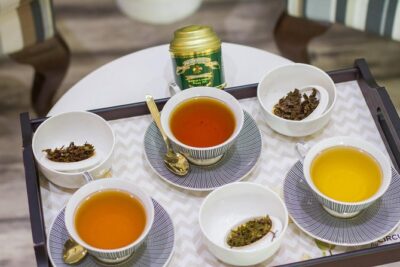
Also, this tour includes coffee and/or tea, plus a special tea stop in Chandi Ki Taksal. That’s a nice break in the middle of the route—less about caffeine, more about resetting your energy so you can keep walking.
Watching Craft in Action: bangles, sweets, turban making, sculpting, pottery
One of the most memorable parts of this tour is seeing crafts happen while you’re standing close enough to notice the workflow. You don’t just see finished products on racks—you get a sense of how the maker thinks and works.
The tour includes stops where you may see:
- Bangle maker work (craft and detail come through fast here)
- Sweetmeats maker activity (where you can often see the process behind the final box)
- Turban maker work (a reminder that textiles in Jaipur are not only decorative; they’re functional)
- Statue sculptor steps in progress
- Clay potter shaping and working with material in real time
These aren’t just photo opportunities. They help you understand price, quality, and why certain items cost what they cost. When you see the time involved, it’s easier to shop with confidence instead of guessing.
One more thing: the tour has a strong textile element. A highlight mentioned is a block printing session, which adds context for why Jaipur fabric styles look the way they do. Even if you don’t buy, watching print methods take shape from design to pattern makes the whole shopping experience feel more grounded.
You can also read our reviews of more tours and experiences in Jaipur





Local Life and Culture: interacting with people and what the guide explains
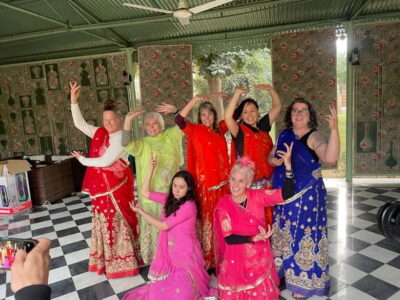
A big value of a guided market tour is the context you don’t naturally get while wandering. This experience includes chances to interact with Jaipur locals at residences and work places, not just standing at the edge of a stall.
You’ll also learn about a sensitive topic: the caste system and how it fits into daily life. The guide’s role matters here. You’re not being asked to memorize it like a textbook. You’re getting the basics that help you read the social structure around you as you move through markets and workshops.
My advice for topics like this: keep your expectations human. You’re not going to “solve” social history in a few hours, but you can walk away with clearer awareness. That’s what makes a culture tour feel respectful, not sensational.
Price and value: what $10 buys you (and what it doesn’t)
At $10 per person, the math is pretty compelling for a 3 to 4 hour evening experience—especially because you’re getting more than a walk-through. You have:
- A guided route through multiple bazaars
- Longer-distance movement via rickshaw
- Food and drink tasting built into the schedule
- At least one included tea/coffee moment anchored in Chandi Ki Taksal
- A chance to see artisans at work
The not-so-glamorous part is what’s not included: monuments entry fees. Even if this tour doesn’t feel monument-heavy, it’s still a good thing to know. If your day plan includes ticketed sights elsewhere, keep that budget separate.
There are also group discounts, and the small group size (max 15) helps keep the experience personal without turning it into a private tour price.
Shopping reality check: textiles, custom orders, and bringing space
This is a shopping-friendly route. If you like textiles, you’ll likely enjoy the way the tour builds your confidence in what you’re seeing.
One useful tip: bring an empty suitcase or at least extra space. Jaipur market shopping can add up fast, especially if you’re tempted by hand-made clothing, table linens, or colorful fabrics.
If you’re looking for something specific, this tour’s guide support can help. There’s a strong emphasis on finding hand-made items, and you may even be shown options for custom requests. That matters because Jaipur crafts can be flexible—patterns, sizing, and fabric choices often depend on what the artisan can produce on schedule.
If you’re worried about making decisions under time pressure, don’t. The guide can help you choose based on your preferences, and that reduces the classic tourist mistake of buying the first item that looks pretty.
Logistics that actually affect your day
This is a 5 PM start, so plan an easy earlier afternoon. You’ll want your energy for walking lanes and waiting at stalls while food and craft stops happen. The tour is designed for most people to participate, but it still involves movement through older areas where sidewalks aren’t always wide.
A couple of practical reminders:
- Wear comfortable shoes you can trust on uneven ground.
- Bring small cash for extra purchases, since market shopping is the point.
- If you get easily overloaded by strong smells, take your time at the incense and spice stops—pause, breathe, then continue.
Also, the tour uses a mobile ticket, which is convenient if you’re traveling light with phone access.
Should you book this Pink City street food and market tour?
Book it if you want Jaipur to feel like a place where people live, not just a photo stop. This tour is especially strong for:
- First-timers who want a structured path through the old city
- Food and drink lovers who like tasting while walking
- Shoppers who prefer craft context over price guessing
- People who enjoy textiles and hands-on making, including block printing
Skip it if your trip is built around monuments and you want a sightseeing-heavy route with ticketed attractions. Also, if you can’t handle street-food pacing or lots of lane walking, you may find the experience a bit intense.
FAQ
How long is the Pink City Street Food and Local Market Tour?
It lasts about 3 to 4 hours.
What does the tour cost?
The price is $10.00 per person.
What’s included in the price?
You get coffee and/or tea, including tea in Chandi Ki Taksal.
Are monument entry fees included?
No. Monuments entry fees are not included.
Where does the tour start?
The tour starts at 110, Hawa Mahal Rd, Chandi Ki Taksal, J.D.A. Market, Sirahdeori Bazar, Jaipur, Rajasthan 302002, India. It ends back at the meeting point.
Can I cancel if plans change?
Yes. You can cancel up to 24 hours in advance for a full refund.