REVIEW · PRIVATE CITY SIGHTSEEING TOURS
Private Full-Day Jaipur Sightseeing by Car
Book on Viator →Operated by Sofia Tour Travels · Bookable on Viator
A full day in Jaipur needs a good plan. This private car tour is built for first-timers who want the big sights without the taxi stress. You’ll get a smooth pickup and drop setup and a route that hits landmark stops across the city.
What I like most is how it saves your energy: you travel in an air-conditioned private vehicle with an assigned chauffeur for about eight hours. I also appreciate that the day feels adjustable to you, so you’re not stuck rushing through everything at someone else’s pace.
One thing to consider: the car and chauffeur are included, but entry fees and meals can add up, and some monuments show as not included for admission.
In This Review
- Key takeaways before you go
- Why a private car makes Jaipur easier on day one
- Amer and Panna Meena ka Kund: forts and a stepwell back-to-back
- Royal Gaitor Tumbas, Jal Mahal, and the joy of short stops
- Hawa Mahal and Jantar Mantar: iconic, but make the time count
- City Palace: the day’s anchor and a place to slow down
- Price and logistics: what you’re truly paying for
- The human factor: guide Raj and driver Ali
- Who this Jaipur full-day by car suits best
- Should you book this private Jaipur day by car?
- FAQ
- How long is the Jaipur sightseeing by car?
- Does the tour include pickup and drop-off?
- Is this a private tour?
- Is an air-conditioned vehicle provided?
- Are bottled water and parking included?
- Are meals included?
- Do I have to pay entry fees?
- Is there a guide included?
- What ticket method do I get?
- What if I need to cancel?
Key takeaways before you go
- Private car, not a shared ride: Only your group participates, with hotel/airport/railway pickup and drop-off.
- A first-time Jaipur hit list: Amer, Panna Meena ka Kund, Royal Gaitor Tumbas, Jal Mahal, Hawa Mahal, Jantar Mantar, and the City Palace.
- Built-in pacing: Stop durations like 30 minutes for several sights mean you see more without feeling trapped all day.
- Some admissions are free, some are not: A few stops list tickets as free, while others require admission you pay separately.
- Helpful human touch: Reviews specifically call out guide Raj and driver Ali for being pleasant and easy to work with.
- Car comfort matters in Jaipur: Fuel, parking, and bottled water are part of the day, so you spend less time managing logistics.
Why a private car makes Jaipur easier on day one
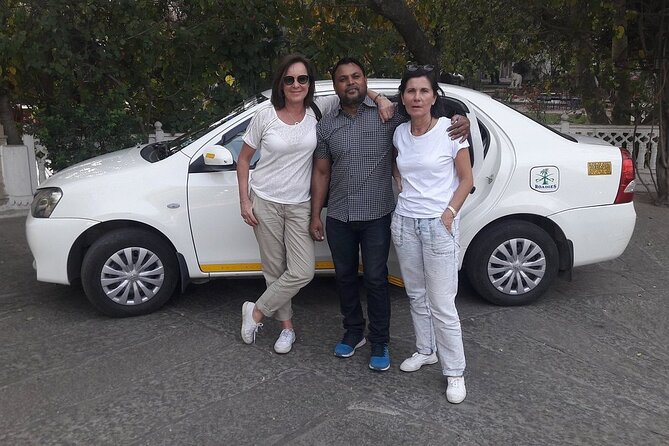
If Jaipur is your first stop in Rajasthan, the city can feel like a lot at once: forts, palaces, stepwells, and observatories, all spread across different areas. A private car solves the biggest early problem—how to get between places quickly and without negotiating every ride.
This tour is designed around that idea. You’re picked up from your hotel (or another agreed location in Jaipur), then you spend the day moving between major sights with a chauffeur-driven, air-conditioned vehicle. That means you can focus on the sights instead of the constant back-and-forth that can happen with regular taxis.
I also like that it’s private-only your group. No waiting around for other people’s schedules, no awkward timing gaps. When you’re trying to see a lot in a short window, that kind of control is worth real money.
One more practical note: the itinerary is described as customizable to your needs and interests. That’s important because you might want more time for one stop and less for another, depending on what you care about most.
You can also read our reviews of more private tours in Jaipur


Amer and Panna Meena ka Kund: forts and a stepwell back-to-back
Your morning starts with Amer, traveling to the outskirts of Jaipur to visit a Rajput Fort. The stop is about two hours, which is a decent chunk of time for a major site on a first full day. You’ll also avoid wasting your morning in transit, since pickup and the drive are part of the service.
Amer sets the tone: it’s a strong start because it’s a full “big sight” before you move into the smaller, more specific architectural gems. If you want a day that feels balanced, this sequencing helps.
Then you move to Panna Meena ka Kund, a square-shaped stepwell with stairs on all four sides and a room on the northern wall. This is the kind of stop that’s short enough to fit in, but interesting enough to feel memorable. Even if you’re not a lifelong architecture person, you can still appreciate the structure because the description is so specific: four-sided stairs, square shape, and that extra room detail.
The stepwell stop is listed at about 30 minutes and admission shows as free. That makes it a smart value add during a day when some other monuments may have ticket costs.
Royal Gaitor Tumbas, Jal Mahal, and the joy of short stops
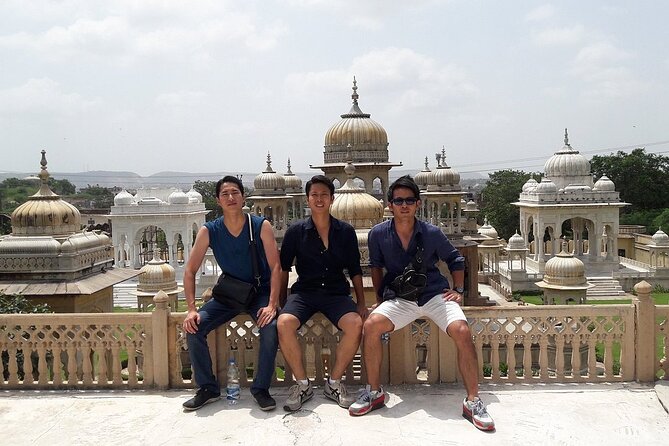
After the stepwell, you head to Royal Gaitor Tumbas, described as a tomb complex for multiple maharajas. The names called out are Pratap Singh, Madho Singh II, and Jai Singh II. This stop is about 30 minutes, and admission is listed as not included.
Even in a short time, naming the rulers matters. It gives context for why you’re standing there: this isn’t just a random set of tombs; it’s tied to specific historical figures, and you can read the place with that in mind.
The site is described as located beneath Nahargarh Fort. That positioning is a useful mental picture for your visit. You’ll be able to understand why the complex feels tucked under a larger fort setting, even if you’re just seeing it from the route and your walking path.
Next comes Jal Mahal, the Rajput-style water palace in the middle of Man Sagar Lake in Jaipur City. The fact that it’s on the lake is the whole hook. You get a visual break from land forts and courtyards, and the “water palace” concept naturally creates different angles and views.
This stop is listed at about 30 minutes, and admission shows as free. That’s a good combo for a full day: a dramatic-sounding sight, but not one that eats your time.
Hawa Mahal and Jantar Mantar: iconic, but make the time count
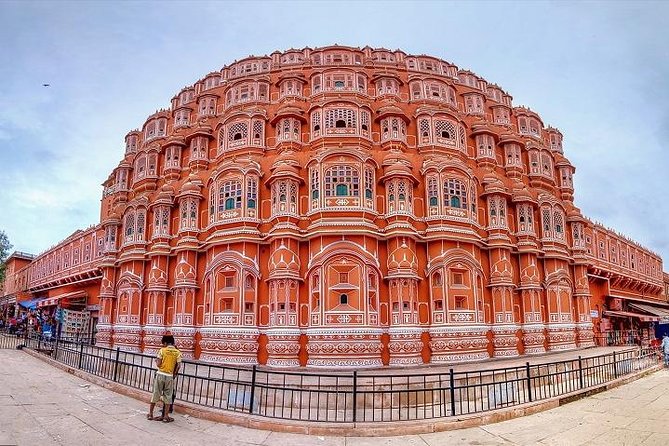
One of the most famous Jaipur sights is Hawa Mahal, the Palace of Breeze. It was built in 1799 by Sawai Pratap Singh. The key detail I’d keep in mind before you arrive is its purpose: it was planned for the royal household to look at everyday life in the city.
That’s a clever way to experience it. You can treat the visit like a time-slice of how the palace connected royals to the street. It’s not just about architecture; it’s about who could view what, and why.
The stop is listed at about one hour, and admission is not included. Plan for the extra cost if you want to go inside. If your priority is just seeing the exterior from nearby streets and viewpoints, you might be able to keep time tight. But if you care about the inside experience, budget accordingly.
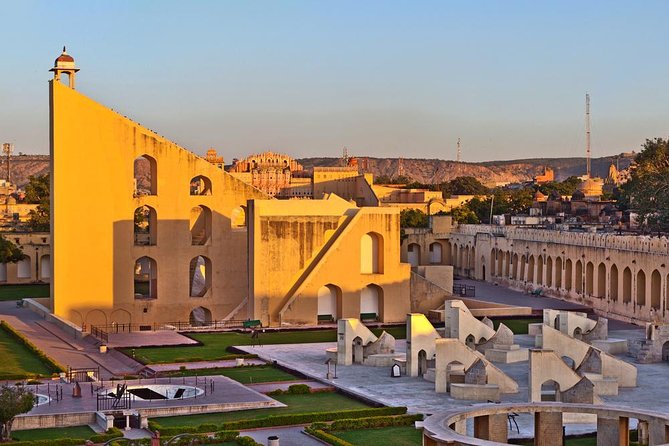
Then you move to Jantar Mantar – Jaipur, described as a collection of nineteen architectural astronomical instruments, built by Sawai Jai Singh and completed in 1738 CE. One hour here makes sense. With instruments, you need a little time to take them in and understand what you’re looking at.
Admission for this stop is listed as not included. That means you’ll likely pay at the site unless you’ve chosen an option that includes monument tickets with the expert guide. If you’re the type who hates paying separately for each place, consider that when you choose your add-ons.
Together, Hawa Mahal and Jantar Mantar create a nice contrast: one palace built around daily life viewing, and one scientific-leaning site built around astronomical instruments. Same city, different mindset, and both are major Jaipur identifiers.
City Palace: the day’s anchor and a place to slow down
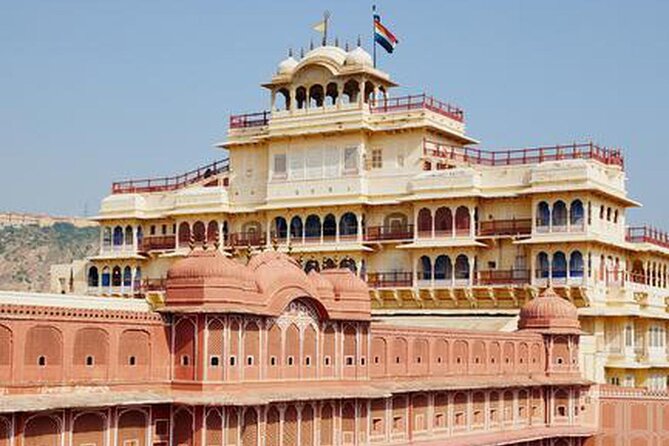
By the time you reach The City Palace, your eyes will be full. That’s why I like that it’s listed at about two hours. It’s your longest stop after Amer, giving you time to gather everything you’ve seen and connect it to the wider royal setting.
The City Palace is described as a major milestone and one of the most famous points of interest in Jaipur. It was designed by Maharaja Sawai Jai Singh during his rule. Since the description calls out the designer directly, it helps to treat the palace as the central reference point for the day.
Admission is not included here, so plan for ticket costs if you want the full visit. The two-hour length also suggests you can do more than a quick walk-through, which matters because palaces tend to reward slower attention.
If you’ve been moving fast, this is where you can rebalance. Step back, take in views and layouts, and use the time to reflect on what each stop showed you so far: fortress life in Amer, water architecture with Jal Mahal, the daily-life perspective at Hawa Mahal, and the instrument-focused approach at Jantar Mantar.
You can also read our reviews of more tours and experiences in Jaipur




Price and logistics: what you’re truly paying for
The price listed is $13.42 per person. That’s the kind of number that makes you want to ask: what’s included versus what costs extra?
Here’s the honest breakdown based on the tour details:
- Included: hotel/airport/railway pickup and drop, a chauffeur-driven air-conditioned private car for the full day, fuel, parking fees, taxes, and bottled water.
- Included only if you select the option: an expert guide with monument tickets.
- Not included: meals, and personal expenses like shopping and extra activities.
Also, the overview notes that entry fees, meals, and professional guides cost extra. In practice, the itinerary reflects this split: some stops show admission as free (like Amer in the schedule, Panna Meena ka Kund, and Jal Mahal), while others show admission as not included (like Royal Gaitor Tumbas, Hawa Mahal, Jantar Mantar, and the City Palace).
So the value depends on your priorities. If you want the comfort and convenience of door-to-door driving and you’re okay paying admission ticket fees separately at a few stops, the per-person cost can feel like a bargain. If you want a guide to handle monument tickets too, your total day cost may rise—but you’ll also lose less time figuring out what’s where and what to pay.
One small but meaningful detail: the tour mentions mobile ticket. That can simplify the day if you hate paper confirmations and want everything in one place.
The human factor: guide Raj and driver Ali
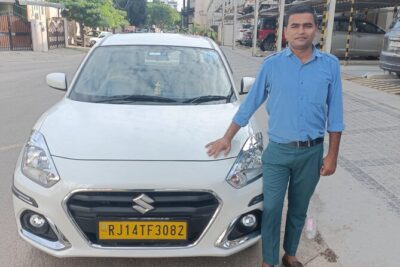
Even with a great route, the day can turn sour if your driver is rough and your guide talks like a textbook. This one has a clear positive signal from real feedback: Raj is mentioned as the guide, and Ali is mentioned as the driver. Both are described as pleasant throughout the ride.
That matters because this tour is a full day with multiple stops. You’ll appreciate someone who keeps things smooth and respectful while still letting you move at your own pace. It also makes it easier to adjust your timing if you want extra minutes at a stop (or if you’re done faster than expected).
If you’re hoping for a day that feels organized without feeling rigid, that “pleasant and practical” vibe is exactly what you want.
Who this Jaipur full-day by car suits best
This tour fits best if you want a structured first-time introduction to Jaipur. It hits the major names (Amer, Hawa Mahal, City Palace) while also including supporting sights that make the day feel fuller than a quick checklist.
It also suits you if:
- You prefer air-conditioned comfort and direct transfers over constant taxi searching.
- You want a private setup where your group sets the pace.
- You like architecture and landmark details, including the specific stepwell and the astronomical-instrument site.
If you’re the kind of traveler who wants zero paid-entry surprises, plan a bit ahead. Since several stops show admission not included, your total spend will depend on whether you choose the expert guide with monument tickets option and what you decide to enter fully.
Should you book this private Jaipur day by car?
Book it if you want a low-stress day that covers the signature Jaipur highlights with real organization: pickup, air-conditioned driving, bottled water, and a route that keeps movement efficient.
Consider passing or at least budgeting carefully if you’re trying to keep your spending ultra-tight. Meals are not included, and several key monuments list admission as not included, so you’ll pay extra at some points.
If you can, think about what you care about most before you go:
- If it’s comfort and time saved, this private car setup is doing exactly that.
- If it’s inside access and guided context, choose the option that includes an expert guide with monument tickets so you’re not juggling admission decisions on the fly.
For most first-timers, the combination of major sights plus a manageable pace is the deciding factor. You’ll leave with your bearings in place—and that’s the best kind of souvenir.
FAQ
How long is the Jaipur sightseeing by car?
It runs for about 8 hours.
Does the tour include pickup and drop-off?
Yes. You get pickup and drop-off from your hotel or another location in Jaipur (and also from the airport or railway station).
Is this a private tour?
Yes. It’s private, and only your group participates.
Is an air-conditioned vehicle provided?
Yes. You travel in a chauffeur-driven, air-conditioned private vehicle for the full day.
Are bottled water and parking included?
Yes. Bottled water, fuel, parking fees, and taxes are included.
Are meals included?
No. Meals are not included.
Do I have to pay entry fees?
Entry fees are not included for some monuments, while other stops show admission as free. The tour also notes that entry fees may cost extra.
Is there a guide included?
An expert guide with monument tickets is included only if you select that option. Otherwise, you’ll still have a chauffeur-driven private car.
What ticket method do I get?
A mobile ticket is provided.
What if I need to cancel?
Free cancellation is available up to 24 hours in advance for a full refund.