REVIEW · CITY TOURS
Jaipur Walking Tour- Explore Old Heritage City With Private Guide
Book on Viator →Operated by Abby & Scout Tours · Bookable on Viator
Your feet do the sightseeing here. This private walk through Jaipur’s old markets and temple lanes is built for craft lovers and curious eaters. I especially like the mix of street-level artisan streets and the guided context that turns random shop-fronts into a map of how Jaipur works. One thing to consider: it’s a true walking tour with a moderate pace, and some market areas can feel tight underfoot.
The big win for me is the guide factor. On this tour you’re with an English-speaking local, and the guide named Gaurav is specifically called out in feedback as both fun and packed with details. Second, I like that you’re not paying for most entry fees—most stops are free, and when there are paid sights, the guide can help you manage the ticketing.
The one real drawback is timing and day-of-week. Sundays in the old city are often less active, so you may see fewer shops open, and you’ll want to start later (or be flexible) because many places open after 10:30–11:00 AM.
In This Review
- Key highlights
- Why Jaipur on Foot Beats Trying to Rush It by Car
- Meeting Window and Walking Pace (3–4 Hours, Moderate Fitness)
- Kalki Temple: A Quiet Start Before the Markets
- Hawa Mahal from the Right Angle: Iconic Views Without the Rush
- Jai Mata Di Paridhan and the Wedding-Fabric Market Feeling
- Gopal Ji Ka Rasta: Mawa (Khoya) and the Sweet-Ingredient Chain
- Bhagat Mishthan Bhandar: A Real Sweets Break
- Choti Chopad: Flowers, Spices, Silver Lanes in One Area
- Thatheron ka Rasta: Metal-Working With a Side of Street Rhythm
- Maniharo ka Raasta: Old-Regal Charm at the End of Tripolia Bazaar
- Swargasuli Tower: A Victory Tower Photo Stop
- Sai Baba Mandir: The Oldest Sai Baba Temple in Jaipur
- Golcha Cinema: Tour Finishes at a Classic Jaipur Institution
- Food, Drinks, and What’s Actually Included (And What Costs Extra)
- Entry Fees: Mostly Free Stops, With Two Possible Paid Sights
- Best Fit: Who This Walking Tour Suits
- A Few Practical Tips That Make This Day Easier
- Should You Book This Jaipur Walking Tour?
- FAQ
- What’s included in the tour price?
- Is hotel pickup and drop-off included?
- How long is the walk, and what time does it run?
- Are there admission fees at the sights?
- Does the tour include food and street snacks?
- What happens if it’s a Sunday or bad weather?
Key highlights
- Private, English-speaking guide with a named local specialist (Gaurav) noted for energy and clarity
- Most stops have no entry fee, with paid sights limited to a couple of landmarks
- Market focus: textiles, sweets, brass/metal utensil tradition, plus silver and jewelry-making lanes
- Food and drinks chances: bottled water plus tea/coffee included; street food is extra
- Classic photo/view moments: Hawa Mahal and Swargasuli Tower seen from the roadside
- End at Golcha Cinema, one of Jaipur’s oldest cinema halls, with optional inside time
Why Jaipur on Foot Beats Trying to Rush It by Car
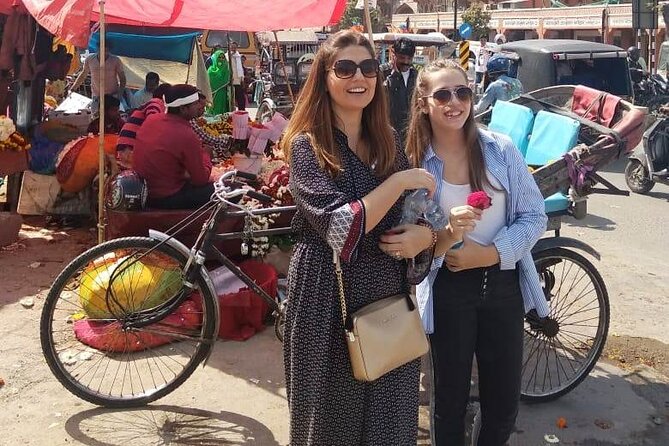
Jaipur’s Old City rewards patience. A walking route lets you slow down enough to notice signs of craft work—metal tools, spice piles, stacked fabrics, and the way shopkeepers actually run their day.
This tour feels like a guided version of getting your bearings fast. You’re not just seeing landmarks; you’re moving through the working lanes where people buy ingredients for daily cooking, wedding outfits, and the accessories that finish a traditional look. That’s the sort of travel that sticks because it’s practical, not staged.
Price matters too. At $20.17 per person for about 3 to 4 hours, you’re getting a private guide and drinks (bottled water and tea or coffee), plus GST included. Pickup isn’t included, but the tour format keeps costs reasonable for a one-to-one style of attention.
You can also read our reviews of more walking tours in Jaipur


Meeting Window and Walking Pace (3–4 Hours, Moderate Fitness)

The tour runs Monday through Sunday, typically 11:00 AM to 4:00 PM. This is a smart start time for the old city because most shops and markets open around 10:30 or 11:00, and the later start helps you avoid dead storefronts.
You’ll want moderate physical fitness. It’s not described as a marathon, but it is walking through older streets and markets, so comfortable shoes are non-negotiable. If you’re sensitive to heat or crowds, plan water intake early since bottled water is included.
One more timing reality: Sundays are less eventful in the old city, and some shops may have limited hours or be closed. If you can choose your day, pick a weekday or be ready for a calmer pace.
Kalki Temple: A Quiet Start Before the Markets
The walk begins at Kalki Temple. You get about 10 minutes here, and entry is free.
Starting with a temple grounds you quickly. It sets the tone for why Jaipur’s old-city lanes aren’t only about shopping—they’re tied to local routines and community life. Even if you’re not big on temple visits, it’s a useful reset before the noise of the bazaars.
Hawa Mahal from the Right Angle: Iconic Views Without the Rush
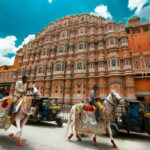
Next up is Hawa Mahal (Palace of Wind). You’ll spend around 15 minutes, and the tour is designed around a roadside view with free admission at the start.
Here’s the practical part: the tour notes that entry to Hawa Mahal is optional. If you want to go inside, the guide can help you skip the line to buy tickets, and closing happens about an hour before sunset. Even if you don’t go in, the exterior viewing time still gives you that famous Jaipur silhouette without the time sink.
If you love architecture, this stop is a nice breather in the middle of a market route. If you’re photo-focused, it’s also a good moment to take a few wide shots before the streets get crowded.
Jai Mata Di Paridhan and the Wedding-Fabric Market Feeling
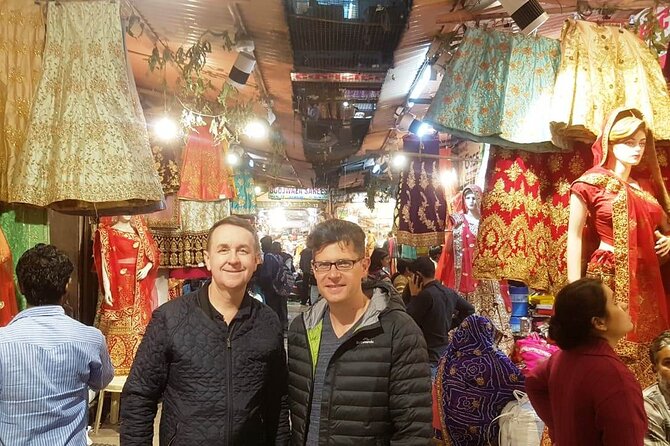
Then you head toward Jai Mata Di Paridhan, described as Jai Mata Di Paridhan / Purohit Ji Ka Katla, a market tied to wedding fabrics and traditional garments. The time here is about 20 minutes, and entry is free.
This is a shop-and-stall kind of stop. The listing notes that entry points can feel daunting, so think of it as navigating a tight maze rather than walking into an open shopping mall.
What makes this worth your time is that wedding clothing in Jaipur isn’t just a retail category—it’s an entire craft ecosystem. Even if you only browse, you get a sense of how fabric, tailoring, and ceremonial accessories connect.
You can also read our reviews of more guided tours in Jaipur




Gopal Ji Ka Rasta: Mawa (Khoya) and the Sweet-Ingredient Chain
At Gopal Ji Ka Rasta, you’re in a market known for making mawa, also called khoya/khoa. You’ll spend about 15 minutes here, again with no entry fee required.
This stop is a great example of how food culture hides in the supply chain. Mawa is a key ingredient in many northern Indian sweets, and seeing where it’s produced helps you understand why certain desserts taste the way they do.
If you’re the type who likes to know what’s behind a flavor, this is a rewarding detour. And if you’re less food-science minded, it still gives you a real Jaipur street-scene moment without needing to buy anything.
Bhagat Mishthan Bhandar: A Real Sweets Break
The tour includes a stop at Bhagat Mishthan Bhandar, where you can taste locally made sweets. Time: 15 minutes. Entry is free for the shop visit itself, but tasting costs aren’t listed as included—so treat this as a pay-as-you-go tasting stop.
This is one of the most satisfying parts of a market tour: you get a chance to translate what you saw into what you taste. Pair that sweets break with your tea/coffee during the walk and it becomes a simple, low-stress way to recharge.
Tip for your order strategy: go for one local sweet you recognize and one you don’t. That way you’ll learn something without overspending.
Choti Chopad: Flowers, Spices, Silver Lanes in One Area
Next is Choti Chopad, which is described as a zone with an older temple area, shops selling silver items, and also areas for flowers and spices. You’ll have around 30 minutes here.
This stop works because it has variety within walking distance. Jaipur has specialty streets, but Choti Chopad gives you a broader cross-section in one stretch—think of it as several small worlds packed into one area.
If you want to shop, this is likely where you’ll spot the most options for traditional items. If you don’t want to shop, it’s still useful: you’ll understand how markets are layered—fragrance and food ingredients are right next to accessory and metal craft sellers.
Thatheron ka Rasta: Metal-Working With a Side of Street Rhythm
At Thatheron ka rasta (Thatheron ki Gali), you’ll spend about 15 minutes. This street is linked to the age-old tradition of skilled utensil makers, and the atmosphere is described through the rhythmic sound of metal work.
This is one of the most memorable “watch it happen” moments. Even if you don’t know the terminology, you can see how a craft line is built—tools, metal handling, and the way artisans move.
When I’m on a craft-focused walk, I love stops like this because they’re not about buying. They’re about observing how work is organized and why customers seek out specific makers.
Maniharo ka Raasta: Old-Regal Charm at the End of Tripolia Bazaar
Next is Maniharo ka Raasta, located at the end of Tripolia Bazaar. You get about 20 minutes here.
This street is tied to wedding-costume shopping, described as still carrying regal charm from the past. It’s the kind of place where you can browse accessories and ceremonial outfits without needing a huge itinerary.
One practical note: this is a market street. If you’re hoping for wide, open viewing, you might prefer different city areas. If you like close-up browsing and people-watching, you’ll probably find it a highlight.
Swargasuli Tower: A Victory Tower Photo Stop
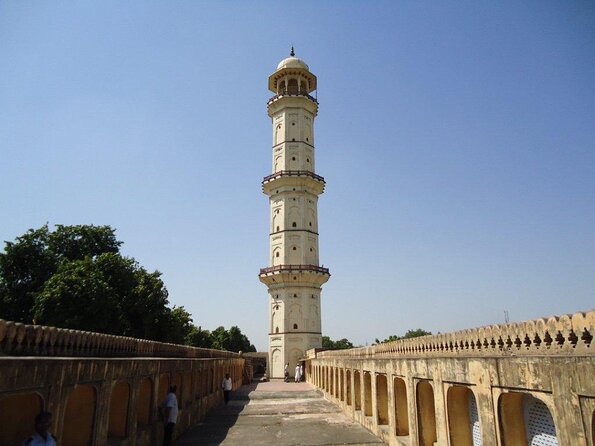
The tour includes Swargasuli Tower, described as an 18th-century marvel and sometimes called the Victory Tower. Time: about 10 minutes, and it’s a roadside scenic vantage point.
You’ll likely get photos without the hassle of a longer ticket line at this moment. Still, entry is optional for this stop as well, with guidance offered for ticketing and the same general idea that closure happens about an hour before sunset.
This is a good place to pause and let the walking catch up with you for a moment. The height of towers also gives your eyes a break after close-range market browsing.
Sai Baba Mandir: The Oldest Sai Baba Temple in Jaipur
Next is Sai Baba Mandir, noted as the oldest Sai Baba temple in Jaipur City. You’ll have around 15 minutes.
This is a calmer stop compared to the shopping streets. It’s also a reminder that even the most commercial old-city areas are interwoven with spiritual life.
If you’re sensitive to crowds, this temple moment can act like a reset button.
Golcha Cinema: Tour Finishes at a Classic Jaipur Institution
The walk ends at Golcha Cinema, one of the city’s oldest cinema halls. You’ll have about 15 minutes here.
The tour can include time inside if you want, but an entry ticket applies, and the guide can help you buy it. This makes the finale flexible: you can treat it as a photo-and-exterior stop or add the inside view if you’re curious.
Ending with a cultural venue is a nice touch. It takes the day beyond markets and landmarks and adds one more slice of what local life looks like.
Food, Drinks, and What’s Actually Included (And What Costs Extra)
You’ll get bottled water plus tea or coffee during the tour. That’s a solid baseline, especially in heat, and it means you don’t have to start negotiating for drinks while you’re trying to focus on the route.
You also have opportunities described for local drinking—like lassi—and for street food sampling. But street food charges and lunch are not included, so set a small food budget if you want to try snacks along the way.
This is worth planning because market walking can turn into “just one more bite” fast. If you want control, decide early: one sweet, one snack, one drink. Then stick to it.
Entry Fees: Mostly Free Stops, With Two Possible Paid Sights
Most stops on this route are free of entry ticket requirements. The exceptions called out are Hawa Mahal and Swargasuli Tower, where you’ll see them from the roadside as part of the standard plan.
If you do want to go inside those paid sights, the guide can help with skipping the line to buy tickets. Plan around closing timing: entry closes about an hour before sunset time.
This structure is good value. You get landmark energy without being forced into every ticket purchase.
Best Fit: Who This Walking Tour Suits
This tour is ideal if you:
- Like markets more than big-ticket monuments
- Want a private experience instead of a large group shuffle
- Care about craft connections—food ingredients, metal utensil making, textiles, and accessories
- Prefer a day plan that mixes photo spots with browse time
It may be less ideal if you:
- Want long museum-style indoor visits (many stops are street-based)
- Hate walking on market streets or in close quarters
- Are traveling only on a tight schedule that doesn’t match the 11:00 AM–4:00 PM opening rhythm
A Few Practical Tips That Make This Day Easier
Wear shoes you trust. Old-city streets are the kind where you notice every step.
Bring cash mindset. Even though many stops are free, you’ll likely want to taste sweets and snack at least once, and entry into paid sights is optional.
If you plan to visit inside Hawa Mahal or Swargasuli Tower, aim to keep your timing relaxed. The tour notes the closure window, so don’t treat those like guaranteed “later” add-ons.
Should You Book This Jaipur Walking Tour?
I think this is a strong pick if you want a guided walk that explains what you’re seeing—especially if markets are your thing. The value is real: private guide attention, drinks included, and mostly free stops at a price that leaves room for a couple of tastings and optional entries.
I’d pass or rethink only if you’re sensitive to walking, you’re set on Sundays, or you dislike market browsing altogether. If you’re flexible and curious, this is the kind of Jaipur day that feels like you actually learned the city’s rhythm rather than just checked off sights.
FAQ
What’s included in the tour price?
The tour includes an English-speaking private local guide, bottled water, and tea or coffee during the tour. GST is also included, and children/infants up to age 17 are free. Entry tickets are free for most stops, but not for Hawa Mahal and Swargasuli Tower if you want to go inside.
Is hotel pickup and drop-off included?
No. Pickup and drop-off from/to your hotel are available for an additional charge.
How long is the walk, and what time does it run?
It lasts about 3 to 4 hours. The tour runs 11:00 AM to 4:00 PM (Monday through Sunday), and it’s recommended to start later because many old-city shops open around 10:30 AM or 11:00 AM.
Are there admission fees at the sights?
Most included stops have no entry ticket requirement. Hawa Mahal and Swargasuli Tower are the two sights where entry ticket costs may apply if you choose to go inside. The tour can help you manage tickets for those.
Does the tour include food and street snacks?
Tea or coffee is included, and the route includes chances to try local items like lassi and street foods. Street food charges and lunch are not included, so you should expect to pay for what you choose to eat or snack on.
What happens if it’s a Sunday or bad weather?
Sundays in the old city are described as less eventful, with limited shop hours or closures, so it may feel quieter. The experience requires good weather; if it’s canceled due to poor weather, you’ll be offered another date or a full refund.